

Disposable Clothing
Understanding Disposable Clothing: Essential Single-Use Protection for Workplace Safety
Disposable clothing provides temporary barrier protection against dust, chemicals, paint, and biological hazards through single-use garments including coveralls, gowns, and protective suits. All Safety serves industries requiring reliable contamination control with comprehensive disposable protective wear solutions. These lightweight garments typically cost between $2-15 per unit depending on protection level.
What Are the Key Benefits of Disposable Protective Clothing?
The primary benefits include eliminating cross-contamination risks since each garment is discarded after single use, reducing laundering costs and complexities associated with reusable protective wear, and providing immediate protection without pre-cleaning requirements. Disposable clothing also offers consistent protection levels since fresh garments maintain their barrier properties, enables quick response to unexpected contamination situations, and supports compliance with strict hygiene protocols in healthcare and food processing environments.
How Does Disposable Protective Wear Function Against Workplace Hazards?
Disposable protective clothing works by creating a physical barrier between the wearer and workplace hazards through specialized materials like SMS (Spunbond-Meltblown-Spunbond) fabrics or microporous films. The garments feature sealed seams using serged, bound, or taped construction methods to prevent penetration, while elastic cuffs at wrists, ankles, and hoods ensure secure containment.
Protection levels range from Type 6 for limited splash protection to Type 3 for liquid-tight chemical suits, with each classification addressing specific hazard types and exposure scenarios. All Safety stocks various protection classifications to match workplace risk assessments and regulatory requirements.
What Are the Limitations of Single-Use Protective Clothing?
Key limitations include environmental impact from increased waste generation, ongoing replacement costs that can exceed reusable alternatives for frequent use, potential for tears or punctures during demanding tasks, and limited durability compared to heavy-duty reusable garments. Additional constraints involve storage space requirements for inventory, potential supply chain disruptions affecting availability, and the need for proper disposal protocols that may require specialized waste handling.
Users should also consider that disposable clothing cannot be repaired if damaged during use, and disposal costs typically add $0.50-2.00 per garment to total expenses.
Common Applications and Industry Uses for Disposable Safety Clothing
Healthcare facilities rely on disposable gowns and coveralls to prevent pathogen transmission between patients and staff, while manufacturing plants use protective suits to shield workers from paint overspray, chemical splashes, and particulate exposure. Food processing operations implement disposable clothing to maintain strict sanitation standards, and construction sites utilize protective coveralls during insulation installation or asbestos remediation.
All Safety supplies disposable protective wear to pharmaceutical laboratories, clean room environments, and emergency response teams requiring immediate contamination control across Alberta and throughout Canada.
Specialized Clean Room and Controlled Environment Applications
Clean rooms in pharmaceutical manufacturing and microelectronics assembly require lint-free, anti-static disposable garments to prevent particle contamination. These specialized environments often integrate disposable clothing with respiratory protection systems for complete coverage against airborne contaminants.
How to Select the Right Type of Disposable Protective Clothing
Selecting appropriate disposable clothing requires evaluating specific workplace hazards including chemical types, particle sizes, and liquid exposure risks. Consider protection levels from Type 6 (limited splash) through Type 3 (liquid-tight) based on hazard assessment, while ensuring proper sizing allows freedom of movement without excess material that could catch on equipment.
Verify certifications meet industry standards such as ASTM F1670 for blood penetration resistance or EN 14126 for biological protection, and assess comfort features like breathability for extended wear periods typically ranging from 2-8 hours.
Understanding Protection Classifications and Standards
Protection classifications follow European EN standards with Type 5 suits protecting against dry particles, Type 4 providing liquid splash resistance, and Type 3 offering liquid-tight protection. For comprehensive safety systems, integrate disposable clothing with gas monitor calibration services when working in potentially hazardous atmospheres.
Essential Features and Construction Details of Disposable Safety Wear
Modern disposable protective clothing incorporates advanced material technologies including microporous films that block liquids while allowing vapor transmission, SMS fabrics offering balanced protection and breathability, and laminated materials providing enhanced chemical resistance. Construction features include storm flap zippers for secure closure, elastic elements at critical points for proper fit, and reinforced areas at knees and elbows for improved durability.
Some garments include thumb loops for sleeve security, boot covers for foot protection, and adhesive closure strips for contaminated removal without compromising barrier integrity.
Material Technology and Barrier Properties
Contemporary disposable clothing utilizes polypropylene for basic applications, polyethylene for chemical resistance, and Tyvek for superior particle protection. For environments requiring flame resistance, consider garments with certified flame-resistant properties integrated with disposable design.
Professional Applications Across Different Industries
Industry-Specific Usage Requirements
- Healthcare Facilities require fluid-resistant disposable gowns for patient care procedures, isolation suits for infectious disease control, and sterile coveralls for surgical environments. They typically maintain emergency supplies near patient care areas and require Level 2 or higher fluid resistance ratings.
- Automotive Paint Shops need paint-resistant coveralls with hood coverage for spray booth operations, chemical-resistant suits for solvent exposure, and anti-static garments for electronics painting. Paint shops typically budget $500-1500 monthly for disposable protective wear depending on production volume.
- Food Processing Plants use lint-free disposable garments to prevent contamination, liquid-resistant aprons for wash-down areas, and hairnet-integrated hoods for complete coverage. They require FDA-approved materials and typically change garments multiple times daily.
- Pharmaceutical Manufacturing demands sterile disposable suits for clean room operations, particulate-resistant clothing for powder handling, and chemical-resistant garments for active ingredient processing. These facilities often require validated sterilization of disposable clothing before use.
- Construction Sites utilize dust-protective coveralls for insulation work, chemical-resistant suits for hazardous material remediation, and breathable garments for hot weather applications. Construction companies typically purchase in bulk quantities of 50-100 units for project-based usage.
- Chemical Processing Facilities require Type 3 or Type 4 chemical suits for emergency response, acid-resistant garments for routine maintenance, and gas-tight suits for confined space entry. These applications often integrate with emergency eyewash stations for comprehensive safety protocols.
Daily Usage Guidelines and Proper Procedures
Proper donning procedures begin with inspecting garments for damage before use, putting on protective clothing in clean areas away from contamination sources, and ensuring all closures are properly sealed. During use, monitor garments for signs of degradation or damage, avoid sharp objects that could puncture the material, and follow workplace protocols for contaminated garment removal.
All Safety recommends establishing clear procedures for emergency garment changes and maintaining backup supplies in work areas to ensure continuous protection during shift changes or unexpected contamination events.
When Should You Replace Disposable Protective Clothing?
Replace disposable clothing immediately when visible damage occurs, after significant contamination exposure, or at the end of designated wear periods typically ranging from 2-8 hours depending on application. Signs requiring immediate replacement include tears, punctures, chemical degradation, or excessive contamination that compromises barrier properties.
Storage, Handling, and Inventory Management
Store disposable clothing in original packaging within temperature ranges of 32-104°F to maintain material integrity, protect from direct sunlight and moisture that can degrade protective properties, and maintain first-in-first-out rotation to prevent expiration. Position supplies near points of use while protecting from workplace contaminants, and establish minimum inventory levels typically covering 2-4 weeks of normal usage.
For comprehensive protection systems, coordinate storage with disposable gloves and other complementary safety equipment near work areas.
What Are the Shelf Life Requirements for Disposable Protective Clothing?
Most disposable protective clothing maintains effectiveness for 3-5 years when stored properly, though chemical-resistant materials may have shorter shelf lives of 2-3 years. Always check manufacturer expiration dates and conduct visual inspections before use, particularly for garments exposed to temperature fluctuations or humidity.
Compliance Standards and Regulatory Requirements
Follow OSHA requirements for personal protective equipment selection and use, ensure compliance with industry-specific standards such as NFPA 1999 for emergency medical operations or ASTM F1001 for chemical protective clothing. Maintain documentation of proper selection rationale, user training records, and disposal procedures to demonstrate regulatory compliance.
All Safety provides technical documentation and certification information to support workplace compliance programs and safety audits required by provincial and federal regulations.
What Certifications Should You Look For?
Essential certifications include ASTM F1670 for bloodborne pathogen resistance, EN 14126 for biological protection, and NFPA ratings for specific applications. Chemical resistance requires permeation and penetration testing data specific to workplace chemicals, while clean room applications need particle generation and electrostatic discharge ratings.
Common Problems and Troubleshooting Solutions
Address sizing issues by maintaining multiple size ranges and conducting fit assessments, resolve tear problems by providing backup garments and improving handling procedures, and manage ventilation concerns through breathable material selection or cooling systems. For chemical breakthrough situations, establish emergency procedures including immediate garment removal and decontamination protocols.
Integration with appropriate eye protection ensures complete coverage when disposable clothing alone is insufficient for comprehensive workplace hazard protection.
How to Handle Emergency Garment Failure Situations?
Develop emergency response procedures including immediate work stoppage protocols, contaminated garment removal techniques that prevent spread, backup garment availability within 2 minutes of failure, and post-incident assessment procedures. Train workers on emergency signals and evacuation routes specific to protective clothing failure scenarios.
Cost Analysis and Budget Planning for Disposable Safety Clothing
Budget planning should account for unit costs ranging from $2-25 per garment depending on protection level, disposal fees averaging $0.50-2.00 per unit, and storage costs for inventory management. Calculate usage rates based on worker count, shift patterns, and contamination frequency, typically ranging from 1-5 garments per worker daily.
Consider bulk purchasing for 10-20% cost savings and seasonal demand fluctuations that may affect pricing and availability. All Safety offers volume pricing and inventory management programs to help optimize protective clothing costs while maintaining adequate safety stock levels.
How Much Should You Budget for Disposable Protective Clothing?
Small operations typically budget $200-800 monthly for basic protection needs, while large facilities may require $2,000-10,000 monthly depending on worker count and protection requirements. Emergency response operations should maintain 3-6 months inventory representing 20-50% of annual budget allocation.
Complete Selection Checklist for Disposable Protective Clothing
- Verify protection level matches specific workplace hazards through proper hazard assessment
- Confirm size availability covers all worker body types with proper fit testing
- Check certifications meet both industry standards and regulatory requirements
- Assess comfort features including breathability for expected wear duration
- Calculate total cost including purchase, storage, disposal, and replacement requirements
- Review disposal protocols ensure compliance with environmental and waste regulations
- Verify compatibility with other required protective equipment including respirators and gloves
- Establish inventory levels maintain adequate emergency supplies for unexpected situations
- Confirm supplier reliability and delivery capabilities for consistent availability
- Document selection rationale and maintain training records for compliance purposes
- Product
- Qty in Cart
- Quantity
- Price
- Subtotal
-
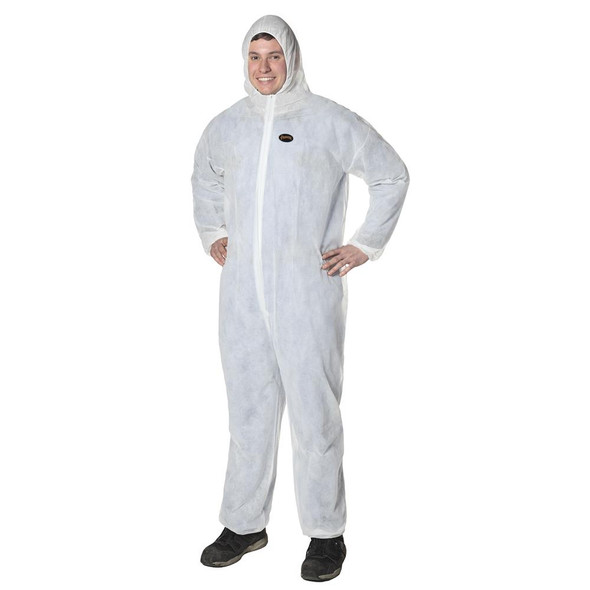
Disposable Polypropylene Coveralls - Zipper Closure | Pioneer
Pioneer Workwear
$6.64Description Disposable coveralls that offer complete protection from front to back and top to bottom. Designed for comfort the elastic waist wrists and ankles promote freedom of movement and an...$6.64 -

SPC 4400 Yellow (CPM) | Pack of 5 | Draeger
Draeger
$52.40 - $262.01The SPC 4400 Yellow (CPM) is a specialized personal protective equipment (PPE) product offered by Dräger, a leading provider of medical and safety technology. This specific item, SPC 4400, is...$52.40 - $262.01 -

SPC 4400 Orange (CLF) | Draeger
Draeger
$143.06 - $2,543.20The SPC 4400 Orange (CLF) by Dräger is a high-performance personal protective equipment (PPE) solution, typically designed for use in hazardous environments where workers need reliable safety devices...$143.06 - $2,543.20 -

Guardian Lite FR Disposable Coveralls | FR Fabric | Atlas Workwear
Atlas Workwear
$8.10NFPA 2113 2020 Sizes: XS-7XL Guardian® Lite FR Fabric Elastic Cuff Wrist, Ankles & Hood Relaxed Fit for Higher Range of Motion in the Arms, Legs and Neck Full Zipper Closure with Double Sided...$8.10 -

Guardian Pro FR Disposable Coveralls | FR Fabric | Atlas Workwear
Atlas Workwear
$12.24 - $18.00ANSI/ISEA 203 NFPA 2113 2020 Sizes: S-7XL Guardian® Pro FR Fabric Elastic Cuff Wrist, Ankles & Hood Relaxed Fit for Higher Range of Motion in the Arms, Legs and Neck Full Zipper Closure with Double...$12.24 - $18.00 -


White - Microporous Coverall - Pack of 25
WASIP
$112.50White - Microporous Coverall - Pack of 25 | WASIPNon-woven material with microporous filmComfortable disposable garment features zippered front, attached hood, sewn elastic wrist, ankle and...$112.50 -


Heavy Disposable Polypropylene Coverall - Pack of 25
WASIP
$105.75Heavy Disposable Polypropylene Coverall - Pack of 25 | WASIPDurable spunbound polypropylene materialComfortable disposable garment features a zippered front, attached hood, sewn elastic wrist, ankle...$105.75 -

Beard Guards - 100/Bag
WASIP
$6.48Beard Guards - 100/Bag | WASIPMade from PolypropyleneLightweightBreathableEconomical and disposableLatex freeKeeps hair out of products, machinery, prevents product contamination and ensures a clean...$6.48 -

White Bouffant - 100/Bag
WASIP
$7.56 - $9.36White Bouffant - 100/Bag | WASIPMade from PolypropyleneLightweightBreathableEconomical and disposableLatex freeKeeps hair out of products, machinery, prevents product contamination and ensures a...$7.56 - $9.36 -

Disposable Sleeves, 18" Long, Polyethylene, Blue | Zenith
Zenith
$7.20Disposable 0.02 mm polyethylene Elastic at both ends Specifications Material: Polyethylene Colour: Blue Length: 18" Qty/Bag: 100 Sold/Priced Per: Bag Manufacturer's Warranty 1 Year...$7.20 -

Sleeves, 18" Long, Microporous, White | Zenith
Zenith
$0.73Microporous film laminated to a polypropylene substrate Offers protection against liquid, dust and light chemical splashes Can be used in dry and wet work environments Elastic at both...$0.73 -

Boot Covers, One Size, Microporous, White | Zenith
Zenith
$58.59Elasticized band for an optimum fit Sewn seams offer maximum tear strength Microporous film laminated to a polypropylene substrate Offers protection against liquid, dust and light chemical...$58.59 -

Premium Hooded Coveralls, Large, White, Microporous | Zenith
Zenith
$9.33Zipper front with storm flap, attached hood, elastic wrists and ankles Microporous film laminated to a polypropylene substrate Offers protection against liquid, dust and light chemical splashes High...$9.33 -


Hooded Coveralls Blue, SMS | Zenith
Zenith
$7.71 - $8.36Zipper front with storm flap, attached hood, elastic wrists and ankles, and 1 breast pocket Three layer polypropylene SMS (spun-bonded, melt-blown, spun-bonded) Offers protection against dry...$7.71 - $8.36 -

Beard Nets, Nylon, Brown | Zenith
Zenith
$10.21Elasticized band for an optimum fit Covers beard and mustache One string behind head 100% latex-free Specifications Material: Nylon Colour: Brown Size: One Size Fits...$10.21 -

Beard Nets, Nylon, White | Zenith
Zenith
$10.21Elasticized band for an optimum fit Covers beard and mustache One string behind head 100% latex-free Specifications Material: Nylon Colour: White Size: One Size Fits...$10.21