

Supervisor and Surveyor Vests
Supervisor and Surveyor Vests: Complete Guide
What Are Supervisor and Surveyor Vests: Supervisor and surveyor vests are specialized high-visibility safety garments designed with multiple pockets and storage compartments to hold tools, instruments, clipboards, and communication devices. These vests combine ANSI-compliant visibility protection with practical functionality for professionals who need hands-free access to equipment while maintaining safety compliance on job sites.
Supervisor and surveyor vests serve professionals who manage teams, conduct site inspections, perform measurements, or coordinate activities in hazardous environments. Construction foremen wear these vests to store radios, notepads, and measuring tools while remaining visible to equipment operators. Land surveyors rely on the multiple pockets to organize GPS devices, flagging tape, field books, and marking supplies during outdoor measurement work. The vest design allows quick access to essential items without interrupting workflow or compromising safety standards.
Core Functions and Essential Components
These vests feature between 8 to 15 specialized pockets positioned for balanced weight distribution and easy access. Front pockets typically accommodate cell phones, pens, small notebooks, and handheld radios, while larger lower pockets hold clipboards, tablets, or reference materials. Interior pockets provide secure storage for identification badges, keys, and personal items. D-rings attached near the shoulders allow workers to clip badge holders or small equipment lanyards. The pocket configuration reflects the specific needs of supervisory and surveying roles where documentation and communication tools must remain readily available.
High-visibility materials meet ANSI/ISEA 107 standards through fluorescent background fabric in orange, lime yellow, or yellow-green colors. Reflective tape positioned horizontally around the torso and vertically over the shoulders creates 360-degree visibility in low-light conditions. Class 2 and Class 3 rated vests provide appropriate visibility levels for different work environments, with Class 3 offering the highest protection for highway work and high-speed traffic areas.
Professional Roles Requiring These Vests
Safety coordinators, site supervisors, quality inspectors, and land surveyors represent the primary users of these specialized vests. Safety coordinators conducting workplace safety inspections and first aid assessments benefit from organized storage for checklists, incident report forms, and inspection tools. Construction superintendents managing multiple trades need immediate access to project drawings, specification sheets, and communication devices while moving between work zones. Survey crews performing boundary measurements, topographic mapping, or construction layout require designated pockets for range finders, prism poles, field computers, and marking materials.
Key Takeaways About Supervisor and Surveyor Vests
- Supervisor and surveyor vests combine ANSI-compliant high visibility protection with 8 to 15 specialized pockets for organizing tools and equipment
- These vests allow hands-free operation by providing dedicated storage for radios, clipboards, measuring devices, and documentation materials
- Class 2 and Class 3 visibility ratings ensure compliance with workplace safety standards in construction, surveying, and traffic control environments
- Mesh back panels and breathable fabrics help workers maintain comfort during extended outdoor shifts in varying weather conditions
- Reinforced pocket stitching and durable polyester construction withstand daily use carrying field instruments and heavy tools
- Adjustable closure systems including zippers and Velcro tabs accommodate different body sizes and allow wear over seasonal clothing layers
- D-ring attachments and badge holders integrate identification display with equipment carrying capabilities for supervisory professionals
Where to Use Supervisor and Surveyor Vests in Your Business
Supervisor and surveyor vests serve essential functions across construction sites, transportation projects, utility operations, and land development activities. Site supervisors wear these vests during daily inspections, safety walks, and coordination meetings where they must reference plans, take notes, and communicate via radio while remaining visible to heavy equipment operators. The pocket organization eliminates trips back to job trailers for forgotten tools or documents, improving productivity and reducing time away from active supervision.
Construction and Infrastructure Applications
Commercial building projects employ these vests for general contractors, subcontractor foremen, and safety managers wearing hard hats and coordinating crews. Highway construction zones require high-visibility vests for traffic control supervisors who manage lane closures, direct equipment movements, and coordinate with flaggers. Bridge construction sites use surveyor vests for engineers verifying structural measurements, checking elevations, and documenting quality control checkpoints. Industrial facility maintenance teams issue these vests to shift supervisors who inspect equipment, respond to maintenance calls, and carry diagnostic tools throughout large plant facilities.
Utility companies provide surveyor vests to field crews performing right-of-way surveys, underground utility location, and infrastructure mapping projects. Pipeline construction supervisors wear these vests while inspecting trenching operations, verifying grade specifications, and coordinating equipment across linear construction sites. Telecommunications installation supervisors use the multiple pockets to organize cable testing equipment, connection diagrams, and safety documentation during tower work and fiber optic installations.
Specialized Industry Uses
Municipal public works departments issue supervisor vests to street maintenance foremen, park supervisors, and water system inspectors who work in traffic-adjacent environments. Environmental consulting firms equip field technicians with surveyor vests for wetland delineation, environmental site assessments, and ecological monitoring where GPS units, field guides, and sample collection supplies must remain organized. Mining operations use these vests for shift supervisors, safety inspectors, and survey technicians working in surface mining environments where visibility and tool organization both affect operational safety.
Railroad maintenance supervisors wear these vests during track inspection, signal system testing, and right-of-way maintenance activities near active rail lines. Emergency response coordinators use supervisor vests during incident management to organize communication devices, documentation forms, and reference materials while maintaining visibility in chaotic environments. Archaeological survey crews benefit from the pocket organization during site documentation, artifact collection, and field recording activities that require systematic tool management.
How to Choose Supervisor and Surveyor Vests: Buying Guide
Supervisor and surveyor vests require evaluation based on pocket configuration, visibility rating, fabric durability, and environmental suitability. The selection process begins with identifying which tools and equipment the wearer must carry regularly, then matching pocket sizes and quantities to those specific needs.
Systematic Selection Process
- Identify required visibility class (Class 2 for most sites, Class 3 for highway work)
- Count essential items that must be carried simultaneously and match to pocket quantity
- Verify pocket dimensions accommodate largest items like clipboards or tablets
- Select fabric weight appropriate for climate and seasonal use patterns
- Confirm closure system suits donning frequency and ease of access needs
- Check for D-rings or attachment points if badge display or equipment clips needed
- Ensure sizing accommodates base clothing layers and seasonal jacket wear
Evaluating Quality and Construction
Quality surveyor vests feature reinforced stitching at high-stress points including pocket corners, shoulder seams, and reflective tape attachment areas. Heavy-duty thread and bar-tack reinforcement prevent pocket failures when carrying loaded equipment. Reflective tape should be heat-sealed or sewn with multiple stitch rows to prevent separation during washing or field use. Look for colorfast fabrics that maintain visibility brightness through repeated laundering cycles.
Zipper closures provide more secure fastening than Velcro systems, though Velcro allows faster donning and accommodates wider size ranges. Two-way zippers enable access to lower pockets without fully opening the vest. Mesh back panels improve airflow during warm weather but reduce insulation in cold conditions. Solid fabric backs provide more weather protection and maintain a professional appearance but can cause heat buildup in summer temperatures.
Understanding Price Differences
Basic surveyor vests with standard pocket configurations and Class 2 visibility cost less than premium models with specialized features. Price variations reflect fabric quality, with 150-denier polyester offering more durability than lighter-weight mesh alternatives. Vests with 12 or more pockets command higher prices due to additional construction complexity and material requirements. Flame-resistant versions for environments with arc flash or fire hazards significantly increase costs but provide essential protection in welding areas and hot work zones. Extended sizes for tall workers or cold-weather use over jackets may carry upcharge pricing.
| Feature | Budget Option | Premium Option |
|---|---|---|
| Pocket Count | 6-8 basic pockets | 12-15 specialized pockets |
| Fabric | Mesh or lightweight polyester | 150D polyester twill or FR-rated |
| Closure System | Velcro or snap | Heavy-duty zipper with Velcro storm flap |
| Typical Use | Occasional supervisory roles, warm weather | Daily professional use, all seasons |
Key Features of Supervisor and Surveyor Vests Explained
Supervisor and surveyor vests incorporate specialized features that distinguish them from standard traffic safety vests. Understanding how each feature contributes to functionality helps buyers select appropriate models for specific work requirements.
Pocket Design and Organization Systems
Pocket placement follows ergonomic principles to balance weight distribution and maintain natural arm movement. Upper chest pockets typically measure 5 to 7 inches wide to accommodate cell phones, two-way radios, or small notebooks without items falling out during bending or reaching activities. Lower cargo pockets range from 8 to 12 inches wide to hold clipboards, tablets, or folded documents. Interior security pockets with zipper closures protect identification badges, keys, or personal items from loss.
Divided pockets with interior partitions organize multiple small items like pens, markers, measuring tapes, and utility knives without creating jumbled storage. Clear vinyl pocket covers allow viewing pocket contents without opening compartments, useful for quick identification of forms or reference cards. Elastic pen loops and tool holders prevent items from shifting or falling when workers bend or climb. Some models include detachable pouches that can be removed for washing or transferred between vests.
Visibility and Reflective Components
Class 2 vests provide minimum background material of 775 square inches and 201 square inches of reflective tape, suitable for work areas where traffic speeds remain below 50 mph and workers remain reasonably separated from vehicles. Class 3 vests increase requirements to 1,240 square inches of background material with 310 square inches of reflective material, necessary for highway work, complex backgrounds, or situations where workers must be visible at greater distances. The reflective tape configuration creates a recognizable human form visible from all angles, critical when workers face away from approaching vehicles or equipment.
Five-point breakaway designs include tear-away stitching or breakaway closures that release if the vest catches on moving equipment or machinery, reducing entanglement hazards in environments with rotating machinery or moving vehicles. Glow-in-the-dark materials provide additional visibility during power outages or equipment failures when active lighting sources fail. Contrasting trim colors help distinguish supervisory personnel from general workers, useful in large projects where role identification supports safety protocols and chain of command recognition.
Material Durability and Weather Resistance
Polyester twill fabrics resist tearing and abrasion better than mesh alternatives, important for workers who frequently brush against rough materials or work in brush-filled survey environments. Water-resistant coatings shed light rain and morning dew without adding significant weight or reducing breathability. Mesh panels in strategic locations like the back and lower sides promote airflow while maintaining solid fabric in areas subjected to tool rubbing or equipment contact.
Colorfast dyes maintain visibility standards through industrial washing cycles and exposure to sunlight. Fabrics treated for UV resistance prevent premature fading in outdoor applications where workers spend entire shifts in direct sunlight. Reinforced stress points at pocket corners and closure areas extend vest longevity when carrying heavy equipment like battery-powered measurement tools or thick documentation binders.
Professional Surveying and Supervision Uses for High-Visibility Vests
Professional surveyors and supervisors rely on specialized vest features to maintain productivity while meeting safety compliance requirements. The integration of tool storage with visibility protection addresses the unique demands of roles requiring constant documentation, measurement, and coordination activities.
Land Survey and Boundary Determination
Land surveyors conducting property boundary surveys, topographic mapping, or construction staking operations use surveyor vests to organize GPS receivers, prism poles, flagging tape, field books, and spray paint. The vest eliminates the need for separate tool belts or backpacks that interfere with movement through wooded areas or across uneven terrain. Dedicated pockets for work gloves and hand protection equipment ensure workers can quickly don safety gear when handling thorny vegetation or rough stakes.
Survey crews working near roadways benefit from Class 3 visibility requirements that keep them visible to passing traffic while setting control points or operating total stations. Interior pockets protect expensive GPS units and data collectors from damage while exterior pockets provide quick access to consumable supplies like survey caps, nails, and reference markers. The weather-resistant construction protects electronic devices and paper field notes during unexpected weather changes common in outdoor survey work.
Construction Site Management
General contractors and project managers use supervisor vests to carry project schedules, punch lists, safety inspection forms, and communication devices while conducting site walks. The professional appearance created by organized equipment storage reinforces supervisory authority and presents a competent image to clients and subcontractors. Multiple pocket compartments separate administrative paperwork from tools, preventing document damage from sharp objects or tool dirt.
Safety coordinators performing fall protection equipment inspections and harness checks organize inspection tags, certification forms, and writing instruments in dedicated vest pockets. The hands-free carrying system allows inspectors to climb ladders, examine scaffolding connections, and test safety equipment while maintaining access to documentation tools. High visibility ensures inspectors remain visible when working near equipment operation zones or in areas with complex visual backgrounds.
Utility and Infrastructure Inspection
Utility inspectors examining electrical distribution systems, gas pipelines, or water infrastructure wear surveyor vests to organize testing equipment, digital cameras, flashlights, and inspection forms. The vest design allows workers to carry specialized tools like voltage detectors, gas leak detectors, or moisture meters without dedicating both hands to equipment bags. Electrical utility workers benefit from flame-resistant vest options that provide arc flash protection while maintaining the functionality of standard surveyor designs.
Industry-Specific Applications for Supervisor and Surveyor Vests
- Highway Construction: Traffic control supervisors manage multiple flaggers and work zones while carrying lane closure plans, traffic count devices, and emergency contact lists in organized vest pockets, with Class 3 visibility protecting them from high-speed traffic approaching work areas from multiple directions.
- Commercial Development: Site superintendents coordinate concrete pours, steel erection, and MEP installations while storing architectural drawings, RFI documentation, and daily log books in weather-resistant vest pockets that protect critical project documents from job site dirt and moisture.
- Municipal Infrastructure: Public works supervisors inspect storm drainage systems, street maintenance, and park facilities while organizing inspection checklists, digital tablets, and communication radios in multi-pocket vests that maintain visibility in traffic-adjacent work environments.
- Energy Sector: Pipeline construction supervisors verify welding quality, coating application, and right-of-way restoration while carrying non-destructive testing equipment, joint logs, and GPS mapping devices in flame-resistant surveyor vests that protect against flash fire hazards during hot work activities.
- Telecommunications: Tower installation supervisors coordinate climbing crews and equipment rigging operations while storing antenna alignment tools, cable testing equipment, and safety inspection forms in vests with D-rings that accommodate fall protection harness compatibility without pocket interference.
- Environmental Services: Remediation project managers document soil sampling locations, coordinate excavation activities, and track waste manifests while organizing field instruments, chain-of-custody forms, and site photography equipment in durable vests that withstand contaminated site conditions and decontamination washing protocols.
Daily Maintenance and Care for High-Visibility Safety Vests
High-visibility safety vests require regular maintenance to preserve visibility performance and pocket functionality. Proper care extends vest lifespan while ensuring continued compliance with safety standards that protect workers in hazardous environments.
Routine Cleaning and Inspection
Empty all pockets before washing to prevent damage from forgotten items like pens, markers, or metal tools that can tear fabric or damage washing machines. Close all zippers and Velcro closures to prevent snagging and reduce wear on closure mechanisms. Machine wash vests in warm water with mild detergent, avoiding bleach or harsh chemicals that degrade reflective tape adhesion and fluorescent dye brightness. Tumble dry on low heat or air dry to prevent shrinkage and reflective material damage from excessive heat exposure.
Inspect vests weekly for reflective tape separation, torn pockets, damaged zippers, or faded background colors. Replace vests when reflective tape shows significant cracking, peeling, or loss of retroreflectivity that reduces nighttime visibility. Check pocket stitching for loose threads or separation at stress points that could lead to equipment loss. Test zipper function and Velcro grip strength, replacing vests when closures no longer secure properly.
Storage and Field Care Practices
Store vests hanging in dry locations away from direct sunlight to prevent UV degradation of fluorescent fabrics and reflective materials. Avoid folding vests in ways that crease reflective tape, as repeated creasing creates permanent damage lines that reduce reflectivity. Keep vests separated from tools, chemicals, or materials that could stain or tear the fabric. When working in wet conditions, wring out excess water rather than twisting the vest, which can damage reflective tape bonding and internal pocket structures.
Remove dried mud, concrete, or other debris by brushing with soft bristles before washing to prevent abrasive materials from damaging fabric during machine agitation. Address stains promptly using spot treatment appropriate for polyester fabrics, as set-in stains become permanent and can compromise visibility compliance. Apply fabric protectant sprays designed for outdoor gear to enhance water resistance without reducing breathability or reflective performance.
Replacement Timing and Service Life
Supervisor and surveyor vests typically last one to three years depending on use frequency, care practices, and environmental exposure. Daily users in harsh outdoor conditions may require annual replacement, while occasional users with proper storage can extend vest life beyond two years. Hot weather environments with intense sun exposure accelerate fabric fading and material degradation compared to indoor or moderate climate applications.
Replace vests immediately when reflective tape loses significant retroreflectivity visible during nighttime inspection with flashlight testing. Discard vests with torn pockets that no longer securely hold equipment, as lost tools create safety hazards and workflow interruptions. Retire vests when background colors fade to the point where they no longer meet ANSI fluorescent color requirements, even if reflective tape remains functional. Supervisors should establish replacement schedules based on usage patterns rather than waiting for complete failure, ensuring workers maintain optimal visibility protection throughout vest service life.
Recognition of Replacement Indicators
Monitor for visible fading of fluorescent colors when comparing used vests to new inventory or color standards. Test Velcro closures for reduced grip strength that allows vests to open during movement. Check for stretched fabric around neck and armhole areas that creates loose fit compromising professional appearance and potentially catching on equipment. Identify permanent stains from concrete, asphalt, or chemicals that reduce fluorescent background effectiveness. Notice pocket deformation or sagging from carrying heavy equipment that prevents secure tool storage. Watch for frayed edges around pockets or hem areas indicating fabric breakdown. Document the purchase date and track recommended replacement intervals based on manufacturer guidance and organizational safety standards.
Safety Standards and Certifications for Surveyor Safety Vests
Safety standards and certifications ensure supervisor and surveyor vests provide adequate visibility protection in specific work environments. Understanding these standards helps organizations select compliant equipment and maintain regulatory adherence.
ANSI/ISEA 107 Visibility Classifications
ANSI/ISEA 107 establishes performance requirements for high-visibility safety apparel used in work environments with vehicular traffic or equipment operation hazards. The standard defines three performance classes based on background material and reflective tape quantities. Class 2 apparel suits work environments where traffic speeds remain below 50 miles per hour and workers remain reasonably separated from traffic. Class 3 apparel provides the highest visibility for complex backgrounds, high-speed traffic, or situations requiring worker visibility at greater distances.
Type R (roadway) garments meet requirements for temporary traffic control and roadway construction activities. Type P (public safety) garments include additional design requirements for emergency responders and law enforcement. Surveyor vests typically qualify as Type R Class 2 or Class 3 depending on material quantities and reflective configurations. The standard specifies minimum areas of background material, retroreflective material, and combined-performance material required for each class, along with specific placement requirements ensuring 360-degree visibility.
Canadian Standards Association Requirements
CSA Z96 provides high-visibility safety apparel standards recognized across Canada for workers exposed to vehicular traffic or mobile equipment. The standard aligns closely with ANSI/ISEA 107 while including specific provisions for Canadian workplace conditions. Organizations operating in both countries often select vests meeting both ANSI and CSA requirements to ensure cross-border compliance and simplified inventory management.
Industry-Specific Compliance Considerations
Transportation departments and highway agencies typically mandate Class 3 visibility for workers in right-of-way areas adjacent to travel lanes. Construction sites with heavy equipment operation may specify Class 2 minimum requirements with recommendations for Class 3 in high-traffic areas. Utility companies establish visibility requirements based on work proximity to energized equipment, with higher classifications required near high-voltage installations. Railroad operations follow FRA (Federal Railroad Administration) regulations that specify visibility requirements for workers in track areas, often requiring Class 3 apparel.
Employers must provide appropriate high-visibility clothing and protective apparel suitable for workplace hazards as part of comprehensive safety programs. OSHA regulations require employers to assess workplace hazards and provide appropriate personal protective equipment including high-visibility garments where visibility hazards exist. Regular training ensures workers understand when high-visibility apparel must be worn and how to maintain equipment in serviceable condition.
Quality Indicators and Expert Recommendations
Safety professionals recommend selecting vests from manufacturers with established track records in high-visibility apparel production and testing. Look for products displaying ANSI/ISEA 107 compliance labels sewn into garments indicating specific performance class and type. Verify that reflective materials meet ANSI specifications for retroreflectivity measured in candelas per lux per square meter. Choose manufacturers offering replacement guarantees or warranties covering material defects and premature wear.
Industry experts suggest maintaining spare vests in supervisor vehicles and site offices to replace damaged equipment immediately rather than continuing use of non-compliant garments. Establish inspection programs verifying vest condition before each shift, with supervisors checking that workers wear appropriate visibility classes for assigned tasks. Consider implementing color-coding systems where different vest colors or trim identify various roles, improving work zone organization and emergency response coordination while maintaining visibility compliance.
Supervisor Vest Pricing: Budget vs Premium Options
Supervisor and surveyor vest pricing reflects construction quality, feature complexity, and certification levels. Understanding cost factors helps organizations balance budget constraints with performance requirements and longevity expectations.
Price Range Factors
Entry-level surveyor vests with basic pocket configurations and Class 2 visibility typically cost less than models with extensive pocket systems and premium materials. Mesh construction reduces material costs compared to solid polyester twill, though mesh offers less durability in abrasive environments. Pocket count directly influences manufacturing complexity and material requirements, with vests containing 12 or more pockets costing more than simpler 6-pocket designs. Flame-resistant fabrics command premium pricing due to specialized material requirements and testing certifications, necessary in environments with arc flash or fire hazards.
Class 3 visibility vests require additional reflective material and background fabric compared to Class 2 alternatives, increasing production costs. Extended sizes for tall workers or cold-weather wear over jackets may include surcharges reflecting additional material consumption. Specialized features like detachable pouches, interior security pockets, or radio holsters add incremental costs to base vest pricing. Quantity purchases often qualify for volume discounts, making bulk orders more economical for large organizations requiring uniform equipment across multiple workers.
Long-Term Value Assessment
Premium vests constructed from 150-denier polyester typically outlast budget mesh alternatives by six months to two years, reducing replacement frequency and long-term costs. Reinforced stitching and quality zippers prevent premature pocket failures that require early replacement. Higher-quality reflective tape maintains retroreflectivity through more washing cycles, extending compliant service life. When calculating per-use costs, premium vests often deliver better value than frequent replacement of budget options.
Organizations should evaluate total cost of ownership including purchase price, expected service life, and replacement labor. Factor in productivity impacts from lost tools due to failed pockets or workflow interruptions from inadequate storage capacity. Consider compliance risks from non-functional visibility equipment that could result in citations or incident costs. All Safety specializes in supervisor and surveyor vests that balance professional functionality with durable construction, providing reliable equipment for demanding supervisory and measurement applications.
Budget Planning and Procurement Strategies
Allocate higher budgets for daily-use positions where vest functionality directly impacts productivity and safety. Assign premium vests with extensive pocket systems to survey crews and lead supervisors carrying expensive equipment and critical documentation. Reserve budget options for occasional supervisory roles, visitor use, or positions with limited tool-carrying requirements. Consider mixed inventory strategies providing appropriate vest grades matched to specific job requirements and use frequencies.
Include vest replacement in annual safety equipment budgets based on workforce size and expected service life. Establish inspection criteria for removing worn vests from service before visibility or functionality deteriorates below safe levels. Maintain emergency inventory for immediate replacement of damaged vests rather than temporary use of non-compliant alternatives. Evaluate rental options for short-term projects or seasonal workforce expansions requiring temporary high-visibility equipment. Partner with suppliers offering consistent product availability to simplify reordering and maintain equipment standardization across the organization.
Quick Selection Checklist for Supervisor and Surveyor Vests
- Verify ANSI/ISEA 107 Class 2 or Class 3 certification matches workplace traffic and equipment hazards
- Check reflective tape condition shows no cracking, peeling, or retroreflectivity loss during nighttime flashlight inspection
- Count pocket quantity accommodates all daily-carry tools, documentation, and communication devices without overloading
- Assess pocket dimensions ensure largest items like clipboards or tablets fit securely without protruding or falling out
- Confirm fabric weight and mesh panels suit climate conditions and expected temperature ranges during work shifts
- Test closure systems operate smoothly with zipper gliding freely and Velcro maintaining secure grip strength
- Evaluate total cost considering purchase price, expected service life, and replacement frequency for accurate value comparison
- Establish inspection schedule for weekly visibility checks, pocket condition monitoring, and systematic replacement before compliance failure
Professional High-Visibility Equipment for Supervisory Excellence
Supervisor and surveyor vests represent essential safety equipment that combines regulatory compliance with practical functionality for professionals managing work sites, conducting measurements, and coordinating field activities. The specialized pocket configurations allow hands-free operation while maintaining organized access to tools, documentation, and communication devices. High-visibility construction ensures workers remain protected in environments with vehicular traffic, heavy equipment, and complex visual backgrounds. Organizations benefit from improved productivity when supervisors can efficiently carry necessary equipment without workflow interruptions or safety compromises. Proper selection based on visibility class, pocket requirements, and durability factors ensures workers receive appropriate equipment matched to specific job demands. Regular maintenance, timely replacement, and compliance with ANSI/ISEA 107 standards protect both workers and employers from preventable incidents. All Safety provides comprehensive supervisor and surveyor vest solutions supporting professional operations across construction, surveying, utility, and infrastructure industries with reliable high-visibility equipment. Information current as of October 1, 2025.
- Product
- Qty in Cart
- Quantity
- Price
- Subtotal
-


Hi Vis Surveyor Vest | Ground Force
Ground Force
$36.99Hi Vis Surveyor Vest | Ground Force 100% Durable polyester fabric 4'' Contrasting colour tape with 2'' reflective silver tape on front, back and waist provides increased visibility Snap front...$36.99 -


Hi-Vis Surveyor Safety Vest | 150D | Pioneer
Pioneer Workwear
$47.52Description This Hi-Vis engineer style safety vest will keep you cool and comfortable and includes all the pockets necessary to carry essential surveying tools. Designed with a breathable 150 denier...$47.52 -


FR Open Road Surveyor Safety Vest | Viking
Viking Workwear
$60.75Description Fully compliant with CSA Z96-22 Class 1, Level 2 Fully compliant with ANS/ISEA 107-2020 Type O, Class 1, ASTM D6413 (FR) Tested in accordance with test method CAN/CGSB-4.2 No.27.10 &...$60.75 -


Hi-Vis Open Road Surveyor Safety Vest | Viking
Viking Workwear
$36.00Description 2″ Vi-brance® reflective material in 4″ contrasting tape meets WCB/Worksafe/DOT configuration 150 Denier polyester twill material with double hemstitched pockets and seams to increase...$36.00 -


Premium Hi-Vis Cotton Surveyor Safety Vest | Big K (Multiple Color Options)
Big K Clothing
$108.00Premium Hi-Vis Cotton Surveyor Safety Vest | Big K (Multiple Color Options) Surveyor vest c/w 8 front pockets, 4 inside pockets and radio pocket. Vest has double back pouch and 4" 3M reflective...$108.00 -


Hi-Viz 1200D High Denier Surveyor's Vests | Pioneer
Pioneer Workwear
$79.72Description These Pioneer® Hi-Vis Surveyor's safety vests are designed to keep you cool and comfortable and includes all the pockets necessary to carry essential surveying tools$79.72 -
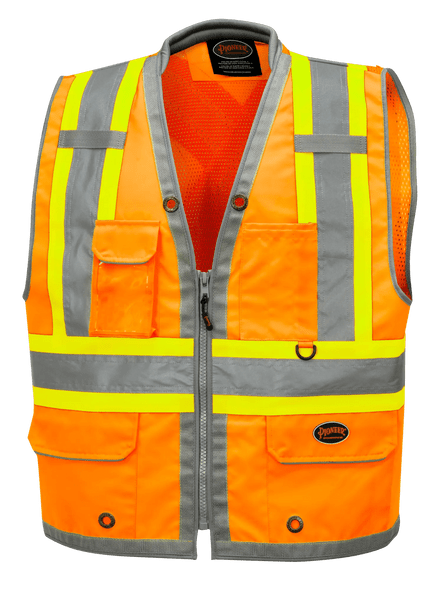
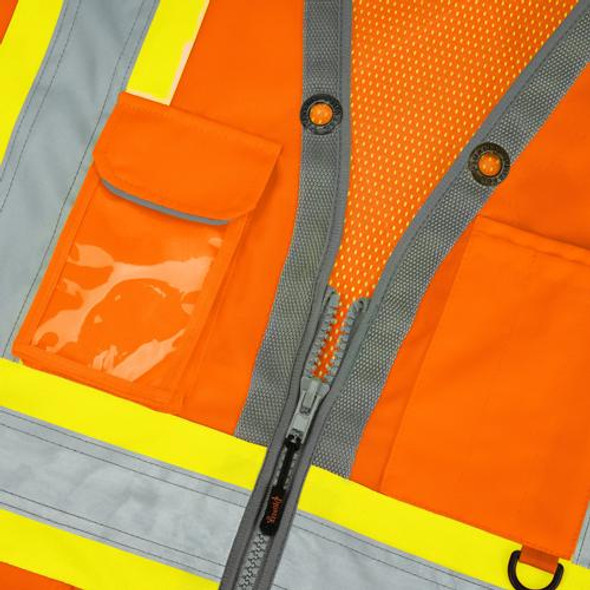
Hi-Vis Mesh Back Zip Surveyor Safety Vest | Pioneer
Pioneer Workwear
$45.65Description These mesh back surveyor's vests offer a perfect blend of durability and comfort and has all the pockets necessary to store essential tools and plans. Made with a full mesh back panel...$45.65 -


Hi-Vis Antimicrobial Mesh-Back Surveyor Vest | Pioneer
Pioneer Workwear
$82.19Description High-functioning surveyor safety vest developed for the unique needs of professional field engineers and construction managers. Made with meticulous attention to detail the garment is...$82.19 -


Poly Twill Deluxe Safety Vest | Tough Duck
Tough Duck
$52.20This vest offers a zipper front closure for easy wear, along with a multi-pocket design including 5 upper chest pockets (including a pencil pocket) and 2 lower patch pockets with flaps. Grommets for...$52.20 -


600D Oxford Polyester Surveyor Vest | Big K (Multiple Colors)
Big K Clothing
$90.00600D Oxford Polyester Surveyor Vest | Big K (Multiple Colors) Our 600D Oxford Polyester 5 point tear away surveyor safety vest comes with 7 front pockets, a radio pocket, 4 inside pockets, a double...$90.00 -


Mesh-Back Surveyor Vest | Pioneer
Pioneer Workwear
$45.65Description These mesh back surveyor's vests offer a perfect blend of durability and comfort and has all the pockets necessary to store essential tools and plans. Made with a full mesh back panel...$45.65 -


Hi-Vis Surveyor & Supervisor Safety Vest | Pioneer
Pioneer Workwear
$72.97Description The Pioneer surveyor vests are made with rugged and durable 600 denier PU coated oxford polyester and designed with utility and convenience in mind. These vests are an ideal choice for pr$72.97 -


Big K 150D Econo Surveyor Vest
Big K Clothing
$33.30 - $40.00Big K 150D Econo Surveyor Vest | Big K ClothingBig K's 150D lime polyester vest has 7 front pockets, 4 inside pockets, a radio pocket, 2 microphone clips, a single back pouch, a D-ring slot and 4...$33.30 - $40.00 -

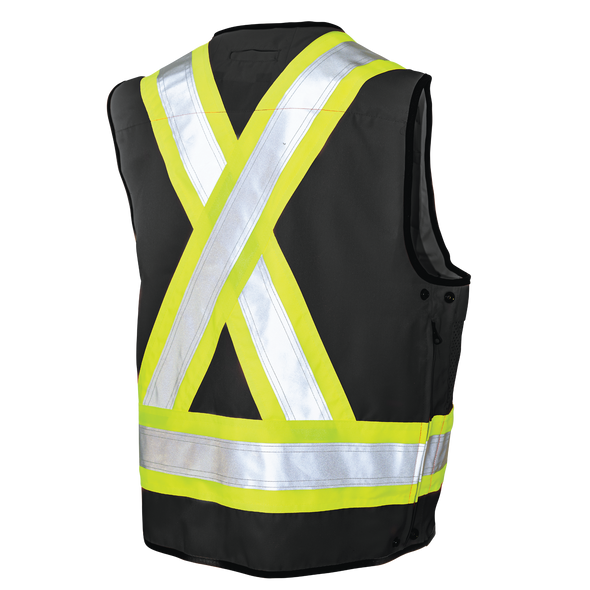
Surveyor Safety Vest | Tough Duck
Tough Duck
$70.20 - $84.60Equip yourself with the ultimate work vest designed for site managers, featuring a plethora of functional pockets, including one large enough for a tablet. Crafted from durable polyester twill, this...$70.20 - $84.60 -


Hi-Viz FR-Tech 88/12 FR/ARC Rated Surveyor's Safety Vest | Pioneer
Pioneer Workwear
$136.04Description These vests are designed with comfort and safety in mind and combine the flame resistance you need with the versatility you demand. Multiple pockets conveniently store surveying tools and...$136.04 -


Premium 1000D Surveyor Safety Vest | Viking
Viking Workwear
$150.30Description High abrasion, snagging industries due to superior tear resistance of 1000 denier fibers. Ideal for forestry, lumber yard, and construction 2″ Vi-brance® reflective tape in 4″...$150.30