

Traction Aids
Traction Aids: Ice Cleats and Winter Traction Devices for Work Boots
What Are Traction Aids?
Traction aids are removable devices, often called ice cleats, that attach to work boots to prevent slips on ice, snow, and oily surfaces. They use spikes, cleats, or textured treads that grip through slippery surface films. Straps, ratchets, or harnesses hold them securely to the boot during work.
All Safety supplies traction aids and traction devices to industrial and commercial buyers across Canada.
Key Takeaways
- Reduce slip and fall incidents on ice, snow, and oily walking surfaces during winter shifts
- Attach quickly to most work boots using elastic straps or ratchet-style harnesses
- Come in tungsten carbide, steel cleat, and rubber tread designs suited to different surfaces
- Remove easily when moving between outdoor hazards and finished indoor floors
- Require periodic inspection since worn studs and stretched straps reduce grip
- Support compliance with facility winter safety programs for outdoor and elevated work
How Traction Aids Reduce Slip Hazards on the Job
Traction devices lower slip risk by giving boots multiple contact points that bite into ice instead of sliding across it. Workers on loading docks, scaffolding, and outdoor sites face changing surface conditions throughout a shift. Winter traction aid use during these conditions helps maintain footing where standard boot soles alone are unreliable.
Without traction devices, workers moving heavy loads or working near edges face a higher chance of a fall-related injury. Many facilities pair traction aids with fall protection equipment for staff working at height in icy conditions. Traction aids also pair well with rubber safety boots used on wet industrial floors.
Steel Cleats vs Tungsten Carbide vs Rubber Tread
Traction Aid Material Comparison
| Material | Grip on Ice | Durability | Best Surface |
|---|---|---|---|
| Tungsten carbide studs | High | Long-lasting | Solid ice, packed snow |
| Steel cleats | Moderate to high | Durable | Mixed ice and rough terrain |
| Rubber tread / diamond grip | Moderate | Wears faster under heavy use | Oily or wet flat surfaces |
Tungsten carbide studs generally hold up best on pure ice, while rubber tread designs work better on oily indoor-outdoor transitions. A steel traction aid often serves as a middle option for mixed terrain.
Choosing the Right Traction Aid for Your Boots and Conditions
Selecting an ice traction aid starts with matching the attachment style and sizing to your existing safety footwear. Boot sole length, not shoe size, determines correct fit for most brands. Getting this right prevents slippage of the device itself during use.
Buying Process
- Measure boot sole length, not standard shoe size
- Identify your primary hazard: ice, packed snow, or oily surfaces
- Choose a material matched to that hazard from the comparison above
- Confirm the attachment style fits your current work boots
- Check compatibility with metatarsal guards or wide-fit boots
- Order a trial pair before committing to bulk quantities
Traction Aid Terminology
- Strap-on cleats
- Elastic-strap traction devices offering quick attachment and removal
- Chain-style traction aid
- Coiled metal chains providing broad surface contact on packed snow
- Stud-based system
- Traction aids using individual metal or carbide studs for ice penetration
- Boot sole length
- The sizing measurement traction aid manufacturers use instead of shoe size
- Heel-toe harness
- Full-foot attachment style covering both heel and toe for all-day wear
Sizing and compatibility issues are easier to avoid when boots are paired with proper insoles for work boots or boot liners, which affect internal fit and overall foot comfort in cold conditions.
Where Traction Aids Are Used
Industry Applications
- Construction: Icy scaffolding and frost-covered surfaces addressed with steel or carbide traction devices
- Utilities: Pole climbing in freezing rain supported by aggressive heel-spur traction aids
- Emergency services: Fast winter response requires quick-attach traction aids for uneven terrain
- Delivery: Repeated entry and exit from vehicles calls for lightweight, easy-release traction aids
- Forestry: Uneven, icy ground conditions pair traction aids with chainsaw and forestry footwear
- Facility maintenance: Outdoor-to-indoor transitions require removable traction aids to protect finished floors
Traction Aid FAQs
These common buyer questions cover material choice, indoor use, attachment, and surface performance for traction aids.
Are steel or tungsten traction aids better for ice?
Tungsten carbide studs generally penetrate solid ice more effectively than steel cleats and hold up longer under repeated use. Steel cleats still perform well on mixed terrain that includes packed snow or gravel. The right choice depends on which surface a worker encounters most often.
Can traction aids damage indoor flooring?
Metal studs and cleats can scratch or mark finished concrete, tile, or wood flooring if worn indoors. Most facilities require workers to remove traction aids before entering finished areas. Rubber tread designs cause less damage but still are not ideal on polished floors.
How do I attach a traction aid to safety boots?
Most traction aids stretch over the sole using an elastic harness or ratchet system that locks around the heel and toe. Boots should be dry and free of mud or ice before attachment for a secure fit. A quick walk on a safe surface confirms the device is seated correctly.
Do traction aids work on oily or wet surfaces?
Rubber tread and diamond-grip traction aids are generally better suited to oily or wet flat surfaces than metal studs. Metal cleats are designed primarily for ice and packed snow rather than liquid films. Facilities with both hazards sometimes stock two traction aid types for different areas.
Quick Selection Checklist
- Check that the traction aid material matches your primary surface hazard
- Verify the attachment system stays secure during active movement, not just standing
- Assess whether workers need traction aids seasonally or throughout the year
- Confirm budget covers expected replacement of straps, studs, or cleats over time
- Review facility policy on indoor removal to avoid flooring damage
- Confirm compatibility with existing cold climate footwear before ordering
- Assess storage and drying needs between shifts to extend product life
- Review return terms through the shipping and returns policy before bulk orders
Traction aids help workers keep their footing on ice, snow, and oily surfaces where standard boot soles fall short. Choosing between tungsten carbide, steel, and rubber tread designs depends on the surface a crew faces most often, while correct sizing by boot sole length keeps the device secure during use. Facilities that plan for regular inspection and seasonal removal indoors get the most reliable performance from their traction devices. Matching the right traction aid to the job reduces slip risk and keeps outdoor and elevated work moving safely through winter conditions.
- Product
- Qty in Cart
- Quantity
- Price
- Subtotal
-

 $27.00 - $34.20
 -

Stabil Brass Repl. Cleat (30pk)
Stabil
$24.53Keep yourself and your crew safe with Spark-Resistant Brass Replacement Cleats. Ideal for teams who work near or with flammable liquids like fuel, these cleats ensure safety and peace-of-mind...$24.53 -


Ice Diamond Replacement Spikes for Traction Aid - 6pk
Due North Traction Aids
$8.91Description Replacement tungsten carbide spikes for Due North brand traction aids Ice Diamond tungsten carbide spikes provide maximum traction to help prevent slips and falls on ice and snow...$8.91 -


STABILicers Walk Traction | Stabil
Stabil
$37.80Featuring multi-directional cleats, the STABILicers© Walk provides everyday peace-of-mind throughout the winter months. Fitting easily and securely over your shoes or boots, walk with confidence over...$37.80 -

Yaktrax Skitrax Boot Protection
Yaktrax
$25.20Yaktrax© Ski offer confidence and comfort while walking in your ski boots both on and off the mountain. Yaktrax Ski have a unique patent pending "Rocker Sole" design that promotes a natural walking...$25.20 -

WinterTrax For Her | Yaktrax
Yaktrax
$19.80Wintertrax for Her Designed for womens. the unique forefoot only coil design ensures safe and secure traction when walking in footwear with heels during the winter Easy On / Off One size fits most...$19.80 -


Diamond Grip | Icetrekkers
Stabil
$54.00Diamond Grip provides aggressive traction for all winter walking conditions, from boilerplate ice to backcountry snow and everything in between.The patented diamond shaped beads have hundreds of...$54.00 -


Yaktrax Run Traction Device
Yaktrax
$51.10The Yaktrax© Run is the only traction device anatomically designed to meet the needs of runners braving the winter elements. Run naturally on packed snow and ice with the Yaktrax Run's combination of...$51.10 -


IMPACTO Sasquatch Ice Traction Overshoes - Sandal Style Ice Cleat
Impacto Protective Products
$81.72IMPACTO Sasquatch Ice Traction Overshoes - Sandal Style Ice Cleat | Impacto IMPACTO SASQUATCHExceptional Grip & Superior StabilityFull foot ice traction cleats designed to be secured to most shoes...$81.72 -

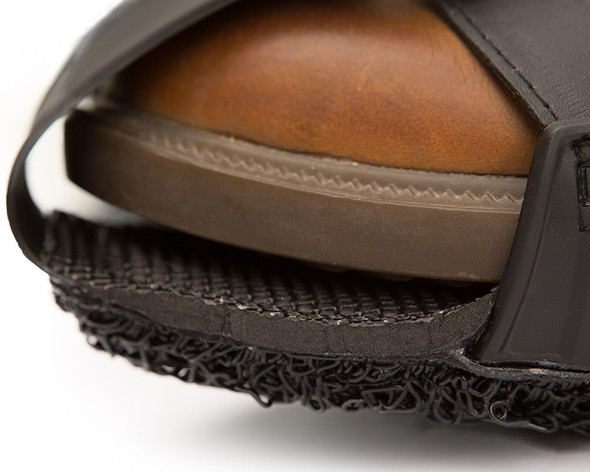
IMPACTO Ergomates Original Traction
Impacto Protective Products
$105.30IMPACTO Ergomates Original Traction | Impacto ERGOMATES ORIGINALSolution to Tired, Sore FeetEffective solution for relief of tired, sore, feet, knees and back improving safety and comfort. Allows the...$105.30 -


K1 Heelstop - Anti-Slip Heel Traction Aid
K1 Traction Aids
$52.20Description Built with the toughest materials the K1 Series Heelstop is made with ice-penetrating tungsten carbide spikes TR freeze-resistant rubber and reflective hi-viz strips. Ice-penetrating...$52.20 -


Everyday G3 Winter Traction Aid | DUE NORTH
Due North Traction Aids
$30.85Description Designed for running walking or working while keeping you safe and secure in ice or snow. The Everyday G3 provides the grip that won’t let you slip. Preformed molded construction for...$30.85 -

Stabil Cleat Wrench
Stabil
$10.80Our Cleat Wrench makes it easy for you to replace your ice and snow cleats. Whether on-the-go or at home, the wrench is compact and lightweight, small enough to carry in a bag or keep in your glove...$10.80 -

Stabil Steel Repl. Cleat (30pk)
Stabil
$18.00Our Sport Replacement Ice Cleat pack includes 30 cleats for use with the Maxx2, Run, Heel, Hike XP, and Overshoe. Featuring heat-treated steel that cuts into ice and snow with ease, uneven terrain...$18.00 -


K1 Series SG1 Traction Aids | K1 Traction Aids
K1 Traction Aids
$62.08Description K1 Series® SG1 traction aids help prevent slips and falls on wet oily greasy and even soapy surfaces. The full foot design is made with an oil-resistant material and features a unique...$62.08 -

IMPACTO STRIDE - Maximum Full Boot Traction with Brass Cleats
Impacto Protective Products
$60.84IMPACTO STRIDE - Maximum Full Boot Traction with Brass Cleats | Impacto Made of proprietary Thermo Plastic Elastometer (TPE) that performs to -45 degrees. Deep toe and heel pockets designedfor steel...$60.84