

Markers
What Are Traffic Markers: Complete Guide
Traffic markers are durable visual guides that delineate roadways, parking areas, and work zones to improve safety and traffic flow. These devices include highway posts, culvert markers, pavement markers, and delineator posts that help drivers navigate roads in various weather and lighting conditions. Businesses use markers to meet transportation safety requirements while reducing accident risks in commercial properties, construction sites, and public roadways.
Key Takeaways About Traffic Safety Markers
- Traffic markers provide essential visual guidance that helps drivers navigate safely in low visibility conditions and complex road environments
- Highway post markers typically stand 66 inches tall and use reflective materials to remain visible during nighttime and adverse weather
- Culvert markers alert drivers to drainage structures and roadside hazards using high-visibility orange fiberglass or steel construction
- Pavement markers include raised reflective devices and chip seals that create tactile and visual lane delineation on road surfaces
- Parking lot markers like car stops and speed bumps control vehicle movement and protect pedestrians in commercial properties
- Material selection between fiberglass, steel, and rubber affects durability, cost, and maintenance requirements for different applications
- Regular inspection and replacement of damaged markers maintains compliance with transportation safety standards and prevents liability issues
Where to Use Traffic Markers in Your Business
Highway and Road Applications
Transportation departments use highway post markers along rural roads and highways to guide drivers where painted lines become obscured by snow, rain, or darkness. These posts mark road edges, curve approaches, and lane divisions on roads that lack continuous lighting. Municipalities install culvert markers at drainage crossings to prevent vehicles from striking infrastructure that extends near travel lanes. Construction companies place temporary markers around work zones to redirect traffic safely away from equipment and workers.
Commercial Property Management
Parking lot managers install car stops at space ends to prevent vehicles from damaging buildings, landscaping, or pedestrian walkways. Speed bumps control traffic speeds in areas where pedestrians and vehicles share space, such as shopping centers, apartment complexes, and industrial facilities. Property management companies use pavement markers to define traffic safety equipment zones including fire lanes, accessible parking spaces, and loading dock areas. Warehouses employ markers to separate vehicle traffic from forklift operating areas and pedestrian pathways.
Specialized Industrial Uses
Oil and gas sites use markers to delineate haul roads and equipment staging areas on temporary work locations. Mining operations install durable markers along access roads that experience heavy vehicle traffic and harsh environmental conditions. Airport ground crews place markers around taxiway delineators and safety equipment to guide service vehicles near aircraft. Port facilities mark container storage areas and truck routing paths using highly visible markers that withstand constant vehicle movement and weather exposure.
How to Choose Traffic Markers: Buying Guide
Selection Process for Optimal Performance
Choosing appropriate markers requires matching product specifications to your specific application and environmental conditions. Consider installation location, traffic volume, weather exposure, and regulatory requirements when selecting markers. The decision between temporary and permanent installation affects material choice and mounting methods. Budget considerations must balance initial cost against expected lifespan and maintenance requirements.
- Identify primary use: roadway edge, curve warning, culvert location, or parking control
- Assess visibility needs: daytime only or 24-hour reflective requirements
- Evaluate installation surface: asphalt, concrete, gravel, or soil conditions
- Determine traffic exposure: light passenger vehicles or heavy commercial trucks
- Check compliance requirements: local transportation standards and regulations
- Compare material durability: fiberglass flexibility vs steel strength vs rubber resilience
- Calculate total cost: purchase price plus installation labor and ongoing maintenance
Material Considerations
Fiberglass markers offer excellent flexibility that allows them to bend under impact and return to position, reducing replacement frequency in high-traffic areas. Steel markers provide superior strength for locations requiring maximum durability against deliberate damage or extreme weather conditions. Rubber products like car stops and speed bumps absorb impact energy while remaining securely anchored to pavement surfaces. Reflective materials embedded in or applied to markers determine nighttime visibility, with higher-grade sheeting providing better performance but increased cost.
Key Features of Traffic Markers Explained
Visibility Enhancement Technology
Reflective sheeting applied to markers returns light from vehicle headlights directly back to drivers, making markers visible from greater distances than non-reflective alternatives. Color selection follows standardized conventions where yellow indicates caution, orange marks temporary conditions or construction, and white defines lane edges and boundaries. Height specifications ensure markers remain visible above snow accumulation and road debris common in your geographic area. Some markers incorporate multiple colors or reflective tape patterns to convey specific warnings about road conditions or hazards.
Structural Durability Features
Weather-resistant construction protects markers from UV degradation, temperature extremes, moisture intrusion, and chemical exposure from road treatments. Impact resistance allows markers to withstand strikes from vehicles, maintenance equipment, and snow removal operations without complete failure. Mounting systems secure markers against wind forces, vehicle wash, and vibration from passing traffic. Flexible materials reduce brittle failure in cold temperatures while maintaining sufficient rigidity to stay upright during normal conditions. Corrosion-resistant hardware ensures long-term attachment integrity on steel and composite markers.
Installation and Maintenance Design
Some markers feature pre-drilled mounting holes that simplify installation and ensure proper spacing between attachment points. Replaceable reflective components allow refreshing visibility without replacing entire marker assemblies. Weight distribution in base-mounted markers provides stability without requiring deep embedment or complex foundation work. Modular designs enable damaged sections to be replaced individually rather than discarding complete assemblies. Surface preparation requirements vary by marker type, with some products adhering directly to clean pavement while others require anchor bolt installation.
Commercial Road Marking Uses for Traffic Markers
Professional Transportation Applications
Highway maintenance crews install markers systematically along rural routes where continuous painted lines prove impractical due to heavy snow accumulation or infrequent road resurfacing. Traffic engineers specify marker spacing based on road geometry, with closer intervals on curves and at potential confusion points where multiple routes converge. Emergency responders rely on consistently placed markers to navigate unfamiliar roads during nighttime or poor weather responses. Road construction contractors use markers to create temporary traffic patterns that guide vehicles through work zones while protecting crews and equipment.
Workplace Safety Implementation
Facility managers implement marker systems that coordinate with safety signage and lockout protocols to create comprehensive site traffic control. Industrial sites with mixed vehicle and pedestrian traffic use distinct marker colors and styles to designate vehicle-only zones separate from walking paths. Loading dock managers install car stops precisely positioned to align truck beds with dock plates while preventing structural damage. Security operations place markers to define vehicle inspection queues and screening areas at facility access points. Logistics coordinators use pavement markers to designate specific parking locations for different vehicle types or delivery schedules.
Industry-Specific Applications for Traffic Markers
- Municipal Transportation: Cities face budget constraints for road maintenance and use durable markers to supplement painted lines where frequent repainting proves cost-prohibitive, particularly on roads with heavy truck traffic that quickly wears painted surfaces
- Construction Management: General contractors must redirect traffic around active work zones and rely on temporary markers that provide clear guidance while withstanding movement by heavy equipment and harsh job site conditions
- Property Management: Multi-tenant commercial properties need clearly marked parking areas to prevent tenant disputes and use car stops with high-visibility yellow striping patterns similar to barricade materials that remain visible during snow coverage
- Warehouse Operations: Distribution centers with high forklift traffic require robust floor markers that withstand constant vehicle passes while clearly delineating pedestrian walkways, loading zones, and equipment storage areas
- Educational Facilities: School districts install speed bumps and clear pavement markers in drop-off zones to control traffic flow during peak periods when hundreds of vehicles navigate confined areas with children present
- Healthcare Campuses: Hospital complexes use comprehensive marker systems to guide emergency vehicles, patient transport, and visitor traffic through complex layouts where confusion could delay critical care delivery
Everyday Road Marker Maintenance and Care
Routine Inspection Practices
Regular visual inspections identify markers that have lost reflectivity, sustained damage, or shifted from original positions before they compromise safety. Cleaning markers removes dirt, road grime, and organic growth that reduces visibility, with simple washing typically restoring reflective performance. Snow removal operations often damage markers, making post-winter inspection particularly important for identifying replacements needed before summer traffic increases. Vegetation management around roadside markers maintains clear sight lines and prevents obscured visibility as plants grow during spring and summer months.
Replacement Timing and Indicators
Markers typically last three to seven years depending on material quality, traffic exposure, weather conditions, and maintenance practices. Reflective sheeting degrades faster than structural components, sometimes requiring reflector replacement while marker posts remain serviceable. Cracked, bent, or heavily faded markers should be replaced promptly as they provide diminished guidance value and may create liability concerns if accidents occur in poorly marked areas. Missing markers leave gaps in delineation systems that confuse drivers and increase accident risk, particularly during adverse weather when visibility is already compromised. Professional transportation managers schedule systematic replacement programs rather than waiting for complete failure of individual markers.
Seasonal Considerations
Winter conditions demand special attention as snow plows strike markers, ice formation affects mounting integrity, and salt exposure accelerates corrosion on metal components. Spring inspections should address accumulated winter damage before increased traffic during construction season. Summer heat can affect adhesive-mounted markers, requiring inspection of bond integrity on pavement-mounted products. Fall preparations include cleaning markers to maximize visibility during winter months when daylight hours decrease and weather conditions deteriorate. Storm damage assessments after significant weather events identify markers requiring immediate replacement to maintain safe traffic guidance.
Highway Delineation Safety Standards and Certifications
Transportation Compliance Requirements
Transportation markers used on public roads generally must meet retroreflectivity standards that ensure adequate visibility under vehicle headlight illumination during nighttime conditions. ASTM specifications define performance criteria for reflective materials, structural strength, and environmental resistance that quality markers satisfy. Many jurisdictions adopt Manual on Uniform Traffic Control Devices (MUTCD) guidelines that specify appropriate marker types, placement intervals, and color conventions for different roadway applications. Highway departments typically require markers to demonstrate specific impact resistance and weather durability through standardized testing before approving products for roadway installation.
Best Practice Recommendations
Transportation professionals recommend selecting markers with reflectivity ratings appropriate for traffic speeds and volumes on marked roadways, with higher-performance materials justified on high-speed routes. Proper installation following manufacturer specifications ensures markers perform as designed, with attention to mounting depth, surface preparation, and hardware tightening. Documentation of marker installation dates and locations supports systematic maintenance programs that replace aging markers before failure. Industry experts suggest maintaining spare marker inventory to enable prompt replacement of damaged units without waiting for procurement delays. Quality assurance includes periodic nighttime visibility assessments that verify markers provide adequate guidance under actual use conditions.
Workplace Safety Integration
Commercial properties implement marker systems that align with facility safety signage and communication standards to create comprehensive traffic control. Combining markers with proper lighting, clear signage, and worker visibility through high-visibility apparel creates layered safety systems more effective than individual measures. Regular safety audits should include marker condition assessment as part of comprehensive site traffic management reviews. Employee training on traffic patterns reinforces physical marker guidance, particularly in areas with complex routing or shared vehicle-pedestrian spaces.
Traffic Marker Pricing: Budget vs Premium Options
Cost Factors and Considerations
Basic pavement markers start around two dollars for simple chip seals, while highway posts typically range from thirty to fifty dollars depending on height and reflectivity. Specialized markers like steel culvert markers or commercial-grade speed bumps cost between one hundred and three hundred dollars based on size and material specifications. Installation labor often equals or exceeds product cost, particularly for markers requiring concrete embedment or bolt anchoring into existing pavement. Volume purchases generally reduce per-unit costs, making systematic replacement programs more economical than small emergency orders.
Value Assessment
Premium markers with superior reflective materials and durable construction cost more initially but often provide better long-term value through extended service life and reduced replacement frequency. Cheaper alternatives may require replacement within two to three years, while quality markers often function effectively for five to seven years or longer. Material selection affects lifecycle costs, with durable products like quality wheel chocks and markers justifying higher initial investment through reduced maintenance. Geographic factors influence value calculations, as harsh winter climates accelerate marker degradation and favor more durable options despite higher upfront costs.
Ongoing Cost Considerations
Maintenance costs include periodic cleaning, vegetation control around roadside markers, and eventual replacement of worn reflective components or complete assemblies. Poor-quality markers that fail prematurely create unexpected replacement costs and potential safety gaps between failure and replacement. Damage from snow removal operations, vehicle strikes, or vandalism generates unplanned costs that vary significantly by location and marker quality. Budget planning should include reserves for emergency replacements following storms or accidents that damage multiple markers simultaneously. Professional installation reduces future maintenance costs by ensuring proper anchoring and positioning that minimizes premature failure.
Smart Marker Selection Checklist
- Check reflectivity ratings match nighttime visibility needs for traffic speeds and volumes on your roads or property
- Verify material specifications provide adequate durability for local weather conditions including temperature extremes and precipitation
- Assess installation requirements and ensure you have appropriate equipment or contractor access for proper mounting
- Confirm color and style selections comply with local transportation standards and conventional traffic control practices
- Evaluate total lifecycle cost including purchase price, installation labor, expected lifespan, and maintenance requirements
- Review mounting compatibility with your existing surface conditions whether asphalt, concrete, or other materials
- Inspect existing markers quarterly for damage, reduced visibility, or displacement that compromises safety guidance
- Maintain replacement inventory of commonly used marker types to enable prompt repairs without procurement delays
Traffic markers provide essential guidance that improves navigation safety and reduces accidents across roadways, parking facilities, and industrial properties. Selecting appropriate marker types based on application requirements, environmental conditions, and regulatory standards ensures optimal performance and compliance. Regular inspection and timely replacement maintains marker effectiveness throughout their service life while controlling long-term costs. Quality markers from professional suppliers deliver reliable visibility and durability that protects drivers, pedestrians, and property while meeting transportation safety obligations. All Safety specializes in traffic markers for commercial and industrial applications, offering highway posts, culvert markers, pavement markers, and parking control products that meet North American safety standards. Information current as of October 1, 2025.
- Product
- Qty in Cart
- Quantity
- Price
- Subtotal
-

Culvert Marker - 6' Fiberglass Orange
$49.20A 6' long culvert marker in orange. This fiberglass rod is spring loaded. More Info Product Category for Primary Application Road crews and municipal workers working in rural and urban...$49.20 -

Culvert Marker - 3' Steel
$168.30A 3' long culvert marker. This spring loaded steel rod has a red patch in high intensity facing. More Info Traffic Safety Equipment for Roadside Marking Road crews, flaggers, and municipal...$168.30 -

Chip Seals - Yellow Two Side
$2.04Used worldwide today, the TRPM marker still leads the way as the most reliable product for this retaining the original lane line location in bituminous surface treatments.In an era of decreased...$2.04 -

66'' Highway Post Byb
$32.33Highway delineator post - a white post with a black top and a diamond grade yellow stripe. Facing : 3M Diamond Grade (DG) Size (inches) : 66 Type : Highway Delineator$32.33 -

66'' Highway Post Bwb
$32.33Highway delineator post - a white post with a black top and a diamond grade white stripe. Facing : 3M Diamond Grade (DG) Size (inches) : 66 Type : Highway Delineator$32.33 -
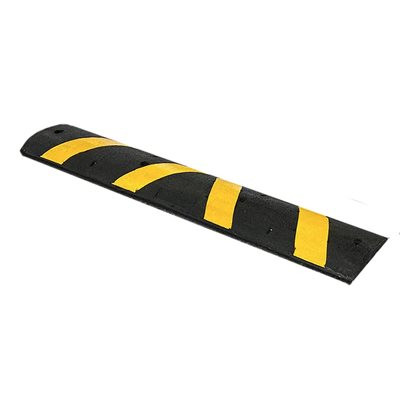
6' Speed Bump - Yellow Stripe
$214.61Rubber speed bumps are a fraction of the weight of concrete and can be installed by one person making them perfect for temporary use at an event. They are durable, long lasting and crack resistant...$214.61 -

Car Stop - 6' - Yellow Stripe
$118.03Use car stops in parking lots and garages to delineate spaces and protect garage walls. Resources: Plasticade Speed Bumps Speed Humps Car Stops Overview.pdf$118.03