

FR Clothing
What Is FR Clothing?
FR clothing — short for flame-resistant clothing — is specialized protective workwear that self-extinguishes when an ignition source is removed, preventing the garment from continuing to burn. Also called fire-resistant clothing, FR workwear protects workers in oil and gas, electrical utilities, welding, and chemical manufacturing from flash fire and arc flash thermal hazards. FR coveralls represent one of the most common garment types in full-body protection programs.
All Safety supplies FR clothing and flame-resistant workwear to industrial and commercial buyers across Canada.
Key Takeaways About FR Clothing and Flame-Resistant Workwear
- FR clothing self-extinguishes when the ignition source is removed, preventing the garment from becoming a secondary burn source and giving workers time to escape.
- Two distinct hazard categories require FR protection: flash fire (governed by CAN/CGSB-155.20 and NFPA 2112) and arc flash (governed by CSA Z462 and ASTM F1506).
- CAN/CGSB-155.20 limits predicted body burn to a maximum of 40% and requires garments to maintain protection through a minimum of 50 wash cycles.
- Arc-rated clothing carries an ATPV rating expressed in cal/cm², which represents the energy level at which the garment provides a 50% probability of preventing a second-degree burn.
- Inherently resistant fibers maintain flame resistance throughout the garment's life; chemically treated fabrics can lose protection if washed incorrectly or with incompatible products.
- FR clothing must not be worn over non-FR base layers in flash fire environments, as synthetic underlayers can melt and worsen burn injuries.
- A workplace hazard assessment must precede garment selection — flash fire and arc flash require different standards, different test methods, and different garment ratings.
How FR Fabric Protects Workers From Thermal Hazards
FR workwear interrupts the combustion cycle rather than simply resisting ignition. When exposed to heat or flame, the fabric chars rather than melting or continuing to burn, creating an insulating barrier between the heat source and the wearer's skin. This char barrier buys workers the seconds needed to move away from the hazard before a burn injury can progress to deeper tissue.
FR Clothing Fabric Terminology
- Self-extinguishing
- The property of FR fabric that causes it to stop burning within a defined time after the ignition source is removed. Self-extinguishing behavior is the core performance requirement tested under CAN/CGSB-155.20 and NFPA 2112.
- Char barrier
- The carbonized layer that forms on FR fabric surface when exposed to flame. The char barrier insulates the wearer's skin from thermal energy and prevents the garment from dripping molten material onto the skin, which is the primary mechanism of severe contact burns.
- Inherently resistant fiber
- A fiber whose molecular structure is flame-resistant without chemical treatment — such as Nomex or Kevlar. Inherently resistant fibers maintain their protective properties through repeated washing and do not degrade with laundering cycles.
- Treated fabric
- A standard fiber such as cotton that has received a flame-resistant chemical treatment during manufacturing. Treated fabrics meet the required wash-cycle durability thresholds when laundered per manufacturer specifications, but bleach and fabric softeners can degrade the treatment.
Selecting between inherently resistant fibers and treated fabrics depends on wash program control, exposure frequency, and garment lifespan requirements. Both types can meet CAN/CGSB-155.20 when new; the difference emerges over the garment's service life under real laundry conditions. Browse FR shirts to compare fabric options across current stock.
FR Clothing Ratings and Canadian Compliance Standards
FR clothing in Canada falls under two distinct regulatory frameworks depending on the thermal hazard. Flash fire protection is governed by CAN/CGSB-155.20, which is the primary Canadian standard, with NFPA 2112 as the widely referenced US equivalent for cross-border operations. Arc flash protection for workers performing energized electrical work is governed by CSA Z462, with ASTM F1506 as the garment performance standard and NFPA 70E as the US equivalent.
Flash Fire vs Arc Flash: Different Hazards, Different Standards
Flash fire FR clothing, certified to CAN/CGSB-155.20, is tested for self-extinguishing performance and limits predicted body burn to a maximum of 40% in a standardized flame exposure. NFPA 2112-compliant garments meet the same functional threshold and are accepted in Canadian workplaces where the Canadian standard is not explicitly mandated. OSHA fire resistant clothing requirements in the US reference NFPA 2112 for hydrocarbon industries, making dual-compliant garments practical for cross-border operations.
Arc-rated clothing, governed by CSA Z462, carries an ATPV (Arc Thermal Performance Value) rating in cal/cm². The ATPV represents the incident energy level at which the garment provides a 50% probability of preventing a second-degree burn. FR clothing rated only to CAN/CGSB-155.20 or NFPA 2112 is not necessarily arc-rated — buyers must confirm the ATPV value appears on the label before assigning arc flash PPE. Browse FR jackets and parkas for arc-rated outer layer options.
Selecting and Caring for FR Clothing in Industrial Programs
Selecting FR clothing starts with the hazard assessment — identifying whether the primary risk is flash fire, arc flash, or both, then matching the required standard and rating to each job task. A garment meeting CAN/CGSB-155.20 for flash fire does not automatically satisfy CSA Z462 arc flash requirements, and vice versa. Workers facing both hazard types need garments that carry ratings under both standards.
FR Clothing Care: Washing and Inspection Requirements
FR clothing must be laundered per manufacturer specifications to maintain protective properties. Avoid fabric softeners, bleach, and starch products — these can degrade chemical flame-resistant treatments and compromise garment performance. Industrial laundry services with validated FR programs offer the most reliable compliance path for large workforces. Inspect garments before each use for holes, thinning, chemical contamination, or permanent staining that indicates thermal or chemical degradation. Welding apparel paired with FR base layers requires the same laundering discipline, as contamination from welding residues can affect FR performance.
FR Clothing Buying Process: Step-by-Step
- Complete a workplace hazard assessment identifying whether flash fire, arc flash, or both hazards are present.
- Determine the required standard: CAN/CGSB-155.20 for flash fire; CSA Z462 and ASTM F1506 for arc flash.
- Confirm the required ATPV rating in cal/cm² for arc flash tasks based on incident energy analysis.
- Select garment type — coverall, shirt, pants, jacket — based on coverage requirements and layering needs.
- Verify fiber type (inherently resistant vs treated) against your laundry program's capability and wash cycle volume.
- Confirm garment labels carry the correct standard certification and rating before issuing to workers.
- Establish a documented inspection and replacement schedule based on manufacturer wear criteria.
Frequently Asked Questions: FR Clothing and Flame-Resistant Workwear
What laundry products damage FR clothing?
Fabric softeners, chlorine bleach, and starch products can degrade chemical flame-resistant treatments on treated-fabric FR garments. Hydrogen peroxide-based bleach is generally acceptable but must be confirmed against the manufacturer's care label. Inherently resistant fiber garments are less sensitive to laundry chemistry, but all FR clothing must still be washed per the manufacturer's stated procedures to maintain certification compliance.
When should FR clothing be removed from service?
Remove FR clothing from service when it shows holes, thinning fabric, permanent hydrocarbon or chemical contamination, melted areas, or any damage that compromises fabric integrity. Fading alone does not indicate lost protection for inherently resistant fibers, but heavy fading on treated fabrics may signal treatment degradation. CAN/CGSB-155.20 requires garments to maintain protection through a minimum of 50 wash cycles — garments beyond this threshold should be retested or replaced per program policy.
How do I read an ARC rating on FR clothing?
An ARC rating, or ATPV, is expressed in cal/cm² and represents the incident energy level at which the garment offers a 50% probability of preventing a second-degree burn. A higher ATPV means protection against higher-energy arc flash events. Match the garment ATPV to the incident energy value calculated in your arc flash hazard analysis — the garment rating must equal or exceed the calculated incident energy at the work location.
What is the difference between FR clothing and fire retardant clothing?
FR clothing is a broad term covering both inherently resistant and chemically treated garments that self-extinguish reliably. "Fire retardant" typically refers to chemically treated fabrics where the treatment can wash out over time if laundering instructions are not followed. CAN/CGSB-155.20 and NFPA 2112 set minimum wash-cycle durability requirements precisely to address this risk — compliant garments must maintain protection through at least 50 wash cycles regardless of the fabric technology used.
Industries That Require FR Clothing and Why
Industrial FR clothing requirements follow the thermal hazard, not the industry label. Any workplace where workers face flash fire or arc flash exposure requires FR workwear. The hazard assessment determines the applicable standard and required rating for each job task.
FR Clothing Applications by Industry
- Oil and Gas: Hydrocarbon flash fire risk during drilling, production, and maintenance operations requires CAN/CGSB-155.20 or NFPA 2112-compliant FR clothing for all personnel in the hazard zone.
- Electrical Utilities: Workers performing energized electrical work require arc-rated clothing meeting CSA Z462, with ATPV matched to the incident energy calculated for each task.
- Welding and Metal Fabrication: Spark and spatter exposure requires FR clothing with enhanced durability; FR bib pants and overalls protect legs from ground-level spatter during fabrication work.
- Chemical Processing: Facilities handling flammable liquids or gases require industrial FR clothing that combines flash fire protection with chemical splash resistance for workers near process equipment.
- Mining: Underground methane and coal dust environments create flash fire risk; miners require inherently resistant fiber FR clothing rated to withstand ignition in low-oxygen atmospheres.
- Steel and Foundry: Radiant heat and molten metal splash require FR outer layers with high thermal resistance; layering systems combine FR base layers with aluminized outer protection for furnace proximity work.
- Grain Handling and Agriculture: Grain dust creates flash fire and explosion hazards in enclosed storage and processing facilities, requiring FR workwear for workers operating near ignition sources.
Building an FR Uniform Program for Your Workforce
An FR uniform program standardizes garment selection, laundering, inspection, and replacement across a workforce, ensuring every worker consistently wears compliant FR clothing for their specific hazard. Without a managed program, garment mix-and-match between flash fire and arc flash ratings creates compliance gaps that a hazard assessment alone cannot close.
FR Uniform Program Components
A functional FR uniform program covers hazard mapping by job role, garment specification by standard and ATPV, an approved laundry process, a documented inspection cycle, and replacement criteria tied to wash count and visible wear. For organizations managing multiple sites or large headcounts, managed uniform programs handle garment specification, issuance, and replacement tracking on behalf of the safety team. Safety equipment inspection services can integrate FR garment audits into existing compliance inspection cycles.
Quick Selection Checklist for FR Clothing
- Verify the garment carries the correct standard: CAN/CGSB-155.20 for flash fire or CSA Z462 and ASTM F1506 for arc flash.
- Confirm the ATPV rating in cal/cm² meets or exceeds the incident energy calculated for the work task.
- Check that the garment label specifies fiber type and lists approved laundry procedures.
- Assess whether the garment provides full coverage for the exposure area, including sleeve length and collar height.
- Review total program cost including laundering, inspection, and replacement cycles, not garment purchase price alone.
- Confirm the laundry program avoids fabric softeners, chlorine bleach, and starch that degrade FR treatments.
- Verify garments are inspected before each issue for holes, contamination, thinning, or melted areas.
- Review wash cycle count against the CAN/CGSB-155.20 minimum 50-wash durability threshold and establish replacement triggers.
FR clothing protects workers from flash fire and arc flash burn injuries by self-extinguishing on contact with flame and forming a char barrier that slows heat transfer to skin. Selecting the right flame-resistant clothing requires identifying the specific thermal hazard, matching the garment to CAN/CGSB-155.20 for flash fire or CSA Z462 for arc flash, and maintaining garments through a documented laundry and inspection program. A managed FR uniform program eliminates the compliance gaps that occur when garment selection and care are left to individual workers. All Safety stocks FR shirts, coveralls, jackets, pants, and accessories from established manufacturers, with uniform program support for operations managing FR clothing at scale.
-
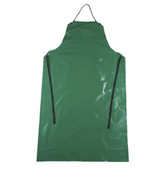 FR Aprons
-
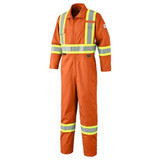 FR Coveralls
-
 FR Headwear
-
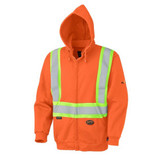 FR Hoodies
-
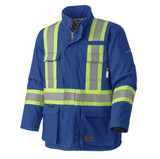 FR Jackets and Parkas
-
 FR Overalls/FR Bib Pants
-
 FR Pants
-
 FR Rain Wear
-
 FR Shirts
-
 FR Vests
- Product
- Qty in Cart
- Quantity
- Price
- Subtotal
-

Guardian Lite FR Disposable Coveralls | FR Fabric | Atlas Workwear
Atlas Workwear
$8.10NFPA 2113 2020 Sizes: XS-7XL Guardian® Lite FR Fabric Elastic Cuff Wrist, Ankles & Hood Relaxed Fit for Higher Range of Motion in the Arms, Legs and Neck Full Zipper Closure with Double Sided Tape Must be worn over NFPA 2112 Certified...$8.10 -
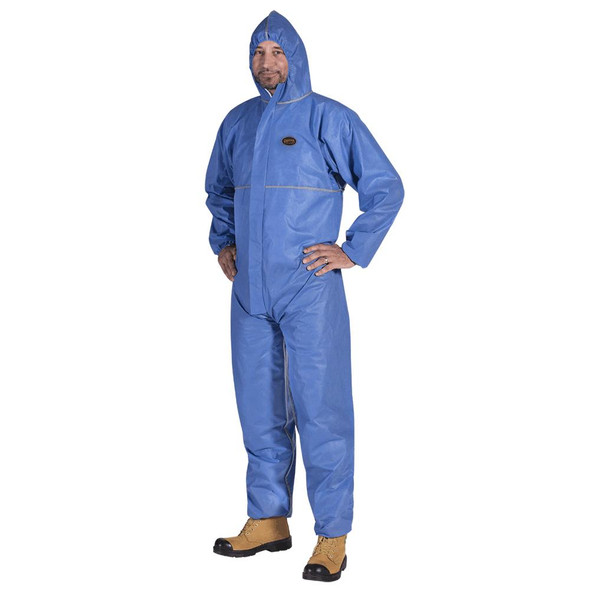
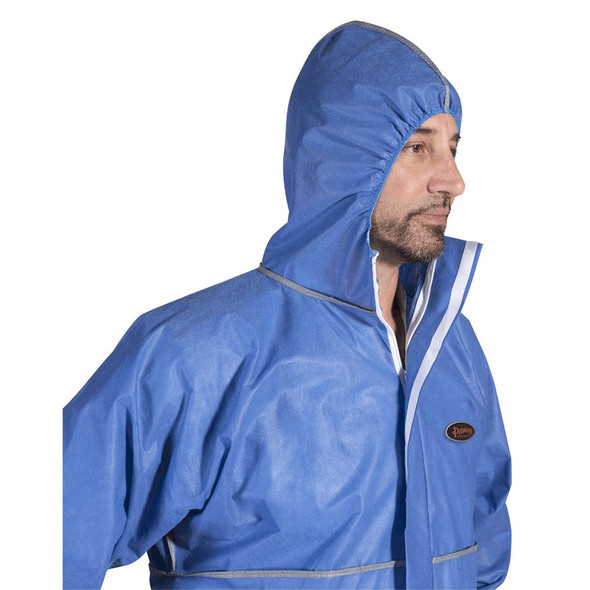
FSR SMS Disposable Coveralls – Zipper Closure | Pioneer
Pioneer Workwear
$8.51Description Disposable coveralls that offer complete protection from front to back and top to bottom. Designed for comfort the elastic waist wrists and ankles promote freedom of movement and an improved hood and neck design reduces leakage points to...$8.51 -

Guardian Pro FR Disposable Coveralls | FR Fabric | Atlas Workwear
Atlas Workwear
$12.24 - $18.00ANSI/ISEA 203 NFPA 2113 2020 Sizes: S-7XL Guardian® Pro FR Fabric Elastic Cuff Wrist, Ankles & Hood Relaxed Fit for Higher Range of Motion in the Arms, Legs and Neck Full Zipper Closure with Double Sided Tape Must be worn over NFPA 2112...$12.24 - $18.00 -

FR Neck Warmer | FR/AR Protection | Atlas Workwear
Atlas Workwear
$12.60UL Certified to NFPA 2112 Dual Hazard FR/AR Protection These garments meet the requirements of NFPA 2112, NFPA 70E, ASTM F1506, CAN/CGSB 155.20, CSA Z462, EN ISO 11611 Class 1 901NB, 902NB, 903NB: Pre-shrunk 60% Modacrylic 40%...$12.60 -

FR Beanie | FR/AR Protection | Atlas Workwear
Atlas Workwear
$16.20UL Certified to NFPA 2112Dual Hazard FR/AR ProtectionPre-Shrunk 60% Modacrylic 40% Cotton View Product Details PDF More Info FR Beanie for Hazardous Workwear Applications The FR beanie is a protective headwear option designed for cold-weather...$16.20 -

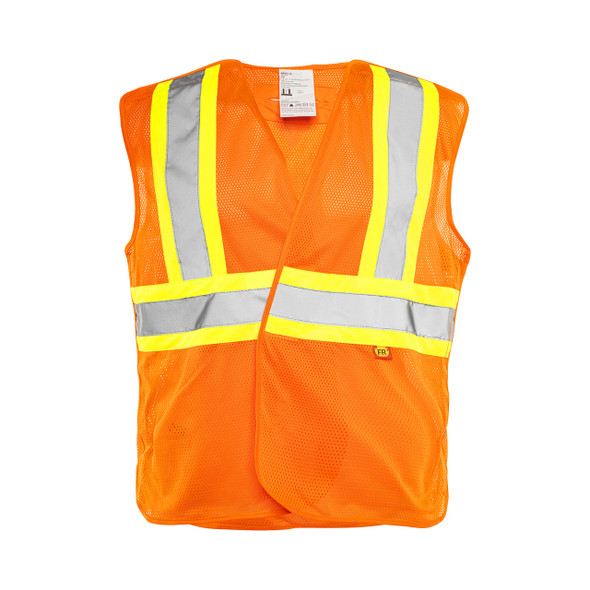
Half Size Mesh FR 5Pt Tearaway Vest | Ground Force
Ground Force
$16.83Half Size Mesh FR 5Pt Tearaway Vest | Ground Force Made with breathable HI-VIS Polyester FR mesh fabric 4contrasting colour tape with 2reflective silver tape on front, back and waist provides increased visibility Adjustable front hook and loop...$16.83 -
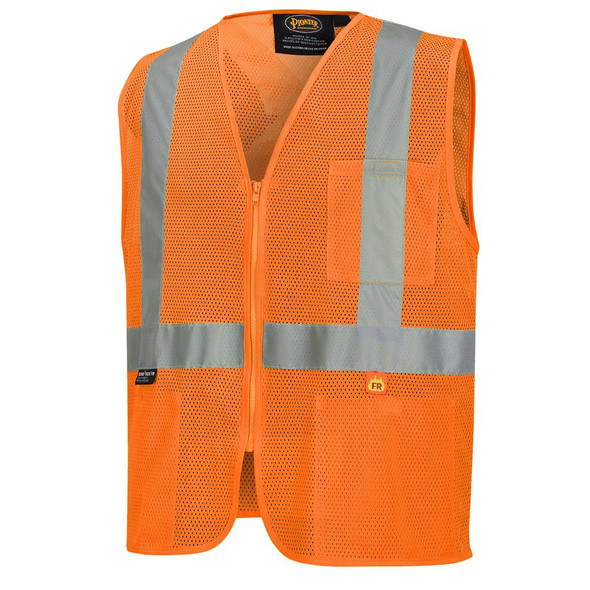

FR Hi-Viz Mesh Safety Vest with 2" Tape | Pioneer
Pioneer Workwear
$17.75Description This Pioneer Class 2 Hi-Vis vest is made with a durable and breathable self-extinguishing polyester mesh material and provides maximum visibility for any job day or night. Made from 100% self-extinguishing polyester mesh material Premium...$17.75 -

FR Polyester Bib-Style Safety Apron | 48" x 36" | SCN
$19.28FR Polyester Bib-Style Safety Apron | 48" x 36"| SCN These heavy-duty bib-style safety aprons protect the user against possible spills, burns, and abrasions that may occur in the workplace. Designed with fire-retardant...$19.28 -

FR Hi-Vis Tear-Away Safety Vest | Viking
Viking Workwear
$21.42Description Fully compliant with CSA Z96-22 Class 2, Level 2 Fully compliant with ANS/ISEA 107-2020 Type R, Class 2, ASTM D6413 (FR) Tested in accordance with test method CAN/CGSB-4.2 No.27.10 & ASTM D6413 flame resistance, self-extinguishing for...$21.42 -


Flame-Resistant Surveyor Vest Meets CSA Z96 Class 2 - Level 2 | Zenith
Zenith
$23.38Lightweight and comfortable, fluorescent FR-treated polyester mesh fabric provides daytime visibility and flame resistance 4" yellow/silver reflective stripes offer maximum night-time visibility 5-point tear-away feature on shoulders, sides and front...$23.38 -

FR Balaclava | FR/AR Protection | Atlas Workwear
Atlas Workwear
$23.40UL Certified to NFPA 2112 Dual Hazard FR/AR Protection These garments meet the requirements of NFPA 2112, NFPA 70E, ASTM F1506, CAN/CGSB 155.20, CSA Z462, EN ISO 11611 Class 1 901NB, 902NB, 903NB: Pre-shrunk 60% Modacrylic 40%...$23.40 -

FR Neck Warmer & Windguard | Nomex | Pioneer
Pioneer Workwear
$23.98Description Neck warmers made with soft and durable micro fleece and designed to slide over the head to protect the neck chin and lower face from wind and cold. Exceptionally soft material if lightweight comfortable and warm Pull-on closure for easy...$23.98 -
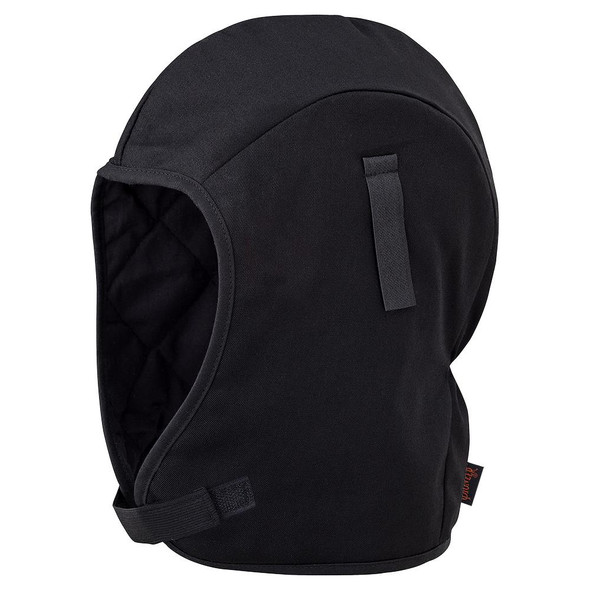

Fire Resistant Quilted Hard Hat Liner | FR OSFA | Pioneer
Pioneer Workwear
$25.06Description Hard hat liners fit under or around hard hats to keep workers comfortable in cold temperatures. Conveniently fits inside hard hats helmets bump caps and non-protective headwear Special lining provides warm and comfortable protection from the...$25.06 -

411 Tornado Yellow Fire Retardant Suit
WASIP
$28.44411 Tornado Yellow Fire Retardant Suit | PIO WASIPPut It On's commitment to quality extends to the materials used in our industrial rainwear, ensuring you get the best in safety and comfort.Industrial, construction-grade fire retardant...$28.44 -


Fire Resistant 3-Piece PVC Rain Suit | Yellow | Pioneer
Pioneer Workwear
$29.09Description 2 pieces: jacket with zip and snap front placket detachable snap hood and bib pant with self fabric suspenders 2 patch pockets 100% waterproof .35 mm FR treated PVC/poly/PVC Meets CGSB 155.20 2000 Type 3 Technical...$29.09 -


FR Quilted Hard Hat Liner with Mouthpiece | FR OSFA | Pioneer
Pioneer Workwear
$29.72Description Hard hat liners fit under or around hard hats to keep workers comfortable in cold temperatures. Conveniently fits inside hard hats helmets bump caps and non-protective headwear Special lining provides warm and comfortable protection from the...$29.72