

Body Belts
What Is a Body Belt and How Does It Work?
Body belts, also called safety body belts, are waist-worn devices with D-ring attachment points that let workers connect a positioning lanyard to an anchor point. The belt holds a worker in place against a structure, freeing both hands for tools or detail work. Body belts function for restraint and positioning only; they do not arrest a fall.
All Safety supplies body belts to industrial and commercial buyers across Canada.
Key Takeaways
- Secures a worker at a fixed point through D-ring lanyard connections to a structural anchor
- Frees both hands for tool work by transferring body weight onto the belt and lanyard
- Distributes load across the waist and hips to reduce pressure during static positioning
- Functions strictly as restraint or positioning equipment, never as fall arrest
- Requires a taut, zero-slack lanyard connection so free fall distance stays at or near zero
- Pairs with tool loops or D-rings to keep equipment off the ground and within reach
- Suits workers who need stable hands-free positioning rather than mobile fall protection
Body Belt Restraint vs Fall Arrest: Why the Distinction Matters
A body belt is not rated to stop a falling worker. Concentrating fall-arrest forces across the waist can cause severe internal injury, which is why restraint and positioning are the only approved uses for this equipment. Safety belts work only when the lanyard stays under tension and the worker cannot free-fall before the lanyard catches.
Where Restraint Equipment Fits in a Fall Protection Plan
Body belts fall protection planning treats restraint as a hazard-elimination method: the lanyard length is set so a worker physically cannot reach an unprotected edge. This differs from arrest systems, which assume a fall has already started. Where a fall hazard cannot be fully eliminated through positioning, a harness-based arrest system is required instead.
Body Belts vs Full-Body Harnesses
| Equipment | Fall Arrest Capable | Hands-Free Positioning | Typical User |
|---|---|---|---|
| Body belt | No | Yes | Worker positioning at a fixed point with both hands needed for tasks |
| Full-body harness | Yes | Limited (with positioning D-ring) | Worker exposed to a fall hazard during movement |
| Work positioning saddle | No | Yes, extended comfort | Worker suspended for long static tasks |
A body belt suits fixed-point positioning where fall arrest is not the concern, while a full-body harness for comprehensive fall protection is required whenever an uncontrolled fall is possible.
Where Body Belts Are Used Across Industries
Industry Applications
- Electrical utilities: pole and line work requires a stable platform, met by a work positioning belt anchored to the pole
- Telecommunications: tower technicians use belt restraint positioning to keep hands free while installing equipment
- Construction: framing and finishing crews use body belts to stay positioned at a wall or beam during detail work
- Industrial maintenance: technicians reach elevated machinery using a belt-anchored restraint setup instead of mobile fall arrest gear
- Arboriculture: tree care workers use positioning belts to remain steady against a trunk during pruning
- Welding and fabrication: belts hold welders in a fixed stance for precise, repetitive overhead work
Each application relies on a fixed anchor point rated for restraint loads rather than mobility across a work area.
Choosing and Maintaining a Body Belt
Buying Process
- Confirm the task is restraint or positioning, not fall arrest
- Measure waist size while wearing typical work clothing
- Identify required D-ring count and attachment locations
- Match material to the work environment (chemical, flame, abrasion exposure)
- Pair the belt with a compatible positioning lanyard or tool lanyard accessory
- Verify the belt and lanyard meet applicable CSA standards
Inspect the webbing, stitching, buckle, and D-rings before each use for cuts, fraying, or deformation. Replace a body belt immediately after any restraint event or sign of structural wear. Routine fall protection inspection and recertification service keeps a positioning system documented and compliant.
Quick Selection Checklist
- Check that the task is restraint or positioning, not fall arrest
- Verify the lanyard length keeps free fall at or near zero
- Assess waist size against the manufacturer's sizing chart
- Confirm required D-ring placement for tools and lanyard attachment
- Review material compatibility with heat, chemicals, or sharp edges
- Confirm compatibility with existing lanyards and anchor hardware
- Check webbing, buckle, and D-rings before every use
- Review inspection and replacement schedule with a qualified person
Body Belt Terminology
- D-ring
- Metal attachment loop on the belt used to connect a positioning lanyard or tool.
- Positioning lanyard
- Adjustable line connecting the belt's D-ring to an anchor point, holding the worker in place.
- Anchor point
- Fixed structural connection rated to hold a worker during restraint or positioning.
- Free fall
- Distance a worker drops before a lanyard or line takes tension; must stay at or near zero with a body belt.
- Restraint
- Use of equipment to prevent a worker from reaching a fall hazard at all.
- Work positioning
- Use of equipment to hold a worker steady at a task location with both hands free.
Body Belt Questions Buyers Ask
What is a body belt?
A body belt is a waist-worn restraint and positioning device with D-rings that connect to a lanyard and anchor point. It holds a worker steady at a task location without restricting hand movement. It is not designed or rated for fall arrest.
What systems can body belts be used for?
Body belts are used in restraint systems, which keep a worker from reaching a fall hazard, and in work positioning systems, which hold a worker in place during a task. They are not compatible with fall arrest systems and should never substitute for a harness in that role.
What standard applies to body belts in Canada?
Body belts fall under the CSA Z259 series covering fall protection equipment, with ANSI/ASSP Z359 serving as a secondary US reference standard. Buyers should confirm the specific sub-standard required for their jurisdiction and application with a qualified safety professional.
How often should a body belt be inspected?
A body belt should be inspected before every use for cuts, fraying, deformed D-rings, and buckle function. A qualified person should also conduct periodic formal inspections and document the results as part of a fall protection program.
Who should use a body belt instead of a harness?
Workers who need a fixed positioning point with both hands free, such as line workers or tower technicians, are well suited to a body belt. Workers exposed to an uncontrolled fall hazard during movement need a full-body harness instead, since a belt cannot arrest a fall.
Body belts give workers a hands-free way to stay positioned at a fixed task location, using D-ring lanyard connections anchored to a rated structural point. They are built for restraint and positioning, not fall arrest, so selection depends on confirming the task matches that limitation. CSA Z259 standards apply in Canada, with ANSI/ASSP Z359 as a secondary US reference. Proper sizing, material selection, and routine inspection keep a body belt system reliable across construction, utility, telecommunications, and industrial maintenance work.
- Product
- Qty in Cart
- Quantity
- Price
- Subtotal
-

Comfort Back Pad With Reflective Strips | Keeps The Back Muscles Warm | Guardian Fall Protection
Guardian Fall Protection
$89.28 - $99.78Patented, tried, and tested for more than 20 years, Norguard’s Back Pad is manufactured from the highest quality leather, and is lined with highly durable nylon webbing. Available in sizes from small...$89.28 - $99.78 -

Polyester Belt With 1 Drop Down D-Ring | Guardian Fall Protection
Guardian Fall Protection
$80.53 - $92.77Polyester Belt with 1 Drop Down D-Ring | Guardian Fall Protection$80.53 - $92.77 -

Comfort Back Pad | Keeps The Back Muscles Warm | Guardian Fall Protection
Guardian Fall Protection
$78.77 - $86.64Patented, tried, and tested for more than 20 years, Norguard’s Back Pad is manufactured from the highest quality leather, and is lined with highly durable nylon webbing. Available in sizes from small...$78.77 - $86.64 -
Miner's Belt (FP52001D) | Dynamic Safety
Dynamic Safety
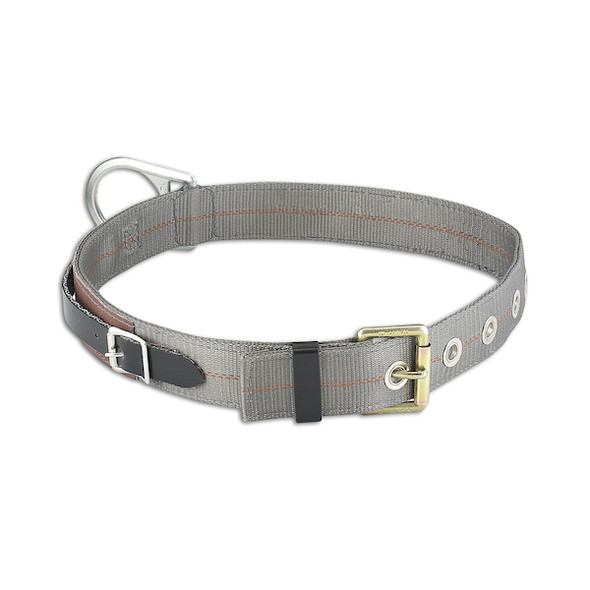
$97.16Our miner's belts are made to be tough, comfortable and user friendly. They are made out of 2" (50cm) strong polyester webbing. The battery straps and rescue straps are made of extra strong belting...$97.16 -
Miner's Belt (FP51001D) | Dynamic Safety
Dynamic Safety
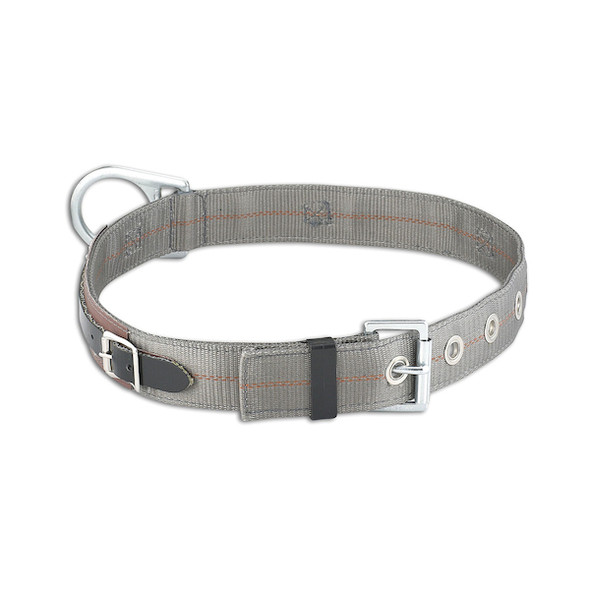
$77.51 - $93.47Our miner's belts are made to be tough, comfortable and user friendly. They are made out of 2" (50cm) strong polyester webbing. The battery straps and rescue straps are made of extra strong belting...$77.51 - $93.47 -

Miner's Belt (FP52000D) | Dynamic Safety
Dynamic Safety
$105.08Features 2" (50 mm) tight weave polyester Removable lamp battery strap with reinforcement under strap area$105.08 -

Polyester Belt With Dorsal D-Ring 1 Long Removable & 1 Short Fixed Lampstrap | Guardian Fall Protection
Guardian Fall Protection
$91.03 - $98.90Polyester Belt with Dorsal D-Ring, 1 Long Removable & 1 Short Fixed Lampstrap | Guardian Fall Protection$91.03 - $98.90 -


Peakpro Restraint Belts | Peakworks
Peakworks
$108.14Description Peakworks® PeakPro Restraint Belts are Ideal for positioning and restraint situations. Designed to protect you during fall-related situations our safety restraint belt includes 1 D-ring...$108.14 -

Restraint Belts | Peakworks
Peakworks
$78.34Description Peakworks® Safety Body Restraint Belts are ideal for positioning and restraint situations the Fall Protection Safety Body Belt will hold and sustain you in your work environment. This...$78.34 -

PVC Body Belt w/ 1 Lamp Strap | Stainless Steel Grommets | Guardian Fall Protection
Guardian Fall Protection
$100.65 - $120.78Norguard’s heavy duty, brown PVC Body Belt is built to last, with its stainless steel grommets and high tensile, damage resistant polyester webbing. This belt incorporates a lamp strap, and is an...$100.65 - $120.78