

Rubber Safety Boots
What Are Rubber Safety Boots?
Rubber safety boots are waterproof protective footwear that combines certified steel-toe or composite-toe protection with chemical-resistant rubber or polyurethane compounds. Also called rubber work boots, these boots protect workers in wet, chemically hazardous, or high-impact environments where standard leather safety footwear fails. Workers in food processing, construction, agriculture, and chemical handling rely on rubber safety boots to meet combined water and impact hazard requirements.
All Safety supplies rubber work boots and waterproof safety boots to industrial and commercial buyers across Canada.
Key Takeaways About Rubber Safety Boots
- Rubber safety boots meet CSA Z195:14 (R2023) in Canada and ASTM F2413 in the US, with Grade 1 (125J) or Grade 2 (90J) impact ratings determining which environments each boot suits.
- PVC, polyurethane (PU), and EVA are the three main construction materials — each carries different trade-offs in chemical resistance, weight, insulation, and durability.
- Chemical resistance varies by compound and substance — no rubber boot protects against all chemicals, so buyers must verify resistance against their specific workplace exposures.
- Shaft height matters: taller shafts (14–16 inches) protect against deep water and chemical immersion; shorter shafts (8–11 inches) allow more mobility for drier or indoor conditions.
- Electrical hazard (EH) ratings are available on select rubber safety boots for worksites near energized equipment — confirm EH certification is present before specifying for electrical environments.
- Slip-resistant outsoles lose effectiveness as tread wears; inspect outsole depth regularly and replace boots before grip becomes compromised.
- Insulated rubber safety boots extend cold-weather protection, but insulation adds weight — balance warmth against the physical demands of the job before selecting.
- Pair rubber safety boots with moisture-managing work socks to reduce foot fatigue and control heat buildup during extended shifts.
PVC vs PU vs EVA: Rubber Safety Boot Materials Compared
Material selection determines how well rubber safety boots perform in specific chemical, temperature, and workload conditions. PVC (polyvinyl chloride) is the most common and least expensive option, offering broad chemical resistance at a low entry price point. Polyurethane (PU) boots are lighter, more flexible, and typically more durable under continuous heavy use. EVA (ethylene vinyl acetate) boots are the lightest option, suited to insulated all-day wear where chemical exposure is minimal.
How Material Choice Affects Performance on the Job
Steel-toe PVC boots perform well against acids, bases, and petroleum products and suit food processing and light industrial tasks. PU boots tolerate higher abrasion and retain flexibility at low temperatures, making steel-toe PVC boots less practical than PU alternatives for outdoor cold-weather work. Workers in heavily insulated environments, such as cold storage facilities, often select cold climate safety footwear with PU or EVA shells rather than standard PVC construction.
Rubber Safety Boot Material Comparison
| Attribute | PVC | Polyurethane (PU) | EVA |
|---|---|---|---|
| Chemical resistance | Broad — acids, bases, petroleum | Good — similar to PVC, check specific substance | Limited — not suited to chemical-heavy environments |
| Weight | Moderate to heavy | Lighter than PVC | Lightest |
| Cold flexibility | Stiffens below -15C | Maintains flex to -40C on rated models | Flexible; insulation varies by model |
| Durability | Good for intermittent use | Higher abrasion resistance, extended lifespan | Moderate; suited to lighter-duty wear |
| Typical applications | Food processing, light chemical, agriculture | Construction, heavy industrial, cold outdoor work | Cold storage, food service, light processing |
PVC suits cost-sensitive buyers with general chemical exposure; PU suits buyers who need durability and cold flexibility; EVA suits buyers prioritizing light weight and comfort in low-chemical environments. Confirm specific chemical compatibility with the manufacturer's resistance chart before purchasing for direct chemical contact work.
CSA Z195 and ASTM F2413: Certification Standards for Rubber Safety Boots
Rubber safety boots sold in Canada must meet CSA Z195:14 (R2023) to qualify as certified protective footwear. CSA Z195 sets minimum impact resistance thresholds, compression resistance, and optional protective features including puncture resistance, metatarsal protection, and electrical hazard ratings. US buyers and cross-border procurement reference ASTM F2413 and ASTM F2412, which define comparable impact and compression classes. Workers who need additional foot coverage above the toe box should review metatarsal guard footwear as a complement to standard toe protection.
Key Certification Terms for Rubber Safety Boots
- CSA Z195:14 (R2023)
- The primary Canadian standard for protective footwear, covering steel and composite toe caps, puncture-resistant midsoles, and optional protective features. Reaffirmed in 2023.
- Grade 1
- The higher impact protection class under CSA Z195, requiring the toe cap to withstand 125 joules of impact force. Specified for heavy industrial environments.
- Grade 2
- The standard impact protection class under CSA Z195, requiring resistance to 90 joules. Suits lighter-duty environments where Grade 1 is not mandated.
- ASTM F2413
- The US standard for impact and compression resistance in protective footwear. Referenced by US buyers and in cross-border procurement specifications.
- Electrical Hazard (EH) Rating
- An optional certification confirming the boot's outsole provides secondary protection against open electrical circuits. Required in some electrical work environments alongside other PPE.
- Chemical Resistance
- Ratings indicate which substances a boot's compound resists permeation or degradation from. No rating covers all chemicals — confirm resistance against each substance present on the worksite.
- Slip Resistance
- An outsole performance characteristic, not a single standard. Measured by coefficient of friction on defined test surfaces. Tread depth and pattern both affect real-world slip resistance.
How to Choose Rubber Safety Boots for Your Work Environment
Selecting waterproof safety boots starts with a workplace hazard assessment that identifies every liquid, chemical, temperature extreme, and impact risk workers face. A boot that meets the right toe-protection grade but lacks resistance to the chemicals present on the worksite fails to protect against the actual hazard. Match every specification to the specific job conditions before purchasing.
Rubber Safety Boot Buying Process
- Complete a hazard assessment: identify all chemicals, liquids, temperatures, and impact risks.
- Confirm required CSA Z195 grade (Grade 1 = 125J; Grade 2 = 90J) from your safety program.
- Select boot material (PVC, PU, or EVA) based on chemical exposure and temperature range.
- Choose shaft height based on depth of water or chemical immersion risk on the worksite.
- Verify EH rating if workers operate near energized electrical equipment.
- Check insulation rating against expected temperature range, including wind chill for outdoor use.
- Confirm fit with work socks at point of sizing — boots sized without socks typically run small.
Industry Applications for Rubber Safety Boots
- Food Processing: Workers face wet sanitation floors, chemical cleaning agents, and cold room temperatures — food processing boots must meet slip-resistance requirements and tolerate repeated chemical washdown cycles.
- Construction: Poured concrete chemically burns unprotected skin and saturates standard leather footwear — rubber safety boots with Grade 1 toe protection resist concrete contact and wet site conditions.
- Agriculture: Irrigation water, fertilizers, and pesticides contact workers' feet throughout the season — chemical-resistant rubber work boots with aggressive tread handle field terrain and chemical exposure simultaneously.
- Chemical Processing: Operators handling acids, bases, or solvents require boots with documented compound-specific chemical resistance ratings, not generic waterproofing claims.
- Mining: Underground wet headings and surface wash areas demand boots with abrasion-resistant outsoles and, where electrical equipment operates, confirmed EH certification.
- Waste Management: Personnel contact diverse liquids including leachate and process chemicals — multi-substance resistance and slip-resistant outsoles address the unpredictable exposure profile.
- Forestry and Outdoor Work: Stream crossings and wet terrain require tall-shaft waterproof safety boots; chainsaw and forestry footwear addresses the additional cut-protection requirements of that sector.
Frequently Asked Questions About Rubber Safety Boots
How do rubber safety boots differ from regular rain boots?
Regular rain boots provide waterproofing only, with no certified toe protection, compression resistance, or puncture-resistant midsoles. Rubber safety boots meet CSA Z195:14 or ASTM F2413, which mandate minimum impact and compression performance. Safety shoes offer comparable toe protection in dry environments, but only rubber safety boots combine that protection with full waterproofing and chemical resistance.
How long do rubber safety boots typically last?
Lifespan depends on use frequency, chemical exposure type, and maintenance practices — no universal replacement interval applies to all environments. Workers in heavy daily use with chemical contact typically see outsole and compound degradation sooner than occasional-use workers. Inspect boots regularly for cracking, tread wear, and seal integrity rather than relying on a fixed calendar replacement schedule.
Do rubber safety boots come with electrical hazard protection?
Some rubber safety boot models carry an electrical hazard (EH) rating confirming the outsole provides secondary protection against open circuits. EH-rated boots do not replace primary electrical PPE — they supplement it. Verify EH certification appears explicitly on the boot's label and product spec before specifying them for electrical environments.
How do I match rubber boot chemical resistance to my specific workplace hazards?
Each rubber compound resists a defined set of chemical families — PVC performs against acids and petroleum; PU and nitrile blends handle additional solvents. Obtain the manufacturer's chemical resistance chart for the specific boot model and cross-reference it against every substance present on your worksite. Consult your safety data sheets (SDS) for each chemical to confirm the contact time and concentration your boots will encounter. Metatarsal guard footwear addresses impact risk above the toe box when chemical-resistant rubber boots alone are insufficient.
Quick Selection Checklist for Rubber Safety Boots
- Verify toe protection meets CSA Z195:14 Grade 1 (125J) or Grade 2 (90J) as required by your safety program.
- Confirm chemical resistance ratings cover every specific substance identified in your workplace hazard assessment.
- Check shaft height provides adequate coverage for the maximum water or chemical immersion depth on your worksite.
- Assess whether EH certification is required based on proximity to energized electrical equipment.
- Confirm insulation rating matches expected temperature range, including outdoor wind chill conditions.
- Review total cost of ownership, including replacement frequency in your specific environment, not purchase price alone.
- Verify outsole tread pattern suits your facility's floor surfaces — smooth floors need different tread than outdoor terrain.
- Confirm cleaning accessories and maintenance supplies are available for the boot's specific compound after chemical exposure.
Rubber safety boots protect workers from chemical contact, standing water, wet impact hazards, and cold exposure across food processing, construction, agriculture, and chemical handling environments. Selecting the right boot requires matching CSA Z195:14 grade, boot material, shaft height, and chemical resistance to the actual conditions on each worksite. Complement rubber safety boot programs with supportive insoles for long-shift comfort and inspect outsoles and seals regularly to maintain protective performance throughout the boot's service life.
- Product
- Qty in Cart
- Quantity
- Price
- Subtotal
-

Airgo Youth Ultra Lightweight Boot | Tingley
$62.29Airgo Youth Ultra Lightweight Boot Lightweight, yet durable, Airgo™ boots are 100% waterproof and have cleated outsoles for traction and slip resistance in wet and muddy conditions. Tiny, self-insulating air bubbles trapped inside the walls...$62.29 -

Airgo Children's Ultralight Boot
$62.79Airgo™ Children's Boots are ultra-lightweight, durable and 100% waterproof with cleated outsoles to give little kids traction and slip resistance in wet and muddy conditions. Easy to put on themselves, Airgo Children's Boots feature a...$62.79 -

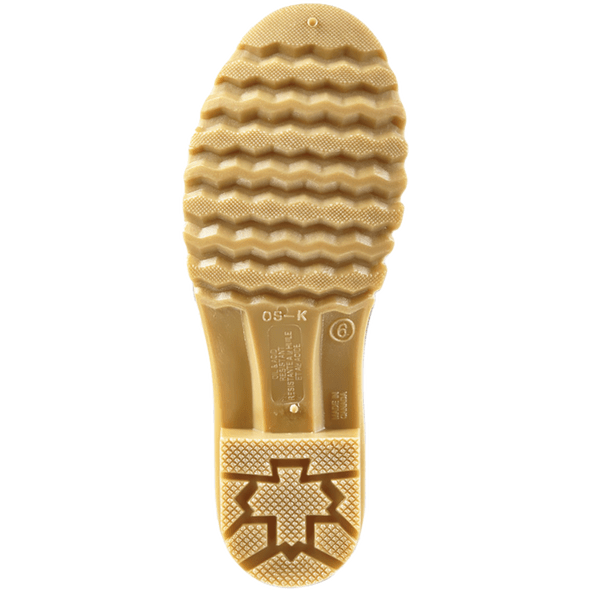
Baffin | Woman's Processor (TOE) | Rippled Outsole
Baffin Boots
$63.59Temperature Rating: All Season Women’s fit Oil and acid resistant Ultra-flex compound Rippled outsole Protective safety toe CSA/ASTM approved$63.59 -
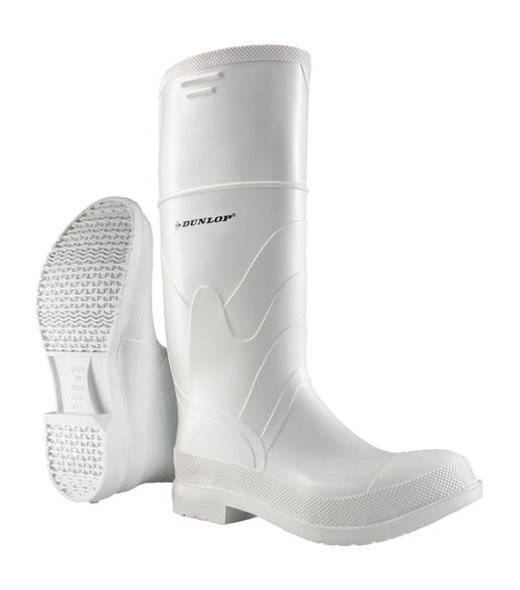
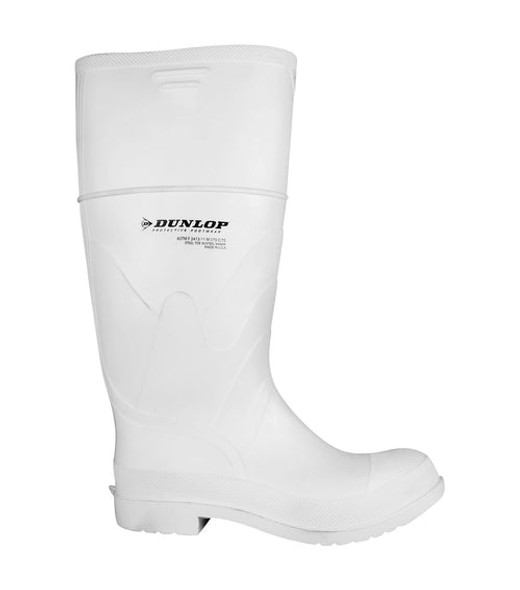
White PVC Steel Toe | 16'' Waterproof PVC Work Boots | Dunlop
Dunlop Boots
$69.99Description Dunlop 16'' PVC waterproof work boot with steel toe cap and non-slip sole. Product detail Height: 16’’ / 40 cm PVC injected molded seamless construction. Steel toe. Slip resisting outsole. Steel shank for added safety...$69.99 -
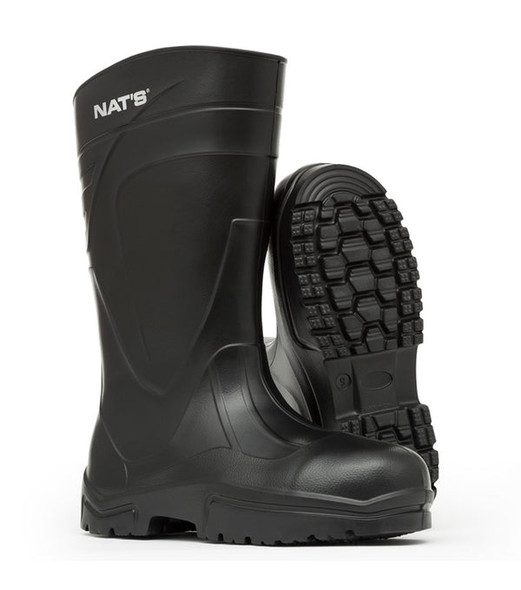
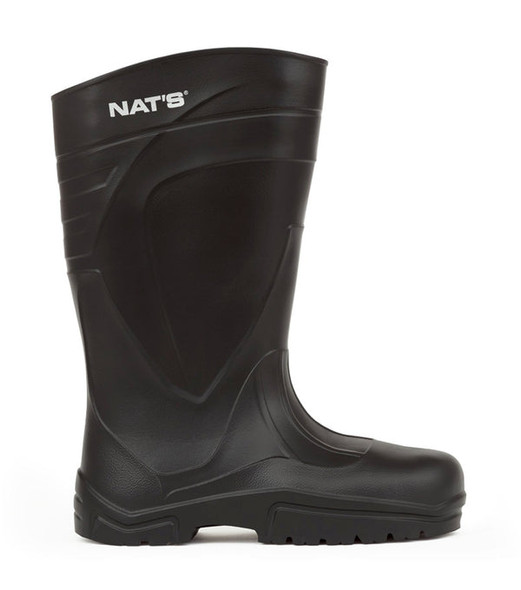
1577 | EVA Work Boots With Rigid Tip | Nat's
Nat's Boots
$69.99DESCRIPTION This EVA boot with non certified composite cap is ideal for light outdoor work. 100% waterproof and ultra light, it also resists to oils and animal waste. Make the best of your outdoor activities with dry feet with this rain boot. PRODUCT...$69.99 -

Pulsar Safety Toe Knee Boot | Tingley
$70.00Pulsar™ PVC Knee Boots feature a Calf Relief Expansion (CRE) gusset that expands up to 1.5 inches for more calf comfort. 15" Ht., knee boots are formulated with a high-performance outsole and a unique PVC blended upper resulting in a boot with good...$70.00 -


| Baffin | Blackhawk | Electric Shock Resistance |
Baffin Boots
$76.50 - $81.00Anti-Fatigue Electric shock resistance Waterproof Unisex Comfort crafted removable insole CSA/ASTM approved in TOE & STP Lightweight TPR compound Self-cleaning outsole$76.50 - $81.00 -


Airgo Cleated Lightweight | Tingley
Tingley
$72.45These ultra lightweight EVA knee boots are built for comfort & durability in all temperatures - Pick up a pair and see how light a boot can be! Lightweight, yet durable, these boots are 100% waterproof and have cleated...$72.45 -
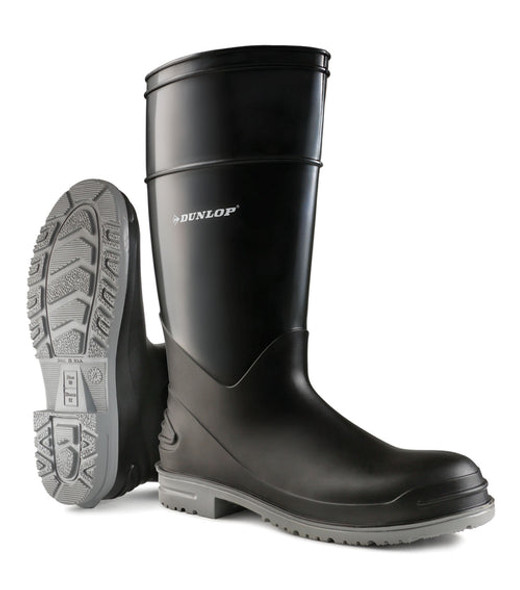
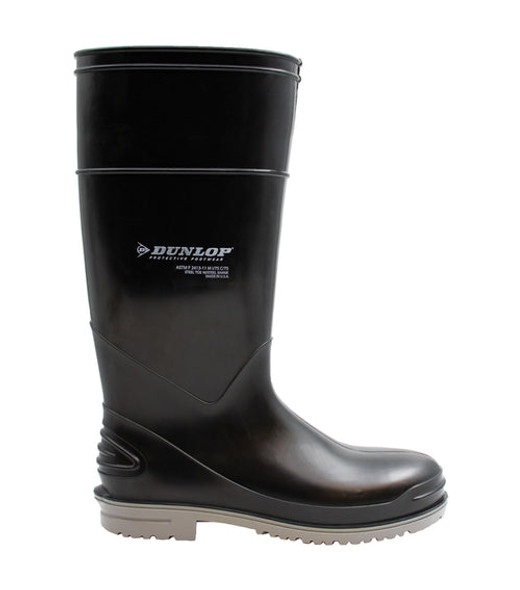
Polygoliath Steel Toe | 16'' Waterproof PVC Work Boots | Dunlop
Dunlop Boots
$74.99Description Dunlop waterproof Polyblend (PVC) work boot, chemical, oil and grease resistant, with steel toe cap. Product detail Height: 15.5’’ / 39.4 cm Waterproof flexible Polyblend (PVC) upper. Resistant to chemicals, oils and...$74.99 -


| Baffin | Grip 360 STP | Slip Resistant Outsole |
Baffin Boots
$76.50 - $81.00Anti-Fatigue Waterproof Unisex Comfort crafted removable insole Oil and acid resistant Ultraflex compound Comfort crafted removable insole Grip 360 slip-resistant outsole High performance on damp and hard surfaces CSA/ASTM approved in TOE &...$76.50 - $81.00 -


Baffin | Enduro (PLN) | GelFlex Fatigue Resistant
Baffin Boots
$76.50Temperature Rating: All Season Light weight and flexible TR compound Generous wider fit GelFlex fatigue resistant midsole Comfort crafted insole Self cleaning outsole Sure step first impact heel strike design ESR/EH rated More Info ...$76.50 -


Baffin | Woman's Storm (Toe) | Lightweight
Baffin Boots
$81.00Temperature Rating: -30ºC/-22ºF Women’s fit Light weight and flexible TR compound -30ºC/-22ºF felt liner 1” snow cuff Protective safety toe Durable outsole design CSA/ASTM approved$81.00 -


Baffin | Petrolia (STP) | Ultra-Flex Oil and Acid Resistant
Baffin Boots
$85.50Temperature Rating: All Season Ultra-Flex Oil and acid resistant compound Self-cleaning outsole Available in safety toe and plate CSA/ASTM approved$85.50 -


Baffin | Bully (TOE) | GelFlex Fatigue Resistant
Baffin Boots
$85.50Temperature Rating: All Season Oil and acid resistant Ultra-Flex compound Generous wider fit Self cleaning insole GelFlex fatigue resistant midsole Comfort crafted insole Sure step first impact heel strike design Protective safety toe and...$85.50 -

Viking Handyman Winter Rubber Boots - Soft Toe
Viking Workwear
$88.20Viking Handyman Winter Rubber Boots - Soft Toe | VikingSoft toeBoot weight: 2.13 - 2.18 kg/pair (4.70 - 4.81 lbs)Key FeaturesIndustrial strength 100% waterproof, handcrafted natural rubberRemovable foam liner provides warmth for up to -70 degC/-100...$88.20 -
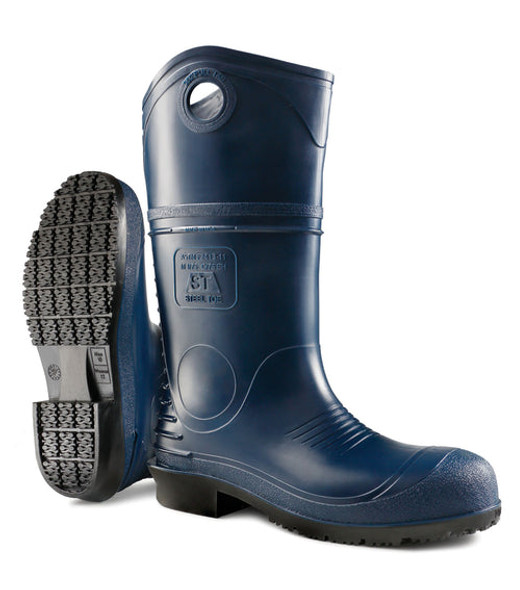
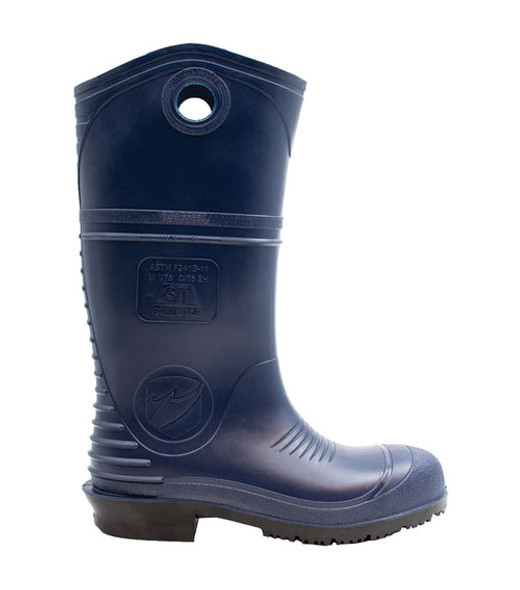
Durapro Steel Toe | 15'' Waterproof PVC Work Boots | Dunlop
Dunlop Boots
$89.99Description This waterproof and multi-chemical resistant Dunlop work boot features a non-slip PVC upper and sole and a steel toe cap. Product detail Height: 15’’ / 38.1 cm Waterproof flexible Polyblend (PVC) upper with sloped top...$89.99