

Cut-Resistant Gloves
What Are Cut-Resistant Gloves?
Cut-resistant gloves are hand protection equipment engineered to resist blade penetration and prevent lacerations during tasks involving sharp objects or edges. Also called cut proof gloves, these gloves use high-performance fiber constructions rated under ANSI/ISEA 105-2024 cut levels A1 through A9 to match protection to specific workplace hazards. Industrial workers, food processing staff, metal fabricators, and construction crews rely on cut-resistant gloves wherever sharp material contact is routine.
All Safety supplies cut-resistant work gloves to industrial and commercial buyers across Canada.
Key Takeaways About Cut-Resistant Gloves
- ANSI/ISEA 105-2024 defines nine cut levels (A1–A9); higher numbers indicate greater resistance to blade force in grams.
- UHMWPE, Kevlar, and Dyneema fiber liners form the cut-resistant core; palm coatings (nitrile, PU, latex) add grip and abrasion resistance.
- Cut-resistant leather gloves combine natural cowhide or goatskin with cut-resistant liners, offering durability for heavy outdoor and construction use.
- EN 388 appears on many glove labels as a secondary European reference; ANSI/ISEA 105-2024 is the primary Canadian standard.
- Glove gauge (13g, 15g) affects dexterity: finer gauge knits allow more tactile sensitivity for precision handling tasks.
- Inspect cut-resistant gloves before each shift for cuts, worn coatings, or compromised knit areas that reduce protection.
- Pairing cut-resistant gloves with impact-rated gloves for combined hand hazards addresses multi-hazard environments where both blade and impact risks exist.
ANSI Cut Levels A1 Through A9: What Each Rating Means
ANSI/ISEA 105-2024 rates cut-resistant gloves on a nine-level scale from A1 (lightest protection) to A9 (maximum protection), measured by the gram-force required for a blade to cut through the liner material. Selecting the correct level requires a workplace hazard assessment identifying the sharpness and motion of the cutting hazard. Using a glove rated below the hazard level provides inadequate protection; using an unnecessarily high level often sacrifices dexterity.
Cut Level, Liner Type, and Best-Use Comparison
| Cut Level | Typical Liner Material | Dexterity | Common Applications |
|---|---|---|---|
| A1–A2 | Nylon, polyester blends | High | Light assembly, packaging, general material handling |
| A3–A4 | HPPE, Kevlar blends | Moderate-high | Automotive parts, sheet metal handling, food prep |
| A5–A6 | UHMWPE, reinforced HPPE | Moderate | Glass handling, metal fabrication, recycling sorting |
| A7–A9 | Dyneema, steel-fiber composites | Lower | Slaughterhouse work, heavy glass, high-volume cutting tools |
For most industrial environments, A4 through A6 cut resistant gloves balance protection and dexterity; A7–A9 is reserved for environments with sustained, forceful blade contact requiring maximum liner resistance.
Cut-Resistant Glove Terminology
- ANSI/ISEA 105-2024
- The primary North American standard for hand protection classification, defining cut levels A1–A9 based on gram-force blade testing. No Canadian-specific equivalent exists; this standard governs Canadian selection.
- EN 388
- European cut and mechanical resistance standard. Appears on product labels sold in Canada as a secondary reference. Does not replace ANSI/ISEA 105-2024 for Canadian compliance purposes.
- UHMWPE
- Ultra-high molecular weight polyethylene. A lightweight, high-tenacity fiber used in cut-resistant liners rated A3 and above.
- Dyneema
- A branded UHMWPE fiber with high cut and tensile resistance, commonly used in A7–A9 glove constructions.
- Kevlar
- Aramid fiber with cut and heat resistance properties, frequently used alone or blended in A2–A5 liners.
- Gauge
- The number of stitches per inch in a knit liner. A 15-gauge glove is finer and offers more dexterity than a 10-gauge glove of similar cut level.
- Anti cut gloves
- A common alternate name for cut-resistant gloves, used interchangeably in procurement and safety documentation.
- Palm coating
- A layer of nitrile, polyurethane, latex, or PVC applied over the liner to add grip, abrasion resistance, and sometimes liquid resistance.
Cut-Resistant Leather Gloves vs Synthetic Fiber Gloves
Cut-resistant leather gloves pair a natural cowhide or goatskin shell with a cut-resistant liner, delivering durability, puncture resistance, and protection from rough surfaces in outdoor and heavy industrial tasks. Synthetic fiber gloves use knit UHMWPE or Kevlar liners without a leather shell, producing a lighter, more form-fitting glove suited to precision handling and fine motor tasks. The right choice depends on the cutting hazard type, environment, and how much dexterity the task demands.
When Leather Outperforms Synthetic
Construction crews handling rebar, wire rope, and rough-edge structural materials benefit from cut-resistant leather gloves because leather resists abrasion and puncture from irregular surfaces that knit-only gloves do not address. Oil and gas field workers often select leather-shell gloves for the same reason: rope handling, pipe fitting, and valve work combine cut, abrasion, and grip demands that leather manages well. Buyers who need chemical splash resistance alongside cut protection should review liquid-resistant gloves rated for chemical and cut hazards before selecting a leather option, since leather is not chemical-resistant.
When Synthetic Fiber Gloves Are the Better Fit
Food processing workers, glass handlers, and electronics assemblers typically need a thin, form-fitting anti cut gloves option that preserves tactile sensitivity. Synthetic knit gloves rated A4–A6 with a polyurethane palm coating meet that need without the bulk of a leather shell. Synthetic liners also wash more reliably than leather, which matters in food-safe and clean-room environments where frequent laundering is required.
Industries That Require Cut-Resistant Work Gloves
Cut-resistant work gloves apply across any sector where workers handle sharp materials, tools, or edges as a routine part of their tasks. The specific cut level and glove construction required varies by the nature and force of the cutting hazard in each environment.
Industry Applications for Cut-Resistant Hand Protection
- Metal Fabrication: Sheet metal edges and stamped parts expose workers to sustained blade-level sharpness; gloves rated A5–A6 with a reinforced palm coating address this hazard throughout a shift.
- Food Processing: Commercial knife work and slicing equipment demand A4–A6 gloves that meet food-contact material requirements and maintain grip in wet conditions.
- Glass Manufacturing and Handling: Workers managing cut glass edges and fragments require A7–A9 protection to withstand forceful, sustained contact with glass edges.
- Construction: Rebar tying, metal roofing, and structural steel handling expose crews to sharp cut edges; cut-resistant leather gloves at A4–A6 are common, often paired with insulated cut-resistant gloves for cold-weather construction work.
- Automotive Assembly: Assembly line workers handling stamped metal components and cutting tools benefit from A3–A5 gloves with oil-grip palm coatings.
- Recycling and Waste Sorting: Sorting streams contain broken glass, sharp metal, and wire; workers need A5+ gloves with puncture resistance alongside cut protection.
- Forestry and Chainsaw Operations: Hand protection alongside chainsaw-rated PPE reduces laceration risk from incidental blade contact and sharp branch handling.
How to Select, Inspect, and Replace Cut-Resistant Gloves
Selecting cut-resistant gloves correctly starts with a documented hazard assessment identifying the sharpest cutting surfaces workers contact and the force applied during that contact. A glove rated for the wrong level provides no margin of safety at the actual hazard. Inspection and replacement schedules maintain the protection level throughout the glove's working life.
Cut-Resistant Glove Buying Process
- Complete a written hazard assessment identifying every sharp-edge or blade exposure by task.
- Assign a minimum ANSI cut level (A1–A9) to each hazard based on sharpness and contact force.
- Determine secondary requirements: liquid resistance, impact protection, heat resistance, or food-contact compliance.
- Select liner gauge to match dexterity needs — finer gauge for precision tasks, heavier for durability.
- Confirm palm coating type matches grip needs in wet, oily, or dry conditions.
- Size correctly using hand measurements — loose gloves reduce dexterity and can snag machinery.
- Review the full hand protection range for cut, impact, and specialty gloves to confirm no better-matched option exists.
Frequently Asked Questions About Cut-Resistant Gloves
Which cut level do I need for sheet metal and fabrication work?
Most sheet metal handling tasks fall in the A4–A6 range under ANSI/ISEA 105-2024. A4 cut resistant gloves suit lighter stamped parts with smooth edges; A6 is appropriate for raw-cut or sheared metal with aggressive burrs. Conduct a site-specific hazard assessment to confirm the minimum rating before issuing gloves to your crew.
How often should I replace cut-resistant gloves?
Replace cut-resistant gloves when the knit liner shows visible cuts, holes, or thinning, or when palm coatings peel and no longer provide grip. There is no universal time-based replacement interval; inspection before each shift determines whether the glove still meets the required cut level for the task.
Can cut-resistant gloves be machine washed?
Most synthetic knit cut-resistant gloves tolerate machine washing on a gentle cycle with mild detergent, but leather-shell gloves should not be machine washed. Always follow the manufacturer's care label; repeated washing with harsh detergents can degrade palm coatings and reduce abrasion resistance over time.
Do cut-resistant gloves also protect against punctures?
Cut resistance and puncture resistance are separate ANSI ratings under ANSI/ISEA 105-2024. Many A5+ gloves provide meaningful puncture resistance, but this must be confirmed from the glove's individual test data. Workers in recycling, wire handling, or needle-exposure environments should verify the puncture rating alongside the cut level before selecting a glove.
Quick Selection Checklist for Cut-Resistant Gloves
- Verify the ANSI cut level matches the sharpest hazard identified in your written hazard assessment.
- Confirm the glove carries ANSI/ISEA 105-2024 test documentation for the stated cut level.
- Check palm coating type matches the grip conditions (wet, oily, dry) of the task.
- Assess glove gauge against the dexterity requirement for the specific work task.
- Confirm sizing using hand measurements to eliminate loose fit that reduces protection.
- Review total quantity needed to cover worker rotation and a replacement buffer.
- Verify care instructions are compatible with your facility's laundering capability.
- Review manufacturer sensor replacement or wear indicators and confirm a pre-shift inspection procedure is in place.
Cut-resistant gloves protect workers from lacerations across fabrication, food processing, construction, glass handling, and recycling by matching ANSI/ISEA 105-2024 cut levels A1 through A9 to specific blade hazards. Selecting the right glove requires a documented hazard assessment, confirmation of the cut level and palm coating type, and proper sizing to prevent loose fit from compromising protection. Cut-resistant leather gloves suit heavy outdoor and construction environments; synthetic knit options at A4–A6 address precision tasks where dexterity and frequent washing matter. Inspect gloves before every shift and replace them when the liner or coating shows visible wear that compromises the rated protection level.
- Product
- Qty in Cart
- Quantity
- Price
- Subtotal
-


Seamless Knit Black Nylon Black Polyurethane Palm | Cut Resistance A1 | Bob Dale Gloves
Bob Dale Gloves
$2.12Nylon shell Polyurethane palm coating w/smooth finish Elastic knit wrist w/hemmed cuff Ratings Cut Level A1 (ANSI/ISEA 105-2024)Abrasion Level 3 (ANSI/ISEA 105-2024) EN 388 - 4131X Hazard Solutions Abrasion Resistant Cut Resistant Tear...$2.12 -


Seamless Knit White Nylon Grey Foam Nitrile Palm | Cut Resistance A1 | Bob Dale Gloves
Bob Dale Gloves
$3.17Nylon shell Foam nitrile palm coating w/smooth finish Elastic knit wrist w/hemmed cuff Ratings Cut Level A1 (ANSI/ISEA 105-2024) EN 388 - 4121 CFIA Sanitized® Technology Hazard Solutions Abrasion Resistant Cut Resistant Tear...$3.17 -

Short Cuff: Nitrile Palm-Coated Gloves | Cut A5 | Atlas Workwear
Atlas Workwear
$4.50ANSI 105: Cut Resistance Level A5 Abrasion Level 6, Puncture Level 4 Summer: 15ga Guardmax® Proprietary High Performance Fiber Nitrile Palm Coating Elastic wrists View Product Details PDF More Info Gloves for Cut-Resistant Handling The...$4.50 -


Grey 21G Seamless Knit Black PU Palm W/ Touchscreen | Cut Resistant A1 | Bob Dale Gloves
Bob Dale Gloves
$5.9921 ga. nylon shell Polyurethane palm coating Elastic knit wrist w/hemmed cuff Reinforced thumb saddle Ratings Cut Level A1 (ANSI/ISEA 105-2024) FDA 21 CFR 175.300 Hazard Solutions Cut Resistant Features 360 Degree...$5.99 -


Seamless Knit HPPE Grey Polyurethane Palm | Cut Resistant A2 | Bob Dale Gloves
Bob Dale Gloves
$6.3913 ga. HPPE shell Polyurethane palm coating w/smooth finish Elastic knit wrist w/hemmed cuff Non-metallic construction Ratings Cut Level A2 (ANSI/ISEA 105-2024) Abrasion Level 6 (ANSI/ISEA 105-2024) EN 388 - 4242B Hazard Solutions Abrasion...$6.39 -


Grey 21G Seamless Knit Grey NBR Palm W/ Touchscreen | Cut Resistant A1 | Bob Dale Gloves
Bob Dale Gloves
$7.2421 ga. nylon shell Foam NBR palm coating w/textured finish Elastic knit wrist w/hemmed cuff Reinforced thumb saddle Ratings Cut Level A1 (ANSI/ISEA 105-2024) FDA 21 CFR 175.300 Hazard Solutions Cut Resistant Features 360 Degree...$7.24 -


Premium Knit Gloves | Cut Resistance A8 | Superior Glove
Superior Gloves
$7.38Our blue Sure Knit™ S10SXB gloves offer extreme cut resistance for safe food processing. Blue TenActiv™ engineered yarn provides 360° cut protection with ANSI A8 cut resistance and helps detect food contamination. These gloves are...$7.38 -

Cut-Resistant Glove | Cut Level A4 | Pioneer
Pioneer Workwear
$7.70Description 13-gauge composite filament provides superior cut resistance and dexterity ANSI level A4 cut-resistant protection ANSI Abrasion level 6 and Puncture level 5 Ergonomic PU-coated palm and finger for better grip and abrasion...$7.70 -


Sure Knit - Cut ResistaNT Gloves | Cut Resistance A7 | Superior Glove
Superior Gloves
$8.01 - $8.10Our Sure Knit™ STA5 food safe gloves are available in four colors for allocation to different areas in food processing plants to help prevent cross-contamination. FDA and CFIA compliant, they are made with TenActiv™ engineered yarn to provide...$8.01 - $8.10 -


Premium Knit Gloves | Cut Resistance A7 | Superior Glove
Superior Gloves
$8.10Our Sure Knit™ S13SXB food handling gloves are antimicrobial and offer extreme cut resistance in a light blue color for help with contamination detection. TenActiv™ engineered yarn provides 360° cut protection with ANSI A7 cut resistance...$8.10 -


13 Gauge Seamless Knit Blue Touchscreen Liner | Cut Resistance A6 | Bob Dale Gloves
Bob Dale Gloves
$8.1913 ga. HPPE shell Elastic knit wrist w/hemmed cuff Washable Ratings Cut Level A6 (ANSI/ISEA 105-2024) EN 388 - 3X43F EN 1186 - Pass Hazard Solutions Abrasion Resistant Cut Resistant Puncture Resistant Tear Resistant Features 360 Degree...$8.19 -


13 Gauge Grey Seamless Knit HPPE W/ Black Crinkle Latex Palm | Cut Resistance A3 | Bob Dale Gloves
Bob Dale Gloves
$8.4813 ga. HPPE shell Latex palm coating w/crinkle finish Elastic knit wrist w/hemmed cuff Ratings Cut Level A3 (ANSI/ISEA 105-2024) EN 388 - 3442C Hazard Solutions Abrasion Resistant Cut Resistant Puncture Resistant Tear Resistant Features 360...$8.48 -


Grey HPPE Double Dip Sandy Nitrile Palm | Cut Resistant A3 | Bob Dale Gloves
Bob Dale Gloves
$9.3213 ga. HPPE shell Double dipped nitrile palm coating w/textured finish Elastic knit wrist w/hemmed cuff Ratings Cut Level A3 (ANSI/ISEA 105-2024) Abrasion Level 4 (ANSI/ISEA 105-2024) Puncture Level 4 (ANSI/ISEA 105-2024) Conductive Heat Level...$9.32 -


Teal 21G Seamless Knit Black PU Palm W/ Touchscreen | Cut Resistant A2 | Bob Dale Gloves
Bob Dale Gloves
$9.7421 ga. HPPE/polyester/glass shell Polyurethane palm coating Elastic knit wrist w/hemmed cuff Reinforced thumb saddle Ratings Cut Level A2 (ANSI/ISEA 105-2024) Abrasion Level 3 (ANSI/ISEA 105-2024) Puncture Level 3 (ANSI/ISEA 105-2024) FDA 21...$9.74 -

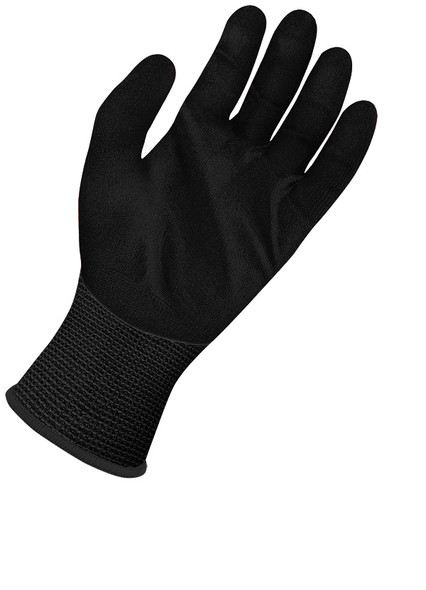
Black 13G HPPE Black Palm | Cut Resistant A2 | Bob Dale Gloves
Bob Dale Gloves
$10.1013 ga. HPPE shell Polyurethane palm coating w/textured finish Elastic knit wrist w/hemmed cuff Non-metallic construction TAA compliant Ratings Cut Level A2 (ANSI/ISEA 105-2024) Abrasion Level 6 (ANSI/ISEA 105-2024) Puncture Level 3 (ANSI/ISEA...$10.10 -


Seamless Knit HPPE Hi Viz Yellow PU Foam Palm | Cut Resistant A3 | Bob Dale Gloves
Bob Dale Gloves
$10.5713 ga. HPPE shell Foam polyurethane palm coating w/textured finish Elastic knit wrist w/hemmed cuff Ratings Cut Level A3 (ANSI/ISEA 105-2024) EN 388 - 4442C Hazard Solutions Abrasion Resistant Cut Resistant Puncture Resistant Tear...$10.57