

Escape Masks
What Are Escape Masks?
An escape mask is a portable respiratory device worn during evacuation from smoke, toxic gas, or particulate hazards. It is commonly called an escape hood, since most models cover the entire head with a clear visor. The device filters contaminated air or supplies clean air from a small cylinder, giving the wearer time to reach safety.
All Safety supplies escape masks and emergency escape breathing apparatus to industrial and commercial buyers across Canada.
Key Takeaways About Emergency Escape Masks
- An emergency escape mask provides short-term respiratory protection during evacuation, not routine daily use.
- Filtering models rely on a cartridge to remove contaminants; compressed air models supply breathing air directly.
- Hood-style designs cover the full head and accommodate eyeglasses better than mouthpiece-style respirators.
- Operational duration varies by model and is rated by the manufacturer for the specific hazard class.
- Hands-on training helps personnel don the mask quickly under emergency conditions.
- Scheduled inspection of seals, cartridges, and air pressure keeps the device ready for use.
- Workplaces with respiratory hazards often designate escape masks as part of their emergency response plan.
Escape Hoods vs Filtering and Compressed Air Escape Devices
Escape masks fall into three general designs: hood-style filtering respirators, mouthpiece filtering respirators, and compressed air escape devices. Hood-style units cover the head and neck and use a replaceable filter cartridge. Compressed air devices use a small cylinder instead of a filter, supplying breathing air independent of the surrounding atmosphere.
| Design | Air Source | Typical Storage | Best Suited For |
|---|---|---|---|
| Hood-style filtering | Replaceable filter cartridge | Soft pack or hard case | Smoke and particulate evacuation |
| Mouthpiece filtering escape device | Replaceable filter cartridge | Compact soft pack | Quick personal carry, single-use evacuation |
| Compressed air escape device | Compressed air cylinder | Hard case | Oxygen-deficient or unknown atmospheres |
Filtering devices depend on ambient oxygen and a matched cartridge, while compressed air devices work in oxygen-deficient atmospheres but cost more and weigh more.
Where Escape Respirators Are Used Across Industries
- Oil & Gas: facilities face hydrogen sulfide and combustible gas risk; workers carry escape respirators for rapid evacuation.
- Chemical Manufacturing: processes release toxic gas during upset conditions; staff use hood-style escape masks with appropriate filter cartridges.
- Maritime Shipping: vessels require EEBD units on board for crew evacuation from enclosed spaces during fire.
- Mining: underground operations face confined-space gas buildup; crews carry escape breathing apparatus rated for longer evacuation routes.
- Water Treatment: chlorine handling on site creates inhalation risk; staff are equipped with chlorine-rated escape masks.
- Pharmaceutical Production: potent compound handling poses inhalation hazards; facilities issue escape masks matched to the specific compound.
Fire protection systems work alongside escape devices in many facility safety plans, and safety signage clearly marks escape mask locations so personnel can find them quickly when visibility is reduced.
Choosing and Storing Emergency Escape Breathing Devices
Buying Process for Escape Masks
- Identify the specific hazards present (smoke, gas, particulates, oxygen deficiency).
- Match filter type or air supply to the identified hazard.
- Confirm the duration rating fits your facility's evacuation distance.
- Test donning time with staff before finalizing a model.
- Select a storage case suited to your environment.
- Set an inspection schedule before placing the order.
Store escape masks in a clean, dry location away from temperature extremes, and position them along marked evacuation routes for fast access. Respiratory accessories for proper storage help protect seals and cartridges between inspections.
Quick Selection Checklist
- Verify the mask filters or supplies air for your specific workplace hazard.
- Check that the duration rating covers your facility's evacuation distance.
- Assess how quickly staff can don the mask under stress.
- Assess hood-style versus mouthpiece designs against eyewear and facial hair needs.
- Confirm cartridge or cylinder replacement parts remain available from the manufacturer.
- Confirm storage case fits wall mounts or grab-bag locations on site.
- Review filter cartridge expiry dates on a recurring schedule.
- Review compressed air pressure gauges during routine inspection.
Escape Mask Terminology
Key Terms for Escape Masks and Escape Hoods
- Escape hood
- Full-head covering with a clear visor, the most common escape mask format.
- Filter cartridge
- Replaceable component that removes specific contaminants from inhaled air.
- Mouthpiece respirator
- Compact escape device using a mouthpiece and nose clip instead of a full hood.
- Soft pack
- Lightweight carrying case for an escape mask, typically worn or stored on a belt.
- Hard case
- Rigid storage case for an escape mask, typically wall-mounted near exits.
- Duration rating
- Manufacturer-specified length of protection time for a given escape mask model.
Common Questions About Escape Masks and Escape Hoods
What is the difference between an escape hood and an SCBA?
An escape hood is built for one-time evacuation over a short distance. SCBA units are designed for entry into hazardous atmospheres and ongoing work inside them, not just exit.
What is an emergency escape breathing apparatus used for?
An emergency escape breathing apparatus protects the wearer's airway while moving from a hazardous area to a safe location. It is intended for evacuation only, not extended work in the hazard zone.
Do escape masks require certification or training to use?
Workplaces with respiratory hazards typically train staff on donning procedures as part of emergency preparedness. Respiratory protection experts suggest consulting applicable workplace regulations for specific training requirements.
How often should escape masks be inspected or replaced?
Facilities generally follow the manufacturer's documented inspection schedule, checking seals, filter expiry, and air pressure. Respiratory cartridges and filters must meet the hazard-specific rating before being placed back in service.
Escape masks and escape hoods give workers in oil and gas, chemical manufacturing, maritime, mining, and water treatment a way to evacuate hazardous atmospheres safely. Selecting the right design depends on the hazard present, the required duration, and how quickly staff can don the device under pressure. Full face respirators complement escape masks in a complete respiratory protection program, covering both daily-use and emergency-only scenarios. Regular inspection, proper storage, and hands-on training keep escape masks ready when seconds matter most.
- Product
- Qty in Cart
- Quantity
- Price
- Subtotal
-


PARAT Training Hood Single Pack | Draeger
Draeger
$324.22The PARAT Training Hood Single Pack from Dräger is a high-quality training tool designed for use in emergency situations and safety training exercises. It’s part of Dräger's comprehensive range of...$324.22 -

Filter Set CO-P2: PARAT 5520/30 | Draeger
Draeger
$161.42The Filter Set CO-P2: PARAT 5520/30 by Dräger is a high-quality respiratory protection filter designed to provide protection against harmful gases and particles. It is typically used with Dräger's...$161.42 -
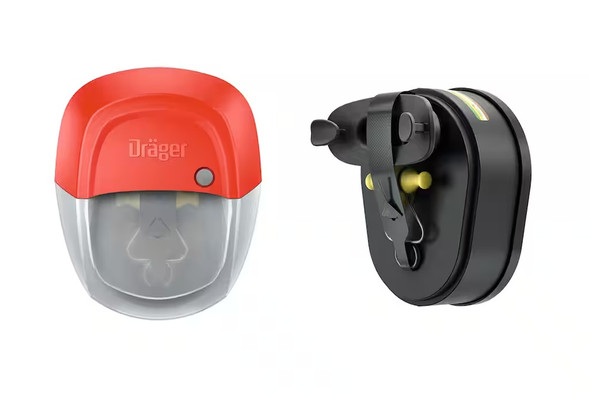
Filtering Escape Device - Draeger PARAT 1200 | Draeger
Draeger
$134.41Filtering Escape Device - Dräger PARAT® 1200 | Dräger Dräger PARAT® 1200Designed with simplicity in mind, the Dräger PARAT® 1200 is an extra small mouthpiece / nose clip filtering escape device...$134.41 -


Emergency Escape Breathing Device - PARAT 3200 Mouthpiece Resp. | Draeger
Draeger
$138.17Emergency Escape Breathing Device - PARAT® 3200 Mouthpiece Resp. | Dräger When hazardous substances are present at a work place it has to be taken into account that these substances can suddenly leak...$138.17