

Cofra Boots
- Product
- Qty in Cart
- Quantity
- Price
- Subtotal
-
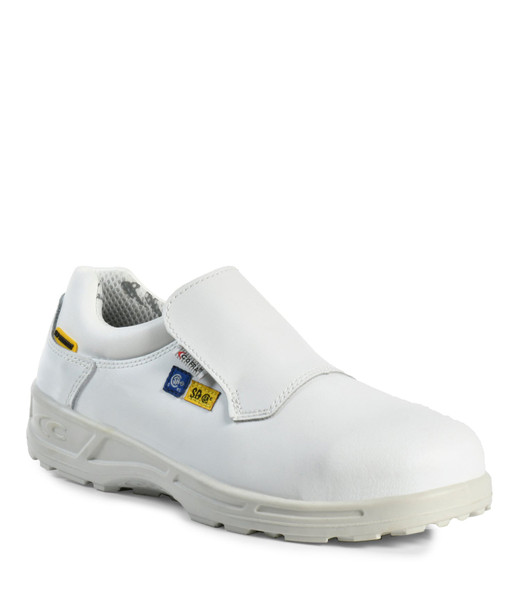
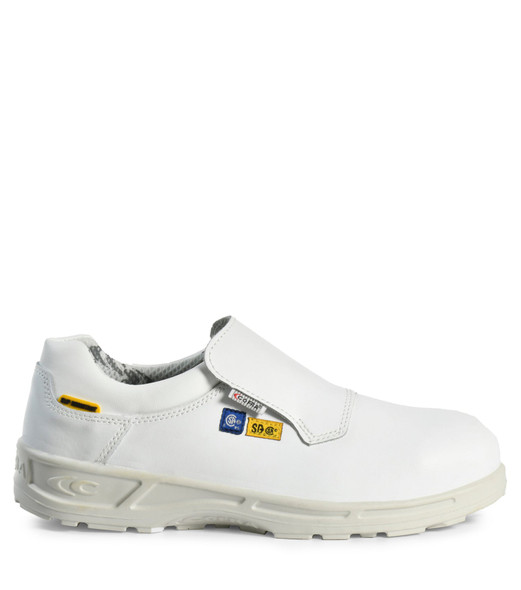
Akron SD+ | Agrifood SD+ Leather Work Shoes | Slip Resisting | Cofra
Cofra Boots
$134.99DESCRIPTION Cofra SD (antistatic) work shoe made of water-repellent Sanyderm leather that prevents the proliferation of fungi and bacteria, with non-slip and ultralight PU sole and steel toe cap. A...$134.99 -

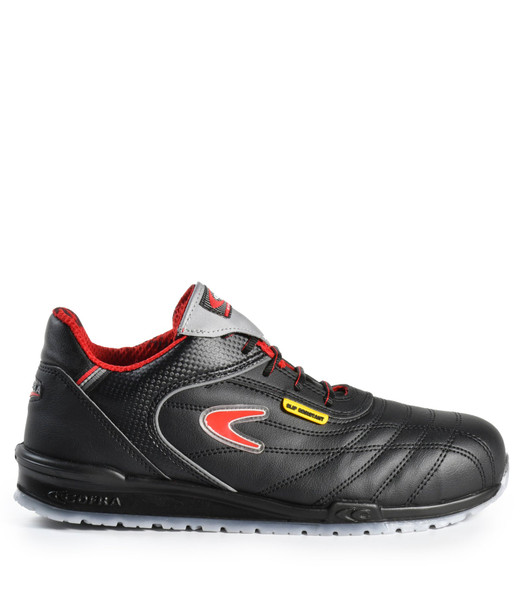
Connolly SD+ | Microfiber SD+ Athletic Work Shoes | Cofra
Cofra Boots
$174.99DESCRIPTION Cofra CSA SD+ (antistatic) certified athletic work shoe in Microtech, a breathable 100% polyurethane-coated polyester mini fibre, with non-slip TPU sole, aluminum toe cap and lightweight...$174.99 -


Foundry | Foundry 9'' Work Boots with External Metguard | Cofra
Cofra Boots
$539.99DESCRIPTION This Cofra work boot for foundries with metatarsal protection is super heat resistant thanks to its leather-covered insole that insulates against high temperatures and its non-slip...$539.99 -


Houston | Metal Free 9" Leather Work Boots | Cofra
Cofra Boots
$269.99DESCRIPTION Cofra metal-free 9'' work boot in water-repellent leather with 200 g lining, hyper breathable insole and anti-slip PU / rubber outsole resistant to high and low temperatures...$269.99 -
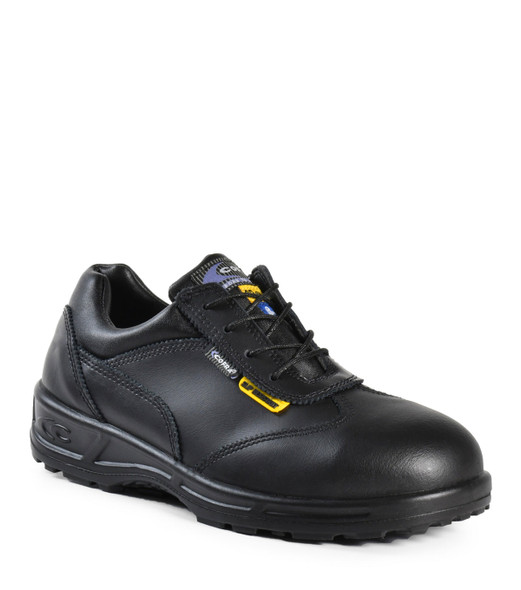
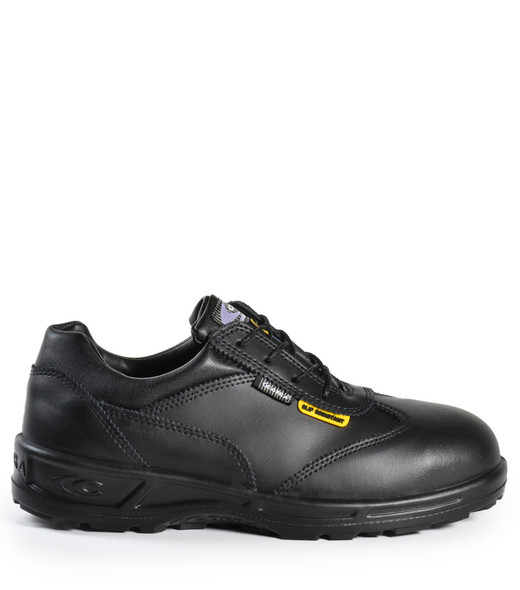
Ingrid SD+ | Women's SD+ Leather Work Shoes | Cofra
Cofra Boots
$139.99DESCRIPTION Cofra certified SD+ (antistatic) work shoe for women, in water-repellent leather, with ultra-light non-slip Polyurethane (PU) sole and steel toe cap. PRODUCT DETAILS Height:...$139.99 -

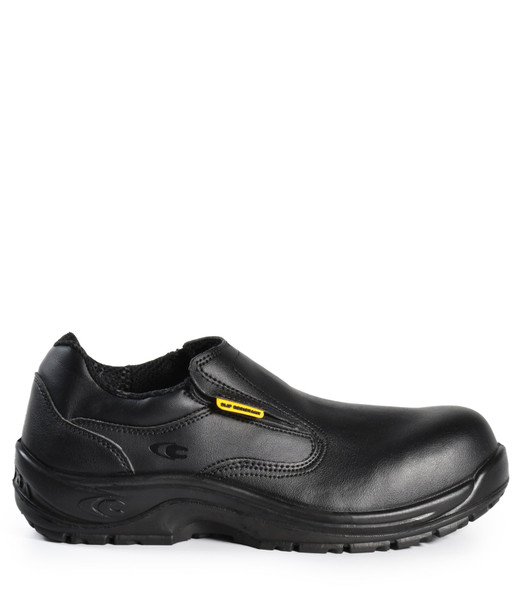
Kendall | SD+ Microfiber Vegan Work Shoes | Metal Free | Cofra
Cofra Boots
$159.99DESCRIPTION Cofra CSA SD (antistatic) vegan, metal-free safety shoe made of ultra-resistant Ecolorica microfiber, with non-slip PU sole, protective toe and anti-perforation sole in lightweight...$159.99 -
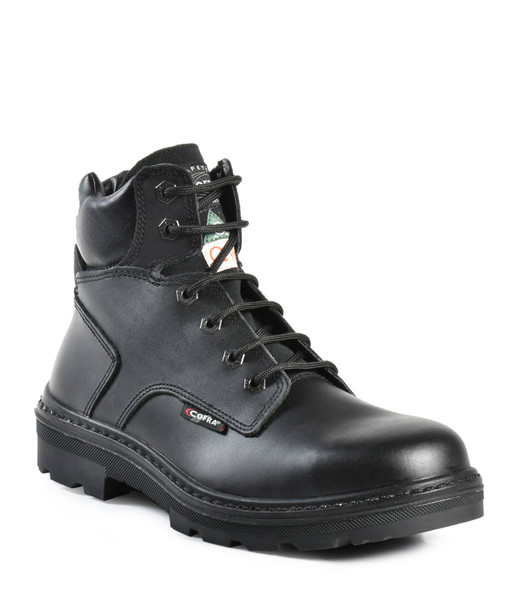
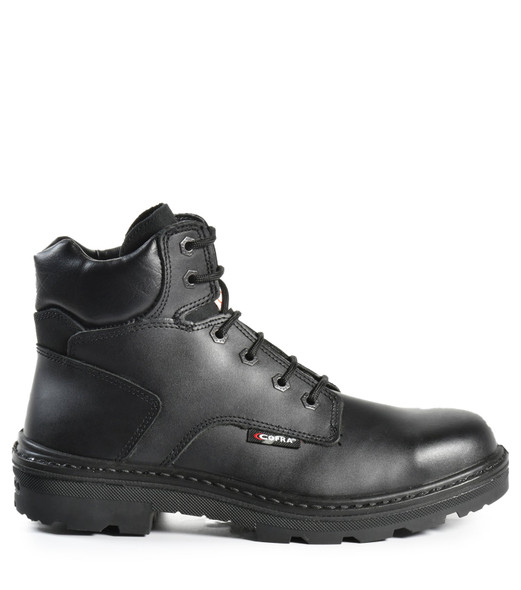
Leader | 6'' Leather Work Boots | Cofra
Cofra Boots
$169.99DESCRIPTION This 6'' Cofra CSA work boot in water-repellent leather is super breathable thanks to its moisture-wicking lining and its perforated comfort sole with variable thicknesses and covered...$169.99 -


Liquid | SD+ Microfiber Vegan 6’’ Work Boots | Metal Free | Cofra
Cofra Boots
$179.99DESCRIPTION 6'' Cofra certified CSA SD (antistatic) metal-free vegan work boots with quick donning without laces made of ultra-resistant Ecolorica microfiber, with non-slip PU sole, protective toe...$179.99 -


New Tanker SD+ | 16'' Waterproof SD+ PU Work Boots | Cofra
Cofra Boots
$139.99DESCRIPTION This Cofra waterproof work boot is insulated and made of flexible, light and resistant PU. It is CSA SD certified and has a TPU slip resisting outsole, steel toe cap and puncture...$139.99 -


New Valzer | Metal Free 6’’ Work Boots | Gore-Tex Membrane | Cofra
Cofra Boots
$304.99DESCRIPTION Cofra metal-free 6" work boot in water-repellent leather with Gore-Tex waterproof membrane, hyper-breathable insole and non-slip PU / TPU outsole. PRODUCT DETAILS Height:...$304.99 -


Road | 8'' Paving & Asphalt Work Boots | Cofra
Cofra Boots
$209.99DESCRIPTION Cofra metal-free work boot for tarmac and asphalt with smooth non-marking sole resistant to +330°C / +572°F and insulating insole against high temperatures. PRODUCT...$209.99 -


Roughneck | Metal Free 9'' Nubuck Leather Work Boots | Cofra
Cofra Boots
$244.99DESCRIPTION Cofra comfortable, metal-free, quick-on work boot, made of water-repellent nubuck leather with high and low temperature resistant PU / rubber non-slip outsole. PRODUCT...$244.99 -
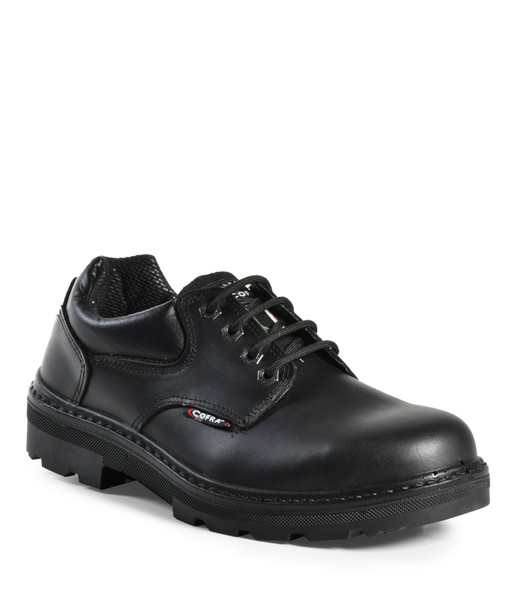
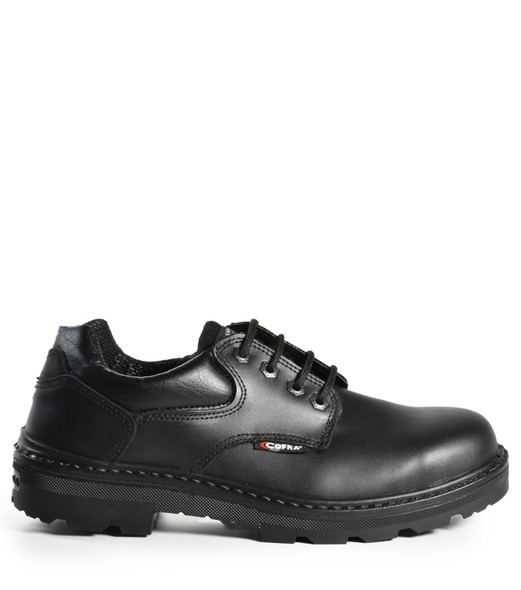
Small | Leather Work Shoes | Cofra
Cofra Boots
$149.99DESCRIPTION This CSA Cofra work shoe in water-repellent leather is super breathable thanks to its moisture-wicking Texelle lining and its perforated Evanit sole with variable thicknesses and covered...$149.99 -


Solid | SD+ Microfiber Vegan Work Shoes | Metal Free | Cofra
Cofra Boots
$159.99DESCRIPTION Cofra CSA SD (antistatic) metal-free vegan safety shoe made of ultra-resistant Ecolorica microfiber, with non-slip PU sole, protective toe and anti-perforation sole in lightweight...$159.99 -
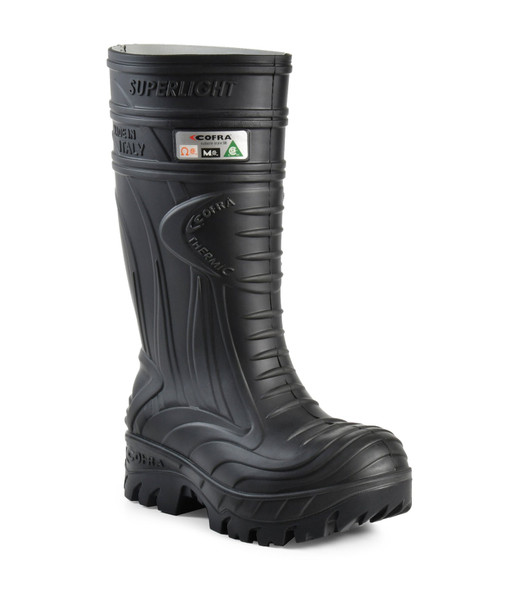
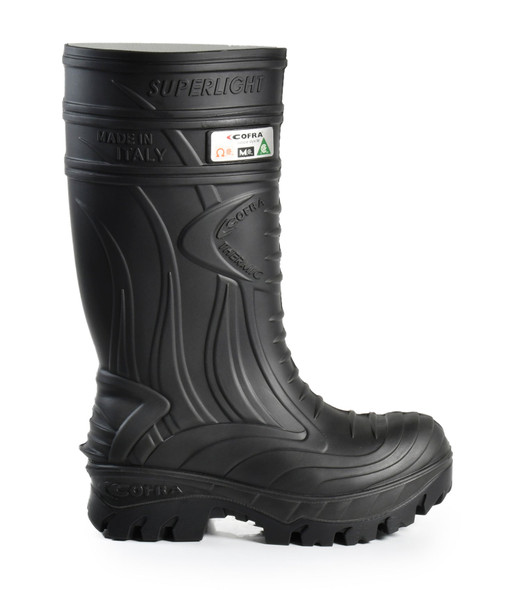
Thermic | Insulated PU Work Boots | Metguard Protection | Cofra
Cofra Boots
$219.99DESCRIPTION This Cofra waterproof 15.5'' insulated work boot, metal-free and with metatarsal protection, is made of a flexible, lightweight and very resistant PU. CSA ESR M certified, it is perfect...$219.99
Cofra Boots Safety Footwear: Complete Shopping Guide for All Types and Price Points
Cofra boots range from $134.99-$539.99 and protect construction, manufacturing, and foundry workers from impact, puncture, and electrical hazards. Entry-level leather work shoes start at $134.99, professional-grade metal-free boots from $269.99, meeting ASTM standards with 12-18 month typical lifespan under normal use.
Primary Cofra Boot Categories and Worker Applications
You'll find Cofra specializes in four main safety footwear types. Work shoes like the Akron SD+ ($134.99) serve warehouse and light industrial workers needing slip resistance. Six-inch boots including the Leader ($169.99) protect construction crews from ankle injuries and debris penetration.
Nine-inch boots such as the Houston ($269.99) offer maximum protection for heavy industrial workers facing multiple hazards. Specialized options like the Foundry ($539.99) include external metatarsal guards for molten metal exposure in foundries and steel mills.
Budget vs Premium Cofra Protection Comparison
Here's the reality about Cofra's pricing structure. Budget options under $180 provide basic ASTM protection but won't resist chemical exposure or extreme temperatures. Premium models over $250 include Gore-Tex waterproofing, insulation ratings to -40°F, and metal-free construction for electrical work.
The limitation: higher-priced boots cost 3-4x more than basic models but only last 50% longer in harsh conditions. You're paying for specialized features rather than dramatically extended lifespan.
| Boot Type | Price Range | Protection Level | Expected Lifespan |
|---|---|---|---|
| Work Shoes | $134-$179 | Basic slip/impact | 12-15 months |
| 6" Boots | $169-$219 | Ankle/puncture protection | 15-18 months |
| 9" Boots | $244-$304 | Maximum coverage | 18-24 months |
| Specialty Boots | $209-$539 | Industry-specific | 12-36 months |
Key Takeaways About Cofra Safety Boots
- Cofra boots cost $134-$539 and typically last 12-24 months with proper maintenance and rotation
- Metal-free construction protects electrical workers but reduces puncture resistance compared to steel models
- SD+ slip-resistant soles perform well on wet surfaces but wear faster on abrasive concrete
- Waterproof models add $50-100 to cost but prevent foot infections in wet environments
- Vegan microfiber options cost similar to leather but may not breathe as well in hot conditions
- Specialized foundry boots cost 4x more but prevent severe burns from molten metal splash
- Women's sizing available in limited styles, typically 1-2 size options per model
How to Choose Cofra Boots for Your Specific Work Environment
Select Cofra boots based on: hazard exposure level (impact energy up to 200 joules), work surface conditions (slip coefficient 0.5+ required), and daily wear duration (8-12 hours typical). Construction sites need puncture-resistant soles rated 1200 newtons, while electrical work requires dielectric protection to 18,000 volts.
Manufacturing and Warehouse Environment Selection
Manufacturing workers face moderate impact risks and need safety shoes with composite toe protection. The Akron SD+ ($134.99) handles 200-joule impacts and provides class 2 slip resistance. You'll typically replace these every 12-15 months under normal warehouse conditions.
Here's what matters most: comfort features become critical for 8+ hour shifts. Look for cushioned midsoles and moisture-wicking linings that prevent foot fatigue and bacterial growth.
Construction and Heavy Industrial Applications
Construction sites require 6-9 inch boots with puncture-resistant plates and ankle protection. The Houston metal-free model ($269.99) offers electrical hazard protection while the Leader ($169.99) provides standard construction safety at lower cost.
The reality is that basic protection isn't enough when working around heavy machinery or electrical systems. Invest in metatarsal guard footwear for areas with overhead crane operations or falling object risks.
Specialized Industry Requirements
Foundry and welding operations need the highest protection level. The Foundry model ($539.99) includes external metatarsal guards and heat-resistant soles rated for contact temperatures up to 572°F. These environments mandate specialized welding protection equipment beyond standard safety boots.
Paving crews working with hot asphalt need the Road model ($209.99) with specialized sole compounds. Won't protect against punctures from rebar or electrical hazards, but prevents sole separation from heat exposure.
Climate and Environmental Considerations
Cold weather operations require insulated options like the Thermic boots ($219.99) with temperature ratings to -40°F. These add 200-300 grams of insulation but reduce breathability and increase fatigue during moderate activity.
Wet environments need waterproof Gore-Tex construction found in the New Valzer ($304.99). Costs more than standard leather but prevents trench foot and fungal infections in consistently wet conditions.
5-Step Cofra Boot Selection Process
- Identify primary workplace hazards: impact, puncture, electrical, chemical, temperature
- Determine required safety certifications: ASTM F2413, CSA Z195, electrical hazard ratings
- Measure daily wear hours and walking distance to assess comfort needs
- Consider environmental factors: wet conditions, temperature extremes, chemical exposure
- Set budget range accounting for replacement frequency and specialized features
- Test fit with work socks during afternoon when feet are naturally swollen
- Verify warranty coverage and return policy for sizing issues
Cofra Boot Lifespan: When to Replace Your Safety Footwear
Replace Cofra boots every 12-18 months for daily industrial use, 6-12 months for heavy construction work, and 18-24 months for office or light duty applications. Professional welders and foundry workers need replacement every 8-12 months due to extreme heat exposure damaging sole compounds and upper materials.
Visual Wear Indicators That Signal Replacement Time
Check sole tread depth monthly using a penny test. When Lincoln's head becomes fully visible in the tread grooves, slip resistance drops below safe levels. This typically occurs after 6-8 months of concrete walking or 12-15 months on softer surfaces.
Examine the safety toe area for cracks or deformation. Any visible damage to the composite or steel toe cap means the boot can't provide rated impact protection. Even hairline cracks indicate internal structural failure requiring immediate replacement.
Upper Material Deterioration Signs
Leather uppers show replacement needs through cracking at flex points, especially around the toe box and ankle areas. Deep cracks allow moisture penetration and reduce puncture resistance. You'll typically see this deterioration after 12-18 months depending on care and conditions.
Here's the thing about microfiber uppers: they don't crack like leather but develop thin spots and tears. The Kendall and Solid vegan models show wear through material thinning rather than obvious damage patterns.
Sole Separation and Bonding Failure
Check for sole separation at the heel and toe areas monthly. Any gap between the upper and sole indicates bonding failure that compromises waterproofing and puncture protection. Heat exposure accelerates this process, making replacement necessary after 6-8 months in foundry environments.
Puncture-resistant plates can shift or crack without external signs. If you feel increased sole flexibility or unusual pressure points, the internal protection may have failed. This requires immediate replacement regardless of external appearance.
Annual Cost Calculation for Different Use Levels
Light duty workers (office, warehouse) spend $90-120 annually on Cofra boots with 18-month replacement cycles. Heavy industrial workers (construction, manufacturing) invest $180-240 yearly with 12-month cycles. Extreme environment workers (foundry, welding) face $270-540 annual costs due to 6-12 month replacement needs.
The limitation: warranty coverage typically lasts 90 days but actual lifespan depends heavily on use conditions. Manufacturing defects are rare, but premature wear from harsh conditions isn't covered under standard warranty terms.
Cofra Boot Protection Levels: Understanding Ratings and Standards
ASTM F2413-18 certification means Cofra boots protect against 75-foot-pound impacts (toe compression) and 50-foot-pound impacts (metatarsal areas). Class 75 protection handles dropped tools up to 5 pounds from 15 feet, while electrical hazard ratings provide protection up to 18,000 volts in dry conditions.
Impact Protection Rating Breakdown
Cofra's composite toe caps meet ASTM I-75 standards, protecting against 2,500 pounds of compression force. This handles most industrial hazards including dropped hand tools, small equipment parts, and moderate falling debris. You'll find this protection level in all models except basic work shoes.
The reality is that 75-foot-pound protection won't stop heavy machinery parts or structural materials. For overhead crane operations or heavy equipment work, consider additional toe cap protection accessories or metatarsal guards.
Slip Resistance Performance Levels
Cofra's SD+ sole technology provides coefficient of friction ratings above 0.5 on wet surfaces and 0.6 on dry surfaces. This exceeds ASTM F2913 requirements for workplace slip resistance. The specialized tread patterns channel liquids away from contact points.
Here's what matters most: slip resistance decreases as tread wears down. New boots provide maximum grip, but performance drops 20-30% after 6 months of use on abrasive surfaces like concrete or asphalt.
| Protection Rating | Impact Level | Cost Impact | Typical Applications |
|---|---|---|---|
| ASTM I-75 | 75 ft-lbs | Standard | General construction, manufacturing |
| ASTM Mt-75 | Metatarsal protection | +$50-100 | Foundry, heavy equipment |
| ASTM EH | 18,000V protection | +$30-80 | Electrical work, utilities |
| ASTM PR | Puncture resistance | +$20-50 | Construction, demolition |
Electrical Hazard Protection Specifications
Electrical hazard (EH) rated Cofra boots provide secondary protection against step-on electrical hazards up to 18,000 volts at 60 Hz for one minute. This protection only works in dry conditions and requires sole resistance above 1.8 megohms.
The limitation: EH protection doesn't replace proper electrical safety gloves or lockout procedures. Metal-free construction eliminates conductive materials but may reduce puncture resistance compared to steel toe alternatives.
Chemical and Temperature Resistance
Cofra's specialized soles resist petroleum products, acids, and alkaline solutions but won't protect against concentrated chemicals or prolonged exposure. Heat-resistant models handle contact temperatures up to 572°F for brief periods but aren't suitable for continuous high-temperature work.
Insulated models provide protection down to -40°F but reduce tactile feedback and increase fatigue. The Thermic model includes 200g insulation suitable for cold storage or outdoor winter work requiring specialized cold weather protection.
Common Cofra Boot Mistakes That Reduce Protection
#1 mistake: wearing wrong sock thickness reduces protection by creating pressure points and compromising fit. Thick winter socks in summer boots cause blisters and reduce circulation. Thin dress socks in insulated boots allow movement that increases injury risk during impacts.
Improper Break-In Period Leading to Injuries
Skipping the 2-week break-in period causes 60% more foot injuries during the first month. New Cofra boots need gradual wear starting with 2-4 hours daily, increasing by 1-2 hours weekly. The leather and composite materials require time to conform to foot shape.
Here's the thing about rushing break-in: blisters and pressure sores increase infection risk and force workers to remove boots during critical protection periods. This leads to toe injuries that could have been prevented with proper conditioning.
Neglecting Daily Inspection and Maintenance
Failing to inspect boots daily for damage reduces protection lifespan by 30-40%. Check for punctures, cracks, sole separation, and lace wear each morning. Small problems become major failures when ignored, leading to unexpected protection loss during hazardous work.
Proper cleaning extends life by 20-25% but using wrong products damages materials. Use leather conditioner monthly on leather models, avoid petroleum-based cleaners on rubber soles, and allow complete drying between wears to prevent bacterial growth.
Wearing Boots Beyond Safe Replacement Point
Using damaged boots to "get more value" increases injury risk exponentially. Worn tread reduces slip resistance below safety standards, cracked uppers allow puncture hazards, and compressed toe caps can't absorb impacts properly.
The cost of extending boot life beyond recommended replacement: medical bills for preventable injuries average $15,000-45,000, while new boots cost $134-539. Workers often continue wearing damaged boots due to comfort with broken-in fit.
Incorrect Sizing and Fit Issues
Choosing wrong size based on dress shoe measurements causes 40% of boot-related injuries. Safety boots require 1/2 to 1 full size larger than dress shoes to accommodate steel/composite toes and thicker work socks.
Measure feet in afternoon when naturally swollen from daily activity. Too-tight boots cause circulation problems and increase fatigue, while oversized boots allow foot movement that reduces impact protection and increases blister formation.
Ignoring Work Environment Compatibility
Using standard leather boots in chemical environments voids protection and creates hazards. Chemical exposure damages leather and rubber compounds, reducing slip resistance and structural integrity. This mistake often occurs when workers move between different job sites without changing appropriate safety footwear.
Similarly, wearing insulated boots in hot environments increases heat stress and dehydration. The Thermic model designed for cold conditions becomes dangerous in temperatures above 80°F, causing overheating and reduced work performance.
Final Cofra Boot Buying Checklist
- Verify ASTM certification matches your workplace hazard requirements
- Measure feet wearing typical work socks during afternoon hours
- Check company safety policies for specific boot requirements
- Calculate annual replacement costs based on your work environment
- Test comfort with 30-day return policy before full work use
- Inspect manufacturing date to ensure fresh rubber compounds
- Confirm electrical hazard rating if working around electrical systems
- Document purchase date for warranty tracking and replacement scheduling