
Dryguy
- Product
- Qty in Cart
- Quantity
- Price
- Subtotal
-

Dry Rack - Radiant Drying System
Dryguy
$94.50Dry Rack - Radiant Drying System | InterexPower: 120VAC Household Outlet, 30 Watts Dimensions: 6D x 18H x 26.5WRadiant drying system heats to approximately 99 deg F Dries four garments (2 pair) in...$94.50 -


DryGuy Bootglove
Dryguy
$36.00DryGuy Bootglove | InterexMaterial: 5 Mil N2s Neoprene, Velcro StrapHelps retain up to +20 deg F inside ski boot Includes thermal reflective adhesive strips for additional insulation from the inside...$36.00 -
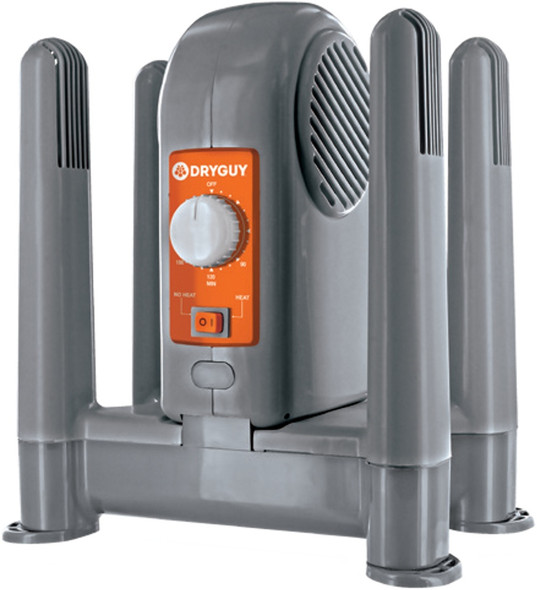
DryGuy Force Dry DX
Dryguy
$108.00DryGuy Force Dry DX | InterexPower: 120V AC Household Outlet, 240 Watts Dimensions: 9D x 10.75H x 9WForced-Air drying system heats to approximately 105 deg F Dries four garments (2 pair) in 1 -2...$108.00 -
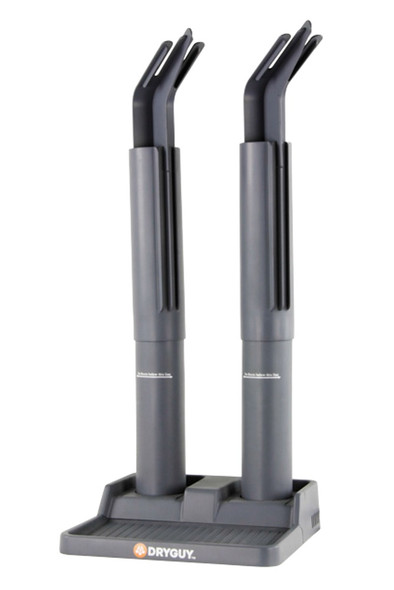
DryGuy Simple Dry - Convection Based Drying System
Dryguy
$63.00DryGuy Simple Dry - Convection Based Drying System | InterexPower: 120V AC Household Outlet, 30 Watts Dimensions: 9D x 21H x 10WConvection based drying system heats to approximately 105 deg F Dries...$63.00 -
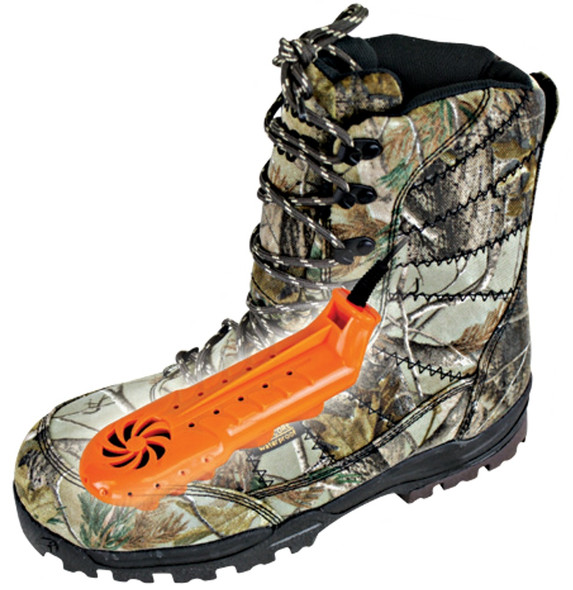
DryGuy Travel Dry DX - Hybrid Drying System
Dryguy
$63.00DryGuy Travel Dry DX - Hybrid Drying System | InterexPower: 120V AC Household Outlet/ 12V DV Vehicle Outlet, 24 Watts Dimensions: 6.5L x 2.25H x 2.5WHybrid convection/ Forced-Air drying system heats...$63.00 -

Force Dry Glove and Shoe Dryer
Dryguy
$81.00Force Dry Glove and Shoe Dryer | InterexWhether you've waded through a stream on your last hike, been hit with a sudden torrential downpour on your last run, or you've just worked up a healthy sweat...$81.00 -
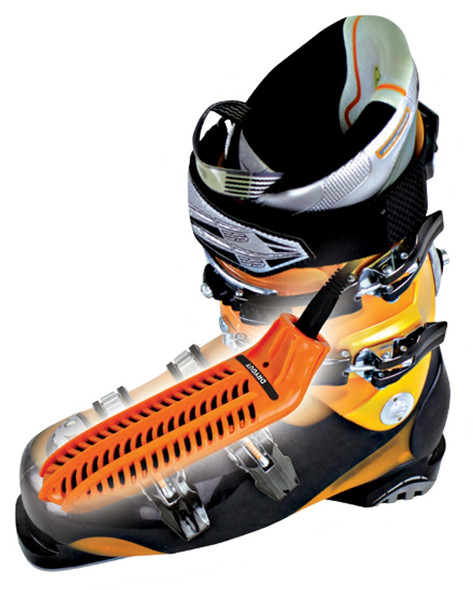
Travel Dry - Convection Based Drying System
Dryguy
$45.00Travel Dry - Convection Based Drying System | InterexPower: 120V AC Household Outlet, 16 Watts Dimensions: 6D x 1.5H x 2.25W Weight: 7 ozConvection based drying system heats to approximately 99 deg F...$45.00
DryGuy Boot and Footwear Dryers: Complete Shopping Guide for All Types and Price Points
DryGuy boot dryers cost $36-$108 and protect workers in construction, mining, and outdoor industries from moisture-related foot problems. Entry-level Travel Dry systems start at $45, professional-grade Force Dry DX from $108, meeting electrical safety standards with 5-year typical lifespan requiring minimal maintenance for optimal performance.
You'll typically find DryGuy products used by construction crews working in wet conditions, miners dealing with underground moisture, outdoor workers facing weather exposure, and emergency responders needing quick gear turnaround. The reality is these dryers prevent athlete's foot, reduce boot replacement costs, and eliminate overnight drying delays that affect productivity.
DryGuy Product Types and Professional Applications
Here's what matters most about DryGuy's three main drying technologies. Convection-based systems like Travel Dry ($45) use gentle air circulation, hybrid systems like Travel Dry DX ($63) combine convection with radiant heat, and forced-air models like Force Dry DX ($108) deliver maximum speed through pressurized airflow.
The BootGlove ($36) represents DryGuy's portable protection solution, designed for field workers who need equipment covers rather than full drying stations. This accessory won't replace dedicated dryers but protects gear during transport and temporary storage in harsh environments.
| Model Type | Price Range | Drying Time | Power Usage | Best For |
|---|---|---|---|---|
| Travel Dry | $45 | 4-6 hours | 150W | Single users |
| Travel Dry DX | $63 | 2-4 hours | 200W | Daily use |
| Force Dry DX | $108 | 1-2 hours | 350W | Heavy-duty use |
| Simple Dry | $63 | 3-5 hours | 175W | Multi-item drying |
| Dry Rack | $94.50 | 2-3 hours | 300W | Multiple boots |
Key Takeaways About DryGuy Boot Dryers
- DryGuy dryers cost $36-$108 and typically last 5-7 years with proper maintenance
- Boot dryers prevent moisture damage but require 110V power outlet within 6 feet
- Force Dry models dry boots in 1-2 hours versus 4-6 hours for basic convection units
- Professional models handle 2-4 pairs simultaneously while portable units serve single users
- Operating costs average $0.15-0.30 per drying cycle based on local electricity rates
- Dryers won't work effectively with severely damaged or worn-out boot materials
- Temperature controls prevent leather damage but extend drying times by 30-50%
How to Choose DryGuy Dryers for Your Specific Work Environment
Select DryGuy dryers based on: daily moisture exposure level (light to heavy), available drying time (1-6 hours), and simultaneous capacity needs (1-4 pairs). Construction sites requiring 2-hour turnaround need Force Dry DX ($108), while office workers with overnight drying time can use Travel Dry ($45) effectively.
Here's the thing about workplace moisture levels - they directly impact dryer selection. Light moisture from office environments works with convection systems, moderate moisture from outdoor work requires hybrid technology, and heavy saturation from mining or marine work demands forced-air systems with higher wattage ratings.
Work Environment Matching Guide
Construction and demolition crews face concrete dust mixed with moisture, requiring Force Dry DX units that handle contaminated water and debris. These environments demand 350W power output and complete drying within 2 hours to meet shift change requirements.
Mining operations deal with underground humidity and chemical exposure, making Simple Dry ($63) or Dry Rack ($94.50) systems ideal for multiple workers. The reality is these environments need units that resist corrosion and handle consistent heavy use without performance degradation.
Emergency responders require portable solutions like Travel Dry DX ($63) that pack easily and operate from vehicle power systems. These workers can't wait for facility-based drying and need equipment that functions reliably in field conditions with limited setup time.
Power and Space Requirements by Environment
Residential use typically accommodates any DryGuy model since homes provide stable 110V power and adequate ventilation. You'll find Travel Dry sufficient for occasional outdoor recreation, while Travel Dry DX handles regular commuter cycling or hiking activities.
Commercial environments must consider electrical load management when installing multiple dryers. Force Dry units draw 350W each, requiring dedicated circuits in facilities running several units simultaneously during shift changes.
- Measure available counter or floor space for permanent installation vs. portable use
- Verify electrical outlet capacity matches dryer power requirements exactly
- Calculate daily drying cycles needed based on workforce size and shift patterns
- Assess ventilation needs for moisture removal during operation periods
- Determine storage requirements for equipment when not actively in use
- Evaluate noise tolerance levels during operation in shared work spaces
DryGuy Equipment Lifespan: When to Replace Your Boot Drying Systems
Replace DryGuy dryers every 5-7 years for daily commercial use, 7-10 years for occasional residential use, based on heating element degradation and fan motor wear. Heavy-duty Force Dry models typically require maintenance after 3 years of continuous operation, while basic Travel Dry units last longer with intermittent use patterns.
You'll typically find replacement becomes necessary when drying times increase by 50% or temperature output drops noticeably. The reality is heating elements gradually lose efficiency, and fan motors develop bearing wear that creates noise and reduces airflow effectiveness over time.
Visual Inspection Indicators for Replacement Timing
Check heating elements for visible corrosion, cracking, or discoloration that indicates thermal stress damage. Inspect power cords for fraying, burning, or damage near connection points that could create safety hazards during operation.
Monitor fan operation for unusual noises, vibration, or reduced airflow that signals bearing failure. Test temperature output consistency - significant variations indicate thermostat problems or heating element degradation requiring professional evaluation.
Maintenance Tasks That Extend Equipment Life
Clean air intake filters monthly to prevent dust buildup that reduces efficiency and overheats internal components. Wipe exterior surfaces weekly with damp cloth to remove salt, chemicals, or debris that could cause corrosion damage.
Here's what matters most for longevity: inspect electrical connections quarterly, test safety shutoffs annually, and replace worn attachment pieces before they damage boot materials. Annual cost for consumable parts averages $15-25 depending on usage intensity.
Professional servicing every 2-3 years costs $40-60 but extends equipment life by 30-40%. The reality is preventive maintenance costs less than early replacement, especially for commercial operations running multiple units daily.
DryGuy Performance Levels: Understanding Drying Technology and Efficiency Ratings
DryGuy's three drying technologies deliver different efficiency levels: convection systems achieve 85% moisture removal in 4-6 hours, hybrid units reach 90% removal in 2-4 hours, and forced-air models accomplish 95% removal in 1-2 hours using pressurized airflow systems.
The reality is higher efficiency costs more upfront but saves time and energy long-term. Force Dry DX ($108) consumes 350W but completes drying in half the time of Travel Dry ($45) at 150W, making it more cost-effective for daily commercial use.
Technology Comparison and Real-World Performance
Convection-based Travel Dry uses gentle air circulation that protects delicate materials but requires overnight drying times. This technology works best for leather boots, dress shoes, and equipment that could be damaged by excessive heat or forced air pressure.
Hybrid Travel Dry DX combines convection with radiant heating for balanced performance and material protection. You'll find this technology ideal for synthetic materials, work boots, and situations requiring moderate speed without risking equipment damage.
| Technology | Moisture Removal | Drying Time | Material Safety | Energy Cost |
|---|---|---|---|---|
| Convection | 85% | 4-6 hours | Excellent | $0.15/cycle |
| Hybrid | 90% | 2-4 hours | Very Good | $0.20/cycle |
| Forced Air | 95% | 1-2 hours | Good | $0.30/cycle |
Capacity and Throughput Specifications
Single-boot models like Travel Dry handle one pair at a time, making them suitable for individual workers or home use. Multi-boot systems like Dry Rack accommodate 2-4 pairs simultaneously, meeting commercial facility requirements for shift changes.
Here's the thing about capacity planning - calculate peak demand periods when multiple workers need equipment dried simultaneously. Force Dry systems won't handle capacity overload effectively, requiring multiple units or scheduling coordination for large crews.
Common DryGuy Mistakes That Reduce Drying Performance
#1 mistake: using maximum heat settings on leather boots reduces protection by 40% and causes permanent cracking within 6 months of regular use. Medium temperature settings extend drying time by 30% but preserve boot integrity and prevent costly replacement cycles.
Overloading multi-boot systems reduces airflow efficiency and extends drying times significantly. The reality is cramming extra boots into Dry Rack units blocks air circulation and creates uneven drying that leaves moisture pockets in boot interiors.
Power and Setup Errors
Using extension cords longer than 6 feet reduces power delivery and heating efficiency by 15-25%. Connect DryGuy units directly to wall outlets whenever possible, or use heavy-duty 12-gauge extension cords for temporary installations requiring longer reaches.
Placing dryers in enclosed spaces without ventilation creates humidity buildup that slows drying and can damage equipment. Ensure 12-inch clearance around units and adequate air circulation to remove extracted moisture effectively during operation.
Material Handling and Temperature Control
Inserting dryers into boots immediately after removing them from feet can damage heating elements due to excessive initial moisture. Allow boots to air dry for 15-30 minutes before using powered drying systems to prevent overload conditions.
Here's what matters most about temperature selection: synthetic materials tolerate higher heat better than leather, but maximum settings can still cause sole separation or material degradation. Start with medium settings and increase gradually if drying time requirements aren't met.
Leaving units running unattended for extended periods wastes energy and can overheat materials. Most DryGuy models include automatic shutoffs, but manual monitoring ensures optimal results and prevents equipment wear from unnecessary operation cycles.
Final Buying Checklist for DryGuy Equipment
- Measure available installation space and verify electrical outlet capacity requirements
- Calculate daily drying cycles needed based on workforce size and schedules
- Compare drying time requirements against available equipment downtime windows
- Evaluate material types requiring drying and select appropriate temperature ranges
- Consider ventilation needs for moisture removal during operation periods
- Research local electricity costs to estimate operating expenses accurately
- Plan for consumable parts replacement and maintenance scheduling requirements
- Verify warranty coverage and service availability in your geographic area
DryGuy equipment provides reliable moisture removal for professional and personal use, but success depends on proper model selection and operation. You'll find these systems cost-effective when matched correctly to specific work environments and usage patterns. The reality is investing in appropriate drying capacity prevents equipment damage and maintains worker comfort in challenging conditions.
For workers needing reliable equipment protection, consider exploring professional safety footwear options that complement drying systems. Those working in chemical environments should review liquid-resistant hand protection for comprehensive moisture management. Construction crews might benefit from waterproof clothing systems that reduce moisture exposure requiring drying.
Industrial facilities should evaluate emergency eyewash stations for comprehensive worker safety programs. Those managing multiple safety systems can explore fire protection equipment that requires similar maintenance scheduling coordination. Workers in demanding environments should consider head protection systems that integrate with moisture management strategies.