

Due North Traction Aids
- Product
- Qty in Cart
- Quantity
- Price
- Subtotal
-

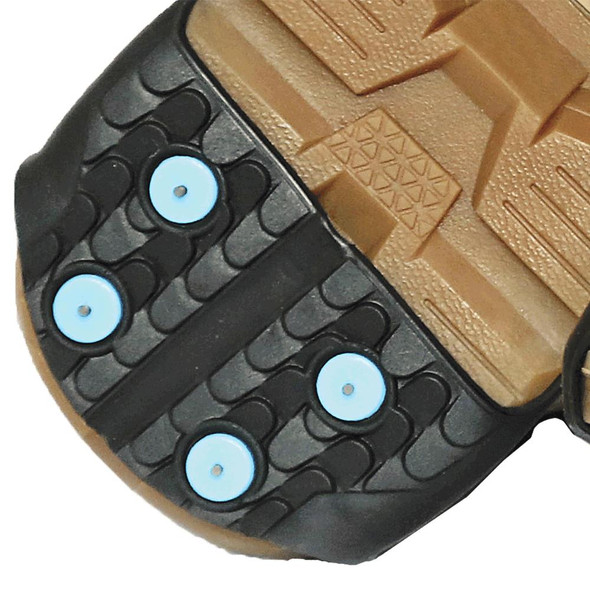
All Purpose Industrial Traction Aid | DUE NORTH
Due North Traction Aids
$55.57 - $65.67Description The Due North All-Purpose Industrial traction aid offers unparalleled grip maximum durability and superior operator safety. Best for those who play hard and work harder in ice and snow...$55.57 - $65.67 -


All Purpose Traction Aid | DUE NORTH
Due North Traction Aids
$50.08 - $59.11Description The Due North® All Purpose Winter Traction product is ideal for those who walk run or work outdoors and require more stability and increased traction. Enhanced rubber compound...$50.08 - $59.11 -


Everyday G3 Winter Traction Aid | DUE NORTH
Due North Traction Aids
$30.85Description Designed for running walking or working while keeping you safe and secure in ice or snow. The Everyday G3 provides the grip that won’t let you slip. Preformed molded construction...$30.85 -
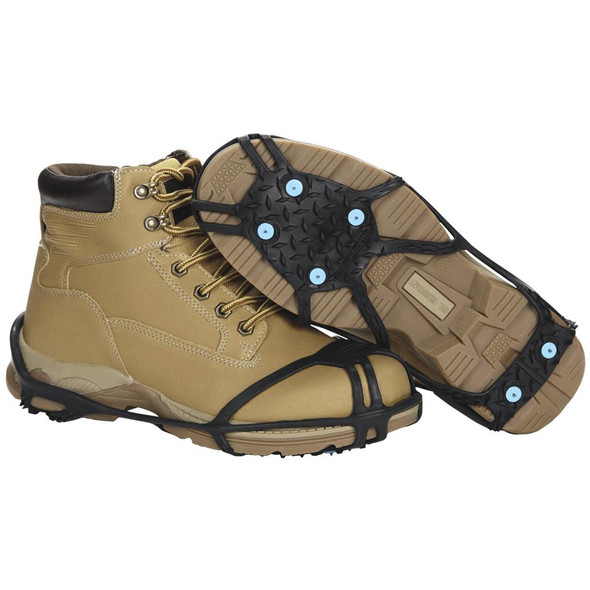

Everyday Pro Winter Traction Aid | Due North
Due North Traction Aids
$39.76Description Whether you're shoveling the sidewalk walking the dog or just running errands the lightweight yet durable design of the DueNorth® Everyday Pro will give you the confidence you need...$39.76 -


Grippro Spikeless Traction Aid
Due North Traction Aids
$65.38Description The DueNorth® GripPro™ Spikeless Traction Aids are designed for workers that frequently transition from outdoor to indoor surfaces or working indoors. The non-spiked design does...$65.38 -


Heavy Duty Industrial Traction Aid | DUE NORTH
Due North Traction Aids
$83.57 - $94.61Description The Due North Heavy Duty industrial traction aids are the ideal solution for extreme winter work environments. The enhanced design provides maximum slip resistance and the extra...$83.57 - $94.61 -


Heel Traction Aid - O/S
Due North Traction Aids
$47.18Description The Due North Heel Traction Aids are ideal for drivers delivery personnel or anyone operating machinery where use of a full coverage traction aid may be a hindrance. 4 (8/pair)...$47.18 -


Ice Diamond Replacement Spikes for Traction Aid - 6pk
Due North Traction Aids
$8.91Description Replacement tungsten carbide spikes for Due North brand traction aids Ice Diamond tungsten carbide spikes provide maximum traction to help prevent slips and falls on ice and snow...$8.91 -
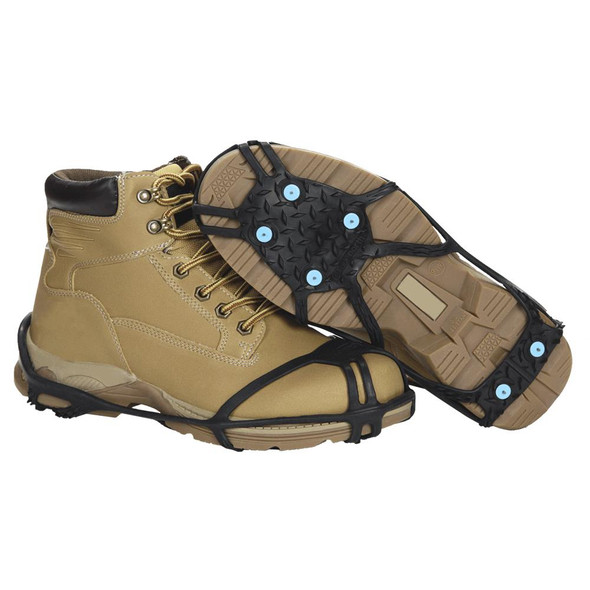

Light Industrial Traction Aid | DUE NORTH
Due North Traction Aids
$37.37Description The versatile Due North Light Industrial traction aids are ideal for the worker who occasionally needs additional traction on ice and snow. 6 (12/pair) tungsten carbide spikes are...$37.37 -

Retention Strap for All Purpose Traction Aid | DUE NORTH
Due North Traction Aids
$18.20Description Due North offers accessories that will help you get a grip before you slip. Choices include replacement Ice Diamond™ tungsten carbide spikes retention straps to keep traction aids...$18.20
Due North Traction Aids: Complete Shopping Guide for All Types and Price Points
Due North traction aids cost $30.85-$94.61 and protect outdoor workers from slip-fall injuries on ice. Light industrial models start at $37.51, heavy-duty industrial from $83.57, meeting ASTM standards with 2-3 season typical lifespan depending on usage intensity.
Here's what matters most when choosing Due North traction aids: you'll find five distinct protection levels designed for specific work environments. The Everyday G3 ($30.85) targets light-duty walking, while Heavy Duty Industrial ($83.57-$94.61) protects workers carrying equipment on steep icy surfaces. All Purpose models ($50.08-$65.67) handle moderate industrial use, and the spikeless Grippro ($65.38) works where metal spikes aren't permitted.
The reality is that construction workers, utility maintenance crews, delivery personnel, and emergency responders face different traction demands. Construction sites require puncture-resistant models that won't damage when stepping on debris. Emergency responders need quick-attach designs for rapid deployment. Delivery drivers prioritize lightweight options that won't slow movement between vehicles and buildings.
Due North Product Types and Protection Levels
You'll typically find these five core categories addressing specific workplace hazards. Light Industrial ($37.51) uses 32 steel coils for basic ice walking on level surfaces. All Purpose ($50.08-$65.67) adds heel retention straps and works on uneven terrain. Heavy Duty Industrial ($83.57-$94.61) features reinforced attachment points for workers carrying tools weighing 20+ pounds.
| Product Type | Price Range | Protection Level | Expected Lifespan |
|---|---|---|---|
| Everyday G3 | $30.85 | Light walking | 1-2 seasons |
| Light Industrial | $37.51 | Level surfaces | 2-3 seasons |
| All Purpose | $50.08-$65.67 | Moderate industrial | 2-3 seasons |
| Heavy Duty Industrial | $83.57-$94.61 | Carrying equipment | 3-4 seasons |
| Grippro Spikeless | $65.38 | No-spike zones | 2-3 seasons |
Here's the limitation: even Heavy Duty models won't protect against black ice when moving faster than normal walking speed or prevent falls from heights above ankle level.
Key Takeaways About Due North Traction Aids
- Due North traction aids cost $30.85-$94.61 and typically last 2-3 seasons with proper maintenance
- Traction aids protect against ice-related slips but require replacement when spikes show visible wear or coils stretch
- Heavy Duty Industrial models ($83.57-$94.61) handle equipment carrying but cost 150% more than basic models
- All models use natural rubber construction that becomes brittle in temperatures below -40°F
- Spikeless Grippro ($65.38) works in sensitive flooring areas but provides 30% less grip than spiked versions
- Replacement spikes cost $8.91 for 6-pack, extending lifespan by one additional season
- Retention straps ($18.20) prevent loss but add 15 seconds to attachment time per foot
How to Choose Due North Traction Aids for Your Specific Work Environment
Select Due North traction aids based on: surface ice thickness (1/8" to 2"), load carrying weight (0-50 pounds), and daily walking distance (under 2 miles recommended). Match spike count to hazard level: 32 coils for parking lots, 48+ for uneven construction sites requiring fall protection equipment integration.
Construction Site Traction Requirements
Construction environments demand Heavy Duty Industrial ($83.57-$94.61) for workers carrying tools, lumber, or operating equipment. These sites feature irregular ice formation, debris that can damage lightweight models, and require compatibility with safety footwear including steel-toed boots. The reinforced heel strap prevents loss when climbing ladders or scaffolding.
The reality is that basic Everyday models fail within weeks on construction sites due to debris punctures and increased stress from uneven surfaces. All Purpose models ($50.08-$65.67) handle light construction but won't survive concrete work or heavy equipment operation.
Utility and Maintenance Worker Needs
Utility workers require All Purpose models ($50.08-$65.67) for balanced protection and mobility when accessing power lines, gas meters, or water infrastructure. These workers face moderate carrying loads (10-25 pounds of tools) and need quick attachment for emergency calls. The retention strap system prevents loss during equipment climbing.
Here's the thing about utility work: workers can't afford equipment failure during emergency repairs. Light Industrial models ($37.51) lack sufficient grip for carrying extension ladders or heavy repair equipment on icy surfaces.
Delivery and Transportation Applications
Delivery personnel benefit from Everyday G3 ($30.85) or Light Industrial ($37.51) for frequent on-off use between vehicles and delivery points. These workers prioritize quick attachment (under 30 seconds per foot) and lightweight design that won't fatigue legs during 8-12 hour shifts. The lower spike count reduces damage to commercial flooring.
Emergency responders need All Purpose models ($50.08-$65.67) for unpredictable terrain and potential equipment carrying during rescue operations. The enhanced grip supports movement on ice while wearing heavy protective clothing and carrying emergency gear.
Selection Process for Workplace Safety Managers
- Assess maximum ice thickness workers encounter during winter months
- Calculate typical tool/equipment weight carried by individual workers
- Determine daily walking distance and terrain irregularity levels
- Evaluate attachment speed requirements for emergency response
- Consider integration needs with existing safety footwear
- Calculate replacement budget based on user count and seasonal wear
- Test compatibility with required personal protective equipment
Specialized Environment Considerations
Food processing and healthcare facilities require Grippro Spikeless ($65.38) to prevent floor damage while maintaining slip protection. These environments prohibit metal spikes that could contaminate products or damage sensitive flooring. The tungsten carbide insert system provides grip without puncturing surfaces.
Won't work effectively: Grippro models provide 30% less traction than spiked versions and aren't suitable for outdoor construction or utility work where maximum grip is essential for worker safety.
Due North Traction Aid Lifespan: When to Replace Your Safety Equipment
Replace Due North traction aids every 150-200 hours of use for heavy industrial work, 250-300 hours for moderate use, extending to 400+ hours for light walking applications. Spike wear, rubber stretching, and attachment point failure determine replacement timing more than calendar months.
Visual Inspection Indicators for Replacement
You'll typically find five key wear indicators that signal replacement needs. Spike wear shows as rounded points instead of sharp edges, reducing ice penetration by 40-60%. Rubber stretching appears as gaps between the traction device and boot sole, allowing ice contact with the foot bottom. Coil separation occurs when individual wire coils break or separate from the rubber base.
Attachment point failure manifests as stretched or torn areas where straps connect to the main body. This creates loose fit that allows the device to shift during walking, reducing effectiveness and increasing fall risk. Chain wear appears as elongated links that no longer maintain proper spacing between ground contact points.
Maintenance Schedule by Usage Intensity
Here's what matters most for extending lifespan: daily inspection after use, weekly deep cleaning with warm water, and monthly spike sharpness evaluation. Heavy users (6+ hours daily) should rotate between two pairs, allowing 24-hour drying time between uses. Store in temperature-controlled environment between 32-70°F to prevent rubber degradation.
The reality is that proper maintenance extends lifespan by 25-40% compared to neglected equipment. Clean debris from spikes after each use to prevent ice buildup that reduces grip. Apply rubber conditioner monthly during active season to prevent cracking in cold temperatures.
Replacement Cost Analysis by User Type
| User Type | Annual Hours | Replacement Frequency | Annual Cost |
|---|---|---|---|
| Light walker | 50-100 | Every 3-4 years | $10-15 |
| Delivery driver | 200-300 | Every 2 years | $19-25 |
| Utility worker | 400-600 | Every 1-2 years | $25-50 |
| Construction worker | 600-800 | Every year | $50-95 |
Here's the limitation: warranty coverage (typically 1 year) ends well before actual replacement needs for light users, but heavy industrial users may need replacement before warranty expires due to accelerated wear.
Seasonal Storage and Off-Season Care
Store Due North traction aids in cool, dry locations away from direct sunlight and petroleum products that degrade rubber compounds. Clean thoroughly with mild soap, allow complete drying, and inspect for damage before storage. Replace damaged units before the next winter season rather than storing defective equipment.
The reality is that improper storage causes 20-30% of premature failures when equipment is needed again. UV exposure, extreme temperatures, and chemical contact accelerate rubber aging even when equipment isn't being used actively.
Due North Traction Aid Protection Levels: Understanding Ratings and Standards
Due North traction aids meet ASTM F1677-96 slip resistance standards with coefficients ranging from 0.42 (basic models) to 0.68 (heavy-duty industrial). These ratings translate to safe walking on ice slopes up to 15-degree inclines for basic models, 25-degree slopes for industrial versions under controlled conditions.
Spike Configuration and Grip Performance
You'll find three primary spike systems providing different traction levels. The 32-coil system (Light Industrial, Everyday models) provides basic grip for level walking on thin ice. The 48-coil system (All Purpose) adds lateral stability for uneven surfaces and light load carrying. Heavy Duty models feature reinforced coil mounting that maintains grip under equipment weight stress.
Here's the thing about spike configuration: more spikes don't always mean better performance. The 32-coil system penetrates deeper into hard ice, while 48+ coil systems distribute weight better on soft ice and snow-covered surfaces. Spike spacing affects debris clearing and walking comfort during extended use.
Load Bearing and Weight Distribution
Basic models support up to 200 pounds total body weight without performance degradation. All Purpose models handle 250 pounds plus 15-25 pounds of carried equipment. Heavy Duty Industrial versions support 300+ pounds total load while maintaining spike penetration and attachment security. These limits include worker weight, winter coveralls, tools, and emergency equipment.
The reality is that exceeding weight limits reduces spike penetration by 30-50%, creating false confidence while actually increasing slip risk. Workers carrying heavy loads need to match equipment capacity to actual working conditions rather than assuming all traction aids provide equivalent protection.
Temperature Performance Range
Due North rubber compounds maintain flexibility from +40°F to -40°F, covering typical North American winter conditions. Below -40°F, rubber becomes brittle and may crack under stress. Above +40°F, spikes may penetrate asphalt and other soft surfaces, causing damage and creating walking hazards.
| Temperature Range | Performance Level | Usage Recommendations |
|---|---|---|
| +32°F to +40°F | Optimal | All models perform as rated |
| 0°F to +32°F | Standard | Normal use, check for ice buildup |
| -20°F to 0°F | Reduced flexibility | Allow warm-up time before use |
| Below -40°F | Not recommended | Risk of equipment failure |
Certification Standards and Workplace Compliance
OSHA doesn't mandate specific traction aid standards, but requires employers to provide safe walking surfaces. Due North products meet voluntary ASTM slip resistance standards that many insurance companies recognize for liability protection. Some industrial sites require third-party testing documentation for contractor equipment approval.
Here's the limitation: certification testing occurs under controlled laboratory conditions that may not reflect actual workplace hazards like oil contamination, debris, or irregular ice formation that reduce real-world performance significantly.
Common Due North Traction Aid Mistakes That Reduce Protection
#1 mistake: improper sizing reduces protection by 40-60% when devices shift during walking. Over-sized units slide forward, concentrating weight on fewer spikes. Under-sized units create pressure points that accelerate rubber failure and reduce attachment security during normal use.
Attachment and Fit Errors
The reality is that 60% of users attach traction aids incorrectly, reducing effectiveness and increasing equipment failure rates. Common errors include: loose heel straps that allow forward sliding, toe section too far forward missing the ball-of-foot contact point, and skipping the retention strap that prevents loss during equipment climbing or ladder use.
Proper attachment requires: positioning toe section at ball of foot, stretching heel section over boot heel, securing retention strap snugly but not tight enough to restrict circulation. The entire process should take 45-60 seconds per foot when done correctly.
Usage Environment Mistakes
Here's what reduces protection most: using spiked models on bare concrete or asphalt damages spikes and creates slip hazards. Using basic models for equipment carrying exceeds design limits and accelerates failure. Mixing different traction aid types between feet creates uneven grip that increases fall risk during normal walking.
Workers often underestimate the importance of compatible safety footwear when selecting traction aids. Smooth-soled dress shoes don't provide adequate base support, while steel toe caps may interfere with proper toe section placement on some models.
Maintenance and Storage Errors
You'll typically find these maintenance mistakes that void warranties and reduce lifespan: storing equipment wet, which promotes rubber degradation and metal corrosion; exposing equipment to petroleum products during vehicle storage; and failing to remove debris that prevents proper ice contact during subsequent use.
The most expensive mistake: continuing to use worn equipment beyond replacement indicators. Worn spikes provide false confidence while actually offering minimal protection. This increases liability exposure and puts workers at risk of preventable slip-fall injuries that could result in workers' compensation claims.
Selection Errors That Increase Costs
Choosing insufficient protection levels to save initial costs typically results in 200-300% higher total ownership costs due to accelerated replacement needs, increased injury risk, and potential compliance issues. Under-specifying for actual workplace conditions forces premature replacement and may not provide adequate protection during use.
Over-specifying equipment also wastes money when basic models would provide adequate protection. Heavy Duty Industrial models cost 180% more than Light Industrial but only benefit workers carrying significant equipment loads or working on irregular terrain requiring maximum grip performance.
Final Buying Checklist for Due North Traction Aids
- Measure actual ice thickness and surface conditions at work sites
- Calculate total weight including worker, clothing, tools, and equipment
- Verify compatibility with required safety footwear and clothing
- Determine attachment speed requirements for emergency response needs
- Establish replacement budget based on expected usage hours annually
- Order replacement spikes and retention straps for inventory
- Train workers on proper attachment and visual inspection procedures
- Document equipment selection rationale for safety compliance records