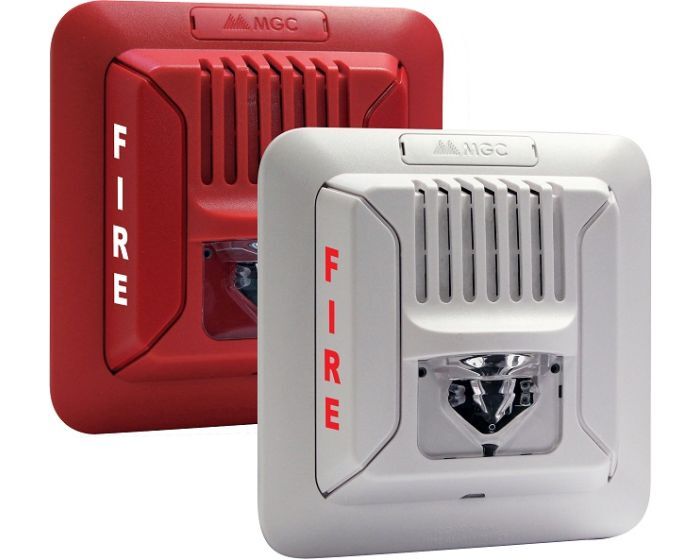
A fire panel that fails during an emergency is not just a compliance problem — it is a liability. All Safety provides fire panel and audibles inspection services across Edmonton and surrounding areas, with most inspections completed within 1–2 business days. Our technicians evaluate fire alarm control panels alongside audible and visual devices including horns, strobes, and pull stations, confirming every component meets CAN/ULC-S536 requirements. To schedule an inspection or ask about your facility's compliance requirements, call All Safety at 587-415-0103 or use the form below.
What All Safety Covers in Every Inspection
All Safety inspects the full fire alarm system, not just the panel itself. Each inspection covers the fire alarm control panel (FACP), notification appliances (horns, strobes, speakers), initiating devices (smoke detectors, heat detectors, pull stations), and any connected monitoring or suppression interfaces. A single visit produces a complete picture of system health rather than a partial report that requires follow-up work.
All inspections follow CAN/ULC-S536, the Canadian standard for inspection and testing of fire alarm systems. Facilities that need documentation for insurance audits, municipal fire inspections, or internal EH&S compliance receive a full written report upon completion.
Scheduling urgent compliance deadlines
Most fire panel inspections complete within 1–2 business days from the time All Safety receives the service request. For Edmonton facilities with firm compliance deadlines, include the required date when booking and the All Safety team will confirm whether an expedited timeline is available. All Safety can also advise on which inspection type applies to your facility before booking if you are unsure whether a municipal or private certification is required.
Alberta Fire Code Requirements for Annual Fire Panel Inspections
Alberta Fire Code mandates that fire alarm systems — including the control panel and all connected components — undergo full inspection and testing at least once per year. Certified technicians must perform the inspections, and completed records must remain on-site for review by fire authorities. Facilities that skip or delay annual testing risk code violations and potential liability.
Codes that govern fire panel inspections in Alberta
Fire panel inspections in Edmonton fall under several overlapping codes. Alberta Fire Code sets the provincial inspection frequency requirements. NFPA 72, the National Fire Alarm and Signaling Code, defines the technical testing procedures technicians must follow for each system component. CSA standards govern electrical safety requirements for fire alarm equipment installed in Canadian buildings. ULC-S561 applies when the panel connects to a central monitoring station.
A ULC-listed inspection company has been independently audited to confirm its technicians and processes meet national fire alarm standards. When evaluating fire panel inspection providers in Edmonton, confirming ULC listing is the most reliable way to verify the company operates within the regulatory framework Alberta authorities recognize.
What the annual inspection record must document
After each annual inspection, the technician must produce a written report identifying every component tested, the result of each test, any deficiencies found, and the corrective actions taken or recommended. Edmonton facilities subject to fire authority audits must keep these records on-site and produce them on request. Incomplete records — even when the physical system is functional — can result in compliance notices.
Key codes governing fire panel inspections in Alberta
- Alberta Fire Code — sets the mandatory annual inspection frequency for all fire alarm systems in the province.
- NFPA 72 (National Fire Alarm and Signaling Code) — defines component-level testing procedures technicians must follow during each inspection.
- CSA standards — govern electrical safety requirements for fire alarm equipment installed in Canadian buildings.
- ULC-S561 — the standard for fire alarm monitoring services; applies when the panel connects to a central monitoring station.
What Technicians Test During a Fire Panel Inspection
A fire panel inspection covers every component connected to the control panel — smoke detectors, heat sensors, manual pull stations, audible alarm devices, battery backup systems, and the panel's own indicators and circuits. Technicians activate each device individually, confirm the panel receives and registers the signal correctly, and verify that audible and visual alarms activate in response. The full process typically requires a facility walkthrough.
Control panel diagnostics
Technicians begin at the fire alarm control panel itself. Every lamp, LED indicator, button, and fuse on the panel face undergoes a functional check. The panel must correctly display zone status, fault conditions, and alarm signals. Where the panel runs on a monitored connection, technicians verify that alarm signals transmit correctly to the monitoring station.
Battery backup testing is a required part of every annual inspection. The battery must demonstrate sufficient capacity to power the entire fire alarm system during a power outage for the duration the applicable code specifies. Batteries that fall below the required threshold must be replaced before the inspection can be certified as complete.
Detector and device testing sequence
Each smoke detector and heat sensor in the facility gets tested individually. Technicians use calibrated aerosol or heat sources to trigger the devices and confirm the control panel receives a clean signal from the correct zone. Pull stations are physically activated at each location to verify both the mechanical mechanism and panel response. Audible horn and strobe devices are confirmed to activate at the correct decibel level and flash frequency.
Fire panel inspection — component testing sequence
- Control panel lamps, LEDs, buttons, and fuses are checked for correct function and display.
- Battery backup capacity is tested to confirm the system can sustain operation during a power outage.
- Each smoke detector is individually activated using calibrated test equipment; the panel signal is verified per zone.
- Heat sensors are triggered and confirmed to transmit correctly to the control panel.
- Manual pull stations are physically operated at every location to test both the pull mechanism and panel response.
- Audible alarm horns and visual strobe devices are activated and confirmed to meet code-specified output levels.
- Monitoring transmission is tested where applicable to confirm alarm signals reach the central station.
Fire Panel Inspection Costs in Edmonton: What to Expect
Fire panel inspection in Edmonton is typically billed at an hourly rate, with most standard commercial buildings completed within a single day. Total cost varies based on facility size, number of devices, system complexity, and whether deficiencies requiring immediate repair are found during the inspection.
Factors that affect the total inspection cost
Facility size is the primary cost driver. A small commercial unit with one fire alarm panel and fewer than 20 devices completes much faster than a multi-floor industrial building with dozens of zones, hundreds of detectors, and suppression system tie-ins. Each additional device adds time, and time directly increases the hourly total.
System age and condition create cost variability that facility managers often overlook when budgeting. Older panels with obsolete components or known fault conditions take longer to test and document. Battery replacement, sensor recalibration, or panel repairs needed on the same visit add to the final invoice separately from the inspection fee itself.
Municipal fees vs. private inspection costs
Edmonton facility managers sometimes confuse two separate cost categories. The City of Edmonton publishes a fee schedule for fire inspections conducted by Fire Rescue Services — this is a municipal compliance check, not the same as the annual technical inspection performed by a private certified provider under Alberta Fire Code. Both may apply to a given facility depending on occupancy type, building permit requirements, or post-incident review. Contact All Safety at 587-415-0103 to confirm which inspection type applies to your building classification before booking.
Primary variables affecting fire panel inspection cost
- Number of devices — each smoke detector, pull station, and horn-strobe unit adds testing time to the job.
- Number of zones — multi-zone systems require individual zone verification, increasing total inspection duration.
- System age — older panels with obsolete components or accumulated faults take longer to inspect and document.
- Repair needs identified on-site — battery replacement, sensor swaps, or wiring corrections are billed separately from the inspection fee.
- Travel and mobilization — remote Edmonton-area facilities may incur travel charges depending on the provider's billing structure.
How to Choose a Certified Fire Panel Inspector in Edmonton
The minimum qualification for a fire panel inspection company operating in Edmonton is ULC listing — an independent certification confirming the company meets national fire alarm standards. Beyond ULC listing, evaluate whether the provider covers the full scope of Alberta Fire Code requirements, carries appropriate liability coverage, and issues a written inspection report that satisfies fire authority documentation requirements.
What ULC listing actually means
ULC (Underwriters Laboratories of Canada) certification is not self-reported. ULC audits the company's technicians, equipment, and procedures against nationally recognized fire alarm standards. A ULC-listed fire alarm service company has demonstrated ongoing compliance with those standards and submits to periodic re-auditing. Hiring a non-ULC provider for fire panel inspection in Edmonton creates a compliance risk — the inspection may not be recognized as valid by local fire authorities or insurance carriers.
Questions to ask before hiring a fire panel inspector
Ask prospective providers whether their technicians carry current CFAA (Canadian Fire Alarm Association) certification, which demonstrates individual-level competency beyond the company's ULC listing. Confirm the provider issues a written inspection report in a format acceptable to Alberta fire authorities. Ask whether the company performs repairs in-house or subcontracts deficiency work — subcontracting can extend the time between inspection and full compliance.
Fire panel inspector selection criteria
- ULC listing — confirms the company meets national fire alarm standards and is recognized by Alberta fire authorities.
- CFAA-certified technicians — individual certification that verifies the technician's competency in fire alarm testing procedures.
- Written inspection report — the provider must issue documentation covering every device tested, results, and any deficiencies found.
- In-house repair capability — providers who handle deficiency repairs directly reduce the time between inspection and full compliance.
- Alberta Fire Code familiarity — confirm the provider understands provincial-specific requirements, not just NFPA 72 minimums.
On-Site Fire Panel Inspections Reduce Downtime for Edmonton Facilities
Transporting fire safety equipment off-site for inspection creates operational gaps — the equipment is unavailable during transit and testing, leaving the facility without certified systems for hours or longer. On-site inspection eliminates this gap. Technicians bring all necessary testing equipment to the facility, inspect and certify devices in place, and deliver full system documentation before leaving the site.
Why downtime is a practical problem, not just an inconvenience
Industrial facilities, construction sites, and buildings with continuous operations cannot remove fire alarm panels or detection devices from service for testing cycles that span multiple days. Each hour a certified system is unavailable creates a compliance exposure and a direct safety gap. On-site inspection keeps fire detection and alarm systems active throughout the process, with only brief, controlled interruptions during individual device activation tests.
Facilities with large inventories of safety equipment — fire extinguishers, fall protection gear, gas detection monitors, and fire panel systems — benefit from consolidated on-site service visits. Testing multiple equipment categories in a single technician visit reduces total facility disruption compared to scheduling separate service trips for each equipment type.
On-site inspection advantages for Edmonton facilities
- Fire alarm systems remain active throughout the inspection — no compliance gaps from equipment removal.
- Same-day certification documentation is issued on-site, without waiting for off-site processing.
- Multi-equipment inspections in one visit — fire panels, extinguishers, fall protection, and gas monitors serviced together.
- Scheduling works around facility operations rather than requiring equipment transport logistics.
- Technicians identify and document deficiencies in real operational context, with direct access to all connected devices.