
MSA
Altair 4XR Multi-Gas Detector, 4 Gas, LEL - O2 - CO - H2S | MSA
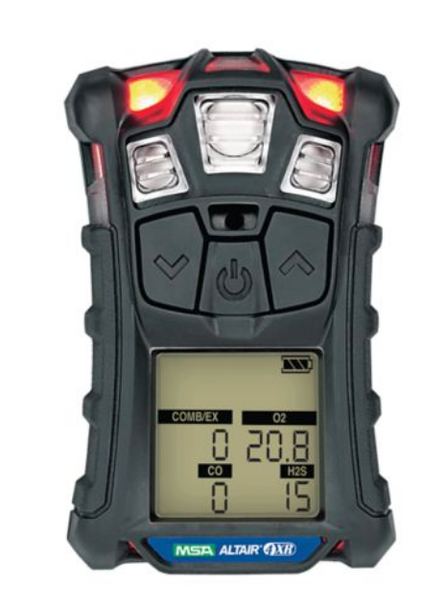
- SKU:
- 10178557

Description
- Canadian Maple Leaf design
- V-Gard® helmet with distinctive "all Canadian" graphics
- FAS-TRAC® suspension
- Meet requirements of ANSI Z89.1 for a Type I helmet, Class E and CSA Z294.1 Type 1, Class E
Specifications
- Suspension Type: Ratchet
- Colour: Red/White
- Venting Type: Non-Vented
- Certification(s): ANSI Type I/Meets/Exceeds CSA Type 1
- Class: ANSI Class E/Meets/Exceeds CSA Class E
Catalog Page & Resources
More Info
Gas Monitors for Confined-Space and Routine Site Monitoring
The Altair 4XR Multi-Gas Detector is a 4 gas portable gas monitor designed for field and site gas detection. Confined-space entry workers, emergency responders, and maintenance technicians typically use this MSA wearable detector to monitor LEL - O2 - CO - H2S levels for task-based and continuous checks. The unit pairs portable monitoring, data logging, and alarm thresholds with rugged design and user-adjustable settings.
Industry Applications and Professional Use
Oil & Gas Work Environments
Field technicians and drilling crews commonly use the Altair 4XR 4 gas monitor during wellsite checks and production rounds to detect combustible gas (LEL) and H2S presence. The portable monitor supports LEL sensor response and audible/visual alarms for fast site decisions.
Mining Operations
Mine supervisors and shift crews often carry the Altair 4XR for carbon monoxide detection and combustible gas monitoring in tunnels and development headings. The wearable detector supports continuous monitoring and alarm thresholds during routine shifts.
Utilities and Wastewater Facilities
Maintenance technicians and confined-space teams typically use this portable gas monitor when inspecting manholes and tanks to check oxygen and hydrogen sulfide levels. The device supports confined space safety practices and short-duration entry checks.
Construction and Manufacturing Sites
Site supervisors and contractors commonly deploy the Altair 4XR for periodic atmospheric surveys in enclosed areas and during hot work preparations. The detector provides rapid indications for combustible gas and toxic gas presence.
Emergency Services
Emergency responders usually carry the Altair 4XR when entering unknown atmospheres to quickly assess O2, CO and H2S conditions. The unit’s wearable form and alarm thresholds facilitate fast situational awareness during response operations.
Technical Specifications and Product Features
Understanding Product Standards
Technical features such as sensor types, bump test capability, and data logging matter for reliable field performance and regulatory workflows. Users value clear alarm thresholds, field calibration gas compatibility, and rugged, wearable detector design. Confirm manufacturer specifications for full environmental ratings and sensor lifetimes.
| Specification | What It Means | Practical Benefit |
|---|---|---|
| 4 gas: LEL, O2, CO, H2S | Built-in sensors measure lower explosive limit, oxygen, carbon monoxide and hydrogen sulfide | Enables combined combustible gas detection and toxic/oxygen monitoring with one wearable detector |
| Model: Altair 4XR (portable gas monitor) | Rugged handheld/wearable design with data logging and alarms | Supports daily-use surveys, confined-space checks, and incident response logging |
| Certifications: ANSI Z89.1; CSA Z294.1; ANSI Type I; CSA Type 1 | Standards listed in vendor material — these standards typically apply to referenced accessories | Confirm detector-specific certifications and approvals with the manufacturer before selecting for regulated tasks |
What does "LEL" mean?
LEL stands for Lower Explosive Limit and describes the lowest concentration of a combustible gas that can ignite in air. LEL sensors indicate combustible gas presence so users can take appropriate mitigation steps per procedures.
Use Case Scenarios and Applications
Confined-Space Entry Monitoring
In confined-space operations the Altair 4XR typically serves as both a pre-entry survey tool and a worn monitor during entry. Teams often combine bump tests, calibration checks, and recorded data logging before and during entry to follow permit procedures.
Routine Site and Shift Monitoring
Maintenance technicians commonly use the portable gas monitor during daily rounds to track CO and combustible gas trends. Users rely on alarm thresholds and data logging to document conditions and trigger follow-up actions.
Weather-Dependent Outdoor Checks
During outdoor inspections and drilling operations the Altair 4XR generally performs as a spot-check and continuous monitor for H2S and LEL sources. Operators often place the wearable detector in the breathing zone to get representative readings.
Emergency Response and Rapid Assessment
Emergency responders frequently use the Altair 4XR as a fast-screening device at incidents to identify oxygen-deficient or toxic atmospheres. The detector’s audible and visual alarms provide immediate cues for scene safety decisions.
Ideal Applications and Work Environments
Where This Product Category Excels
- Confined-space entry: Portable monitoring of O2, CO and H2S aligns with permit-entry checks and worker monitoring.
- Oil and gas operations: LEL and H2S detection supports wellsite walkdowns and drilling site surveys.
- Wastewater maintenance: H2S and oxygen monitoring suits manhole and tank inspections where toxic gas can accumulate.
- Mining shifts: Continuous CO and combustible gas checks assist in maintaining safe atmospheric conditions during operations.
Professional Applications
Workers Who Rely on This Equipment
- Safety coordinators : Use the Altair 4XR to perform routine area surveys and verify alarm events.
- Maintenance technicians : Carry the portable gas monitor for pre-task checks and equipment-room inspections.
- Confined-space entry workers : Wear the detector during entry to monitor O2, H2S and CO levels in real time.
- Site supervisors : Use logged data from the detector to review conditions and confirm corrective actions.
- Emergency responders : Deploy the wearable detector for fast screening of unknown atmospheres at incident scenes.
Complete Safety Equipment Solutions
Complementary Safety Gear
The Altair 4XR portable gas monitor works alongside respiratory protection, head protection and eye protection to form a layered safety approach. Multiple layers of equipment usually reduce exposure risk and improve overall site resilience. Select complementary gear based on site hazards and task requirements.
Recommended Equipment Combinations
- Confined-space entry : Altair 4XR + respirator + harness + gas sampling pump
- Industrial maintenance : Altair 4XR + hard hat + safety glasses + hi-viz vest
- Emergency response : Altair 4XR + SCBA or APR (as appropriate) + incident command communication tools
Selection Guide and Product Suitability
When to Choose This Product
Choose the Altair 4XR when you need a wearable 4 gas detection solution for LEL - O2 - CO - H2S monitoring in confined-space, industrial, or field environments. Select this model for daily-use surveys, data logging needs, and situations that require rugged portable monitors. Confirm detector environmental ratings and sensor lifetimes for extended outdoor deployments.
Key Evaluation Factors
- Sensor types and expected service life
- Bump test and field calibration workflow
- Data logging, alarm thresholds, and event reporting
- Durability and wearable mounting options
Limitations and Alternative Considerations
This unit may not suit specialized applications that require detector-specific regulatory approvals or intrinsically safe ratings not listed here. Consider instrument models with certified IS ratings or additional sensors for specialized tasks. Available from All Safety with standard, expedited, or overnight shipping to suit project timelines.
Daily Use and Maintenance
Workplace Integration
Use the Altair 4XR during routine site monitoring, confined-space entry, and emergency response per manufacturer instructions. Position the wearable detector in the breathing zone and monitor alarm thresholds during tasks to maintain situational awareness.
Care and Replacement Guidelines
Follow manufacturer instructions for daily bump tests and routine visual inspections, and perform sensor calibration per schedule using field calibration gas. Replace sensors, filters, and batteries based on failed bump tests, end-of-life notifications, or manufacturer-recommended intervals, and store the unit in a cool, dry location when not in use.
How do I perform a bump test on the Altair 4XR?
Perform a bump test per manufacturer procedures by exposing the sensors to a known concentration of test gas and confirming alarm response. Log results and remediate any failed tests before entering hazardous areas.
When should I replace sensors or batteries?
Replace sensors and batteries according to manufacturer specifications or if the unit reports end-of-service notifications. Industry practice generally replaces sensors based on life expectancy, failed bump tests, or degraded response during calibration.
Ordering and Delivery
How to Order
Contact All Safety or use the product page to request the Altair 4XR Multi-Gas Detector and confirm accessory needs such as calibration gas, chargers, and replacement sensors. Verify detector configuration, required sensors, and any site-specific approvals before purchase.
Delivery and Support
All orders typically receive order confirmation and shipping choices, and technical support is available to discuss integration, calibration, and maintenance best practices. Ask the All Safety sales team about available calibration kits, spare sensor kits, and training resources.
Related Products
Related Products

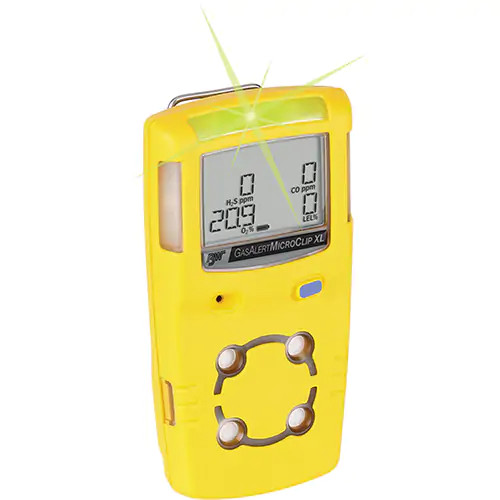
MicroClip XL Multi-Gas Detector | LEL, CO, H2S, O2 | Gas Alert | BW | Honeywell
Honeywell
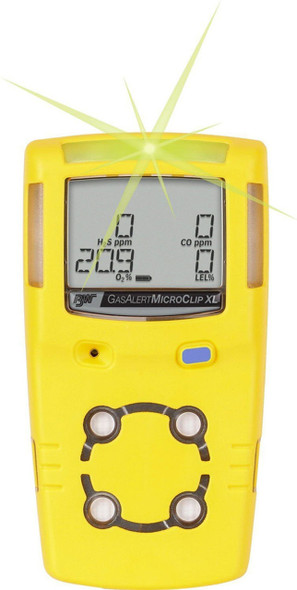
Reconditioned MicroClip XL Multi-Gas Detector | %LEL, CO, H2S, O2 | Gas Alert
Honeywell


Portable Multi Gas Detector - X-Am 8000 PID/CatEx/O2/CO/H2S | Draeger
Draeger

Portable Multi Gas Detector - X-AM 5800 EX, O2, CO-LC, H2S | Draeger
Draeger

Portable Multi Gas Detector - X-AM 2800, Ex, O2, CO, H2S + Power Set | Draeger
Draeger