
Gasclip MGC-IR 4head Monitor | RECHARGABLE

- SKU:
- GACMGC

Description
-
Battery life for months instead of hours!
Day in, day out, your workers have to charge their portable multi gas detectors so they can keep testing for the presence of hydrogen sulfide (H2S), carbon monoxide (CO), oxygen (O2) and combustible gases (LEL). Unfortunately, sometimes they may forget to do so. Gas Clip Technologies can help prevent this safety risk with our new Multi Gas Clip (MGC).
The new MGC can go a full 2 months without a charge, even without ever having to be turned off. Shut down the detector nightly and the battery can last up to 4 months.
How is this accomplished?
What’s the secret of the MGC’s extended battery life? It uses low-power photo-metric technology for the detection of the combustible gases (LEL). Instead of draining the battery with archaic pellistor technology, the MGC uses an IR source. This conserves power, so the battery lasts and lasts and lasts.
- 2 month battery life (continuous run time)
- Will work in inert environments, no need for oxygen
- Simple to use
- Bump/Calibration reminders
- Docking station compatible
- Programmable user ID
More Info
Product Category for Primary Application
Safety coordinators, maintenance technicians, and confined space workers working in industrial and confined-space environments rely on the Gasclip MGC-IR 4head Monitor to continuously detect H2S, CO, O2 and combustible gases (LEL). The rechargeable multi gas detector is a portable gas monitor designed for long runtime and LEL detection using a low-power IR photo-metric sensor. It typically offers bump/calibration reminders, docking station compatibility, and programmable user ID for routine workflows.
Industry Applications and Professional Use
Oil & Gas Work Environments
Site supervisors and pipeline crews commonly use this multi gas detector during inspections and routine patrols to monitor H2S, CO, O2 and LEL levels. The IR sensor and extended battery life reduce downtime for charging during long field shifts. Workers often carry the monitor on-person or place it in work zones for continuous monitoring.
Mining Operations
Underground miners and shift supervisors typically use the MGC for extended runtime in long shifts where recharge opportunities are limited. The ability to operate in inert atmospheres and the IR LEL detection make it suitable for combustible gas surveillance in ventilated and poorly ventilated areas. Teams often use docking stations for routine bump tests between shifts.
Utilities and Plant Maintenance
Maintenance technicians and plant operators generally use the rechargeable gas monitor for confined-space entry and equipment checks. Programmable user ID and bump/calibration reminders help support routine compliance procedures and traceability across crews. Docking station compatibility aids centralized management of fleets of monitors.
Manufacturing and Emergency Services
Safety coordinators and emergency responders commonly deploy the MGC for on-site hazard assessment and incident response. The portable multi gas detector supports spot checks and continuous monitoring during maintenance, startup, or emergency operations. Its long battery life helps reduce the frequency of recharging during extended events.
Technical Specifications and Product Features
Understanding Product Standards
Technical features matter because they affect runtime, sensor performance, and operational flexibility in different atmospheres. The IR photo-metric LEL sensor offers a low-power alternative to pellistor technology, which typically extends battery life. These specs support continuous monitoring workflows and reduce time spent off-task for charging.
What does IR photo-metric LEL sensor mean?
An IR photo-metric sensor uses an infrared light source to detect combustible gases rather than a pellistor element. This approach generally consumes less power and functions in inert atmospheres where oxygen is absent. Users often prefer IR LEL detection when long battery life and operation without oxygen are priorities.
| Specification | What It Means | Practical Benefit |
|---|---|---|
| 2 month continuous runtime (up to 4 months with nightly shutdown) | Manufacturer-stated battery performance for uninterrupted operation or extended life with nightly shutdown | Reduces recharge cycles and lowers downtime for continuous monitoring and long shifts |
| Detects H2S, CO, O2 and LEL | Four-head sensor array for the most common workplace toxic and combustible hazards | Supports confined-space entry and general area monitoring without needing multiple instruments |
| IR photo-metric LEL sensor; works in inert environments | LEL detection uses IR optics and operates without requiring oxygen for sensor function | Enables combustible gas monitoring in oxygen-deficient atmospheres and lowers power draw |
| Rechargeable, docking station compatible, bump/calibration reminders, programmable user ID | Features supporting fleet management and routine maintenance workflows | Simplifies data tracking, bump testing, and recharging across multiple users and shifts |
Use Case Scenarios and Applications
Continuous Monitoring
The MGC performs as a continuous monitor when teams need ongoing detection during operations and patrols. Long runtime supports persistent monitoring without frequent charging interruptions. Users typically integrate it into daily site safety routines for persistent hazard awareness.
Confined-Space Entry
Confined-space workers commonly use the multi gas detector for pre-entry checks and while inside a space to monitor O2, H2S and CO. The unit’s bump reminders and portable form factor support regulatory checks before entry. Its inert-atmosphere capability usually allows LEL checks where oxygen is low or absent.
Indoor and Outdoor Use
Maintenance teams often deploy the monitor both indoors and outdoors for leak detection and area surveillance. Docking station compatibility helps return units to central locations for bump tests and charging. Programmable IDs aid in tracking readings by user or location.
Daily-Use and Shift-Based Workflows
When crews run multi-shift operations, the rechargeable battery life and bump/calibration reminders reduce management burden. Workers typically carry the unit on the person or place it in the work area depending on task. The long runtime helps minimize mid-shift instrument swaps.
Ideal Applications and Work Environments
Where This Product Category Excels
- Oil & Gas pipeline inspections : Long battery life and IR LEL detection suit extended field surveys where recharging is limited.
- Confined-space entry operations : Dual toxic and oxygen sensors plus LEL monitoring support pre-entry checks and in-space monitoring.
- Underground mining shifts : Extended runtime reduces downtime for recharges on long underground shifts and supports inert atmosphere operation.
- Utilities and plant maintenance : Docking station compatibility and bump reminders streamline fleet management and routine compliance checks.
Not Recommended For
- Specialized certified workflows : Not suitable where specific third-party approvals or certification classes are required; consider certified or application-specific instruments.
- High-voltage dielectric testing : May not fit electrical work that requires a Class E dielectric-rated head protection or instruments designed for that purpose; consider tools specified for those electrical applications.
Professional Applications
Workers Who Rely on This Equipment
- Safety coordinators : Use the monitor to manage fleet readiness, assign programmable IDs and track bump/cal schedules.
- Maintenance technicians : Carry the portable gas detector during routine inspections and lockout/tagout activities.
- Gas technicians : Use IR LEL detection for combustible gas surveys and leak verification in oxygen-limited scenarios.
- Confined space workers : Rely on O2, H2S and CO readings for pre-entry and in-space monitoring.
- Emergency responders : Deploy the MGC for initial scene assessment and sustained monitoring during incidents.
Complete Safety Equipment Solutions
Complementary Safety Gear
The multi gas detector works alongside respiratory protection, bump test kits, calibration gas and docking stations to form a more complete hazard management system. Multiple layers of equipment typically improve detection and response capability on site. Teams usually pair instruments with administrative controls and PPE for comprehensive programs.
Recommended Equipment Combinations
- Confined-space entry : MGC + respirator + calibration gas + bump test kit
- Field inspections : MGC + docking station + spare battery/charger
- Emergency response : MGC + portable ventilation + personal protective equipment
Selection Guide and Product Suitability
When to Choose This Product
Choose the Gasclip MGC-IR when teams need a rechargeable multi gas detector with extended runtime for continuous monitoring or multi-shift use. Select it for operations that may encounter inert atmospheres where IR LEL detection performs without oxygen. Consider it when fleet management features like docking station compatibility and programmable user ID matter.
Key Evaluation Factors
- Required sensor set for the work (H2S, CO, O2, LEL)
- Expected runtime and recharge logistics for shifts
- Need to operate in inert atmospheres versus pellistor-based LELs
- Compatibility with docking stations, bump tests and calibration workflows
Limitations and Alternative Considerations
This product may not be appropriate where specific third-party approvals or electrical dielectric classes are mandatory; consider certified instruments or application-specific models in those cases. For projects requiring rapid procurement, All Safety offers standard, expedited, or overnight shipping to suit project timelines.
Daily Use and Maintenance
Workplace Integration
When teams use the MGC during shifts, they typically carry it on the person or station it in work areas for continuous monitoring per manufacturer instructions. A common practice pairs the unit with a docking station for automatic bump tests and charging cycles. Users often assign programmable IDs to link readings to personnel and tasks.
Care and Replacement Guidelines
Follow manufacturer instructions for routine bump tests, calibrations, sensor and battery inspections, and functional checks before use. Clean the case with a damp cloth and avoid solvents as recommended, and replace sensors or batteries per manufacturer-specified end-of-life procedures. Store units per manufacturer instructions in a cool, dry location with a partial charge when not in use.
Ordering and Delivery
How to Order
Order the Gasclip MGC-IR 4head Monitor through All Safety’s product page or by contacting customer service for assistance with fleet sizing and accessory selection. Sales teams typically advise on docking station, bump test kit and calibration gas bundles to match your workflows. Programmable ID and fleet management options can be configured at purchase.
Shipping Options and Support
All Safety ships via standard, expedited, or overnight shipping options depending on urgency and availability. Technical support and pre-sale consultation are usually available to help match the monitor to your application and complementary safety gear. For warranty, calibration service and ongoing support, contact All Safety or follow manufacturer service channels.
Related Products
Related Products

Gasclip Simple 4 Head Monitor | 2 Year Disposable


Fixed Base For Irs Posts

DrugTest 5000 Mobile Printer (IR) | Draeger
Draeger

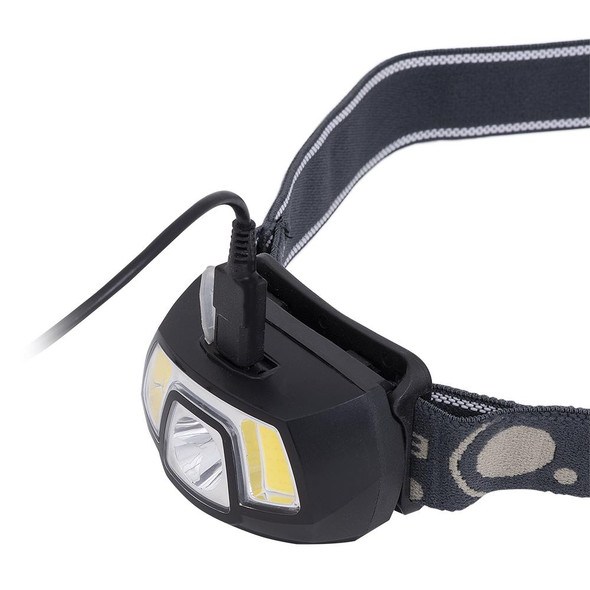
SMD/COB Headlamp - Rechargeable - 250 Lumens | Startech
Startech