
Hellberg
- Product
- Qty in Cart
- Quantity
- Price
- Subtotal
-

Acetate Clear Anti-Fog (20cm/7.87")
Hellberg
$27.99Suitable for: Physical Distancing, Chemical splash, Manufacturing, Food Processing$27.99 -

Active - Cap mounted
Hellberg
$318.92Hearing protection with advanced Level Dependent system ACTIVE allows you to communicate with your collegues, hear warning signals and other important information while protected from hazardous...$318.92 -

Active Headband Earmuff | Level Dependent | Hellberg
Hellberg
$318.92Active Headband Earmuff | Level Dependent | Hellberg Designed for light weight and cushioned comfort, this quality headband is ideal for high noise or impact noise environments. Level...$318.92 -

Attachment Post
Hellberg
$12.04Allow visor attachment without need for hearing protection. Compatible with Hellberg regular and FLEX visor holders.$12.04 -

Browguard
Hellberg
$17.89Hellberg interchangeable visor system, compatible with or without hearing protection$17.89 -

Classic H10 Cap Mount
Hellberg
$41.90Hearing protection attaches to your safety helmet for long-term use in medium-to-high noise levels or shorter periods in extreme noise levels (90-110 dB) NRR 25, CSA:A$41.90 -

Classic H10 Headband
Hellberg
$34.18Headband hearing protection for long-term use in medium-to-high noise levels or shorter periods in extreme noise levels (90-110 dB) NRR 26, CSA:A$34.18 -

Classic H12 Cap Mount
Hellberg
$47.07Hearing protection attaches to your safety helmet for long-term use in high to extreme noise levels (100-120 dB) NRR 28, CSA:A$47.07 -
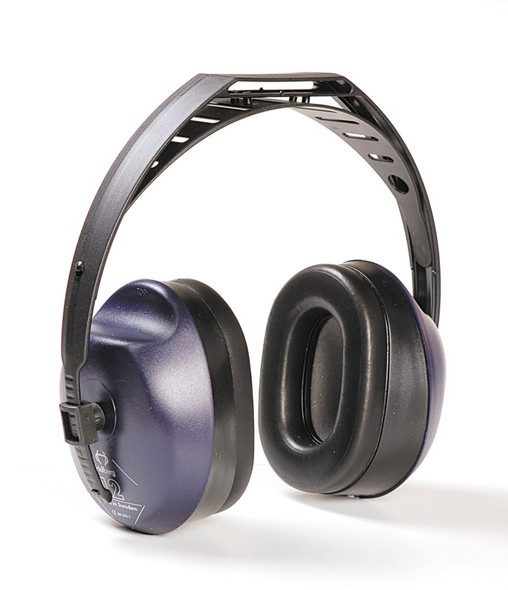
Classic H12 Headband
Hellberg
$41.90Headband hearing protection for long-term use in high to extreme noise levels (100-120 dB) NRR 29, CSA:A$41.90 -

Classic H8 Cap Mount
Hellberg
$34.18Hearing protection attaches to your safety helmet for long-term use in low-to-medium noise levels, or shorter exposure to high noise levels (80-100 dB) NRR 22, CSA:B$34.18 -

Classic H8 Headband
Hellberg
$26.42Headband hearing protection for long-term use in low-to-medium noise levels, or shorter exposure to high noise levels (80-100 dB) NRR 23, CSA:B$26.42 -

Classic POP Headband
Hellberg
$26.96Lightweight headband hearing protection designed for long term use in low noise levels, or shorter exposure to medium noise levels. Also ideal for smaller heads! (80-100 dB) NRR 23, CSA:A$26.96 -

Classic Safe-1 Attachment Arms
Hellberg
$11.61Visor attachment for use with hearing protection, compatible with all Hellberg Classic passive headband earmuffs$11.61
Hellberg Safety Equipment Costs: Complete Shopping Guide for All Types
Hellberg hearing protection costs $26-$319 and protects workers from noise-induced hearing loss in industrial environments. Entry-level Classic POP headband earmuffs start at $26.96, professional-grade Active level-dependent models from $318.92, meeting ANSI standards with 5-7 year typical lifespan. Face protection acetate shields cost $27.99 while etched steel mesh runs $38.61.
You'll typically find four main Hellberg product categories serving different safety needs. Classic series earmuffs ($26-$47) suit general industrial noise, Active electronic models ($318) work for intermittent communication needs, face shields ($17-$38) protect against impact and debris, while Global Bluetooth systems ($238) integrate communication technology for complex operations.
Hellberg Product Types and Their Industrial Applications
Construction workers rely on Classic H10 and H12 models for consistent noise reduction during extended shifts. The reality is these passive earmuffs won't allow radio communication but provide reliable 25-30 dB noise reduction. Welders choose acetate or mesh face shields combined with cap-mounted hearing protection for dual-hazard environments.
Manufacturing facilities prefer Active electronic earmuffs that amplify safe sounds while blocking harmful noise levels. Here's what matters most: these units cost 12 times more than basic models but enable critical communication during machine operation. They're not suitable for continuous high-noise environments exceeding 115 dB.
| Product Type | Price Range | Protection Level | Typical Lifespan | Primary Use |
|---|---|---|---|---|
| Classic Passive Earmuffs | $26-$47 | 22-30 dB NRR | 5-7 years | General industrial noise |
| Active Electronic Earmuffs | $318-$319 | Level-dependent | 3-5 years | Communication required |
| Face Shield Visors | $17-$38 | Impact resistant | 6-12 months | Debris/splash protection |
| Bluetooth Communication | $238-$239 | Integrated system | 3-4 years | Team coordination |
| Cap Mount Systems | $34-$47 | 22-28 dB NRR | 4-6 years | Hard hat integration |
Key Takeaways About Hellberg Safety Equipment
- Hellberg hearing protection costs $26-$319 and typically lasts 3-7 years with proper maintenance
- Classic series protects against industrial noise but requires replacement when foam deteriorates
- Active electronic models cost 12x more but enable communication in noisy environments
- Face shields protect eyes from impact but won't stop chemical splashes or radiation
- Cap-mounted systems integrate with hard hats but add 8-12 oz weight to headwear
- Bluetooth models require battery charging every 2-3 days during active use
- Professional-grade equipment includes 2-year manufacturer warranties vs 1-year standard
How to Choose Hellberg Equipment for Your Specific Work Environment
Select Hellberg hearing protection based on: noise exposure levels (85-115 dB), communication requirements (yes/no), and hard hat integration needs (cap mount/headband). Construction sites with intermittent machinery use Active electronic models, while continuous production lines require Classic passive protection. Welding operations need combination welding protection equipment with face shields.
Manufacturing environments with 90-105 dB noise levels work best with Classic H10 or H12 models providing 25-30 dB reduction. Here's the thing about electronic hearing protection: it's designed for environments where workers need situational awareness between noise bursts. These units won't protect adequately in continuous noise exceeding 110 dB.
Noise Level Requirements and Protection Selection
Measure workplace noise levels before selecting protection. Classic POP models suit 85-95 dB environments like office manufacturing areas. Classic H8 systems handle 95-105 dB found in machine shops and assembly lines. Classic H12 units work for 105-115 dB environments including heavy machinery operation.
You'll typically find Active electronic models necessary when workers need radio communication during equipment operation. The reality is these systems automatically compress sounds above 82 dB while amplifying speech and warning signals. They're not suitable for chemical plants where intrinsic safety ratings are mandatory.
Hard Hat Integration and Comfort Considerations
Cap-mounted systems add $8-$21 to equivalent headband models but eliminate interference with hard hats and headwear. Hellberg's attachment arms ($11.61) retrofit existing hard hats for Classic series integration. Here's what matters most: cap mounts distribute weight across the helmet rather than creating pressure points on ears.
Consider head size and shift duration when selecting models. Classic series accommodates head circumferences from 54-62 cm with adjustable headbands. Active models weigh 350-400 grams compared to 200-250 grams for passive units. Workers wearing protection over 4 hours daily prefer lighter Classic models.
Step-by-Step Hellberg Selection Process
- Measure average and peak noise levels in your work environment
- Determine if communication capability is required during work
- Check if hard hat integration is necessary for your safety protocols
- Calculate budget including replacement costs over 3-5 year period
- Test comfort with different models during typical work duration
- Verify compatibility with other PPE like safety glasses or respirators
- Confirm models meet your industry's specific safety certifications
Hellberg Equipment Lifespan: When to Replace Your Safety Gear
Replace Hellberg hearing protection every 3-5 years for daily industrial use, 5-7 years for occasional operation. Classic passive models last longer than Active electronic units due to fewer moving parts and battery systems. Face shield visors require replacement every 6-12 months depending on impact frequency and debris exposure.
Electronic components in Active and Bluetooth models typically fail after 3-4 years of regular use. The reality is battery performance degrades first, followed by amplification circuits and volume controls. Passive Classic models mainly wear at foam seals and headband adjustment points.
Visual Inspection Indicators for Replacement
Check foam ear seals monthly for cracks, hardening, or permanent compression. Replace units when foam doesn't spring back within 2-3 seconds after compression. Headband cracks near adjustment points indicate stress fatigue requiring immediate replacement.
Active model batteries losing charge capacity below 8-hour shifts signal replacement needs. Here's the thing about electronic hearing protection: static, distortion, or intermittent operation indicates circuit failure. Don't attempt repairs—these safety-critical devices require manufacturer replacement.
Maintenance Tasks That Extend Equipment Life
Clean ear seals weekly with mild soap solution and air dry completely before storage. Inspect electronic contacts monthly for corrosion, especially in humid environments. Store units in protective cases to prevent drop damage and extend lifespan by 12-18 months.
Rotate multiple units to reduce individual wear when possible. You'll typically find teams using 2-3 sets per worker extends overall replacement cycles. Active models require firmware updates annually through authorized dealers to maintain optimal performance.
Annual Cost Calculations for Different Usage Levels
| Usage Level | Equipment Type | Replacement Cycle | Annual Cost | Total Protection Hours |
|---|---|---|---|---|
| Light (2-4 hrs/week) | Classic POP | 7 years | $3.85 | 520-1,040 hours |
| Moderate (20-30 hrs/week) | Classic H10 | 5 years | $6.84 | 5,200-7,800 hours |
| Heavy (40+ hrs/week) | Classic H12 | 3 years | $13.97 | 6,240+ hours |
| Communication Required | Active Electronic | 4 years | $79.73 | Variable operation |
| Integrated Systems | Bluetooth Models | 3 years | $79.65 | Communication priority |
Hellberg Protection Levels: Understanding Ratings and Standards
Hellberg Classic series provides 22-30 dB Noise Reduction Rating (NRR) protecting workers from permanent hearing damage in industrial environments. H8 models offer 22 dB reduction suitable for 95-105 dB noise levels, H10 units provide 25 dB for 100-110 dB environments, while H12 systems deliver 30 dB protection for 110-115 dB operations.
Active electronic models maintain level-dependent protection, compressing sounds above 82 dB while amplifying speech below that threshold. The reality is these systems provide the same passive protection as Classic models when electronics activate. They won't protect against impulse noise exceeding 140 dB peak levels.
ANSI and OSHA Compliance Standards
All Hellberg hearing protection meets ANSI S3.19-1974 noise reduction standards and OSHA 29 CFR 1910.95 workplace requirements. Classic models comply with CE marking for European markets and CSA standards for Canadian industrial use. Active electronic units additionally meet military specifications for level-dependent protection.
Face shield visors comply with ANSI Z87.1-2020 for impact resistance but don't provide chemical splash protection. Here's what matters most: acetate shields resist UV degradation better than polycarbonate alternatives. Etched steel mesh offers superior impact protection but reduces visibility by 15-20%.
Real-World Protection Comparison
| Protection Rating | Decibel Reduction | Suitable Environment | Cost Impact | Typical Applications |
|---|---|---|---|---|
| Classic POP (22 dB) | 85-95 dB to safe levels | Light manufacturing | Base price | Assembly, packaging |
| Classic H8 (22 dB) | 95-105 dB to safe levels | Machine shops | +27% cost | Grinders, lathes |
| Classic H10 (25 dB) | 100-110 dB to safe levels | Heavy equipment | +55% cost | Bulldozers, compressors |
| Classic H12 (30 dB) | 110-115 dB to safe levels | Extreme noise | +75% cost | Impact hammers, jets |
| Active Electronic | Level-dependent | Variable noise | +1,100% cost | Security, communications |
When Higher Ratings Become Mandatory
OSHA requires hearing protection when 8-hour time-weighted average exceeds 85 dB. Environments consistently above 100 dB mandate higher NRR ratings to achieve safe exposure levels. Construction sites with impact tools require minimum 25 dB protection, while airport ground crews need 30+ dB systems.
You'll typically find insurance companies requiring specific protection levels for coverage. Workers in 110+ dB environments need Classic H12 or equivalent protection to meet most industrial insurance requirements. Lower-rated protection voids coverage in extreme noise environments.
Common Hellberg Equipment Mistakes That Reduce Protection
#1 mistake: wearing safety glasses under hearing protection reduces protection by 3-7 dB due to seal interference. Improper cap mounting creates pressure points and gaps that eliminate noise reduction effectiveness. Using damaged foam seals provides virtually no protection while creating false security for workers.
Workers often select insufficient protection ratings for their actual noise exposure levels. The reality is under-protection causes gradual hearing loss that's irreversible. Over-protection isn't possible with hearing protection—higher ratings always provide better safety margins.
Proper Fitting and Usage Techniques
Position ear cups completely over ears with seals touching skin around entire circumference. Adjust headband tension to maintain contact without excessive pressure causing discomfort. Here's the thing about proper fit: gaps as small as 1mm can reduce protection by 50% or more.
Remove jewelry, long hair, and beard growth from seal contact areas before wearing protection. Active models require proper battery installation and power-on procedures for electronic protection activation. Never rely on electronic features alone—passive protection must engage first.
Integration Mistakes with Other PPE
Wearing safety glasses and eye protection with thick temples under hearing protection breaks acoustic seals. Choose thin-temple glasses or cap-mounted systems for dual protection. Hard hat suspension systems can interfere with headband positioning if not properly adjusted.
Respirator straps often conflict with hearing protection headbands, especially during extended wear. You'll typically find workers removing one piece of PPE to relieve pressure, compromising overall protection. Plan PPE combinations during selection rather than forcing incompatible equipment together.
Cost of Protection Mistakes
Hearing loss compensation claims average $40,000-$200,000 per affected worker depending on severity and jurisdiction. Using inadequate protection increases liability exposure and insurance premiums. Replacement costs for damaged equipment due to misuse aren't covered under standard warranties.
Here's what matters most: OSHA fines for inadequate hearing protection range from $5,000-$70,000 per violation. Workers compensation increases by 15-25% when hearing loss claims occur. Proper initial selection and training prevent these avoidable costs.
Final Hellberg Buying Checklist
- Measure actual workplace noise levels with calibrated sound meter
- Calculate required NRR based on peak and average exposure
- Test compatibility with existing hard hats and safety glasses
- Verify communication requirements for job tasks and emergency procedures
- Budget for replacement cycles and battery costs for electronic models
- Confirm ANSI/OSHA compliance for your specific industry requirements
- Train workers on proper fitting and daily inspection procedures
- Establish replacement schedules based on usage intensity and inspection results