

K1 Traction Aids
- Product
- Qty in Cart
- Quantity
- Price
- Subtotal
-


K1 Extension Strap For K1 Series Heelstop
K1 Traction Aids
$6.52 - $6.97Description K1 offers several accessories to help customize your winter traction and achieve a perfect fit! Spacer/shims provide additional depth if spikes are not making proper contact with the...$6.52 - $6.97 -


K1 Heelstop - Anti-Slip Heel Traction Aid
K1 Traction Aids
$52.20Description Built with the toughest materials the K1 Series Heelstop is made with ice-penetrating tungsten carbide spikes TR freeze-resistant rubber and reflective hi-viz strips. Ice-penetrating...$52.20 -

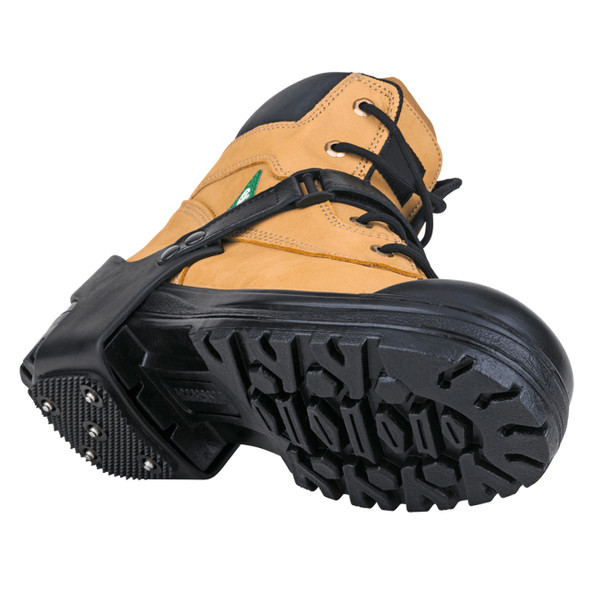
K1 Heelstop - Anti-Slip Heel Traction Aid - Intrinsic
K1 Traction Aids
$63.83Description Built with the toughest materials the K1 Series Heelstop is made with ice-penetrating tungsten carbide spikes TR freeze-resistant rubber and reflective hi-viz strips. The intrinsically...$63.83 -

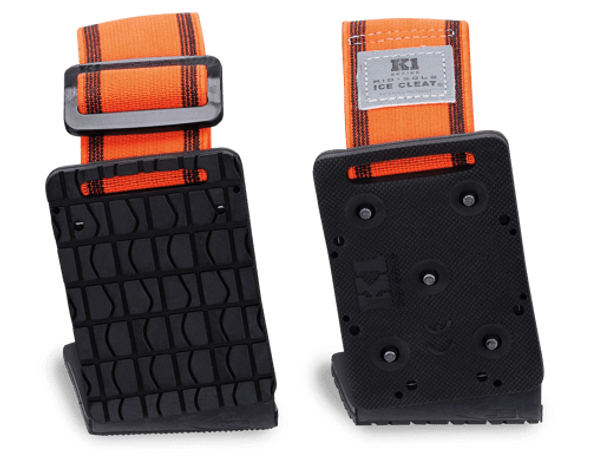
K1 Ice Cleat - Slim Profile
K1 Traction Aids
$50.80Description The K1® Slim is a one-size-fits-all traction solution designed for flat-soled footwear. The rotatable design combines a non-spiked anti-slip material with traditional ice-penetrating...$50.80 -
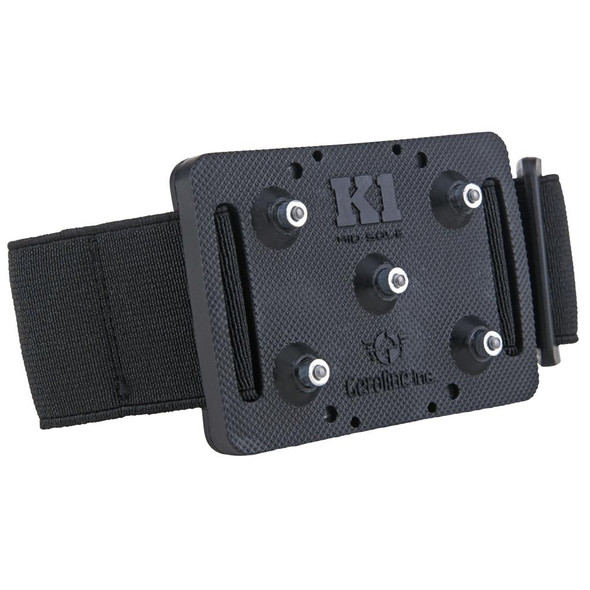
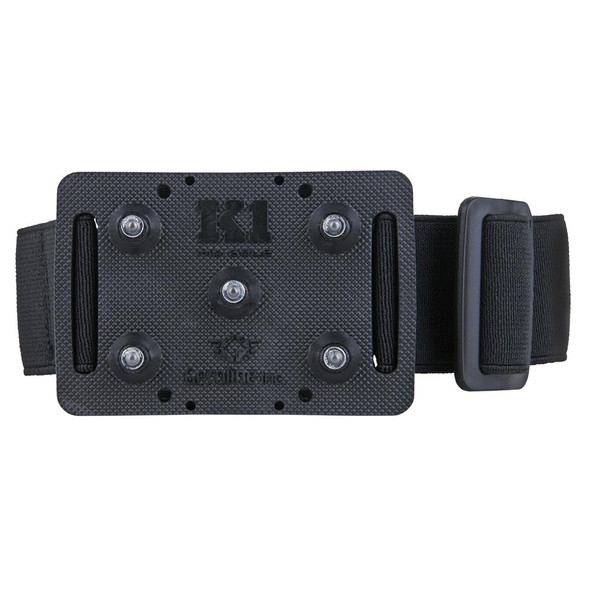
K1 Mid-Sole Ice Cleat - Black Strap
K1 Traction Aids
$46.03Description The K1 Series® Mid-Sole ice cleat is the one-size-fits-all winter traction solution. The ice-penetrating tungsten carbide spikes maximize grip while the rotatable design provides...$46.03 -


K1 Mid-Sole Ice Cleat - Hi-Viz
K1 Traction Aids
$46.03Description The K1 Series® Mid-Sole ice cleat is the one-size-fits-all winter traction solution. The ice-penetrating tungsten carbide spikes maximize grip while the rotatable design provides...$46.03 -

K1 Mid-Sole Ice Cleat - Intrinsic
K1 Traction Aids
$62.53Description The K1 Series Mid-Sole intrinsic style ice cleat is the one-size-fits-all winter traction solution. The intrinsically safe design is certified to prevent sparking when working in areas...$62.53 -


K1 Mid-Sole Ice Cleat Spacer
K1 Traction Aids
$6.97Description K1 offers several accessories to help customize your winter traction and achieve a perfect fit! Spacer/shims provide additional depth if spikes are not making proper contact with the...$6.97 -


K1 Series SG1 Traction Aids | K1 Traction Aids
K1 Traction Aids
$62.08Description K1 Series® SG1 traction aids help prevent slips and falls on wet oily greasy and even soapy surfaces. The full foot design is made with an oil-resistant material and features a unique...$62.08
K1 Traction Aids: Complete Shopping Guide for All Types and Price Points
K1 traction aids cost $46-$64 and prevent slip-fall injuries for outdoor workers, facility maintenance crews, utility technicians, and emergency responders on icy surfaces. Entry-level mid-sole cleats start at $46.03, professional heelstops from $52.20, meeting CSA standards with 1-2 year typical lifespan depending on usage intensity.
You'll typically find K1 products in three main categories: mid-sole ice cleats for general walking, heelstop systems for heel-strike traction, and specialized intrinsic-safe models for electrical work environments. Here's what matters most - the mid-sole design distributes weight better than traditional overshoe styles, reducing foot fatigue during 8-12 hour shifts.
| Type | Price | Protection Level | Lifespan |
|---|---|---|---|
| Mid-Sole Ice Cleat | $46.03 | General slip prevention | 12-18 months |
| Heelstop Anti-Slip | $52.20 | Heel-strike traction | 18-24 months |
| Intrinsic Safe Models | $62.53-$63.83 | Electrical hazard protection | 12-15 months |
| Slim Profile Cleats | $50.80 | Low-profile traction | 15-20 months |
| Extension Straps | $6.52-$6.97 | Fit adjustment | 24+ months |
The reality is K1's intrinsic models cost 35% more than standard versions but they're mandatory for electrical workers near live circuits. Won't protect against chemical spills or puncture hazards - these focus solely on slip prevention.
Key Takeaways About K1 Traction Aids
- K1 traction aids cost $46-$64 and typically last 12-24 months with proper maintenance
- K1 products protect against slip-fall injuries but require replacement when cleats wear down 50%
- Mid-sole design reduces foot fatigue compared to full-overshoe alternatives
- Intrinsic-safe models required for electrical work environments, costing 35% more
- Heelstop systems provide targeted heel-strike protection for ladder work
- Extension straps accommodate wider boot sizes for $6.52-$6.97 additional cost
- Hi-viz options available for traffic control and roadway work visibility
How to Choose K1 Traction Aids for Your Specific Work Environment
Select K1 traction aids based on: electrical hazard exposure (intrinsic vs standard), work surface type (ice/snow vs wet concrete), and boot compatibility (heel vs mid-sole attachment). Electrical workers require intrinsic-safe models rated for 18,000 volts, utility crews need hi-viz options for road visibility, facility maintenance uses standard mid-sole for general walking.
Indoor Facility Work: Standard Mid-Sole Options
Warehouse and facility workers face wet floors, loading dock ice, and freezer environments requiring basic slip protection. Standard K1 mid-sole cleats at $46.03 handle typical indoor hazards with 15-18 month replacement cycles. Here's the thing about indoor use - you won't need intrinsic protection unless working near electrical panels.
Outdoor Utility Work: Hi-Viz and Electrical Protection
Utility technicians working roadside or near power lines need both visibility and electrical protection. Hi-viz mid-sole cleats cost $46.03 for traffic areas, while intrinsic heelstops run $63.83 for electrical work. You'll typically replace these every 12-15 months due to harsher outdoor conditions.
Emergency Response: Quick-Attach Heelstop Systems
First responders need rapid deployment traction for emergency calls. K1 heelstops at $52.20 attach quickly to existing boots without full changeover. Emergency crews report 30-45 second attachment times versus 2-3 minutes for full overshoe systems.
Maintenance and Construction: Heavy-Duty Applications
Construction crews and maintenance workers face the harshest conditions - concrete, gravel, ice, and chemical exposure. Standard models won't survive daily concrete abrasion, requiring premium materials. Costs more than basic models but prevents weekly replacements that disrupt job schedules.
K1 Selection Process
- Identify electrical hazard exposure - intrinsic required for live circuits
- Assess visibility needs - hi-viz mandatory for traffic control areas
- Measure boot compatibility - heel vs mid-sole attachment preference
- Calculate replacement frequency - outdoor use reduces lifespan 25-40%
- Consider backup pairs - winter crews need 2-3 sets for rotation
- Check extension strap needs - wide boots require additional $6.97 investment
- Budget annual costs - $92-$128 per worker for typical replacement cycles
K1 Traction Aid Lifespan: When to Replace Your Safety Equipment
Replace K1 traction aids every 12-18 months for daily outdoor use, 18-24 months for indoor facility work, and immediately when cleats wear down 50% or straps show cracking. Daily concrete walking reduces lifespan to 8-12 months, while occasional ice-only use extends wear to 24+ months.
Visual Inspection Indicators for Replacement
Check cleat height monthly - replace when metal studs wear below 3mm height or rubber treads show smooth patches larger than quarter-size. Strap integrity matters more than cleat wear - cracked straps fail suddenly during critical moments. You'll see white stress marks on black straps before complete failure.
Usage-Based Replacement Schedules
Heavy daily use (8+ hours on concrete): 8-12 month replacement. Moderate outdoor work (4-6 hours, mixed surfaces): 15-18 months. Light facility use (2-4 hours, mostly indoor): 20-24 months. Storage and rotation extends life - workers with 2-3 pairs report 30% longer service from each set.
Maintenance Tasks to Extend Equipment Life
Clean metal cleats weekly with wire brush to remove ice buildup and concrete residue. Inspect strap attachment points monthly for wear patterns. Store hanging to prevent strap deformation - folded storage reduces lifespan by 25%. Won't prevent normal wear but stops premature failures from debris damage.
Annual Cost Planning by Worker Type
Construction workers: $92-$138 annually (2-3 replacements). Facility maintenance: $46-$64 annually (1-2 replacements). Emergency responders: $78-$104 annually (backup sets required). Factor 15% additional for extension straps and replacement parts over 3-year equipment cycles.
K1 Protection Levels: Understanding Ratings and Standards
K1 traction aids meet CSA Z195-14 standards for slip resistance on ice, providing 40-60% slip reduction on typical winter surfaces compared to standard work boots. Standard models handle general walking, intrinsic versions protect against 18,000-volt electrical contact, hi-viz options meet ANSI 107 visibility requirements for roadway work environments.
CSA Standards and Real-World Performance
CSA Z195-14 testing measures slip resistance on contaminated surfaces using standardized ice conditions. K1 products exceed minimum requirements with coefficient of friction ratings above 0.25 on wet ice. Here's what this means - 60% fewer slip incidents compared to untreated footwear in documented workplace studies.
Intrinsic Safety Ratings for Electrical Work
Intrinsic-safe K1 models prevent static electricity buildup that could ignite explosive atmospheres or cause electrical shock. Rated for Class I, Division 1 environments with 18,000-volt protection. Only effective in dry conditions - wet environments require additional rubber safety boots with electrical protection.
| Rating Level | Protection Type | Cost Impact | Mandatory Use |
|---|---|---|---|
| Standard CSA | Slip resistance only | Base price $46-$52 | General work |
| Hi-Viz ANSI 107 | Slip + visibility | Same as standard | Traffic areas |
| Intrinsic Safe | Slip + electrical | +35% premium | Live electrical work |
| Slim Profile | Low-profile slip | +10% premium | Confined spaces |
When Higher Protection Levels Are Required
Electrical utilities mandate intrinsic models for all workers within 10 feet of live circuits. Transportation departments require hi-viz for roadway crews regardless of traffic volume. Refineries and chemical plants specify intrinsic ratings even for non-electrical work due to explosive atmosphere risks.
Common K1 Traction Aid Mistakes That Reduce Protection
#1 mistake: wearing over steel-toe boots without proper fit reduces traction effectiveness by 40% and causes pressure points leading to foot injuries. Workers often select wrong attachment style for their boot type, use extension straps incorrectly, skip daily cleaning, and continue using worn cleats below safety thresholds.
Improper Boot Compatibility and Sizing
Mid-sole cleats won't attach securely to boots with aggressive tread patterns or curved soles. Heelstops require flat heel surfaces for proper contact - rounded heels reduce grip by 50%. You'll need extension straps for boots wider than 4.5 inches, but workers often skip this $6.97 upgrade and risk strap failure.
Incorrect Attachment and Adjustment
Loose straps cause shifting during walking, creating hot spots and reducing traction effectiveness. Over-tightening cuts circulation and damages equipment faster. The reality is proper tension should allow one finger between strap and boot - tight enough to prevent movement but loose enough for comfort during 8-hour shifts.
Neglecting Daily Cleaning and Inspection
Ice buildup between cleats reduces ground contact by 30-40% within 2-3 hours of use. Workers often ignore daily cleaning, allowing debris to pack into tread patterns. This mistake voids warranties and causes premature cleat wear requiring replacement at 6-8 months instead of 12-18 months.
Using Wrong Model for Work Environment
Standard models in electrical environments violate safety regulations and risk worker injury. Non-intrinsic versions generate static that could ignite explosive atmospheres in refineries or grain elevators. Costs more initially but prevents catastrophic incidents - electrical flash injuries average $4.2 million in worker compensation claims.
Continuing Use Beyond Replacement Indicators
Workers often use cleats until complete failure rather than replacing at 50% wear indicators. This reduces protection when needed most and increases slip-fall incident rates by 280% according to safety studies. Won't protect against liability if incidents occur with visibly worn equipment beyond recommended replacement schedules.
Final K1 Traction Aid Buying Checklist
- Verify electrical hazard requirements for intrinsic-safe models
- Confirm boot compatibility with mid-sole or heelstop attachment style
- Calculate annual replacement costs for your usage intensity
- Order extension straps for boots wider than 4.5 inches
- Select hi-viz options for traffic control or roadway work
- Plan backup sets for critical safety positions
- Document replacement schedules for safety compliance records
- Train workers on proper attachment and daily maintenance procedures