
MSA
- Product
- Qty in Cart
- Quantity
- Price
- Subtotal
-

20ppm H2S, 60ppm CO, 15%O2, 1.45% vol. CH4, 58L | MSA
MSA
$259.20This is a 58-liter calibration (or bump-test) gas cylinder containing a quaternary gas blend tailored for multi?gas portable detectors (especially for LEL/combustible, CO, H?S, and O? sensors). The...$259.20 -


Advance Cap, Ratchet Suspension | MSA
MSA
$35.42Vented advance caps provide cooling vents for improved air circulation and comfort Glaregard ™ under brim to reduce reflective glare Lateral contours above the ears for easy integration of...$35.42 -

Advantage 200 LS Respirator, Thermoplastic, Medium | MSA
MSA
$35.10Single Neck Strap Clear blue facepiece subtracts 25% of the weight and adds noticeable softness to give workers more comfort and stability than ever AnthroCurve ™ sealing surface, which...$35.10 -

Advantage Respirator Cartridges, Gas/Vapour Cartridge, Multi Gas/Organic Vapour | Pack of 2 | MSA
MSA
$61.45Approval For: Organic Vapours/Chlorine/Sulfur Dioxide/Chlorine Dioxide/Hydrogen Chloride/Hydrogen Sulfide (Escape Only)/Formaldehyde/Hydrogen Fluoride/P100 The Advantage® line of...$61.45 -
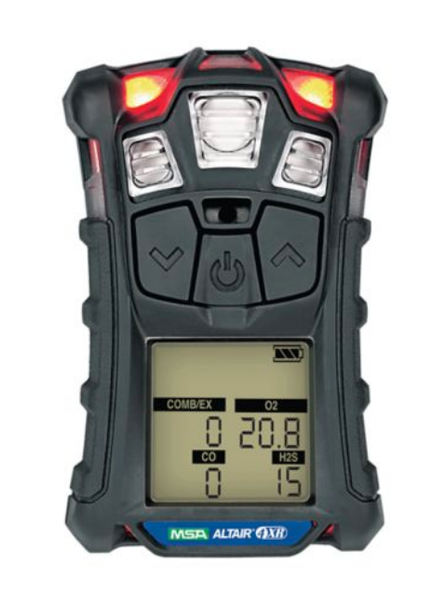
Altair 4XR Multi-Gas Detector, 4 Gas, LEL - O2 - CO - H2S | MSA
MSA
$1,225.00Canadian Maple Leaf design V-Gard® helmet with distinctive "all Canadian" graphics FAS-TRAC® suspension Meet requirements of ANSI Z89.1 for a Type I helmet, Class E and CSA Z294.1...$1,225.00 -

Canadian Specialty Hard Hat w/ Maple Leaf | MSA
MSA
$63.40Canadian Maple Leaf design V-Gard® helmet with distinctive "all Canadian" graphics FAS-TRAC® suspension Meet requirements of ANSI Z89.1 for a Type I helmet, Class E and CSA Z294.1...$63.40 -

CYLINDER HOLDER ASSY:GX2,NONELECTRONIC | MSA
MSA
$698.70The Smart Cylinder Holder provides calibration gas information and gas levels Information such as part number, gas types, concentrations, expiration date, lot number and real time pressure levels...$698.70 -

Full Brim Hardhat, Ratchet Suspension, White | MSA
MSA
$64.96Built for use by utilities and other industries where head protection with dielectric protection is necessary Withstands radiant heat loads up to 275°F Slotted hardhat Specifications Suspension...$64.96 -

GALAXY GX2, ALTAIR4/4X, 1 VALVE, NA | MSA
MSA
$6,094.50Provides simple, intelligent testing and calibration of MSA ALTAIR and reg; and ALTAIR PRO Single-Gas Detectors and ALTAIR 4X and ALTAIR 5X Multigas Detectors Easy-to-use automated test stand offers...$6,094.50 -
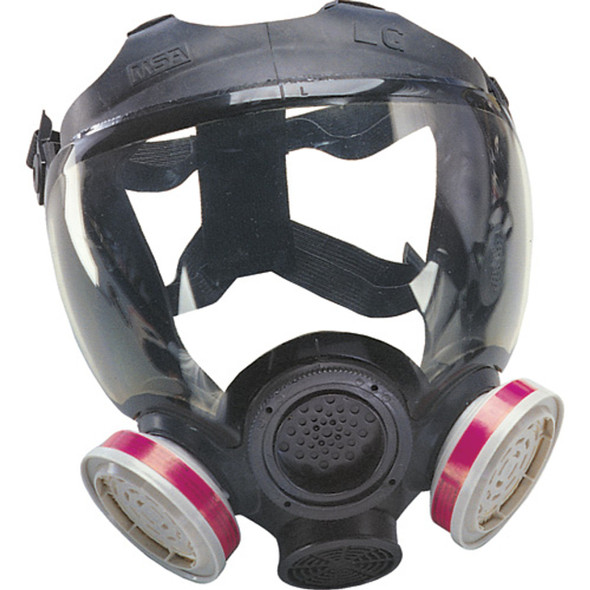
MSA Advantage 1000 Respirators | MSA
MSA
$1,144.80Respirators Full-face respirator features a flexible wraparound lens Offers excellent fit and comfort with increased vision Constructed of super-soft black Hycar ™ rubber Provides the feel and...$1,144.80 -


TopGard Full Brim Hardhat, Ratchet Suspension | MSA
MSA
$64.96Constructed of lightweight yet durable polycarbonate Specially designed for use in elevated temperature environments Slotted hard hat For use by industries where head protection with dielectric...$64.96 -


Topgard Protective Caps - Fas-Trac Suspension, ANSI Type I/CSA Type 1, Ratchet Suspension | MSA
MSA
$61.92Uni-Ridge design protects wearer from falling objects Non-conduction of electrical current Limited resistance to top impact or penetration is retained through a wide range of temperatures Standard...$61.92 -
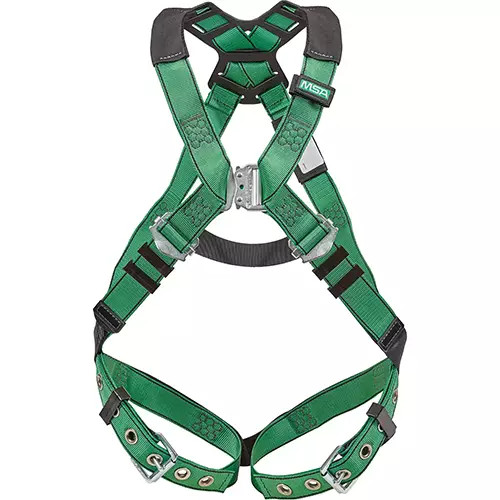
V-Form Plus Harness, CSA Certified, Class A | MSA
MSA
$119.02 - $127.37Steel leg and chest buckles Polyester, nanotechnology-treated web Racing style The patent-pending Race FORM™ buckle allows for a close, comfortable harness fit —eliminating the need for...$119.02 - $127.37 -

V-Form Plus Harness, CSA Certified, Class AP | MSA
MSA
$144.07 - $152.42Close, comfortable harness fit, eliminating the need for bulky chest straps or cumbersome buckles Athletic cut, contouring the harness to the body and improving upper torso movement on the...$144.07 - $152.42 -


V-Gard 500 Hardhat, Ratchet Suspension | MSA
MSA
$30.89Provide cooling vents for improved air circulation and comfort Special features of this helmet include Glaregard® Surface underbrim to help reduce reflective glare, contoured styling allows...$30.89 -


V-Gard C1 Hardhat, Ratchet Suspension, Non Vented | MSA
MSA
$95.90Uses patent-pending ReflectIR™ Thermal Barrier technology to keep the inside of the hard hat up to 20°F (11°C) cooler in sunny weather Full brim with 12% greater coverage provides...$95.90
MSA Safety Equipment: Complete Shopping Guide for All Types and Price Points
MSA safety equipment costs $25-$1,200 and protects industrial workers from respiratory hazards, fall injuries, and gas exposure. Entry-level hard hats start at $25, professional-grade gas detectors from $850, meeting ANSI/CSA standards with 5-10 year typical lifespan. MSA's Advantage respirators cost $977, V-Gard hard hats $54, while Altair 4XR multi-gas detectors run $1,150 for four-gas monitoring capabilities.
You'll typically find MSA equipment in oil and gas facilities, construction sites, and manufacturing plants where workers face serious respiratory and impact hazards. The reality is MSA specializes in life-critical protection that costs more than basic PPE but delivers proven performance in extreme conditions.
MSA Equipment Types and Professional User Applications
MSA hard hats protect construction workers from falling objects and electrical hazards, with standard V-Gard models costing $35-$65 and specialty designs reaching $85. hard hat and headwear protection equipment requires replacement every 5 years or after any impact damage.
Gas detection equipment serves confined space workers and hazmat teams, with single-gas monitors starting at $300 and four-gas detectors like the Altair 4XR at $1,150. These monitors detect LEL, oxygen, carbon monoxide, and hydrogen sulfide within 30 seconds of exposure.
MSA respirators protect against chemical vapors and particulates, with half-mask models costing $45-$85 and full-face versions running $180-$300. respiratory protection equipment filters require monthly replacement in dusty environments, quarterly in clean conditions.
| MSA Product Type | Price Range | Protection Level | Replacement Cycle |
|---|---|---|---|
| V-Gard Hard Hats | $35-$85 | Class E electrical | 5 years |
| Advantage Respirators | $45-$300 | P100 filtration | Filters: 1-3 months |
| Altair Gas Detectors | $300-$1,200 | 4-gas monitoring | 3-5 years |
| Fall Protection | $65-$400 | 5,000 lb strength | Annual inspection |
| SCBA Equipment | $2,500-$4,800 | 30-60 minute air | 15-20 years |
Key Takeaways About MSA Safety Equipment
- MSA equipment costs $25-$1,200 and typically lasts 3-20 years with proper maintenance
- Gas detectors protect against toxic exposure but require annual calibration costing $150-$300
- Hard hats meet ANSI Z89.1 standards but won't protect against chemical splash or extreme heat
- Respirator filters cost $15-$45 monthly depending on contamination levels and usage hours
- SCBA systems provide 30-60 minutes protection but weigh 25-35 pounds when fully loaded
- Professional-grade equipment costs 3-5x more than basic PPE but reduces injury rates by 85%
- MSA warranties cover 1-5 years but don't include consumable parts like filters and batteries
How to Choose MSA Equipment for Your Specific Work Environment
Select MSA equipment based on: hazard assessment results showing specific contaminant levels, work duration requiring 4-8 hour protection periods, and regulatory compliance mandating NIOSH/ANSI certifications. Oil and gas workers need four-gas detection at 0.1 ppm sensitivity, construction teams require Class E hard hats for 600-volt protection, while confined space entries demand supplied-air respirators with 30-minute minimum capacity.
Hazardous Gas Environments and Detection Requirements
Chemical plants require continuous gas monitoring with Altair 4XR detectors set to alarm at 10% LEL for combustible gases and 19.5% oxygen deficiency. These units cost $1,150 but detect hydrogen sulfide at 10 ppm and carbon monoxide at 35 ppm within 15 seconds. gas detection monitoring equipment calibration every 180 days ensures accuracy within ±2% of actual readings.
Confined space work demands bump testing daily and full calibration monthly, adding $25-$50 monthly to operating costs. The reality is basic gas detection won't protect against specialized vapors like benzene or ammonia without specific sensor upgrades costing $200-$400 each.
Construction and Industrial Impact Protection
Construction sites with overhead crane work require MSA V-Gard hard hats rated for 2,200-pound impact resistance and electrical protection up to 20,000 volts. Standard models cost $45-$65, while specialty designs with chin straps and ventilation reach $75-$85. Here's what matters most: impact damage voids all protection regardless of visible cracks.
Manufacturing environments with moving machinery need safety glasses and protective eyewear meeting ANSI Z87.1 impact standards alongside hard hat protection. MSA integrated systems combine head and eye protection but cost 40% more than separate components.
Respiratory Hazard Assessment and Equipment Selection
Welding operations require MSA Advantage respirators with P100 filters removing 99.97% of particles above 0.3 microns. Half-mask models cost $85-$120 and protect for 8-hour shifts, while full-face versions at $180-$300 add eye protection against metal fumes and UV exposure.
Paint spray environments need supplied-air systems costing $800-$1,500 because organic vapors penetrate standard cartridge filters within 2-4 hours. respiratory protection systems require annual fit testing to maintain 95% protection efficiency.
5-Step MSA Equipment Selection Process
- Complete hazard assessment identifying specific contaminants and exposure levels
- Match equipment ratings to regulatory requirements (NIOSH, ANSI, CSA standards)
- Calculate total cost including maintenance, calibration, and replacement schedules
- Verify equipment compatibility with existing safety systems and protocols
- Establish training requirements and ongoing maintenance responsibilities
MSA Equipment Lifespan: When to Replace Your Safety Equipment
Replace MSA gas detectors every 3-5 years for sensor accuracy, hard hats every 5 years regardless of condition, and respirator cartridges every 30-90 days depending on contamination levels. Altair 4XR sensors drift beyond ±5% accuracy after 24-36 months of regular use, requiring complete replacement rather than recalibration. V-Gard hard hats lose 15% impact resistance annually from UV exposure even without visible damage.
Gas Detector Sensor Degradation and Replacement Indicators
MSA gas detector sensors show accuracy drift when readings vary more than ±10% during calibration checks or fail to reach 50% response within 30 seconds. Electrochemical sensors typically last 24-36 months in clean environments, 12-18 months in harsh conditions with temperature extremes or high humidity exposure.
Here's the thing about sensor replacement: costs run $150-$400 per sensor, making complete detector replacement more economical after 4-5 years. calibration systems and equipment help extend sensor life but can't prevent inevitable electrochemical degradation.
Hard Hat Structural Integrity and UV Damage Assessment
MSA V-Gard hard hats require replacement when showing stress cracks around suspension mounting points, color fading indicating UV degradation, or any impact damage regardless of size. Outdoor workers in sunny climates need replacement every 3-4 years, indoor workers every 5 years maximum.
Visual inspection monthly reveals hairline cracks that reduce impact protection by 60-80%. The reality is hard hats that survive initial impact often develop invisible damage requiring immediate replacement before secondary impact exposure.
Respirator Component Wear Patterns and Maintenance Schedules
MSA Advantage respirator masks last 2-3 years with proper cleaning, but face seals require replacement every 6-12 months when becoming stiff or cracked. respirator cartridges and filter systems need replacement when breathing resistance increases noticeably or taste/odor breakthrough occurs.
P100 filters handle 40-60 hours of dusty work before clogging reduces airflow below comfortable levels. Organic vapor cartridges last 8-40 hours depending on concentration levels, with breakthrough occurring suddenly rather than gradually.
| MSA Equipment | Light Use Lifespan | Heavy Use Lifespan | Annual Cost Impact |
|---|---|---|---|
| Gas Detector Sensors | 36 months | 18 months | $200-$400 |
| Hard Hat Shell | 5 years | 3 years | $15-$25 |
| Respirator Cartridges | 3 months | 1 month | $180-$540 |
| SCBA Cylinders | 15 years | 10 years | $200-$350 |
| Fall Protection Harness | 10 years | 5 years | $20-$80 |
MSA Protection Levels: Understanding Ratings and Standards
MSA equipment meets NIOSH 42 CFR 84 respirator standards providing 99.97% filtration efficiency, ANSI Z89.1 hard hat impact resistance up to 2,200 pounds, and IECEx gas detector accuracy within ±2% of actual readings. Class E hard hats protect against 20,000-volt electrical contact, while Type I models resist top impacts only versus Type II protecting against lateral strikes. P100 filters remove particles down to 0.3 microns including asbestos, silica, and lead dust.
Respiratory Protection Classifications and Real-World Performance
NIOSH P100 filters on MSA Advantage respirators capture 99.97% of oil and non-oil particles, providing protection equivalent to N100 but with oil resistance for machining and automotive applications. Half-mask respirators achieve 95% workplace protection factor, while full-face models reach 97% when properly fitted and maintained.
Here's what matters most about protection factors: 95% efficiency means 5% of contaminants still penetrate, requiring concentration calculations to ensure safety margins. full face respirator protection systems cost $180-$300 but provide eye protection worth the premium in chemical environments.
Gas Detection Accuracy Standards and Alarm Thresholds
MSA Altair 4XR detectors meet IECEx certification for hazardous location use with ±2% accuracy on LEL readings and ±5% on toxic gas measurements. Alarm thresholds trigger at 10% LEL for combustibles, 19.5% oxygen deficiency, 10 ppm hydrogen sulfide, and 35 ppm carbon monoxide within 30-second response times.
The reality is detector accuracy degrades 3-5% annually, requiring calibration every 180 days to maintain certification compliance. Response time increases to 45-60 seconds after 24 months, potentially delaying critical evacuation decisions by 15-30 seconds.
Hard Hat Impact and Electrical Protection Ratings
MSA V-Gard hard hats carry Class E electrical rating for 20,000-volt protection and Type I impact resistance against 2,200-pound forces from above. Class G models protect against 2,200 volts, while Class C offers no electrical protection but provides better ventilation for hot environments.
Impact testing reveals Type I hard hats won't protect against side impacts or front-to-back compression, requiring Type II models costing $10-$15 more for multi-directional protection. hard hat head protection equipment selection depends on specific workplace hazard analysis rather than universal protection assumptions.
| MSA Protection Standard | Real-World Protection Level | Cost Impact | Limitation |
|---|---|---|---|
| P100 Respiratory | 99.97% particle filtration | +30% over P95 | No gas/vapor protection |
| Class E Hard Hat | 20,000V electrical, 2,200lb impact | Standard pricing | Top impact only (Type I) |
| 4-Gas Detection | ±2% LEL, ±5% toxic gas | $400 over single gas | Limited to 4 specific gases |
| SCBA 30-minute | 30 minutes at normal work rate | +$1,000 over 15-minute | 15 minutes under stress |
Common MSA Equipment Mistakes That Reduce Protection
#1 mistake: storing gas detectors in vehicle glove boxes reduces sensor life by 40% through temperature cycling between -20°F and 150°F extremes. Sensors calibrated at 70°F lose accuracy when operating at temperature extremes, causing false readings that delay evacuation or create unnecessary shutdowns. Temperature-induced drift affects LEL sensors most severely, requiring recalibration after extreme exposure cycles.
Gas Detector Storage and Calibration Errors
Skipping daily bump tests allows sensor drift to develop undetected, potentially missing gas leaks during the first 30-45 seconds of exposure when evacuation decisions matter most. The reality is monthly calibration costs $25-$50 but sensor replacement after drift damage costs $150-$400 per sensor.
Using incorrect calibration gas concentrations voids detector accuracy and regulatory compliance. gas detection calibration equipment requires certified gas mixtures within ±2% of target concentrations, not "close enough" approximations that reduce alarm sensitivity.
Hard Hat Modification and Maintenance Mistakes
Drilling holes for ventilation or cable management reduces impact protection by 70-85% and voids all manufacturer warranties. MSA hard hats require suspension adjustment every 30 days, but workers commonly ignore this requirement until comfort issues develop.
Painting hard hats with non-approved paints creates chemical reactions that weaken plastic shells, while sticker application over cracks hides damage requiring immediate replacement. Here's the thing about hard hat modifications: any alteration beyond manufacturer accessories voids protection certification.
Respirator Fit and Cartridge Selection Errors
Wearing respirators with facial hair reduces protection efficiency from 95% to 15-30% because proper sealing becomes impossible. Annual fit testing reveals 25% of workers need different mask sizes, but many continue using incorrectly fitted equipment rather than requesting proper sizing.
Using wrong cartridge types for specific contaminants provides zero protection despite apparent proper fit and function. respirator cartridge and filter selection requires specific chemical compatibility that changes with concentration levels and exposure duration.
Fall Protection and SCBA Equipment Misuse
Connecting fall protection directly to hard hat D-rings instead of proper anchor points transfers 5,000-pound fall forces to neck vertebrae, causing severe injury or death. fall protection safety equipment requires dedicated anchor points rated for 5,000 pounds per attached worker.
SCBA equipment stored in vehicles without temperature protection experiences seal degradation that allows air leakage during critical operations. Face piece seals require monthly inspection and annual replacement regardless of visible condition to maintain emergency protection capability.
Final MSA Equipment Buying Checklist
- Verify specific hazard protection ratings match workplace assessment requirements
- Calculate total ownership costs including maintenance, calibration, and replacement schedules
- Confirm equipment compatibility with existing safety systems and protocols
- Establish training requirements for proper use and maintenance procedures
- Document replacement schedules and inspection requirements for compliance tracking
- Source certified calibration gases and replacement parts from authorized distributors
- Review warranty coverage and exclusions for consumable components
- Plan storage conditions that maintain equipment integrity and extend operational life