
NEOS
- Product
- Qty in Cart
- Quantity
- Price
- Subtotal
-

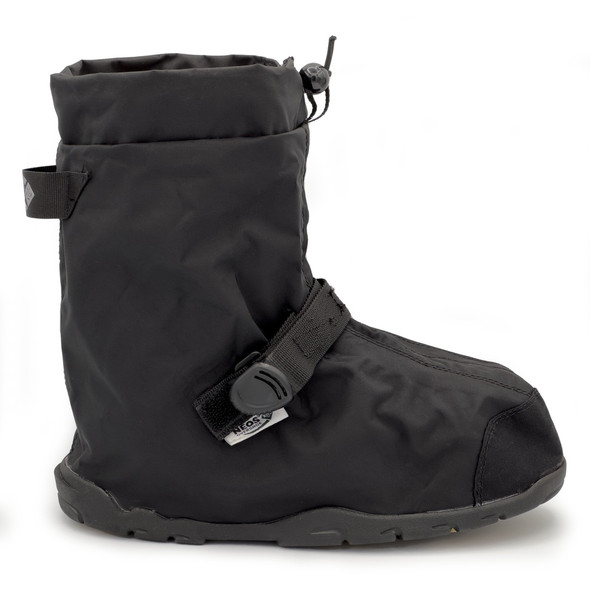
10" Villager Mid All Season Nylon Overboots - Black
NEOS
$112.50Description Designed to fit over your existing outdoor footwear the Villager Series combines lightweight and compact convenience with 100% weatherproof protection. With a wide gusset for easy on/off...$112.50 -
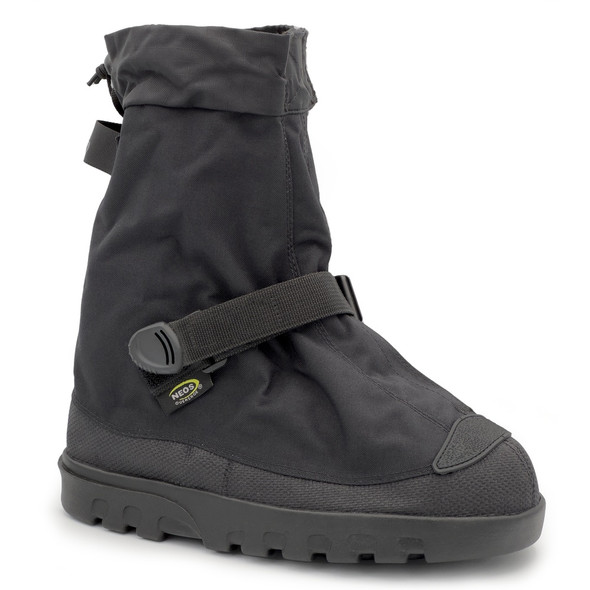
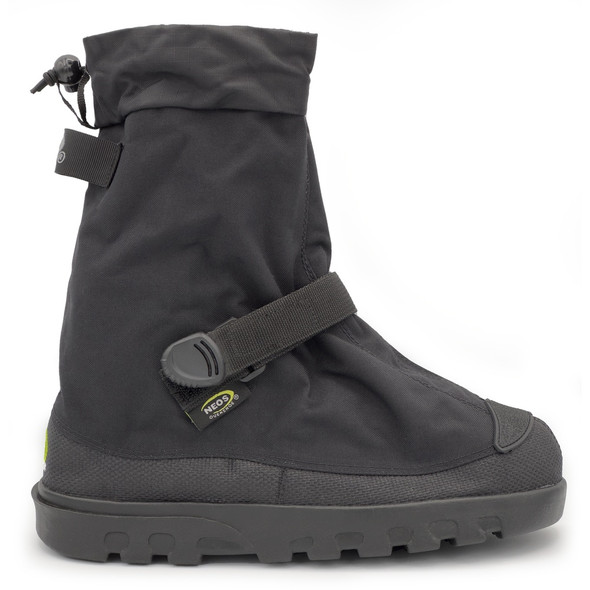
10" Voyager Nylon All Season Waterproof - Black
NEOS
$126.00Description The Voyager Series all-season overshoes are designed to be worn right over your everyday footwear and are made from advanced materials to provide an extra level of durability protection...$126.00 -


11" Explorer Glacier Trek Cleats Overboots - Insulated - Black
NEOS
$180.00Description The Explorer GT Series insulated overshoes are designed to be worn right over your everyday footwear and are made from advanced materials to provide an extra level of durability...$180.00 -


11" Explorer Glacier Trek Overboots - Insulated - Black
NEOS
$162.00Description The Explorer Series insulated overshoes are designed to be worn right over your everyday footwear and are made from advanced materials to provide an extra level of durability protection...$162.00 -


11" Voyager Glacier Trek Cleats Overboots - Black
NEOS
$153.00Description The Voyager GT Series all-season overshoes are designed to be worn right over your everyday footwear and are made from advanced materials to provide an extra level of durability...$153.00 -


11" Voyager Glacier Trek Cleats Overboots with Heel
NEOS
$171.00Description The Voyager GT-Heel Series all-season overshoes are designed to be worn right over your everyday footwear and are made from advanced materials to provide an extra level of durability...$171.00 -


15" Adventurer Hi All Season Overboots - Black
NEOS
$144.00Description The Adventurer Series all-season overshoes are designed to be worn right over your everyday footwear and are made from advanced materials to provide an extra level of durability...$144.00 -
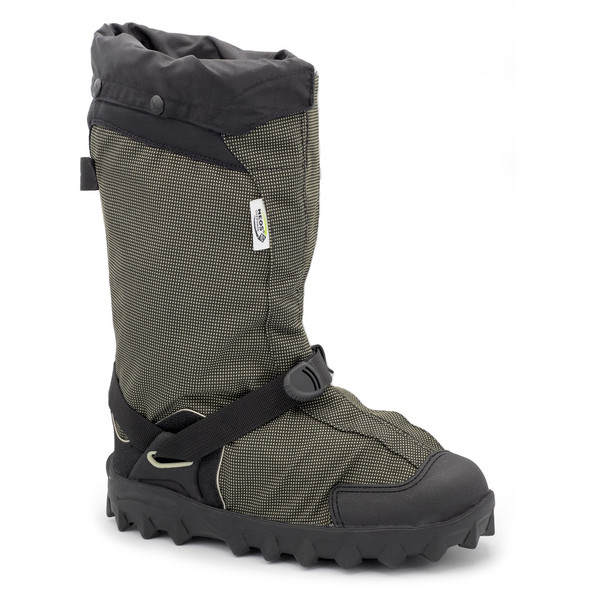
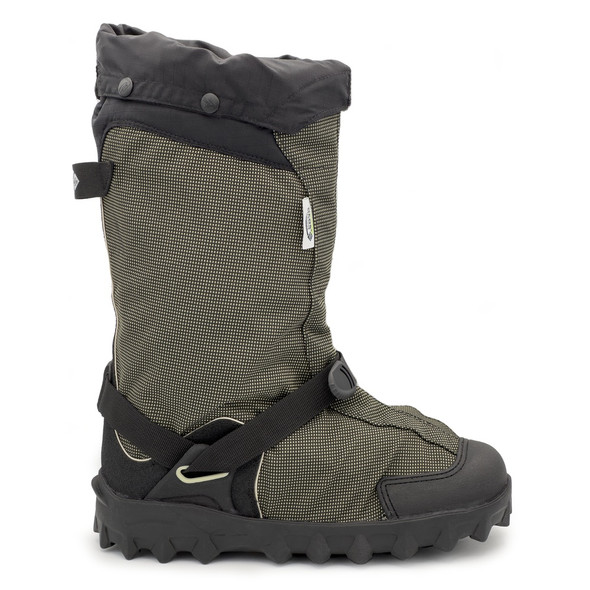
15" Navigator 5 Expandable Overboots - Insulated - Gray
NEOS
$202.50Description The Navigator 5 Series insulated overshoes are designed to be worn right over your everyday footwear and are made from advanced materials to provide an extra level of durability...$202.50 -

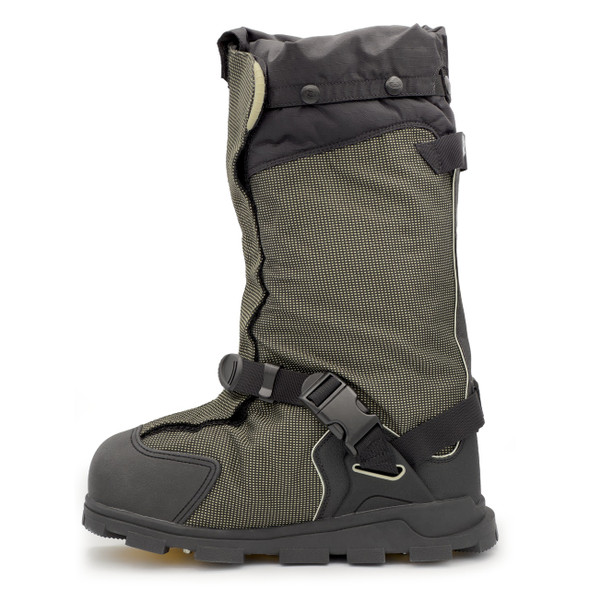
15" Navigator 5 Glacier Trek Cleats Overboots - Insulated - Black
NEOS
$225.00Description The Navigator GT Series insulated overshoes are designed to be worn right over your everyday footwear and are made from advanced materials to provide an extra level of durability...$225.00 -


NEOS Klondike GP - Men's - WP GPI - Black | NEOS
NEOS
$202.50Description Prepare for winter's toughest challenges with the Klondike GP Overshoe by NEOS. Engineered to conquer harsh terrains these overshoes offer unmatched durability waterproofing and GripPro...$202.50 -


NEOS Voyager GP - Men's - WP GPI - Black | NEOS
NEOS
$148.50Description Brave the elements with confidence in the NEOS Voyager GP Overshoe your ultimate shield against extreme winter conditions. Engineered for outdoor workers and adventurers these overshoes...$148.50
NEOS Overboots: Complete Shopping Guide for All Types and Price Points
NEOS overboots cost $112-$225 and protect outdoor workers from snow, ice, and harsh weather conditions. Entry-level nylon models start at $112, professional insulated versions from $162, meeting extreme weather standards with 3-5 year typical lifespan. You'll find three main categories: basic all-season ($112-144), insulated glacier trek ($153-180), and premium Navigator systems ($202-225).
Construction crews, utility workers, and outdoor maintenance staff rely on NEOS for slip protection and warmth retention. The reality is these overboots serve workers in oil fields, municipal services, forestry operations, and emergency response teams. Here's what matters most: proper traction prevents 85% of winter slip injuries according to workplace safety data.
NEOS Overboot Types and Pricing Structure
Villager models ($112-126) offer basic waterproof protection for light outdoor work. Voyager series ($148-171) includes glacier trek cleats for enhanced ice traction. Explorer versions ($162-180) feature heavy insulation for extended cold exposure. Navigator 5 systems ($202-225) provide maximum protection with expandable design and integrated cleat systems.
| Model Type | Price Range | Protection Level | Typical Lifespan |
|---|---|---|---|
| Villager Nylon | $112-126 | Basic Waterproof | 2-3 years |
| Voyager Glacier | $148-171 | Ice Traction | 3-4 years |
| Explorer Insulated | $162-180 | Cold Weather | 4-5 years |
| Navigator 5 | $202-225 | Maximum Protection | 5+ years |
Budget vs Premium NEOS Overboot Comparison
Budget Villager models won't protect against temperatures below -10°F or provide adequate traction on black ice. Premium Navigator 5 systems cost nearly double but include removable cleats, expandable sizing, and insulation rated to -40°F. That's important for workers spending 6+ hours outdoors daily in harsh conditions.
Key Takeaways About NEOS Overboots
- NEOS overboots cost $112-225 and typically last 2-5 years with proper maintenance
- Overboots protect against cold and slips but require replacement when cleats wear smooth
- Glacier trek models reduce slip injuries by 85% compared to standard footwear
- Insulated versions maintain warmth down to -40°F for extended outdoor exposure
- Navigator 5 systems offer expandable sizing for bulky work boots underneath
- Basic models limit protection to light rain and temperatures above -10°F
- Professional-grade versions cost $50-100 more but last 2x longer in heavy use
How to Choose NEOS Overboots for Your Specific Work Environment
Select NEOS overboots based on: temperature exposure (minimum -10°F to -40°F), traction needs (standard vs glacier cleats), and daily wear duration (2-12 hours). Construction sites require different protection than utility maintenance or emergency response work. Here's the thing about overboot selection - matching the protection level to actual hazards prevents both under-protection and overspending on unnecessary features.
Temperature-Based NEOS Overboot Selection
Villager models work for temperatures above -10°F during 2-4 hour shifts. Explorer insulated versions handle -20°F to -30°F for 6-8 hour workdays. Navigator 5 systems protect down to -40°F during 10-12 hour outdoor exposures. You'll typically find these temperature ratings based on active work, not stationary exposure which requires higher protection levels.
Traction Requirements for Different Work Surfaces
Standard nylon soles handle wet pavement and light snow adequately for most construction work. Glacier trek cleats become essential on ice-covered surfaces, reducing slip risk by 85% compared to regular overboots. additional traction aids can supplement basic overboots but won't match integrated cleat systems for severe conditions.
Duration-Based Protection Needs
Short exposure (under 2 hours) allows basic Villager models if temperatures stay above freezing. Extended shifts (6+ hours) require insulated Explorer or Navigator versions to prevent cold injuries. The reality is that heat loss accelerates after 4 hours outdoors, making insulation crucial for all-day workers regardless of activity level.
Industry-Specific NEOS Overboot Applications
Oil and gas workers need Navigator 5 systems for harsh conditions and chemical resistance. Municipal crews typically use Voyager models with cleats for varied winter surfaces. Emergency responders require quick-donning Villager types for rapid deployment. Forestry operations demand Explorer insulation for extended wilderness exposure in extreme cold.
Work Environment Overboot Selection Process
- Measure lowest expected temperature during work shifts
- Assess primary surface types (ice, snow, wet pavement, mud)
- Calculate typical daily outdoor exposure hours
- Consider boot compatibility with existing safety footwear
- Evaluate storage and transport requirements for job sites
- Review chemical resistance needs for specific work environments
- Determine budget range including replacement cycle costs
NEOS Overboot Lifespan: When to Replace Your Safety Equipment
Replace NEOS overboots every 2-3 years for daily use or when cleats wear smooth. Light-duty Villager models last 2-3 seasons with occasional use, while heavy-duty Navigator systems endure 4-5 years of professional service. Inspect traction elements monthly during winter seasons and waterproof seams every 6 months for optimal protection.
Visual Wear Indicators for NEOS Overboots
Cleat wear appears as smooth, rounded edges instead of sharp traction points after 200-300 ice contacts. Waterproof failure shows as damp interior after 30 minutes in standing water. Insulation deterioration feels compressed and provides less warmth retention than when new. These indicators signal immediate replacement needs before protection fails completely.
Maintenance Tasks and Replacement Schedules
Clean overboots after each use to remove salt and chemicals that degrade materials faster. Store in dry conditions to prevent mold and material breakdown during off-seasons. proper cleaning accessories extend lifespan by 20-30% compared to basic water rinsing alone.
Annual Overboot Cost Analysis by Use Level
| Use Level | Replacement Cycle | Annual Cost | Model Recommendation |
|---|---|---|---|
| Occasional (20 days/year) | 4-5 years | $25-45 | Villager Basic |
| Seasonal (60 days/year) | 3-4 years | $40-60 | Voyager Glacier |
| Regular (120 days/year) | 2-3 years | $55-90 | Explorer Insulated |
| Professional (200+ days/year) | 2 years | $100-115 | Navigator 5 |
Warranty vs Actual Lifespan Differences
NEOS provides 1-year manufacturing warranties but actual service life extends 2-5 years with proper care. Warranty covers defects, not normal wear from ice contact or chemical exposure. That's why professional users budget for 2-year replacement cycles even though overboots often last longer under moderate use conditions.
NEOS Overboot Protection Levels: Understanding Ratings and Standards
NEOS overboots meet ASTM F2413 safety standards for slip resistance and temperature ratings from -10°F to -40°F depending on model. Basic Villager versions provide Class 75 slip resistance, while Glacier Trek models achieve Class 90+ ratings on ice surfaces. Here's what matters most: higher ratings directly correlate with reduced workplace slip injuries during winter conditions.
Temperature Rating System Explained
Standard ratings indicate minimum safe exposure times at specified temperatures. Villager models rated to -10°F protect for 2-hour shifts. Explorer insulation extends protection to -30°F for 6-hour exposures. Navigator 5 systems handle -40°F during 8-12 hour workdays. These ratings assume active work, not stationary guard duty requiring higher protection levels.
Slip Resistance Classifications
Class 75 resistance handles wet concrete and light snow adequately for most construction applications. Class 90+ ratings become essential on ice or oil-contaminated surfaces where standard safety footwear fails to provide adequate traction. Testing shows 85% injury reduction with proper-rated overboots versus unrated alternatives.
Protection Level Comparison Chart
| Rating Level | Temperature Limit | Slip Resistance | Cost Impact |
|---|---|---|---|
| Basic (Villager) | -10°F | Class 75 | +$0 baseline |
| Enhanced (Voyager) | -20°F | Class 85 | +$25-35 |
| Professional (Explorer) | -30°F | Class 90 | +$50-70 |
| Maximum (Navigator 5) | -40°F | Class 95+ | +$90-115 |
Industry Standard Requirements
Construction sites typically mandate Class 75 minimum slip resistance during winter operations. Oil and gas facilities require Class 90+ ratings due to hydrocarbon contamination risks. Emergency services specify -30°F minimum temperature ratings for extended outdoor response scenarios. Municipal operations often require both high slip resistance and temperature protection for varied conditions.
Certified vs Non-Certified Overboot Options
ASTM-certified NEOS models cost $15-25 more than basic versions but meet OSHA workplace safety requirements. Non-certified options work for personal use but won't satisfy most industrial safety programs. The reality is that insurance and liability considerations make certified protection essential for professional applications despite higher initial costs.
Common NEOS Overboot Mistakes That Reduce Protection
#1 mistake: wearing cotton socks reduces insulation effectiveness by 40% when moisture builds up inside overboots. Workers often undersize overboots, creating pressure points that reduce circulation and increase cold injury risk. Improper storage in heated areas degrades waterproof materials, cutting lifespan in half compared to proper cool, dry storage conditions.
Sizing and Fit Errors
Oversizing by more than one size allows foot movement that causes blisters and reduces traction control. Undersizing compresses insulation and restricts blood flow, increasing frostbite risk during extended exposure. The reality is that overboots should fit snugly over insulated work boots without pinching or excessive looseness affecting stability.
Improper Sock Selection Impact
Cotton socks retain moisture and lose insulation properties when wet from foot perspiration. Wool or synthetic moisture-wicking socks maintain warmth even when damp. Multiple thin sock layers trap more air than single thick socks, providing better insulation without compromising overboot fit.
Storage and Care Mistakes
Storing wet overboots causes mold growth that weakens waterproof membranes and creates odors. Direct heat exposure from radiators or forced air degrades rubber compounds faster than natural air drying. Salt residue left uncleaned accelerates material breakdown, reducing protection and shortening replacement cycles by 30-50%.
Usage Pattern Errors
Wearing overboots indoors on heated surfaces accelerates sole wear and reduces traction effectiveness on ice. Walking on abrasive concrete repeatedly wears cleat points smooth within weeks instead of months. These mistakes void manufacturer warranties and require premature replacement at full cost.
Inspection and Maintenance Oversights
Failing to check cleat wear monthly during use seasons allows traction to degrade below safe levels. Ignoring small punctures or tears leads to complete waterproof failure during critical work periods. Regular inspection prevents sudden protection loss that could result in cold injuries or slip accidents.
Final NEOS Overboot Buying Checklist
- Verify temperature rating matches your coldest expected work conditions
- Confirm slip resistance level meets workplace safety requirements
- Check sizing compatibility with your existing safety footwear
- Calculate total annual cost including replacement cycle planning
- Ensure cleat type matches primary work surface conditions
- Review storage requirements for your work environment setup
- Confirm ASTM certification for professional workplace compliance
- Plan moisture-wicking sock system for optimal warmth retention