Fall Protection Inspection
Fall Protection Inspection Services
All Safety provides fall protection equipment inspection services in Edmonton and surrounding areas. Working at heights requires reliable fall protection equipment. At All Safety, we understand the importance of properly maintained equipment. We provide fall protection inspection services in Edmonton and surrounding areas, focusing on helping ensure your equipment meets safety requirements. We offer inspection, repair, and recertification services. Our team works to meet local, regional, and federal safety guidelines.
Our fall protection inspection services include:
- SRL Inspection & Recertification: All Safety is an authorized repair center for Guardian Fall Protection in Alberta, completed in-house.
- Harness Inspection: Visual and functional checks to assess equipment condition.
- Lanyard Inspection: Detailed evaluation of hardware and webbing components.
- Anchor Point Inspection: Assessment of permanent and temporary anchor systems.
- Equipment Documentation: Inspection records and certification documentation.
Equipment can be dropped off or shipped to our facility for inspection.
Mobile Trailer Onsite Testing
All Safety brings the testing facility to your location with our specialized mobile inspection trailers. This service eliminates equipment transportation, reduces downtime, and allows your team to continue operations while we complete inspections onsite. Our mobile units are fully equipped to perform the same comprehensive testing as our in-house facility, ensuring consistent quality and compliance.
Fall Protection Equipment Inspection Requirements in Alberta
Alberta worksites using fall protection equipment must comply with specific regulatory standards that protect workers at elevated heights. The Alberta Occupational Health and Safety Code requires employers to ensure all fall arrest systems remain in safe working condition through regular inspections performed by competent persons. CSA Z259 standards establish the technical criteria that define acceptable equipment condition and inspection procedures across Canada.
How Often Fall Protection Equipment Needs Inspection
Annual inspection requirements apply to most fall protection systems under Alberta OHS regulations. Competent persons must examine harnesses, lanyards, and self-retracting lifelines at least once every twelve months to verify they meet manufacturer guidelines and safety standards. Equipment exposed to harsh conditions or heavy use often requires more frequent evaluation to maintain compliance. Workers also perform pre-use visual checks before each shift to identify obvious damage that could compromise safety.
Inspection Triggers Requiring Immediate Service
Several conditions demand immediate equipment testing beyond scheduled annual reviews. Fall protection systems require professional assessment after any fall arrest event, regardless of how minor the incident appears. Manufacturers specify service life limits that necessitate equipment retirement even when visual inspection reveals no apparent damage. Storage in extreme temperatures or exposure to chemicals triggers unscheduled evaluations to verify structural integrity remains intact.
Compliance Consequences for Alberta Worksites
Worksites operating with uninspected or expired fall arrest systems face serious regulatory penalties and liability exposure. Alberta OHS officers issue stop-work orders when they discover non-compliant height safety gear during site inspections. Companies without current certification documentation risk substantial fines that increase with repeated violations. More significantly, equipment failure resulting in worker injury creates legal liability that proper inspection records help mitigate through documented due diligence.
Complete Fall Protection Testing Services Available
Professional equipment evaluation encompasses multiple fall arrest system components that require specialized knowledge and authorized certification capabilities. Comprehensive fall protection inspection and recertification services address every element of personal fall arrest equipment through systematic visual examination and functional testing procedures.
SRL Inspection and Guardian Authorization Benefits
Self-retracting lifelines demand precise testing that verifies braking mechanisms activate within required distances under load conditions. All Safety holds authorized repair center status for Guardian Fall Protection equipment throughout Alberta, enabling warranty-compliant service that maintains manufacturer coverage. This authorization provides access to genuine replacement parts and technical specifications that generic service providers cannot obtain. Retractable lifeline testing measures arresting force to confirm shock loads remain within safe limits that prevent injury during fall events.
Harness Inspection Process and Components
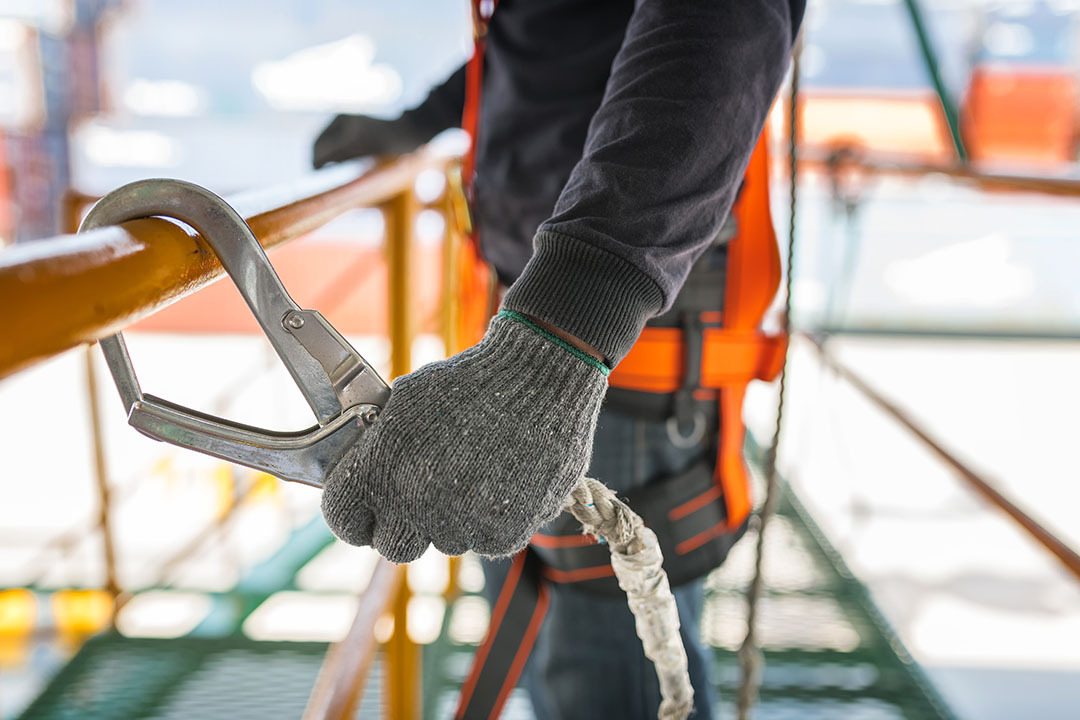
Full-body harness assessment examines multiple structural elements that bear load during fall arrest situations. Competent persons inspect D-rings for cracks, sharp edges, and distortion that compromise attachment point integrity. Webbing inspection identifies fraying, burns, chemical damage, and UV degradation that weaken load-bearing capacity. Hardware components including buckles and adjustment mechanisms receive functional testing to verify secure fastening under tension. Inspection tags document examination dates and establish the next required service interval for compliance tracking.
Lanyard Evaluation and Hardware Testing
Energy-absorbing lanyards contain shock absorbers that must show no signs of previous deployment or tearing. Carabiners undergo gate function testing to confirm proper closure and locking mechanism engagement. Snap hooks require gate spring tension verification to ensure secure connections that resist accidental opening. Webbing sections connecting hardware components need examination for the same damage patterns that affect harness materials. Fixed-length and adjustable lanyards both receive identical scrutiny to maintain consistent safety standards.
Anchor Point Assessment and Load Capacity
Permanent anchor installations require structural evaluation beyond simple visual inspection to verify they maintain minimum 5,000 pound load capacity per attached worker. Temporary anchor systems need assessment for proper installation and compatibility with existing structural elements. Horizontal lifeline systems demand comprehensive testing that includes cable tension measurement and intermediate anchor verification. Engineering calculations for fall clearance ensure adequate distance exists between anchor points and lower levels that workers might strike during arrested falls.
Certification Documentation and Record Keeping
Professional inspection services generate detailed certification documentation that satisfies regulatory audit requirements and insurance policy conditions. Records include equipment identification numbers, inspection dates, findings, and technician credentials that prove competent person qualifications. Digital documentation systems help companies track certification expiration dates across multiple equipment pieces and work locations. Proper records demonstrate due diligence that protects employers from liability claims following workplace incidents involving fall protection failures.
What Happens During Professional Equipment Testing
Systematic inspection procedures follow manufacturer guidelines and CSA Z259 standards to evaluate every component that contributes to fall arrest system performance. Trained technicians apply consistent assessment criteria that distinguish between acceptable wear and damage requiring equipment removal from service.
Visual Inspection Procedures for All Components
Initial examination identifies obvious damage including cuts, abrasions, burns, and chemical exposure that compromise material strength. Technicians check stitching patterns on webbing for broken threads, pulled seams, and loose stitching that indicate structural weakness. Metal components undergo scrutiny for corrosion, pitting, cracks, and deformation that reduce load-bearing capacity. Labels and manufacturer tags receive verification to confirm equipment identification and service life information remains legible for future reference.
Functional Testing Requirements
Moving parts including buckles, adjusters, and locking mechanisms receive operation testing under simulated use conditions. Self-retracting lifelines undergo extension and retraction cycles that verify smooth operation without binding or jerking. Braking systems activate under controlled conditions to confirm engagement occurs within specified distances. Gate closures on carabiners and snap hooks require multiple open-close cycles to test spring function and keeper latch reliability.
Pass and Fail Criteria Applied
- Equipment showing any structural damage including cuts, burns, or abrasion through outer fibers fails inspection regardless of age or appearance
- Components exceeding manufacturer service life recommendations require retirement even when visual examination reveals no obvious defects
- Hardware with cracks, sharp edges, or deformation receives immediate failure status due to unpredictable load capacity reduction
- Self-retracting lifelines demonstrating erratic braking or arresting force outside specifications need recertification or replacement
- Missing or illegible manufacturer labels prevent proper service life determination and result in equipment removal from service
Post-Inspection Recommendations and Options
Equipment passing all evaluation criteria receives updated inspection tags showing completion dates and next service due dates. Items failing inspection generate detailed reports explaining specific deficiencies and repair feasibility. Authorized service centers can replace damaged components on some equipment types when manufacturer specifications permit repairs. Systems beyond economical repair or exceeding service life require replacement with new fall protection equipment and accessories. Temporary fall protection equipment rental during repairs minimizes worksite downtime while permanent replacements undergo procurement.
Mobile Onsite Testing Eliminates Equipment Downtime
Specialized inspection trailers bring complete testing capabilities directly to worksites throughout Edmonton and surrounding areas. This service model transforms fall protection compliance from a logistical challenge into a streamlined process that maintains operational continuity.
How Mobile Service Works at Your Location
Fully equipped trailers contain the same testing apparatus and documentation systems available at fixed facilities. Certified technicians arrive at scheduled times with all necessary tools and replacement parts for common repairs. The mobile unit accommodates simultaneous inspection of multiple equipment types including harnesses, lanyards, and self-retracting lifelines during single site visits. Workers continue normal operations while equipment testing proceeds in dedicated staging areas that minimize workflow disruption.
Cost and Time Advantages of Onsite Testing
Eliminating equipment transportation removes the expense and coordination complexity of shipping items to remote service centers. Companies avoid the administrative burden of tracking equipment serial numbers across multiple shipments and return deliveries. Same-day completion means workers access freshly certified gear immediately rather than waiting days or weeks for off-site service completion. Combined inspections with fire extinguisher inspection and recharge services during single visits maximize efficiency for comprehensive safety program management.
Service Coverage Throughout Edmonton Region
Mobile units reach worksites across Edmonton, Fort Saskatchewan, Sherwood Park, St. Albert, Leduc, and surrounding communities within reasonable travel distances. Scheduling flexibility accommodates shift work patterns and project timelines that make fixed-location service inconvenient. Multiple crews enable service coordination for companies operating several sites requiring simultaneous inspection completion. Route optimization ensures efficient service delivery that respects customer time while maintaining thorough inspection quality.
Comparing Mobile and Drop-Off Service Options
- Mobile service provides immediate results with same-day certification while drop-off typically requires several business days for completion
- Onsite testing eliminates equipment transportation logistics and associated shipping costs that add to total service expenses
- Drop-off service suits companies with small equipment quantities or those located near service facilities seeking convenience
- Mobile inspections accommodate large equipment volumes without overwhelming fixed facility capacity during peak demand periods
- Combined service visits enable inspection of multiple safety equipment types including gas detection equipment calibration and testing during single appointments
Scheduling Equipment Inspections and Service Expectations
Proactive compliance planning prevents last-minute scrambles when certification deadlines approach. Understanding inspection timing requirements and service processes helps safety managers maintain continuous equipment availability while meeting regulatory obligations.
Annual Inspection Schedule Management
Most organizations benefit from staggered inspection schedules that distribute equipment testing throughout the year rather than concentrating all service during single periods. Rolling schedules prevent situations where entire fall protection equipment inventories expire simultaneously and create operational gaps. Digital tracking systems send advance notifications before certification expiration dates to provide adequate scheduling lead time. Companies with seasonal work patterns often schedule inspections during slower periods when equipment availability matters less to production demands.
Conditions Requiring Immediate Inspection Service
- Any fall arrest event demands immediate equipment removal from service and professional evaluation regardless of visible damage
- Impact damage from dropped tools or contact with sharp edges triggers unscheduled inspection to verify continued structural integrity
- Chemical exposure or heat damage requires expert assessment even when surface appearance suggests minimal harm
- Equipment discovered with missing or damaged inspection tags needs immediate verification to establish compliance status
- Rescue plan implementation often identifies anchor point assessment needs for comprehensive safety equipment testing and certification across facilities
Service Turnaround Times and Planning
Drop-off equipment typically receives inspection completion within one to two business days from receipt at service facilities. Mobile onsite service provides same-day results with certification documentation available before technicians depart worksites. Rush service accommodations exist for urgent compliance situations though advanced scheduling prevents premium charges associated with expedited processing. Complex repairs or recertification requiring manufacturer parts may extend timelines beyond standard inspection-only services.
Preparing Equipment for Efficient Inspection
Clean equipment expedites visual examination by eliminating dirt and debris that obscure damage indicators. Organizing items by type and maintaining serial number records accelerates documentation processes during high-volume inspections. Removing equipment from service bags and storage containers before technician arrival saves time during mobile service appointments. Companies providing equipment usage history including fall events or unusual stress incidents help inspectors focus attention on components most likely requiring detailed evaluation.