
Guardian Fall Protection
Cross Arm Strap | Guardian Fall Protection

- SKU:
- 01625

Description
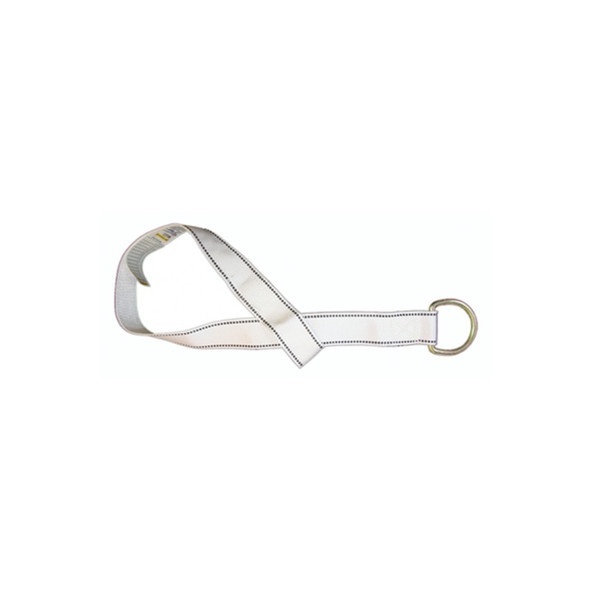
A cinch-down style anchor with a protective reinforcing strap
The Cross Arm Strap is a reusable anchorage connector that can be used in a variety of fall protection applications. Simply wrap the strap around a compatible structure, pull the end through the large D-ring, cinch down, and get to work
Features
- Superior durability
- Compatible with horizontal lifelines
- Fast installation and easy to relocate as work dictates
- Available in 6" lengths
Compliance
- OSHA 1910.140
- OSHA 1926.502
- ANSI Z359.18-2017
Downloads
More Info
Fall Protection Anchorage Connector for Temporary Tie-Off
The Cross Arm Strap is a fall protection anchorage connector designed for temporary tie-off during elevated work. Construction workers, maintenance technicians, and utility crews typically use this reusable anchorage connector to create a secure anchor strap on compatible structures, while the cinch-down style anchor supports fast setup and relocation as work changes. This is OSHA 1910.140, OSHA 1926.502, and ANSI Z359.18-2017 certified equipment.
Industry Applications and Professional Use
Construction Work Environments
Construction workers typically use this anchorage device when crews need a temporary anchor strap for rooftop access, ladder work, or structural access. The reusable connector supports fast installation on compatible beams or other approved structures. It helps teams set up fall arrest systems efficiently during changing jobsite conditions.
Utility and Field Maintenance
Utility crews often rely on a temporary anchor when they move between work areas and need a relocatable tie-off point. The cross arm strap works well for elevated work where teams must adapt quickly. Its protective reinforcing strap adds durability for repeated field use.
Transportation Infrastructure
Transportation crews commonly use anchorage connectors during bridge, rail, and roadway maintenance tasks that involve work-at-height. The large D-ring and cinch-down design support practical connection to compatible structures. Workers can reposition the anchor as access points change across the site.
Oil & Gas Operations
Oil & Gas teams typically use fall protection systems during maintenance on elevated structures, platforms, and access points. This reusable connector fits temporary setups where crews need a dependable tie-off point. It pairs well with horizontal lifelines when site conditions require coordinated access.
Manufacturing Facilities
Maintenance technicians in manufacturing often need an anchorage connector for overhead maintenance, inspection, and repair work. The strap design supports indoor or outdoor use when teams need a fast, reusable solution. All Safety customers commonly choose this style for controlled work environments with frequent task changes.
Technical Specifications and Product Features
Understanding Product Standards
Anchorage connector specifications matter because they guide how the equipment fits into a compliant fall protection system. This product uses a cinch-down style anchor, a reusable anchorage connector design, and a protective reinforcing strap for practical field use. The large D-ring and compatibility with horizontal lifelines support flexible connection options.
| Specification | What It Means | Practical Benefit |
|---|---|---|
| OSHA 1910.140 | Meets the OSHA standard for personal fall protection systems in general industry | Supports compliant selection for workplace fall protection programs |
| ANSI Z359.18-2017 | Anchorage connector standard for fall protection equipment | Helps teams match the anchor to accepted anchorage device criteria |
| 6" lengths | Compact strap size for quick positioning | Helps crews install and relocate the anchor with less bulk |
| Compatible with horizontal lifelines | Designed to integrate with a lifeline system | Supports coordinated tie-off setups on suitable structures |
Use Case Scenarios and Applications
Temporary Elevated Work Setups
Crews commonly use this cross arm strap when they need a temporary tie-off point for elevated tasks. The cinch-down style anchor installs quickly on compatible structures, which helps workers keep projects moving. It suits short-duration work where teams relocate equipment during the shift.
Relocatable Jobsite Anchoring
Maintenance teams often move between access points, so they need a reusable connector that sets up again without complexity. This anchorage connector supports those changing conditions by allowing fast installation and removal. The design works well when crews need a dependable anchor strap across multiple work areas.
Horizontal Lifeline Integration
Workers use this product when they need an anchorage point that aligns with horizontal lifelines. The large D-ring and reinforcing strap help support practical connection management. This setup often suits industrial maintenance and structural access tasks.
Outdoor and Indoor Work
The strap fits both outdoor and indoor environments when teams need fall protection during routine work-at-height tasks. Crews commonly use it on compatible structures in controlled facilities or open sites. The reusable format supports daily-use and occasional-use applications.
Ideal Applications and Work Environments
Where This Anchorage Connector Excels
- Construction sites: Fast installation supports temporary fall protection setups on compatible structures.
- Utility maintenance areas: Crews can relocate the anchor as work zones change.
- Industrial maintenance tasks: Compatibility with horizontal lifelines supports planned tie-off systems.
- Structural access work: The protective reinforcing strap and large D-ring suit elevated access points.
Professional Applications
Workers Who Rely on This Equipment
- Construction workers: Use it for rooftop access, structural work, and temporary anchor point setup.
- Safety coordinators: Select it for compliant fall protection planning and equipment coordination.
- Maintenance technicians: Use it for elevated repair work and relocatable tie-off applications.
- Site supervisors: Oversee proper setup and compatibility with the work area.
- Utility crews: Depend on it for changing field conditions and temporary anchorage device placement.
Complete Safety Equipment Solutions
Complementary Safety Gear
This anchorage connector works alongside other fall protection equipment for a more complete system. Workers commonly pair the anchor strap with a full body harness, lanyards, and horizontal lifelines so the entire setup supports the task at height. Layered equipment selection helps crews match the anchorage point, connection method, and work environment.
Recommended Equipment Combinations
- Rooftop access: Cross Arm Strap + full body harness + lanyards + horizontal lifelines
- Utility maintenance: Cross Arm Strap + full body harness + anchor points
- Industrial inspection: Cross Arm Strap + full body harness + lanyards
Selection Guide and Product Suitability
When to Choose This Product
Choose this anchorage connector when crews need a temporary tie-off point on a compatible structure. It performs well when teams must relocate the anchor during the work shift. It also fits projects that call for a reusable anchorage connector with horizontal lifelines compatibility.
Key Evaluation Factors
- Structure compatibility for the intended anchor strap placement
- Required fall protection system components and connection method
- Work duration and how often crews will reposition the anchor
- Site conditions such as indoor, outdoor, or overhead lifeline use
Limitations and Alternative Considerations
This product is not suitable for structures that cannot support an approved tie-off point or for applications that require a different anchorage device design. Crews needing a permanently installed solution may consider fixed anchor points or other fall arrest hardware. Available from All Safety with standard, expedited, or overnight shipping to suit project timelines.
Daily Use and Maintenance
Workplace Integration
Workers typically use this strap when work-at-height tasks require a temporary tie-off point, and they generally wrap it around a compatible structure before threading it through the D-ring. Crews should follow manufacturer instructions for setup and confirm structure compatibility before use. Teams often deploy it in construction, maintenance, and utility environments.
Care and Replacement Guidelines
Users should inspect webbing, stitching, and the D-ring before each use and during periodic checks per manufacturer instructions. Manufacturers typically recommend cleaning according to manufacturer specifications with methods suitable for webbing equipment. Replace the connector per manufacturer specifications if damage, excessive wear, or fall loading is present, and store it in a clean, dry location away from chemicals, UV exposure, and sharp edges.
Related Products
Related Products


Cross Arm Strap with Pass-Thru Loop | Guardian Fall Protection
Guardian Fall Protection

Premium Cross Arm Strap with Large & Small D-Rings | Guardian Fall Protection
Guardian Fall Protection

Trauma Strap | Guardian Fall Protection
Guardian Fall Protection

Concrete Anchor Strap | Guardian Fall Protection
Guardian Fall Protection
Ladder Stability Anchor: 2' & 3' Straps | Guardian Fall Protection
Guardian Fall Protection