
Guardian Fall Protection
Swivel Concrete Anchor | Guardian Fall Protection

- SKU:
- 00240

Description
Description
The Concrete Swivel Anchor is a popular choice for concrete substrates and offers the worker 360-degree mobility and a full-size D-ring for easy connection while wearing gloves. The anchor bolt (available separately) features a unique visual torque indicator that breaks away when proper torque is reached – no torque wrench required. Can be removed and reused (with new anchor bolt) when work is completed or left for future use.
Specifications
- Product Weight: 0.7LB/0.32KG
- Product Length: 4''/10.16CM
- Product Height: 3''/7.62CM
Downloads
More Info
Concrete Anchor for Fall Protection and Tie-Off Work
The Swivel Concrete Anchor by Guardian Fall Protection is a concrete anchor designed for temporary tie-off point applications on concrete substrates. Construction workers, maintenance technicians, and fall protection technicians typically use this fall protection hardware to create a reusable anchor point with 360-degree mobility. It features a full-size D-ring and a visual torque indicator for straightforward installation per manufacturer instructions.
Industry Applications and Professional Use
Construction Work Environments
Construction workers and site supervisors typically use this concrete anchor during elevated work on slabs, decks, and structural concrete. Teams rely on the anchor point for recurring tie-off tasks where worker mobility matters. The reusable anchor design supports efficient project flow on active job sites.
Utilities and Infrastructure Work
Utility crews often use anchorage connectors on concrete structures during installation and maintenance tasks. The full-size D-ring helps workers make glove-friendly connections in changing field conditions. The anchor bolt and torque indicator support a more consistent setup process on the job.
Transportation and Municipal Services
Transportation teams and municipal services crews commonly need temporary anchorage for elevated access, inspection, and repair work. This anchor suits concrete substrate applications where crews may return to the same location for recurring tasks. Its removable design supports flexible work planning.
Maintenance Services and Facility Work
Maintenance technicians often use a reusable anchor when they need a temporary anchorage solution for rooftop-adjacent or elevated concrete work. The swivel design supports worker mobility during changing positions. It also helps crews maintain efficient tie-off routines in busy facilities.
Manufacturing Environments
Manufacturing teams may use this installation accessory on concrete surfaces for maintenance access or equipment service work. The product works well where staff need a dependable load attachment point without permanent installation. It fits recurring maintenance schedules and controlled industrial work zones.
Technical Specifications and Product Features
Understanding Product Standards
Specifications matter because fall protection hardware must match the work surface, connection method, and installation process. This concrete anchor uses a visual torque indicator, 360-degree mobility, and a full-size D-ring to support practical field use. Workers can set the anchor with the specified anchor bolt and follow manufacturer instructions for installation and reuse.
| Specification | What It Means | Practical Benefit |
|---|---|---|
| 360-degree mobility | The anchor allows rotational movement during use. | Workers gain better positioning while staying tied off. |
| Full-size D-ring | A larger connection point for fall arrest gear. | Users can connect more easily, even while wearing gloves. |
| Visual torque indicator | The indicator breaks away when proper torque is reached. | Installers get a clear visual cue without a torque wrench. |
| Product weight: 0.7LB/0.32KG | Lightweight metal hardware for field handling. | Crews can carry and place the anchor with less effort. |
Use Case Scenarios and Applications
Concrete Slab Work
Workers often install this concrete anchor when they need a reusable anchor point on a slab. The 360-degree mobility helps users move more naturally during positioning and access tasks. The glove-friendly connection improves day-to-day efficiency during active work.
Building Maintenance
Facility teams commonly use temporary anchorage on concrete for elevated maintenance work. This anchor suits recurring access tasks because crews can remove and reuse it with a new anchor bolt. The visual torque indicator supports a more straightforward installation process.
Utility Installation on Concrete Structures
Utility crews rely on a secure tie-off point when working on concrete structures in the field. The full-size D-ring provides a practical connection point for compatible fall arrest system equipment. The product supports both routine and occasional use.
Construction Site Tie-Off Tasks
Site teams use this anchor when they need a temporary concrete anchorage for elevated work. The anchor bolt and torque indicator help crews complete installation with a clear visual reference. That setup supports fast deployment on changing job sites.
Ideal Applications and Work Environments
Where This Concrete Anchor Excels
- Concrete slab projects: The anchor point works well on concrete substrate surfaces where crews need a temporary anchorage.
- Elevated maintenance work: The reusable anchor supports recurring access tasks and routine tie-off needs.
- Utility installation: The load attachment point and full-size D-ring suit field work on concrete structures.
- Construction tie-off setups: The visual torque indicator helps crews confirm installation progress during active projects.
Professional Applications
Workers Who Rely on This Equipment
- Fall protection technicians: They install and verify anchor point setups for height-related work.
- Site supervisors: They coordinate tie-off point placement and jobsite compliance.
- Maintenance technicians: They use the anchor for recurring elevated access tasks.
- Construction workers: They connect fall arrest equipment during concrete work.
- Utility crews: They depend on temporary anchorage for concrete-based installations.
- Safety coordinators: They review anchorage connector use and project setup.
Complete Safety Equipment Solutions
Complementary Safety Gear
This concrete anchor works alongside other fall protection equipment for a more complete safety setup. Teams typically pair the anchor point with compatible gear so they can manage connection, positioning, and access tasks in one system. All Safety carries related components that help crews build practical field-ready combinations.
Recommended Equipment Combinations
- Construction tie-off setup: Swivel Concrete Anchor + harnesses + lanyards + carabiners
- Maintenance access setup: Swivel Concrete Anchor + harnesses + anchorage connectors
- Utility work setup: Swivel Concrete Anchor + lanyards + carabiners
Selection Guide and Product Suitability
When to Choose This Product
Choose this anchor when your crew needs temporary anchorage on concrete substrates and wants 360-degree mobility during elevated work. It performs well for recurring maintenance projects where workers remove and reuse hardware with a new anchor bolt. It also suits tasks that benefit from a glove-friendly connection and a clear visual torque indicator.
Key Evaluation Factors
- Concrete substrate conditions and surface suitability
- Compatibility with the intended harness or lanyard setup
- Need for temporary anchorage versus permanent installation
- Project frequency and reuse requirements
Limitations and Alternative Considerations
This product is not suitable for applications that require anchorage on non-concrete surfaces or a different connection method. Teams working on steel, wood, or specialty structures should review another type of anchor point or anchorage connector. Available from All Safety with standard, expedited, or overnight shipping to suit project timelines.
Daily Use and Maintenance
Workplace Integration
Workers typically use this anchor when work at height requires a temporary concrete anchorage. Crews generally install it per manufacturer instructions and place it where the job needs a reliable tie-off point. Commonly, teams use it on concrete substrates in construction and maintenance settings.
Care and Replacement Guidelines
Inspect the anchor point and hardware before each use, and follow manufacturer instructions for any questionable torque indication or visible wear. Clean the hardware with methods suitable for metal components, then store it in a dry, clean area protected from corrosion and impact. Replace damaged or worn parts per manufacturer specifications and maintain the anchor bolt as directed.
Related Products
Related Products


Concrete Swivel Anchor Kit | Guardian Fall Protection
Guardian Fall Protection
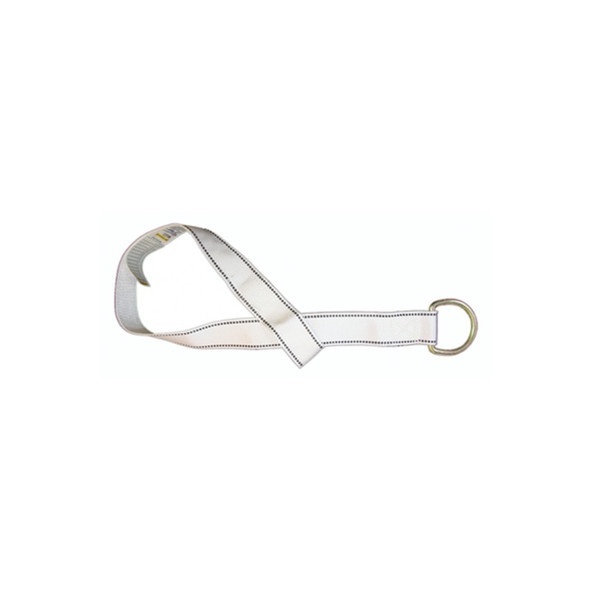

Concrete Anchor Strap | Guardian Fall Protection
Guardian Fall Protection

10K Swivel Anchor - No Bolt | Guardian Fall Protection
Guardian Fall Protection


A5 Concrete Expansion Anchor | Guardian Fall Protection
Guardian Fall Protection

Swivel Concrete Anchor Bolt - HSL-3-B M12/5 | Guardian Fall Protection
Guardian Fall Protection