
Guardian Fall Protection
Temper Anchor | Guardian Fall Protection

- SKU:
- 00455
- Availability:
- in stock


Description
Rock-solid anchor for multiple applications and substrates
The Temper Anchor is one of the most popular fall protection anchors on the market. Designed for wood, metals, or concrete substrates, the Temper Anchor is a perfect fit for new or existing residential applications, or in-progress work on metal decking. Suitable for temporary or long-term installations.
Features
- Offset fastener holes: Make it easier on trusses
- Zinc-plated steel: Superior durability & strength
- Connection point: Easy and secure connection point
- Lightweight & durable
- Easy to install
Specifications
- Product Weight: 3.5LB/1.59KG
- Product Length: 11''/27.94CM
- Product Height: 7.5''/19.05CM
Compliance
- OSHA 1910.140
- OSHA 1926.502
- ANSI Z359.18
Downloads
More Info
Fall Protection Anchor Point for Roofing and Construction
The Temper Anchor is a fall protection anchor designed for secure tie-off in roofing and construction work. Roofers, construction workers, and maintenance technicians typically use this equipment to create a reliable connection point on wood, metal, or concrete substrates. This OSHA 1910.140, OSHA 1926.502, and ANSI Z359.18 certified anchor features zinc-plated steel construction and offset fastener holes.
Industry Applications and Professional Use
Construction Work Environments
Site supervisors and construction workers typically use this fall protection anchor when crews need a temporary or permanent anchor point on active jobsite substrates. It works well for residential framing, commercial buildouts, and in-progress structural work. The lightweight design supports efficient handling while helping crews maintain compliance-focused tie-off practices.
Roofing Projects
Roofers commonly install this roof anchor on wood, metal, or concrete substrates during new construction, repairs, and maintenance. The easy-install anchor system gives workers a secure connection point for fall arrest tasks on sloped or flat roofing surfaces. Its zinc-plated steel body supports demanding roofing conditions.
Manufacturing Facilities
Maintenance technicians in manufacturing often rely on an installed anchor for elevated equipment access and overhead service work. They may use it during shutdown work, inspections, or facility upkeep where tie-off access matters. The durable steel construction fits work areas that see regular use.
Utilities and Municipal Services
Utility crews and municipal workers typically use anchor point hardware when they work at height around structures, platforms, or service areas. This temporary anchor can support short-duration tasks or longer installations depending on the project. It provides a practical option for compliance-minded fall protection planning.
Transportation and Warehousing
Transportation and warehousing teams often use fall arrest systems when they access elevated structures, loading areas, or roof zones. This construction anchor point offers a secure connection point for planned maintenance and inspection work. Its compact form helps fit active facilities where space and setup time matter.
Technical Specifications and Product Features
Understanding Product Standards
Anchor point hardware matters because workers depend on it for secure tie-off during elevated tasks. This fall protection anchor combines compliance-focused standards with practical features for wood, metal, and concrete substrates. The zinc-plated steel build, offset fastener holes, and lightweight profile support easier installation and use.
| Specification | What It Means | Practical Benefit |
|---|---|---|
| OSHA 1910.140 | Meets an OSHA fall protection requirement for anchor use | Supports workplace compliance planning |
| ANSI Z359.18 | Follows a recognized standard for anchor performance | Helps crews select compatible tie-off equipment |
| Zinc-plated steel | Durable metal construction with plated finish | Offers strength and corrosion-resistant value |
| 3.5 lb / 1.59 kg | Lightweight anchor point design | Makes handling and positioning easier |
| 11 in x 7.5 in / 27.94 cm x 19.05 cm | Compact physical dimensions | Fits common roof and construction layouts |
Use Case Scenarios and Applications
Residential Roofing
Crews use this temporary anchor on residential roofs when they need a secure tie-off point for installation or repair work. It works well on wood substrates and can remain in place for long-term use when the job requires it. Workers benefit from a simple connection point that supports project flexibility.
Metal Decking Projects
Teams often choose this roof anchor for metal decking because the offset fastener holes can make installation easier on trusses and similar structures. The lightweight design helps workers position the anchor during active construction. This can simplify tie-off planning on in-progress buildings.
Concrete Substrate Installations
Contractors commonly use this anchor point on concrete substrates for in-progress construction work per manufacturer instructions. It provides a practical solution when crews need a secure connection point before final site completion. The zinc-plated steel body supports demanding jobsite conditions.
Commercial Maintenance Tasks
Maintenance teams may use this installed anchor for routine service work, inspections, and access tasks at height. It suits short-duration and ongoing applications where dependable tie-off access matters. The design helps crews keep work moving without adding unnecessary bulk.
Ideal Applications and Work Environments
Where This Fall Protection Anchor Excels
- Residential roofing projects: Works well on wood substrates for temporary or long-term anchor point needs.
- Metal decking jobs: Supports fast installation and a secure connection point on active structures.
- Concrete construction zones: Fits in-progress work where crews need a compliant tie-off option.
- Commercial maintenance access: Handles recurring service tasks with durable zinc-plated steel construction.
Not Recommended For
- Non-structural surfaces: This anchor point should not replace a proper structural attachment point; use an engineered alternative.
- Applications outside manufacturer guidance: If a substrate or setup falls outside instructions, choose a different fall protection anchor designed for that use.
Professional Applications
Workers Who Rely on This Equipment
- Site supervisors: Coordinate fall protection setups and confirm anchor placement on the jobsite.
- Fall protection technicians: Install and inspect the anchor point per manufacturer instructions.
- Construction workers: Use it for tie-off access during elevated tasks.
- Maintenance technicians: Depend on it for roof and facility service work.
- Roofers: Use it during roofing, repair, and replacement projects.
- Safety coordinators: Select compatible fall arrest equipment and compliance-focused solutions.
Complete Safety Equipment Solutions
Complementary Safety Gear
This fall protection anchor works alongside other equipment for a more complete fall protection system. Workers commonly pair anchor points with compatible harnesses, lifelines, and lanyards to build a layered tie-off setup. All Safety often recommends matching the anchor, connection gear, and site procedure to the task and substrate.
Recommended Equipment Combinations
- Roofing work: Temper Anchor + harnesses + lanyards + lifelines
- Maintenance access: Temper Anchor + harnesses + lifelines + roof anchors
- Construction tie-off: Temper Anchor + harnesses + lanyards
Selection Guide and Product Suitability
When to Choose This Product
Choose this anchor point when your crew needs a secure connection point on wood, metal, or concrete substrates. It performs well for temporary tie-off during active construction and for longer-term installations on residential or commercial projects. It also suits teams that want a lightweight, easy-to-install fall protection anchor with recognized compliance references.
Key Evaluation Factors
- Substrate compatibility for wood, metal, or concrete substrates
- Project duration, including temporary anchor or permanent anchor needs
- Compliance requirements such as OSHA 1910.140 and ANSI Z359.18
- Installation workflow, including fastener holes and site access
Limitations and Alternative Considerations
This product is not suitable for non-structural or unsupported attachment points, and crews should avoid using it outside manufacturer guidance. For applications that need a different attachment style, consider another roof anchor or engineered anchor point. Available from All Safety with standard, expedited, or overnight shipping to suit project timelines.
Daily Use and Maintenance
Workplace Integration
Crews typically use this anchor when roofing, construction, or maintenance work requires a secure tie-off point. Workers generally install and use it per manufacturer instructions, then connect compatible fall arrest equipment before starting elevated tasks. In many cases, teams leave it in place for ongoing access on residential or commercial sites.
Care and Replacement Guidelines
Follow manufacturer guidelines for pre-use and periodic inspection, especially after heavy jobsite exposure. Manufacturers typically recommend cleaning the zinc-plated steel surface with approved methods and storing the anchor in a dry, protected area. Replace the unit per manufacturer specifications if damage, deformation, or failed inspection occurs.
Related Products
Related Products

Halo Anchor | Guardian Fall Protection
Guardian Fall Protection


Ridge-It Anchor | Guardian Fall Protection
Guardian Fall Protection

Guardian Parapet Anchor System | Guardian Fall Protection
Guardian Fall Protection
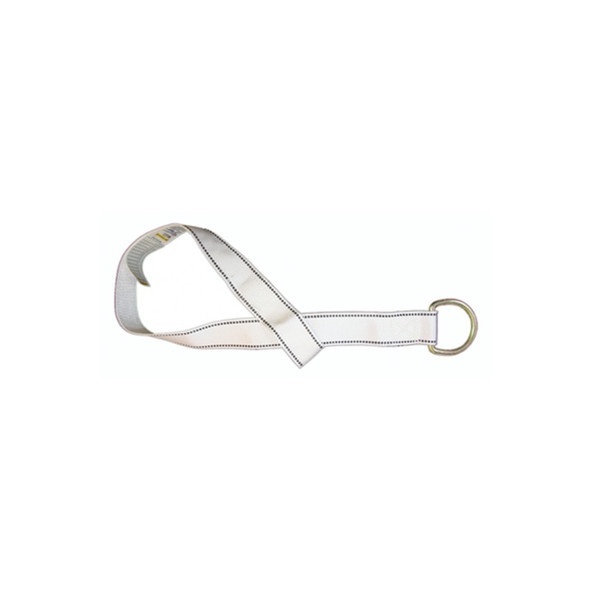

Concrete Anchor Strap | Guardian Fall Protection
Guardian Fall Protection