


Description
Description
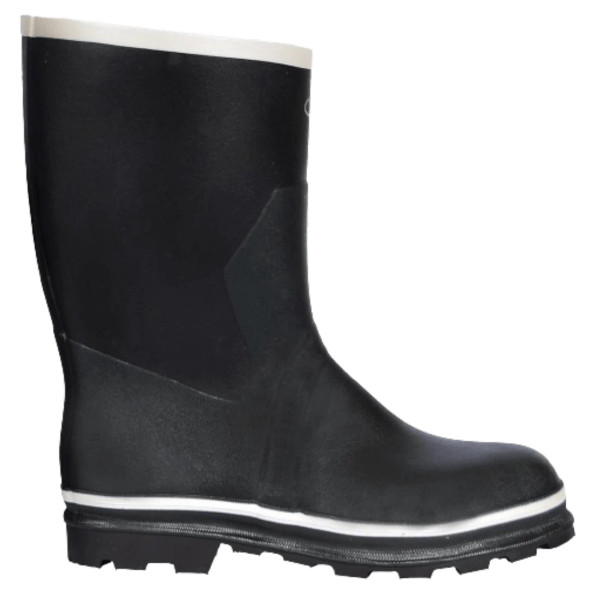
- CSA Z195-14 / ASTM F2413-18 Grade 1 Steel toe and plate
- CSA Omega – Electric Shock Resistant 18kV
- Cold weather protection
- SBR blended NR upper with cotton canvas lining for extra comfort
- Abrasion-, oil-, chemical-resistant sole suitable for inimical environment
- Slip-resistant, self-cleaning NBR lug sole
- Removable foam liner provides warmth for up to -70°C/-100°F
- 420 Denier nylon rip-stop collar with black lace tie
- Ultra flexible: Exceeds 305,000 Flex Rating
- Compatible with ice studs
- Available Size: 6-14
Product Highlights
Ideal
- Construction workers in the winter
- Snow patrols
- Ski or snowboard resort staff
- General winter usage
- Road workers in the winter
- Chairlift operators
More Info
Cold Weather Boots for Winter Work
Arctic Extreme Boots by Viking are cold weather boots designed for winter work in harsh outdoor environments. Construction workers, road crews, and snow patrol staff typically use this footwear to maintain traction and comfort during long shifts. This CSA Z195-14 and ASTM F2413-18 certified equipment features a Grade 1 steel toe and plate, plus a removable foam liner for warmth up to -70°C/-100°F.
Industry Applications and Professional Use
Construction Work Environments
Construction workers typically wear these boots on winter job sites where cold ground, slush, and debris create demanding conditions. The slip-resistant work boots design supports movement on uneven surfaces, while the steel toe and plate suit active site work. Contractors often choose insulated footwear that handles harsh environments and long shifts.
Road Work Environments
Road crews commonly rely on winter work boots when they work along icy shoulders, wet pavement, and salted surfaces. The NBR lug sole provides self-cleaning traction, and the oil resistant sole and chemical resistant sole support roadside conditions. These boots give crews practical winter work footwear for seasonal maintenance.
Transportation and Municipal Services
Transportation workers and municipal crews typically use cold weather boots when they operate outdoors in variable winter weather. The electric shock resistant 18kV rating adds value in work areas where electrical exposure may be a concern. The flexible construction helps workers stay comfortable through full shifts.
Emergency Services
Emergency services personnel often need insulated footwear that performs in weather-dependent situations. The removable liner, rip-stop collar, and cold weather protection help support quick response work in snow, ice, and wet conditions. This style suits personnel who move between vehicles, buildings, and outdoor work zones.
Warehousing and Load Handling
Warehouse teams that work in unheated docks or exterior loading areas commonly need thermal protection and dependable footing. These winter work boots combine a flexible upper with a slip-resistant sole for repetitive movement. Workers benefit from footwear that supports stability in cold, high-traffic areas.
Technical Specifications and Product Features
Understanding Product Standards
Specifications matter because cold weather boots must balance protection, comfort, and worksite performance. CSA Z195-14 and ASTM F2413-18 help define the footwear requirements for industrial use, while CSA Omega indicates electric shock resistant footwear. Viking also builds in an ultra flexible structure with an excellent flex rating for active work.
| Specification | What It Means | Practical Benefit |
|---|---|---|
| CSA Z195-14 | Canadian safety footwear standard | Supports selection for regulated workplace footwear needs |
| ASTM F2413-18 | Industrial protective footwear standard | Helps align the boot with common jobsite requirements |
| CSA Omega | Electric shock resistant footwear designation | Supports use in environments where electrical exposure may matter |
| Removable foam liner to -70°C/-100°F | Insulated liner for severe cold | Provides thermal protection for winter shifts |
Use Case Scenarios and Applications
Winter Construction
On winter construction sites, workers often face packed snow, wet concrete, and changing temperatures. These boots combine a steel toe, plate, and insulated footwear design to support daily movement in cold weather. The cotton canvas lining and SBR rubber upper add comfort for long wear.
Snow Patrol and Resort Operations
Snow patrol staff and resort workers commonly need traction on slippery access paths and outdoor platforms. The slip-resistant work boots design and ice stud compatible construction help teams adapt to changing surface conditions. The rip-stop collar adds durability around frequent flex points.
Road Maintenance and Utility Work
Road maintenance crews usually work around salt, slush, oil, and chemical exposure. The abrasion-, oil-, and chemical-resistant sole supports that environment, while the self-cleaning NBR lug sole helps workers move through dirty conditions. The boots also suit repetitive entry and exit from vehicles.
Outdoor Municipal and Transportation Work
Municipal and transportation teams often need work footwear that performs in cold, weather-dependent tasks. These cold weather boots offer flexible all-day wear, thermal protection, and electric shock resistant performance for varied outdoor duties. Workers can wear them across routes, sites, and maintenance yards.
Ideal Applications and Work Environments
Where This Product Category Excels
- Winter construction sites: Steel toe, plate, and insulated construction winter boots support active site work in freezing conditions.
- Snow patrol operations: Slip-resistant work boots with ice stud compatibility suit icy paths and resort access areas.
- Road maintenance crews: The abrasion-, oil-, and chemical-resistant sole matches roadside contaminants.
- Municipal field work: Electric shock resistant, flexible work footwear supports outdoor public works tasks.
Professional Applications
Workers Who Rely on This Equipment
- Construction workers: Use them for winter site work where cold weather boots and impact-rated protection matter.
- Road crews: Rely on them for traction and thermal protection during winter maintenance.
- Snow patrol staff: Wear them for slippery terrain and long outdoor shifts.
- Chairlift operators: Use them for cold, exposed resort work areas.
- Safety coordinators: Select them when jobsite footwear must meet CSA Z195-14 and ASTM F2413-18.
- Equipment operators: Choose them for all-day wear in harsh environments.
Complete Safety Equipment Solutions
Complementary Safety Gear
Arctic Extreme Boots work alongside other equipment for a more complete workplace setup. Workers often layer footwear with gloves, hi-viz vests, hard hats, and safety glasses to support visibility and task performance. All Safety commonly supplies these combinations for winter crews that need coordinated gear.
Recommended Equipment Combinations
- Construction site winter kit: Cold weather boots + hard hat + safety glasses + gloves
- Road crew visibility kit: Cold weather boots + hi-viz vests + gloves
- Resort operations kit: Cold weather boots + gloves + safety glasses
Selection Guide and Product Suitability
When to Choose This Product
Choose these boots when your crew works outdoors through winter weather and needs cold weather boots with thermal protection. They perform well for sites with wet snow, ice, and variable footing. They also suit roles that need steel toe, electric shock resistant, and slip-resistant work boots in one design.
Key Evaluation Factors
- Winter temperature exposure and shift length
- Need for CSA Z195-14 and ASTM F2413-18 compliance
- Traction requirements for ice, slush, or packed snow
- Need for removable liner comfort and flexible work footwear
Limitations and Alternative Considerations
These boots are not ideal for dry indoor work that does not need insulated footwear or winter traction. For light indoor tasks, a general safety shoe may fit better. For waterproof winter boots in extreme wet exposure, compare other cold-weather styles. Available from All Safety with standard, expedited, or overnight shipping to suit project timelines.
Daily Use and Maintenance
Workplace Integration
Workers typically wear these boots when they report to outdoor winter sites, then use the removable foam liner per manufacturer instructions. In snowy or icy areas, they may add ice studs if the task requires extra traction. Crews commonly wear them throughout seasonal shifts in roads, resorts, and other harsh environments.
Care and Replacement Guidelines
Inspect the toe, plate, sole, liner, and collar regularly per manufacturer instructions. Manufacturers typically recommend cleaning the boots and drying all components thoroughly after use. Replace the footwear when the sole, liner, or protective components show wear, and store it in a dry, ventilated area away from excessive heat and moisture.
Related Products
Related Products


Viking Journeyman Boots | Viking
Viking Workwear


Viking Timberwolf Boots | Viking
Viking Workwear


Viking Ultimate Construction Boots | Viking
Viking Workwear

Viking Evolution ComfortLite Boots | Viking
Viking Workwear


Viking Firewall Rigger Boots | Viking
Viking Workwear