
Acton Boots
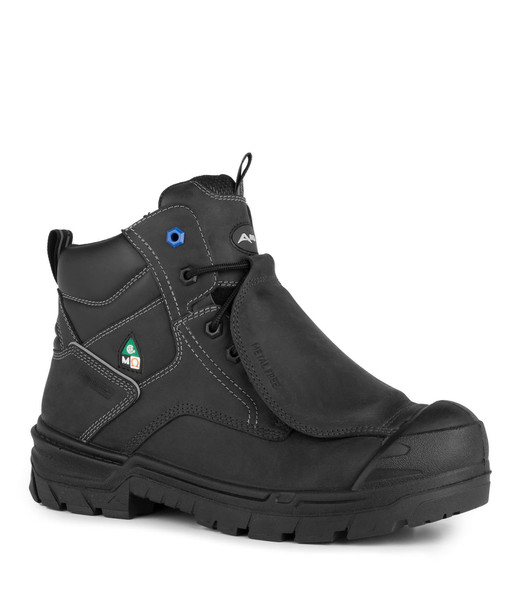
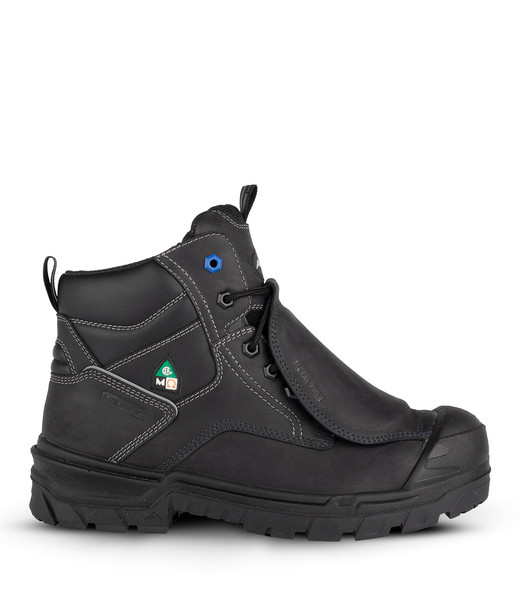
Bering| 15'' PU Insulated Work Boots With Metguard Protection | Acton
- SKU:
- A4154-15



Description
Description
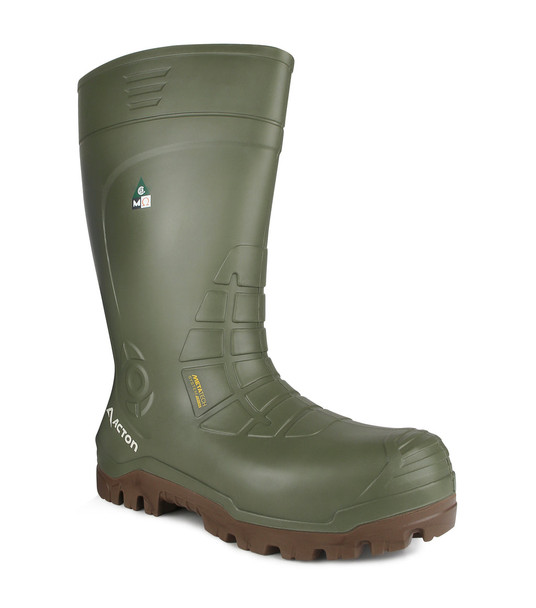
Insulated, ultra-light and resistant work boot made of PU, with METATECH System Cross internal metatarsal protection, CSA ESR M certified, lightweight composite sole and toe.
Product details
- Height: 15’’ / 38 cm
- Waterproof lightweight PU boot, resistant to oil, acid, manure and animal fat.
- Internal and comfortable METATECH System Cross metguard protection, CSA certified, protects the top as well as the sides of the foot.
- Lightweight, non-conductive composite toe with puncture-resistant plate.
- Breathable lining with antimicrobial treatment.
- Removable insole made of PU foam for a long-lasting comfort.
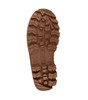
- PU self-cleaning outsole.
- 90° heel angle.
- Easy to care.
More Info
Insulated Work Boots with Metguard Protection for Demanding Jobs
The Bering 15 PU Insulated Work Boots with Metguard Protection by Acton are a safety boot designed for cold, wet, and messy jobsite conditions. Construction workers, maintenance technicians, and warehouse workers typically use this insulated work boot to support long shifts with metatarsal protection and a composite toe. This CSA ESR M certified boot features a waterproof PU boot body and a puncture-resistant plate.
Industry Applications and Professional Use
Construction Work Environments
Construction workers typically wear this safety boot when sites include wet ground, debris, or impact risks. The metatarsal guard, composite toe, and anti-puncture sole help support daily tasks around framing, renovation, and site cleanup. The lightweight footwear design also helps reduce fatigue during extended wear.
Manufacturing Facilities
Industrial laborers and equipment operators commonly use protective footwear like this in plant settings with moisture, oils, or floor contamination. The oil resistant and acid resistant PU material works well in areas that need easy-clean performance. The breathable lining with antimicrobial treatment supports comfort during long production shifts.
Warehousing and Transportation
Warehouse workers and transportation personnel often need insulated footwear that handles indoor-outdoor movement and changing conditions. The self-cleaning outsole and heel support assist with repeated walking, loading, and dock work. This style fits daily-duty protective footwear needs without adding unnecessary bulk.
Utilities and Field Service
Utility crews usually work in weather-dependent environments where cold, wet conditions and uneven ground affect footing. The waterproof PU boot and 15 in height help support coverage in exposed work areas. All Safety supplies footwear that matches these practical site demands.
Oil & Gas and Agricultural Settings
Maintenance teams in oil & gas and agricultural workers often need footwear that handles manure, animal fat, oil, and acids. The PU material and easy-care construction suit those conditions well. This work boot supports rugged outdoor use while remaining lightweight and comfortable.
Technical Specifications and Product Features
Understanding Product Standards
Specifications matter because protective footwear must match the hazards of the worksite. This CSA ESR M certified boot combines a composite safety toe, metguard, and puncture-resistant plate for layered performance. Users also benefit from the 90-degree heel angle and removable PU foam insole.
| Specification | What It Means | Practical Benefit |
|---|---|---|
| CSA ESR M | Certified to a recognized safety standard for protective footwear | Supports compliance-focused jobsite selection |
| Composite toe | Lightweight non-conductive toe cap | Helps reduce boot weight while supporting toe protection |
| Puncture-resistant plate | Resists sharp objects underfoot | Supports work on debris-covered floors and rough terrain |
| 15 in / 38 cm height | Extended boot coverage | Provides taller lower-leg coverage in wet or messy conditions |
Use Case Scenarios and Applications
Cold and Wet Outdoor Work
Workers often choose this insulated work boot for cold, wet shifts because the waterproof PU boot helps handle slush, rain, and mud. The self-cleaning outsole supports easier maintenance between shifts. This setup suits crews that move from vehicles to active job areas throughout the day.
Heavy-Duty Site Maintenance
Maintenance teams commonly use this boot where metatarsal protection and puncture resistance matter. The internal METATECH System Cross metguard protects the top and sides of the foot, which supports work around tools, parts, and material handling. The lightweight build helps during repeated walking and crouching.
Agricultural and Barn Work
Farm and barn environments often expose footwear to manure, animal fat, oil, and acids. The resistant PU material and easy-care exterior suit those conditions. The breathable lining also helps during long shifts in demanding seasonal work.
Indoor-Outdoor Daily Duty Use
Teams that move between indoor and outdoor areas usually need protective footwear that stays comfortable throughout the day. The removable insole and antimicrobial treatment support everyday wear. This makes the boot a practical option for routine industrial tasks.
Ideal Applications and Work Environments
Where This Safety Boot Excels
- Construction sites: Waterproof coverage, metatarsal protection, and puncture resistance suit debris-heavy work areas.
- Industrial maintenance: Lightweight footwear and a composite toe support long repair and service shifts.
- Agricultural barns: Oil resistant and acid resistant PU material handles messy surfaces and frequent cleaning.
- Warehouses: The self-cleaning outsole and heel support fit repetitive movement and dock activity.
Professional Applications
Workers Who Rely on This Equipment
- Construction workers: Use it for wet sites, material handling, and lower-leg coverage.
- Maintenance technicians: Rely on the metguard and puncture-resistant plate during service work.
- Equipment operators: Wear it for traction-focused, all-day jobsite movement.
- Warehouse workers: Benefit from lightweight footwear during walking and loading tasks.
- Industrial laborers: Use it for daily-duty protection in mixed indoor-outdoor environments.
- Safety coordinators: Often select it when teams need CSA ESR M certified footwear.
Complete Safety Equipment Solutions
Complementary Safety Gear
This safety boot works alongside other equipment for a more complete jobsite setup. Workers often pair protective footwear with other layers because different hazards affect the feet, eyes, hands, and visibility in different ways. A layered system supports practical protection across changing work conditions.
Recommended Equipment Combinations
- Construction and utility work: Insulated work boot + work gloves + safety glasses + high-vis vests
- Warehouse and loading tasks: Protective footwear + work gloves + hearing protection
- Industrial maintenance: Safety boot + safety glasses + work gloves
Selection Guide and Product Suitability
When to Choose This Product
Choose this boot when you need a waterproof PU boot for cold, wet, or dirty environments. It also fits jobs that call for metatarsal protection, a composite toe, and a puncture-resistant plate. The lightweight build helps when workers wear boots for extended shifts.
Key Evaluation Factors
- Fit and sizing for long daily wear
- Exposure to water, manure, oil, or acids
- Need for metatarsal protection and toe protection
- Jobsite requirements for CSA ESR M certified footwear
Limitations and Alternative Considerations
This boot may not suit jobs that require specialized dielectric electrical protection or other task-specific standards beyond CSA ESR M. Some users may prefer a different safety boot style for lighter indoor work without metatarsal coverage. Available from All Safety with standard, expedited, or overnight shipping to suit project timelines.
Daily Use and Maintenance
Workplace Integration
Workers generally wear this boot when conditions turn cold, wet, or messy on the jobsite. Users often pair it with thicker socks or compatible insoles for extended shifts, per manufacturer instructions. In construction, agriculture, and maintenance settings, the boot fits daily-duty routines well.
Care and Replacement Guidelines
Inspect the toe, sole, and metguard area regularly for wear, damage, or loss of structure. Manufacturers typically recommend wiping the PU surface clean with mild methods and storing the boots in a dry, ventilated area away from heat and contaminants. Replace the footwear per manufacturer instructions when protective components show wear or damage.
Related Products
Related Products
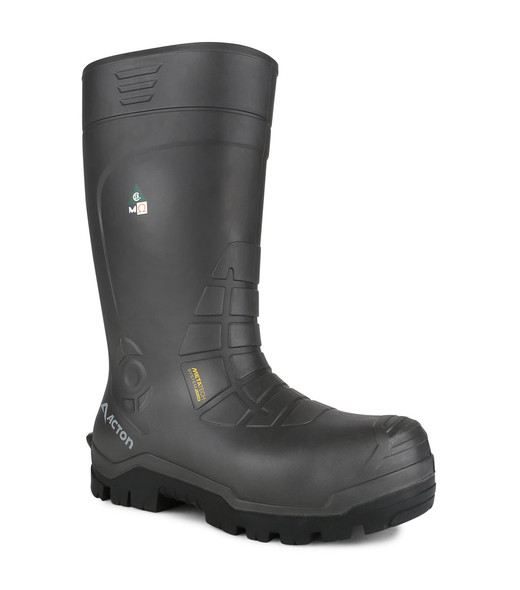
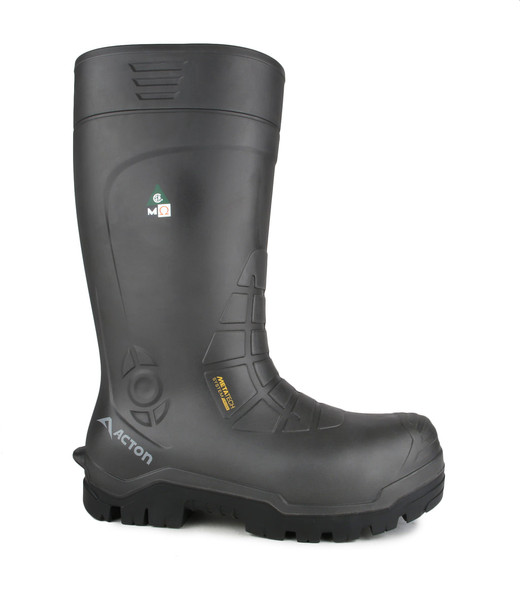
All Weather | 15'' Insulated Work Boots | Metguard Protection | Acton
Acton Boots
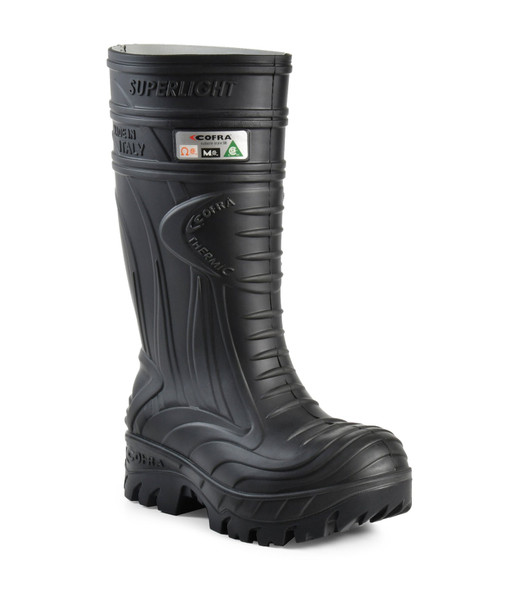
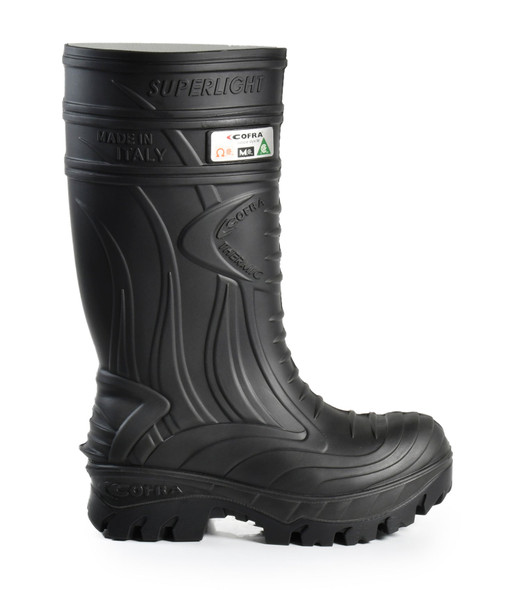
Thermic | Insulated PU Work Boots | Metguard Protection | Cofra
Cofra Boots
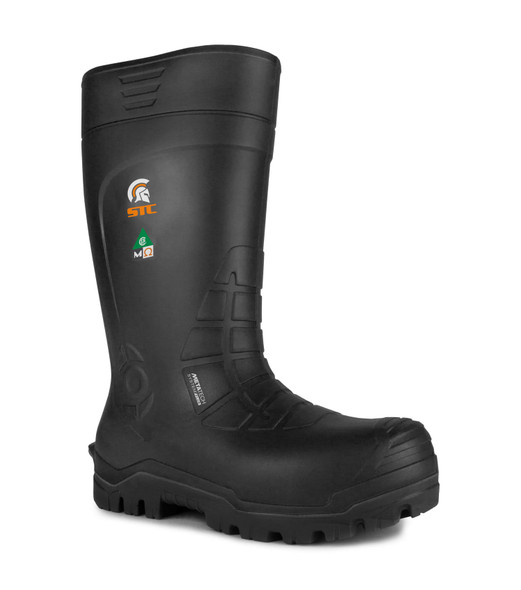
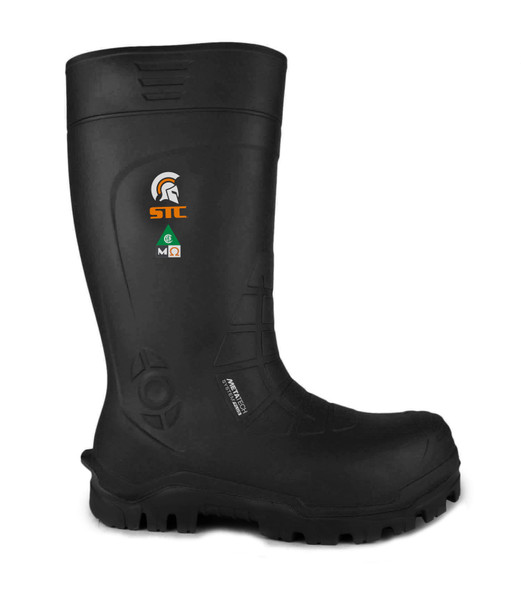
Golden | 15'' PU Work Boots | Metguard Protection | STC
STC

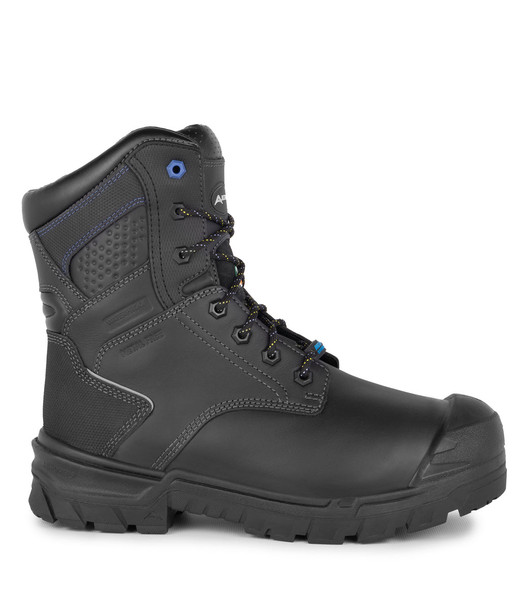
Crusher | 8'' 600g Insulated Work Boots | Flexible Metguard | Acton
Acton Boots
G3G | Leather 6" Work Boots | External Metguard Protection | Acton
Acton Boots