
BUGGY WHIPS
What Are Buggy Whips?
A buggy whip is a flexible fiberglass pole mounted on a vehicle that raises a high-visibility flag above the roofline, also called a warning whip or safety whip. The pole typically extends 3 to 6 feet, giving the flag clearance above dust, dunes, and low vegetation that would otherwise hide the vehicle. Operators in mining, construction, and off-road recreation rely on the raised flag for early visual warning when sightlines are limited.
All Safety supplies buggy whips and mounting hardware to industrial and commercial buyers across Canada.
Key Takeaways About Buggy Whips
- Buggy whips raise a flag 3 to 6 feet above the vehicle roofline to improve detection in dusty or hilly terrain
- Fiberglass pole construction flexes on contact with obstacles instead of snapping, reducing replacement frequency
- Mounting options include magnetic bases, hitch receivers, and window brackets to suit different vehicle types
- Powered LED whips extend visibility into low-light and nighttime conditions for continuous operations
- Quick-disconnect whips allow rapid removal for transport through height-restricted areas or public roads
- Heavy-duty mesh flags resist wind and weather better than light-duty flags in industrial settings
- Mining, construction, and recreational off-road operators use buggy whips to reduce collision risk where standard lighting falls short
Where Buggy Whips Are Used in Off-Road and Industrial Operations
Sand dunes and desert terrain limit sightlines to a few vehicle lengths, so dune buggy and ATV operators depend on the raised flag to spot other vehicles before they crest a rise. Many off-highway vehicle areas require whip installation for this reason. The flag appears before the vehicle body does, giving riders earlier warning than a roofline-mounted light could provide.
Mining haul trucks, loaders, and service vehicles generate dust clouds dense enough to hide a vehicle's body entirely. A buggy whip's elevated flag stays visible above that dust, helping operators track approaching equipment. Construction crews use whips on equipment requiring traffic safety measures near active roadways or staging areas with heavy machinery movement.
Agricultural equipment working in tall crops faces a similar visibility gap, with combines and grain carts relying on whip flags to maintain spacing during harvest. Forestry crews use whips where tree cover blocks sightlines between vehicles. Warehouse and logistics yards add whips to forklifts and utility vehicles working around stacked materials that obstruct views.
Industry Applications for Vehicle Safety Whips
- Mining operations: dust clouds in active pits hide vehicle bodies, and elevated whip flags stay visible above the dust to maintain safe spacing between haul trucks
- Recreational vehicle parks: dune buggy and ATV rental operations reduce collision risk on terrain with blind rises by requiring whip systems on rental fleets
- Construction sites: earthmoving equipment working in confined areas uses whips to prevent backing accidents between operators with limited rear visibility
- Agricultural operations: harvest crews running combines and grain carts in tall crops use whip flags to judge distances between vehicles
- Forestry management: logging crews working under dense tree cover use whips to locate equipment when radio contact is unreliable
- Warehouse and logistics yards: forklifts and utility vehicles operating around stacked materials use whips to improve mutual visibility in outdoor storage areas
How to Choose a Buggy Whip for Your Vehicle
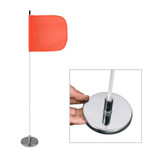
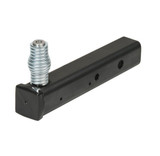
Mounting type drives most buying decisions. Magnetic bases suit vehicles needing frequent whip removal but depend on a clean, flat metal surface to hold securely. Hitch-mounted whips distribute load more evenly and suit permanent installation on vehicles with a receiver hitch.
| Mount Type | Stability | Removal Ease | Best Fit |
|---|---|---|---|
| Magnetic base | Moderate, needs flat metal surface | Fast, tool-free | Vehicles needing frequent removal |
| Hitch mount | High, distributes load through receiver | Slower, bolt or pin secured | Permanent installation on hitch-equipped vehicles |
| Window bracket | Moderate | Moderate | Vehicles without metal mounting surface or hitch |
| Fold-down side mount | High when locked | Quick fold, no full removal | Vehicles alternating between indoor and outdoor work |
Hitch mounts offer the most secure attachment for vehicles in constant use, while magnetic and fold-down mounts trade some stability for faster removal.
Buying Process for Buggy Whips
- Measure typical terrain obstacles and dust height in your operating environment
- Check whether your vehicle has a hitch receiver, flat metal surface, or window frame for mounting
- Decide if LED-powered visibility is needed for low-light or nighttime work
- Determine how often the whip needs to come off for transport or storage
- Compare flag material for wind and weather resistance in your conditions
- Confirm mounting hardware load rating matches your vehicle's typical speed and terrain
- Check manufacturer warranty terms on the pole, mount, and electrical components
Buggy Whip Components and Mounting Options
Three components define a buggy whip: the fiberglass pole, the flag, and the mounting base. The pole flexes under wind or contact load and returns to vertical rather than snapping. Flag material and mount type then determine how the whip performs in a given environment.
Buggy Whip Terminology
- Warning whip
- Alternate name for a buggy whip, common in mining and industrial contexts
- Safety whip
- Alternate name for a buggy whip, emphasizing its collision-avoidance function
- Vehicle safety flag
- The flag component mounted at the top of the whip pole
- Magnetic mount
- Base that attaches to a flat metal vehicle surface using magnetic force
- Hitch mount
- Base that inserts into a vehicle's receiver hitch for a fixed installation
- Quick-disconnect
- Mounting hardware that allows the whip to be removed without tools
- Mesh flag
- Flag fabric with an open weave that reduces wind resistance on the pole
- Powered whip
- A whip with an integrated LED light connected to the vehicle's electrical system
Flag size generally ranges from 10 to 18 inches, with larger flags improving long-range visibility at the cost of added wind resistance on the pole. Reflective material on the flag improves visibility when headlights illuminate it from a distance. Powered whips integrate LED lighting into the pole itself, which proves useful in operations that run after dark.
Maintaining Buggy Whip Visibility and Mounting Security
Check mounting hardware before each use. Magnetic bases need a clean contact surface free of dirt or sand. Hitch-mounted systems need periodic verification that pins and bolts hold proper torque.
Inspect the fiberglass pole for stress cracks near the base, where bending forces concentrate. Wipe down the pole regularly to remove dust and chemical residue that can degrade the fiberglass over time. Store removed whips horizontally to avoid permanent bending.
Replace flags when mesh tears, color fades, or reflective material wears off. A twisted flag reduces visibility and adds wind drag on the mount. Keeping spare flags on-site allows immediate replacement when this happens.
On powered whips, test LED function and check electrical connections for corrosion before each shift. Vibration can loosen wiring over time, causing intermittent failures that go unnoticed until the light stops working entirely.
Quick Selection Checklist for Buggy Whips
- Check that whip height clears typical dust and terrain obstacles in your operating area
- Verify the flag meets visibility needs for your lighting and weather conditions
- Assess whether mounting type matches your vehicle's hitch, surface, or window setup
- Confirm powered LED visibility is worth the added cost for your operating hours
- Review manufacturer warranty terms on the pole, mount, and electrical components
- Compare flag and mounting hardware durability against your environmental exposure
- Establish a routine inspection schedule for mounting hardware and pole condition
- Keep spare flags and mounting hardware on hand to minimize downtime
Common Questions About Buggy Whips
Are buggy whips required by regulation?
Requirements vary by land manager and worksite. Some off-highway vehicle areas and mine operators require visibility devices like buggy whips as part of broader hazard-mitigation programs, though no single CSA or ANSI standard governs buggy whips specifically.
How tall should a buggy whip be?
Height needs depend on terrain. A pole in the 3 to 6 foot range generally clears dust clouds and low obstacles, but taller terrain features may call for the higher end of that range.
Should I choose a powered or non-powered whip?
Powered LED whips help in operations running into low light or after dark. Non-powered whips cost less to maintain and suit daytime-only use where flag visibility alone is sufficient.
Can buggy whips be used on mining equipment?
Yes. Haul trucks, loaders, and service vehicles in active pits use buggy whips so the flag stays visible above dust that would otherwise hide the vehicle entirely.
How often do whip flags need replacing?
Replace a flag once mesh tears, color fades, or reflective material wears away. Industrial use in high wind and dust wears flags faster than occasional recreational use.
Buggy whips give off-road and industrial vehicles a visibility advantage that standard lighting cannot match in dust, dunes, or blind terrain. Choosing the right whip starts with mounting compatibility, then height, flag durability, and whether powered LED visibility fits your operating hours. Mining, construction, agricultural, and recreational operators all rely on the same core components: a flexible fiberglass pole, a durable flag, and a secure mount. Pairing buggy whips with warning lights and beacons, high-visibility apparel, and workplace signage builds a layered visibility program rather than relying on any single device. Regular inspection of the pole, mount, and flag keeps the whip performing as intended throughout its service life. Working with a supplier who carries the full range of mounting and flag options makes it easier to match equipment to your specific terrain and operating conditions.
- Product
- Qty in Cart
- Quantity
- Price
- Subtotal
-


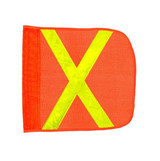
Heavy Duty Orange Mesh Safety Flag (Yellow X)
Driver Industrial Safety
$37.13 - $42.46Heavy Duty Orange Mesh Safety Flag (Yellow X) | SafetyWhips SafetyWhips® offers High Quality Super Visibility UV Resistant Safety Flags, Pennants, Windsocks, and Streamers suitable for all Light &...$37.13 - $42.46