

Coveralls
What Are Safety Coveralls?
Safety coveralls are one-piece full-body garments that protect workers from specific workplace hazards — including flash fire, arc flash, chemical splash, and low visibility — through materials and construction rated to verified safety standards. Industrial buyers select coveralls based on the hazard type present on site, not by garment style alone.
The Four Main Coverall Categories
Flame-resistant (FR) coveralls, rated to CAN/CGSB-155.20 or CSA Z462, protect against flash fire and arc flash in petrochemical and electrical environments. Hi-visibility coveralls with retroreflective tape meet CSA Z96 Class 2 or Class 3 for workers operating near moving vehicles or traffic. Insulated coveralls address cold-climate exposure on outdoor worksites. Disposable coveralls provide single-use contamination control for maintenance and hazmat tasks.
Each category addresses a distinct hazard profile. A coverall marketed as a "safety coverall" without a specific standard reference does not guarantee protection against any particular hazard — buyers must verify the applicable standard before purchasing.
FR Coveralls vs Hi-Viz Coveralls: Key Differences
FR coveralls and hi-viz coveralls address different hazards and cannot substitute for each other. FR coveralls protect against thermal energy — flash fire and arc flash — while hi-viz coveralls increase worker visibility to equipment operators and vehicle drivers. Sites with both hazards require coveralls rated to both standards simultaneously.
Comparing Coverall Types by Hazard and Standard
Coverall Type Comparison by Protection Class
| Coverall Type | Primary Hazard | Applicable Standard | Key Rating |
|---|---|---|---|
| Flash fire FR | Flash fire ignition | CAN/CGSB-155.20 / NFPA 2112 | Max 40% predicted body burn; 50-wash minimum |
| Arc-rated FR | Arc flash thermal energy | CSA Z462 / ASTM F1506 | ARC rating in cal/cm² (ATPV value) |
| Hi-visibility | Struck-by vehicle incidents | CSA Z96 | Class 1 / Class 2 / Class 3 |
| Insulated | Cold stress and hypothermia | No single mandated standard | Thermal resistance rating (CLO value) |
| Disposable | Particulate and light chemical splash | Varies by material type | Type rating per EN 13982 / ASTM F1671 |
Key Takeaways About Industrial Safety Coveralls
- Safety coveralls require a verified standard rating — a garment without a standard reference does not confirm protection against any specific hazard.
- FR coveralls rated to CAN/CGSB-155.20 must maintain their flame resistance through a minimum of 50 industrial wash cycles, making laundering protocol a compliance requirement, not just a care preference.
- Arc-rated coveralls carry an ATPV value expressed in cal/cm² — this number tells buyers how much arc flash energy the garment can withstand before the wearer sustains a second-degree burn.
- CSA Z96 Class 3 coveralls provide the highest hi-visibility rating, combining the largest retroreflective tape area with fluorescent background fabric for maximum contrast in daylight and low-light conditions.
- Coveralls combining FR and CSA Z96 hi-viz ratings are available for oil and gas sites where workers face both flash fire risk and traffic exposure simultaneously.
- Disposable coveralls protect against particulate and light splash but provide no flame resistance — using disposable coveralls on a site with ignition sources creates a serious burn hazard.
- All Safety carries flame-resistant coveralls rated to Canadian and US standards for buyers sourcing compliant FR protection across North American worksites.
CSA and NFPA Standards That Apply to Industrial Coveralls
Three distinct Canadian and North American standards govern coverall selection for industrial applications, and each applies to a different hazard type. Selecting a coverall without confirming which standard applies to the identified workplace hazard creates a compliance gap even when the garment appears protective.
Flash Fire Protection: CAN/CGSB-155.20 and NFPA 2112
CAN/CGSB-155.20 is the Canadian standard for flame-resistant clothing in flash fire environments, commonly referenced in oil and gas and petrochemical applications. Coveralls tested to this standard must demonstrate that the predicted body burn across the garment surface does not exceed 40% in a standardized flash fire test. The standard also requires that FR performance persists through a minimum of 50 industrial launderings — buyers should confirm this wash rating before establishing a cleaning program.
Arc Flash Protection: CSA Z462 and ATPV Ratings
CSA Z462 governs arc flash protection in electrical work environments across Canada. Coveralls selected for arc flash protection carry an Arc Thermal Performance Value (ATPV) expressed in calories per square centimeter (cal/cm²). Buyers must match the coverall's ATPV rating to the incident energy level calculated in the facility's arc flash hazard analysis — a coverall with a lower ATPV than the calculated incident energy provides insufficient protection.
Hi-Visibility Requirements: CSA Z96
CSA Z96 classifies hi-visibility garments — including coveralls — into three classes based on the surface area of fluorescent background material and retroreflective tape. Class 2 and Class 3 are the classifications most relevant to industrial and construction coveralls. Hi-viz coveralls with CSA Z96-compliant retroreflective tape provide full-body visibility coverage that a vest worn over dark clothing cannot fully replicate in low-light or high-speed traffic environments.
How to Choose Coveralls for Oil, Gas, and Construction Work
Coverall selection for high-risk industrial environments requires matching the garment's rated protection level to the specific hazards identified in a workplace risk assessment. Buyers who select coveralls based on price or brand alone without verifying the applicable standard frequently encounter compliance failures during audits or, worse, inadequate protection during an incident.
Key Factors That Affect Coverall Selection
Hazard type determines the primary standard required — flash fire, arc flash, traffic exposure, and cold stress each demand a different rated garment. Material weight affects heat stress risk in warm environments; lighter poly/cotton blends reduce thermal burden on workers in summer conditions while heavier fabrics improve durability in abrasive environments. Fit over personal protective equipment matters significantly — coveralls worn over fall protection harnesses require cut and sizing that allows harness donning without compromising the coverall's seam integrity or restricting D-ring access.
Coverall Buying Process: 6 Steps for Industrial Buyers
- Complete a workplace hazard assessment identifying flash fire, arc flash, traffic, chemical, or cold exposure risks
- Match identified hazards to the applicable standard — CAN/CGSB-155.20, CSA Z462, CSA Z96, or a combination
- Confirm the coverall's rated protection level meets or exceeds the hazard severity on your site
- Size workers while wearing base layers and any PPE worn underneath the coverall
- Verify compatibility with harnesses, hard hats, and respiratory equipment worn simultaneously
- Confirm the manufacturer's laundering protocol and verify your cleaning program maintains standard compliance
When Combined-Rating Coveralls Are Required
Oil and gas sites often require coveralls rated to both CAN/CGSB-155.20 and CSA Z96 simultaneously — workers near gas processing equipment face flash fire risk while also working near vehicle traffic in yard and pipeline environments. Combined-rating coveralls carry both certifications on the garment label and satisfy both compliance requirements in a single garment, reducing layering complexity and heat burden compared to wearing separate garments.
Where Industrial Coveralls Are Used Across Key Sectors
Safety coveralls protect workers across a wide range of industries where full-body hazard exposure makes separate upper and lower garments insufficient. The specific coverall type required varies by sector based on the dominant hazard profile — thermal, visibility, chemical, or environmental.
Industry-Specific Applications for Safety Coveralls
- Oil and Gas: Workers on wellsites, processing facilities, and pipeline corridors face simultaneous flash fire and traffic exposure — CAN/CGSB-155.20-rated FR coveralls with CSA Z96 hi-viz tape address both hazards in a single compliant garment.
- Construction: Site workers near heavy equipment and active roadways require CSA Z96 Class 2 or Class 3 hi-viz coveralls to remain visible to equipment operators in dusty, low-light, and high-traffic conditions.
- Utilities and Electrical Maintenance: Electricians performing energized work must wear arc-rated coveralls with an ATPV value meeting or exceeding the calculated incident energy level from the site's CSA Z462 arc flash analysis.
- Manufacturing and Automotive: Assembly and maintenance workers benefit from durable poly/cotton coveralls with reinforced knees and elbows that resist abrasion from contact with machinery, floors, and metal components during routine maintenance tasks.
- Cold-Climate Outdoor Work: Workers on northern Canadian worksites during winter require insulated coveralls rated for sustained cold exposure that maintain mobility during overhead and confined-space tasks.
- Maintenance and Remediation: Technicians entering contaminated areas, handling hazardous waste, or performing dusty abatement work use disposable coveralls for single-use contamination control that eliminates cross-contamination between work areas.
- Emergency Response: Responders entering hazmat zones or post-incident sites require coveralls offering chemical splash resistance compatible with supplied-air and respirator protection systems worn simultaneously.
Coverall Care, Replacement, and Selection Checklist
FR coveralls require laundering procedures that preserve their flame-resistant properties — standard commercial detergents containing bleach, fabric softeners, or optical brighteners can degrade FR performance over repeated wash cycles. Buyers must confirm the garment manufacturer's approved laundering protocol and train workers and cleaning staff on the specific requirements before establishing a fleet program.
How to Know When Coveralls Need Replacement
Coveralls require replacement when seams separate, retroreflective tape loses adhesion or retroreflectivity, FR fabric develops holes or burns, or the garment reaches the manufacturer's rated wash cycle limit. A coverall that has been exposed to a flash fire or arc event must be removed from service immediately regardless of visible damage — thermal events can compromise FR fiber structure without producing obvious external evidence.
Insulated and Seasonal Coverall Storage
Store coveralls in dry, ventilated areas away from direct UV exposure and heat sources. UV degradation affects both hi-viz fluorescent fabric and FR fiber performance over time when garments are stored outdoors or in areas with prolonged sunlight exposure. All Safety recommends labeling coveralls with the in-service date so safety coordinators can track wash cycle counts and schedule timely replacements before performance degrades.
Safety Coverall Quick Selection Checklist
- Verify the coverall carries the applicable standard label — CAN/CGSB-155.20, CSA Z462, or CSA Z96 — matching your site hazard
- Check that the arc-rated ATPV value meets or exceeds the incident energy level from your arc flash hazard analysis
- Assess fit over base layers and harness equipment without restricting D-ring or buckle access
- Confirm retroreflective tape coverage meets CSA Z96 Class 2 or Class 3 as required by your site traffic conditions
- Verify the manufacturer's laundering protocol is compatible with your facility's cleaning capabilities
- Review the garment's rated wash cycle count and establish a replacement schedule before FR performance degrades
- Confirm compatibility with hard hats and hand protection worn simultaneously on site
- Assess total cost of ownership including laundering, replacement frequency, and fleet size relative to single-use disposable alternatives for short-duration tasks
Selecting the right industrial coverall requires matching the garment's certified protection level to the specific hazard identified in a workplace risk assessment — not selecting by price or brand alone. FR coveralls must meet CAN/CGSB-155.20 or CSA Z462 depending on whether the hazard is flash fire or arc flash, hi-viz coveralls must satisfy CSA Z96 Class 2 or 3 based on traffic exposure, and all coveralls require a documented laundering and replacement program to maintain compliance over the garment's service life. All Safety carries coveralls rated to Canadian and US standards for industrial buyers across oil and gas, construction, utilities, and manufacturing sectors. Information current as of April 28, 2025.
- Product
- Qty in Cart
- Quantity
- Price
- Subtotal
-
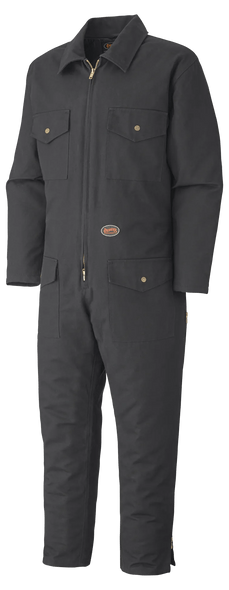

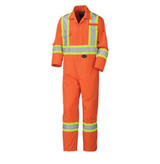
Hi-Vis Quilted Duck Safety Coverall | Pioneer
Pioneer Workwear
$198.85 - $218.63Description The Pioneer quilted cotton duck coveralls will keep you warm on the job even in the most frigid conditions. The 6 storage pockets and 2-way zipper makes this coverall as versatile as it...$198.85 - $218.63 -
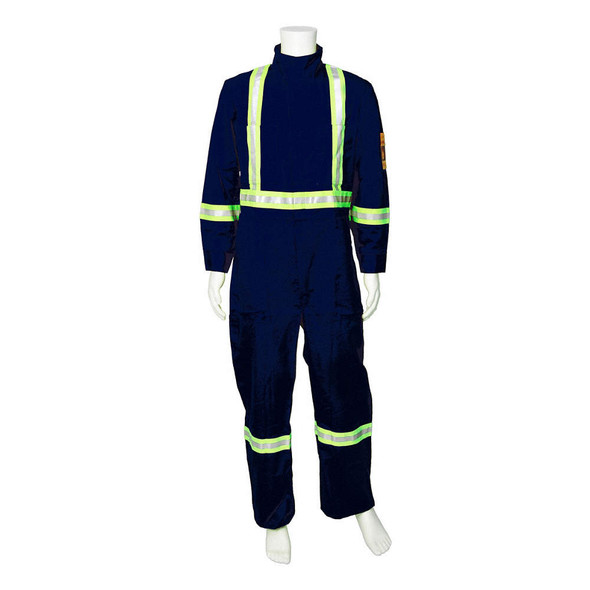

Firewall Hi-Vis Fire Resistant Westex Safety Coverall | Viking
Viking Workwear
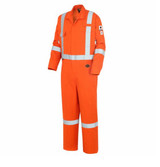
$141.57 - $149.85Description Meets safety standards: PPE Category 2, UL Certified NFPA 2112, CSA Z462, ASTM F1506, NFPA 70E, CSA Z96-22 Class 1, Level FR. High visibility orange (5400) complies with CSA Z96-22 Class...$141.57 - $149.85 -


FR Quilted Safety Coverall | Pioneer
Pioneer Workwear
$537.01Description FR/Arc rated safety coveralls designed to keep you comfortable and safe while operating in potentially hazardous working conditions. Premium cotton and high-tenacity nylon blend provide...$537.01 -

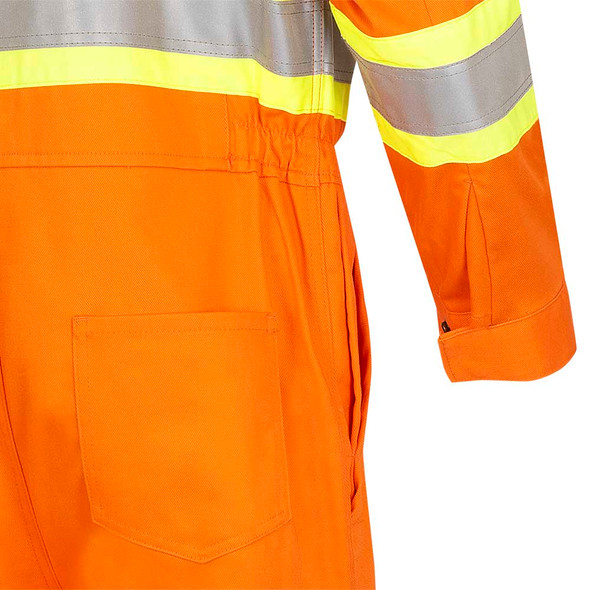
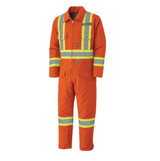
Hi-Vis Fire Resistant Cotton Safety Coverall (Reg/TALL) | Pioneer
Pioneer Workwear
$210.69 - $227.70Description These coveralls are designed with safety comfort and versatility in mind. The lightweight and flame-resistant fabric provide full coverage and is an essential garment in work areas where...$210.69 - $227.70 -
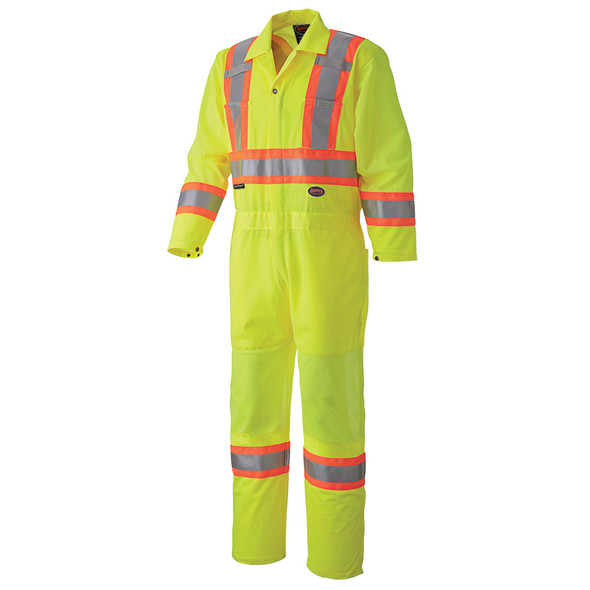

Hi-Vis Traffic Safety Coverall | Pioneer
Pioneer Workwear
$78.14Description These Hi-Vis traffic safety coveralls deliver a highly breathable garment with abrasion and tear resistance qualities and features moisture-wicking mesh ventilation panels on the upper...$78.14 -


Hi-Vis Poly Cotton Safety Coverall (Reg/Tall) | Pioneer
Pioneer Workwear
$97.14 - $106.25Description This coverall is made with an optimum blend of poly/cotton material and is tested to withstand the rigors of everyday use. This workwear has a relaxed fit for maximum comfort and features...$97.14 - $106.25