
Pioneer Safety Vests
Pioneer Safety Vests: ANSI Class Selection and Workplace Visibility Requirements
Pioneer safety vests provide high-visibility protection for workers in traffic zones, construction sites, and industrial facilities through fluorescent colors and retroreflective tape combinations. These garments meet ANSI/ISEA 107 standards that federal regulations require for workers near vehicle traffic and heavy equipment. Construction crews, roadwork teams, and emergency responders choose Pioneer safety vests for compliance with workplace safety requirements while maintaining comfort during full work shifts.
How Pioneer Safety Vests Protect Workers
Safety vests make workers visible to vehicle operators and equipment drivers through bright fluorescent materials that stand out during daylight and retroreflective tape that reflects headlight beams at night. The fluorescent background fabric provides contrast against work environments, while reflective strips create visibility when light sources hit the vest material.
Key Information About Pioneer Safety Vests
- Pioneer safety vests use fluorescent colors combined with retroreflective tape to enhance worker visibility in environments with vehicle traffic and moving equipment.
- Federal workplace safety regulations require ANSI-compliant safety vests for construction sites, roadwork zones, and industrial facilities where workers operate near vehicles.
- ANSI classifies safety vests into Class 1, Class 2, and Class 3 based on retroreflective material coverage and intended work environment risk levels.
- Pioneer safety vests feature polyester construction that withstands outdoor conditions while maintaining reflective properties during regular use and washing cycles.
- Proper vest sizing ensures adequate torso coverage without restricting arm movement or creating snag hazards around machinery and equipment.
- Regular inspection identifies damaged retroreflective tape, torn fabric, and faded fluorescent colors that compromise visibility protection and compliance status.
- Multi-pocket configurations and adjustable closures allow workers to carry communication devices and tools while meeting industry-specific safety requirements.
Work Environments That Require High-Visibility Safety Vests
Construction companies equip workers with Pioneer safety vests when job sites include vehicle traffic, heavy machinery operation, or areas where workers move between different work zones. Roadwork crews wear high-visibility vests for traffic control operations where vehicles pass through active work zones at normal traffic speeds.
Industrial and Transportation Work Settings
Airport ground crews work near moving aircraft where jet engines, propellers, and ground service vehicles create visibility hazards that require high-visibility garments. Warehouse operations with forklift traffic and pedestrian workers benefit from Class 1 safety vests that distinguish pedestrians from equipment operators in shared work areas.
Emergency Response and Utility Work
Emergency response teams need visibility during night incidents, highway accidents, and natural disaster scenes where poor lighting conditions create additional hazards. Utility companies require workers to wear safety vests during roadside maintenance, underground access work, and emergency repair situations.
Selecting the Right Pioneer Safety Vest Class for Your Workplace
Start by identifying your workplace risk level based on vehicle speeds, traffic volume, and worker proximity to moving equipment. Class 1 vests suit low-risk areas with limited vehicle traffic and speeds below 25 mph. Class 2 vests work for moderate-risk environments where vehicles travel at higher speeds or workers operate near roadways. Class 3 vests provide maximum visibility for highway work zones and high-risk traffic areas.
Evaluating Vest Construction and Materials
Examine polyester fabric quality by checking for consistent weave density and smooth retroreflective tape application without air bubbles or lifting edges. Quality construction includes reinforced stress points at closure areas and pocket attachments. Supervisor vests with enhanced features include radio loops, ID badge holders, and additional pocket configurations for management roles.
Matching Vests to Climate Conditions
Hot weather environments benefit from mesh-back vest designs that allow air circulation while maintaining front and back visibility coverage. Cold weather work requires vests sized to fit over insulated jackets without binding across the shoulders. Mesh construction works poorly in dusty conditions where particles clog the weave and reduce air flow benefits.
Understanding ANSI Safety Vest Features and Requirements
Retroreflective tape placement follows specific patterns based on vest class, with horizontal bands encircling the torso and vertical bands running over the shoulders to create 360-degree visibility. Fluorescent lime yellow provides strong contrast against most outdoor backgrounds, while fluorescent orange works better in wooded areas and against green vegetation.
Closure Systems and Longevity
Heavy-duty zippers provide reliable daily opening and closing for workers who frequently remove vests during breaks or when transitioning between tasks. Hook-and-loop closures allow quick adjustments and accommodate layers underneath, though the fastening material wears with repeated use. Snap closures offer fast removal but may separate under physical stress or when snagged.
Functional Pocket Designs
Chest-level pockets position communication radios and mobile phones within easy reach without interfering with natural arm movement. Lower pockets accommodate small tools and personal items while staying clear of fall protection harness attachment points. Dedicated pen slots prevent ink marks on vest fabric and keep writing instruments accessible.
ANSI Standards and Federal Compliance Requirements
ANSI/ISEA 107 standards define three performance classes based on retroreflective material coverage and background fluorescent area. Class 2 vests suit workers who operate within close proximity to vehicle traffic moving at moderate speeds. Class 3 vests meet requirements for highway work zones where vehicles travel at normal highway speeds. Transportation departments enforce these standards through workplace inspections and compliance checks.
Specialized Industry Requirements
Flame-resistant safety vests meet additional requirements for petrochemical facilities, electrical utilities, and welding operations where arc flash and ignition hazards require fire-resistant garment materials. These specialized vests combine high-visibility features with flame-resistant fabric treatments.
Employer Responsibilities Under OSHA
Employers must conduct workplace hazard assessments to identify situations requiring high-visibility clothing and provide appropriate Pioneer Safety Vests based on identified risks. OSHA enforcement includes workplace inspections that verify proper safety vest selection matches documented hazard assessments and current standards.
Industry-Specific Applications of Pioneer Safety Vests
- Construction Sites: Building contractors require Class 2 safety vests for workers operating near excavation equipment, concrete trucks, and material delivery vehicles that move through active construction zones with limited visibility and varying ground conditions.
- Highway Maintenance: Road crews working in travel lanes require Class 3 Pioneer Safety Vests with maximum retroreflective coverage and bright fluorescent colors that remain visible to approaching drivers at normal highway speeds and varying weather conditions.
- Warehouse Distribution: Material handling facilities with forklift operations and pedestrian workers use Class 1 safety vests with breathable designs and multiple pockets for handheld scanners, communication radios, and inventory management devices.
- Emergency Services: Fire departments and EMS crews require flame-resistant Pioneer Safety Vests with quick-release closures and accessible radio pockets for incident response situations where visibility and rapid equipment access remain priorities.
- Aviation Ground Operations: Airport service providers need ANSI Class 3 safety vests with weather-resistant construction and secure pocket closures to prevent loose items near aircraft while maintaining visibility around jet engines and ground equipment.
- Utility Companies: Electrical and gas utility workers require Pioneer Safety Vests compatible with electrical protective gloves and equipment while providing visibility protection during roadside utility access, meter reading, and emergency repair work.
Daily Wear and Practical Maintenance for Safety Vests
Pioneer safety vests require regular washing to remove dirt and grime that reduces fluorescent color brightness and retroreflective effectiveness. Wash vests with mild laundry detergent in cool or warm water and air dry to maintain material properties. Avoid bleach and fabric softener, as these chemicals damage fluorescent dyes and may affect retroreflective tape adhesion.
Addressing Common Fit and Comfort Issues
Chafing develops when vests fit too snugly or when workers wear them over clothing with rough seams or textured surfaces. Select larger sizes when wearing vests over winter gear or multiple clothing layers, but ensure the fit remains close enough to prevent excess material from catching on equipment or creating movement restrictions.
Weather Protection Strategies
Weather protection options include waterproof outer layers worn over Pioneer Safety Vests to maintain visibility while providing rain and wind protection. Waterproof covers may reduce retroreflective performance when moisture collects between layers, so position vests as the outermost garment when conditions allow.
Proper Storage Between Uses
Hang vests on wide hangers or coat hooks to prevent permanent creases that stress retroreflective tape and reduce material flexibility. Store vests away from direct sunlight, which gradually fades fluorescent colors during extended exposure. Indoor storage in lockers or equipment rooms protects vests from weather damage when not in use.
Identifying Quality Standards in Reflective Safety Clothing
ANSI/ISEA 107-2020 certification appears on sewn-in labels located inside each vest near the lower hem or side seam. Look for even retroreflective tape application with smooth edges, secure tape adhesion at stress points where fabric flexes during movement, and colorfast fluorescent materials that resist fading after regular washing.
Third-Party Testing and Performance Verification
Quality manufacturers conduct photometric testing that measures retroreflective material performance under controlled lighting conditions. Colorfastness testing evaluates how well fluorescent colors resist fading when exposed to sunlight, washing, and environmental conditions during typical work use.
Coordinating with Other Safety Equipment
Compatible safety equipment coordination ensures Pioneer Safety Vests work effectively with hard hats, hearing protection, and face shields without blocking retroreflective tape visibility or creating gaps in protective coverage.
Cost Factors and Purchasing Considerations for Hi-Vis Garments
Basic Class 1 vests cost less than higher-class options due to reduced retroreflective material requirements and simpler construction. Class 2 and Class 3 vests require more retroreflective coverage and background material, which increases manufacturing costs. Premium vests include additional features like reinforced stitching, multiple pockets, and specialized closures that add to unit prices.
Calculating Long-Term Replacement Needs
Consider replacement frequency based on daily wear conditions, washing requirements, and retroreflective material durability when comparing vest options. Factor in compliance requirements and potential penalties for inadequate high-visibility clothing when workers operate in regulated environments.
Volume Purchasing Programs
Comprehensive safety program costs include coordinating Pioneer Safety Vests with appropriate footwear, protective gloves, and other personal protective equipment. Bulk purchasing programs typically offer reduced per-unit costs for larger quantity orders that supply entire work crews or multiple job sites.
Making the Right Choice for Workplace Visibility Protection
Choose your Pioneer safety vest by matching ANSI classification to your workplace risk assessment, ensuring compliance with applicable regulations, and selecting features that support job task requirements. Class 1 vests suit controlled environments with limited vehicle traffic, Class 2 vests work for moderate-risk situations with nearby vehicles, and Class 3 vests meet requirements for highway work zones and high-speed traffic areas.
Implementation Planning
Allow time for individual sizing to ensure proper fit across different body types and accommodate workers who wear vests over varying clothing layers throughout different seasons. Provide training on proper vest wear, care requirements, and inspection procedures to maintain compliance and maximize garment service life.
Maintaining Program Effectiveness
Establish regular inspection schedules that identify worn retroreflective tape, faded fluorescent colors, and damaged closures that compromise vest performance. Complete safety clothing programs combine Pioneer Safety Vests with weather-appropriate garments and task-specific protective equipment for comprehensive worker protection.
Quick Selection Checklist for Pioneer Safety Vests
- Verify ANSI/ISEA 107 certification matches documented workplace risk assessment results
- Confirm retroreflective tape placement provides visibility from all angles during typical work activities
- Measure chest circumference and torso length for proper fit without restricting shoulder movement
- Evaluate pocket configuration to accommodate required communication devices, tools, and work materials
- Assess material construction against specific workplace conditions including weather, abrasion, and chemical exposure
- Determine total Pioneer Safety Vests program cost including initial purchase, replacement intervals, and maintenance supplies
- Schedule inspection intervals based on daily wear duration and environmental exposure factors
- Establish clear replacement procedures when retroreflective performance or fluorescent color degradation becomes apparent
- Product
- Qty in Cart
- Quantity
- Price
- Subtotal
-
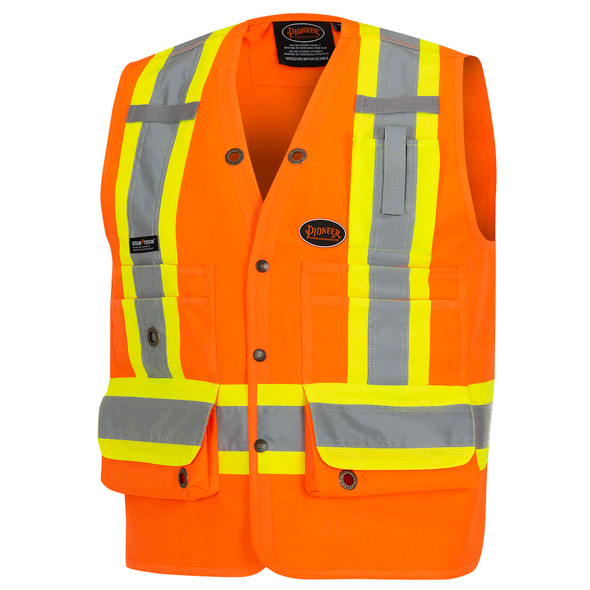

Hi-Vis Surveyor Safety Vest | 150D | Pioneer
Pioneer Workwear
$47.52Description This Hi-Vis engineer style safety vest will keep you cool and comfortable and includes all the pockets necessary to carry essential surveying tools. Designed with a breathable 150 denier woven twill fabric and underarm mesh vents for maximum...$47.52 -
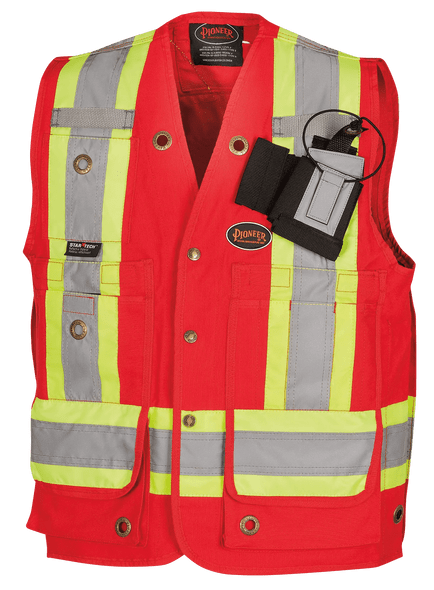

Hi-Vis Premium Surveyor Safety Vest | Pioneer
Pioneer Workwear
$124.24Description This surveyor vest is made with cotton duck material that is resistant to tearing and keeps you warm dry and comfortable even in the harshest weather conditions. It is an ideal choice for professional field engineers and construction...$124.24