

Eyewash Stations
Understanding the Basics: What Are Emergency Eyewash Stations?
Emergency eyewash stations are specialized safety devices that provide immediate eye irrigation when workers encounter chemical splashes, dust, or hazardous particles. These stations deliver a steady flow of clean water or saline solution directly to contaminated eyes, helping flush away harmful substances within seconds of exposure. All Safety provides comprehensive emergency eyewash solutions designed to meet ANSI Z358.1 safety standards for industrial and commercial environments. Modern eyewash stations include plumbed units connected to building water systems, portable gravity-fed stations for remote locations, and combination units that integrate both emergency eye cleaning solutions and emergency showers.
How Emergency Eyewash Stations Work in Practice
Emergency eyewash stations work by delivering a controlled spray pattern that effectively irrigates both eyes simultaneously without causing additional injury. The activation process typically involves pushing a large paddle or handle that immediately starts water flow, allowing injured workers to use the station hands-free while keeping their eyes open during flushing. Most stations provide between 0.4 to 3.0 gallons per minute of flow for at least 15 minutes, which represents the minimum time needed for effective decontamination. The water temperature stays between 60-100°F to prevent thermal shock, while spray heads create gentle streams that wash contaminants away from the eye surface toward the outer corners.
Key Benefits of Installing Emergency Eyewash Stations
The primary benefits of emergency eyewash stations include rapid response capability that can prevent permanent eye damage from chemical exposure. These stations significantly reduce injury severity by providing immediate irrigation, often making the difference between minor irritation and serious vision loss. Workplace productivity improves when employees feel confident about safety measures, while compliance with OSHA regulations helps avoid costly fines and liability issues. All Safety eyewash stations also demonstrate organizational commitment to worker welfare, which enhances employee retention and satisfaction. Additional benefits include reduced workers' compensation claims, faster recovery times from eye injuries, and improved overall safety culture within facilities.
Limitations and Considerations for Eyewash Equipment
Emergency eyewash stations have several limitations that users should understand. These devices cannot neutralize all types of chemical exposures, particularly with substances that react with water or require specialized treatments. Maintenance requirements include weekly testing and periodic inspections, which can be time-consuming for larger facilities. Cold climates may cause freezing issues with outdoor units, while areas without reliable water pressure may experience inadequate flow rates. Portable units require regular refilling and solution replacement, adding ongoing operational costs. Some chemicals may require immediate medical attention beyond what eyewash stations can provide, making them a first-aid measure rather than complete treatment.
Who Should Use Emergency Eyewash Stations
Emergency eyewash stations are essential for workers in chemical manufacturing, laboratories, healthcare facilities, and construction sites where eye exposure risks exist. Laboratory technicians handling acids, bases, or biological materials rely on these stations for immediate response to splashes. Manufacturing employees working with cleaning chemicals, solvents, or particulate materials need accessible eyewash facilities within their work areas. Healthcare professionals exposed to blood, body fluids, or disinfectants benefit from strategically placed eyewash stations. Construction workers facing cement dust, wood particles, and various building materials should have portable eyewash access. Maintenance staff using cleaning chemicals and automotive workers near battery areas also require eyewash protection.
When to Install Emergency Eyewash Stations
Organizations should install emergency eyewash stations whenever workers handle materials that could cause eye injury through direct contact or airborne exposure. Installation becomes mandatory when OSHA regulations apply to specific workplace hazards, typically including any facility using corrosive chemicals, caustic substances, or materials that generate harmful particles. New facilities should integrate eyewash stations during initial construction planning, while existing workplaces need retrofitting when introducing new chemical processes or expanding operations. Seasonal considerations include winterizing outdoor stations and ensuring year-round accessibility. All Safety recommends installing stations before beginning any work involving potential eye hazards rather than waiting for incidents to occur.
Cost Considerations for Emergency Eyewash Systems
Emergency eyewash station costs vary significantly based on type, features, and installation requirements. Basic portable gravity-fed units typically range from $200 to $800, while wall-mounted plumbed stations cost between $500 to $2,000 depending on features like temperature mixing valves and activation mechanisms. Combination eyewash and shower units range from $1,500 to $5,000 for standard models, with specialized freeze-protected or stainless steel versions costing more. Installation expenses include plumbing modifications, electrical work for heated units, and compliance inspections. Ongoing costs involve weekly testing, annual maintenance, replacement parts, and periodic recertification, typically adding $100 to $500 annually per station.
Maintenance Requirements for Eyewash Equipment
Proper maintenance ensures emergency eyewash stations function correctly when needed most. Weekly activation requirements include running each station for several minutes to flush stagnant water and verify proper operation. Monthly inspections check spray patterns, water temperature, activation mechanisms, and general cleanliness. Annual professional servicing involves thorough cleaning, parts replacement, flow rate verification, and documentation of compliance with current standards. Professional inspection and testing services help ensure stations meet regulatory requirements. Common maintenance tasks include replacing spray heads, cleaning debris from supply lines, lubricating activation mechanisms, and updating signage as needed.
Alternatives to Traditional Emergency Eyewash Stations
Several alternatives complement or substitute for traditional eyewash stations depending on workplace needs. Personal eyewash bottles provide immediate portable protection for mobile workers or as backup to permanent stations. Pressurized eyewash units offer consistent flow without plumbing connections, suitable for areas with unreliable water supplies. Combination units integrate eyewash capabilities with emergency showers, maximizing space efficiency. Specialized eye wash solutions designed for specific chemicals provide more effective neutralization than plain water. Some facilities use multiple approaches, combining permanent plumbed stations with portable units for comprehensive coverage.
Common Mistakes with Emergency Eyewash Stations
Organizations frequently make several critical mistakes when implementing eyewash safety programs. Poor placement represents the most common error, with stations located too far from hazard areas or blocked by equipment and supplies. Inadequate maintenance leads to clogged spray heads, improper water temperature, or contaminated supply lines that render stations ineffective during emergencies. Training deficiencies mean workers don't understand proper activation procedures or appropriate response protocols. Documentation failures include skipped inspections, incomplete maintenance records, and outdated compliance certifications. All Safety helps facilities avoid these mistakes through proper planning, regular training, and comprehensive maintenance programs.
Industry-Specific Applications and Requirements
Chemical Manufacturing Plants require multiple eyewash stations positioned near mixing areas, storage zones, and transfer points. These facilities need plumbed units with tepid water systems and emergency alarm integration. Corrosion-resistant materials handle aggressive chemicals, while high-visibility signage guides workers during stress situations.
Research Laboratories benefit from combination eyewash and shower units near fume hoods and chemical storage areas. Quick-drench capabilities handle large-area exposures, while precise temperature control prevents shock during emergency use. Easy activation accommodates researchers wearing protective equipment.
Construction Sites utilize portable gravity-fed stations that move with changing work zones. These units provide ANSI-compliant protection without permanent installation requirements. Freeze-protected models handle seasonal weather variations, while theft-resistant designs secure equipment at remote locations.
Healthcare Facilities install antimicrobial eyewash stations near patient care areas and laboratory spaces. These units resist bacterial growth while providing reliable protection from biological exposures. Hands-free activation prevents cross-contamination during emergency use.
Food Processing Plants use stainless steel eyewash stations that maintain sanitary conditions. These units resist corrosion from cleaning chemicals while meeting food safety requirements. Easy-clean designs facilitate routine sanitization procedures.
Battery Manufacturing Operations need specialized eyewash stations resistant to acid exposure. These facilities require immediate response capability near charging areas and electrolyte handling zones. Chemical-resistant components ensure reliable operation in harsh environments.
Essential Features and Selection Criteria
Modern emergency eyewash stations incorporate critical features that enhance safety effectiveness and operational reliability. Dust covers protect spray heads from contamination between uses, while hands-free activation allows operation during emergency situations. Flow controls maintain proper pressure and spray patterns that irrigate without causing additional injury. Temperature mixing valves ensure safe water delivery between 60-100°F, preventing thermal shock that could compound eye injuries. All Safety eyewash stations include highly visible activation mechanisms and clear usage instructions for quick response during high-stress situations.
Professional Installation and Compliance Standards
Professional installation ensures emergency eyewash stations meet regulatory requirements and function properly during emergencies. ANSI Z358.1 standards specify installation height, spray pattern requirements, and accessibility guidelines that trained installers understand thoroughly. Proper plumbing connections prevent contamination while maintaining adequate flow rates and pressure. Electrical connections for heated units require certified installation to prevent safety hazards. Documentation includes compliance certificates, installation records, and maintenance schedules that satisfy regulatory inspections.
Quality Standards and Certification Requirements
Understanding quality indicators helps organizations select reliable emergency eyewash equipment that meets safety standards. ANSI Z358.1 certification ensures units deliver proper flow rates, spray patterns, and activation mechanisms. Construction materials must resist corrosion and withstand repeated use without degradation. Flow rates between 0.4 and 3.0 gallons per minute provide effective irrigation without excessive pressure. Temperature control systems maintain safe water delivery while spray patterns cover both eyes simultaneously. Third-party testing verification confirms performance standards and regulatory compliance.
Quick Selection Checklist for Emergency Eyewash Stations
- Verify ANSI Z358.1 compliance and current certification status for regulatory approval
- Measure exact distance from hazard areas to ensure 10-second accessibility requirements
- Evaluate water supply capacity and pressure for adequate flow rate performance
- Check temperature control capabilities to prevent thermal shock during emergency use
- Calculate total ownership costs including installation, maintenance, and replacement parts
- Assess facility requirements for plumbed versus portable station configurations
- Schedule professional installation and initial compliance inspection services
- Establish weekly testing protocols and annual maintenance service agreements
- Product
- Qty in Cart
- Quantity
- Price
- Subtotal
-

Eye Wash Station & metal box FAK13MBS plus 2 bottles of Iso solution FAEW032SU |
Dynamic Safety
$170.06Eye Wash complete station metal box FAK13MBS plus 2 bottles of Iso solution FAEW032SU$170.06 -

Gravity-Fed Eyewash Station | Dynamic
Dynamic Safety
$566.8916 gallon self-contained gravity-flow portable eyewash station. Includes a 8oz bacte- riostatic additive (FAEWC08) which protects against growth of bacteria, fungus and algae.$566.89Qty in Cart: 0Quantity:Price:$566.89Subtotal: -

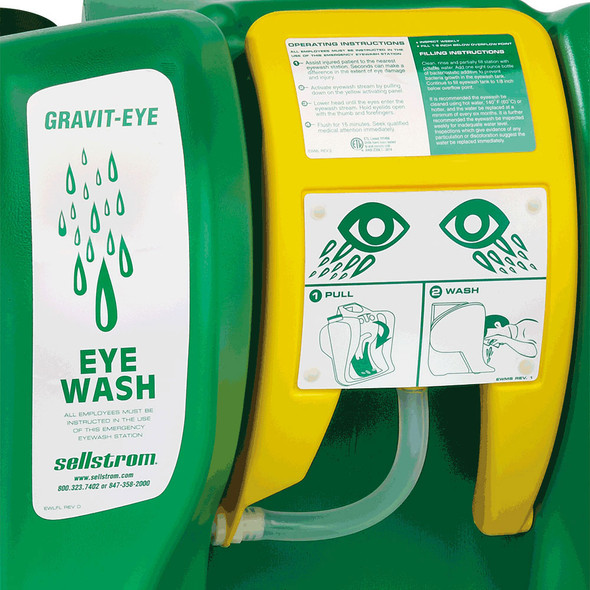
Sellstrom 16-Gallon Gravit-Eye Portable Eyewash Station - S90320
Sellstrom
$581.33Description Portable Station: Conveniently designed to be placed anywhere on your worksite near possible hazards when plumbing isn’t available & access to water is limited; Includes 8oz bacteriostatic additive protecting against growth of...$581.33 -

Wall Mounted Eye/Face Wash System
$785.93Application: Eye/face wash for wall mounting. Two large FS-Plus™ spray-type outlet heads deliver a flood of water for rinsing eyes and face. Unit is provided without bowl or drain for waste water. Note: Floor drain should be provided underneath...$785.93 -

Wall Mounted AutoFlow Eye/Face Wash
$1,129.89Application: AutoFlow™ eye/face wash for mounting on wall. Spray heads swing down from storage to operational position, activating water flow. Available in a variety of spray head configurations to minimize obstructions at a sink. Note: If unit is...$1,129.89 -

Pedestal Mounted Eye/Face
$2,552.77Application: Free standing, pedestal mounted WideArea™ eye/face wash. Constructed entirely in stainless steel. Ideal for use in highly corrosive environments and clean room applications. Four GS-Plus™ spray-type outlet heads deliver a flood...$2,552.77