
GLOVES | HAND PROTECTION
What Are Work Gloves and Hand Protection?
Work gloves and hand protection products are PPE designed to shield workers' hands from lacerations, chemical exposure, thermal burns, punctures, and impact injuries across industrial and commercial environments. Site safety managers, procurement officers, and safety coordinators select gloves based on the specific hazard profile of each task — not a single glove type covers every worksite application.
Key Facts About Work Gloves and Hand Protection
- Work gloves are rated under ANSI/ISEA 105-2024 for cut resistance on a scale of A1 (lightest) to A9 (highest), with EN 388 ratings also appearing on many product labels sold in North America.
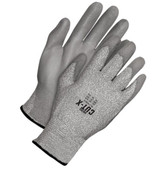
- Cut-resistant gloves rated A4 through A6 cover most general industrial handling tasks, while A7 through A9 ratings are designed for metal fabrication and glass handling.
- Palm coating type — nitrile, polyurethane, latex, or PVC — determines grip performance and resistance to chemical splash, not just cut resistance level.
- Leather gloves provide durable abrasion resistance and heat protection for welding, general construction, and heavy material handling where chemical contact is not a primary hazard.
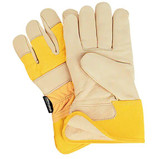
- Insulated gloves combine a cut or abrasion-resistant shell with thermal liners rated for specific temperature ranges, protecting workers in cold-climate outdoor and refrigerated environments.
- Disposable gloves protect against chemical and biological contamination in light-duty tasks but provide no meaningful cut or impact protection — task-matching is essential before issuing them.
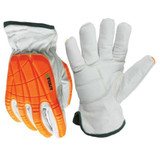
- Impact gloves incorporate TPR (thermoplastic rubber) padding over the back of the hand and knuckles, reducing crush and pinch injuries in heavy equipment operation and oil and gas applications.
All Safety carries hand protection products spanning every major glove category, from basic cotton knit liners to specialty chemical-immersion and arc-rated gloves, for buyers sourcing across Canada and the United States. Selecting the right glove starts with a hazard assessment — matching ANSI ratings and materials to the actual risks workers face on the job.
How ANSI Cut Ratings Help You Choose the Right Glove
ANSI/ISEA 105-2024 defines nine cut resistance levels — A1 through A9 — based on the force required to cut through the glove shell material during standardized testing. A higher letter indicates greater cut resistance, but also typically increases glove weight, reduces dexterity, and raises cost. Buyers should match the cut level to the documented hazard, not default to the highest rating available.
Cut Level Selection by Application
Cut levels A1 through A3 suit light assembly, packaging, and general parts handling where laceration risk is low. Levels A4 through A6 cover the majority of industrial applications including sheet metal handling, stamping operations, and construction tasks involving sharp materials. Levels A7 through A9 apply to glass handling, heavy metal fabrication, and blade-adjacent work where cut forces are consistently high.
ANSI/ISEA 105 Cut Level Comparison
| Cut Level | Typical Applications | Common Shell Materials | Dexterity Impact |
|---|---|---|---|
| A1 – A3 | Light assembly, packaging, parts handling | Polyester knit, nylon, cotton blend | Minimal — high finger mobility |
| A4 – A6 | Sheet metal, stamping, construction handling | HPPE, Dyneema, fiberglass blend | Moderate — slight bulk increase |
| A7 – A9 | Glass handling, heavy metal fabrication | Steel core, wire-reinforced, HPPE blend | Reduced — heavier construction |
EN 388 cut ratings appear on many gloves sold in North America alongside the ANSI designation. The EN 388 system uses a separate scale, so buyers comparing products across brands should confirm which rating system applies before assuming equivalency. cut-resistant gloves rated for industrial laceration hazards are available across all ANSI levels in the All Safety catalog.
Puncture and Abrasion Ratings
ANSI/ISEA 105-2024 also rates gloves for puncture resistance on a scale of 1–5 and abrasion resistance on a scale of 1–6. Puncture ratings matter for roofing, demolition, and work near rebar or wire. Abrasion ratings matter for extended material handling tasks where palm wear degrades glove integrity before cut protection is compromised.
Glove Materials and Coating Types: What the Difference Means
Glove shell material and palm coating determine which hazards a glove resists, how long it lasts under daily use, and whether the glove suits the grip conditions of the task. Three shell categories cover most industrial buying decisions: leather, cotton canvas, and synthetic knit — each with distinct performance profiles.
Leather vs. Synthetic Knit vs. Coated Gloves
Leather gloves provide high abrasion resistance and thermal tolerance, making leather the standard choice for welding, ironwork, and heavy material handling. Leather does not suit chemical-splash environments because most leathers absorb liquids rather than repelling them. leather work gloves for welding and heavy construction remain the most purchased hand protection category in oil and gas and construction trades.
Synthetic knit gloves — typically polyester, nylon, or HPPE shells — accept palm coatings that leather cannot. Nitrile-coated knit gloves resist oils, greases, and mild chemical splash while maintaining grip on slippery surfaces. Polyurethane-coated knit gloves prioritize tactile sensitivity and dexterity for precision assembly. PVC-coated gloves deliver the highest liquid resistance of common coating types, suited to chemical handling and wet outdoor work.
Impact Gloves and Specialty Constructions
Impact gloves add TPR padding over the dorsal surface to absorb crush forces from heavy equipment, pipe handling, and drilling operations common in oil and gas environments. impact gloves with TPR knuckle and back-of-hand protection pair impact resistance with cut-rated shells in most current product designs, addressing multiple simultaneous hazards. Specialty gloves — including cryogenic, arc-rated, and chemical-immersion designs — solve specific hazard profiles that general-purpose gloves cannot address safely.
How to Select the Right Hand Protection for Your Worksite
Selecting work gloves for a worksite requires matching glove performance ratings to a documented hazard assessment — not issuing a single glove type site-wide. The buying process below applies to safety managers, procurement officers, and operations directors sourcing gloves for construction, manufacturing, or oil and gas environments.
Glove Selection Process for Safety Managers and Procurement Officers
- Conduct a hand hazard assessment by task type: lacerations, chemical exposure, thermal, impact, vibration, or cold.
- Match ANSI/ISEA 105-2024 cut level to the documented laceration risk — A4–A6 for most industrial tasks, A7–A9 for glass and heavy fabrication.
- Select palm coating type (nitrile, PU, PVC, latex) based on grip surface conditions and chemical exposure requirements.
- Verify fit range covers your workforce — undersized gloves increase fatigue and reduce dexterity; oversized gloves create catch-point hazards.
- Confirm shell durability rating matches task frequency — high-cycle repetitive tasks require abrasion-rated shells (ANSI level 3–6) to avoid premature failure.
- Identify specialty hazard requirements: thermal work needs heat-rated gloves, chemical immersion needs barrier-tested chemical gloves, arc flash needs cal/cm²-rated arc gloves.
- Set a glove replacement trigger: inspect gloves weekly and replace on visible coating breakdown, shell penetration, or loss of finger grip texture.
liquid-resistant gloves rated for chemical splash and wet conditions serve as the baseline hand protection in many utility and oil and gas environments where multiple hazard types occur simultaneously. When a single glove type cannot cover all hazard exposures in a task, layering a liner under a protective outer glove is a common and effective solution.
Where Work Gloves Are Used Across Industrial Sectors
Work gloves address fundamentally different hazard profiles depending on the industry — the same glove that protects a manufacturing line worker provides inadequate protection for an oil and gas field operator. Safety managers sourcing for multiple departments or sites need to match glove specifications to the actual hazard mix in each work environment.
Industry-Specific Hand Protection Applications
- Construction: Workers handle rebar, rough lumber, concrete forms, and sharp fasteners daily; A4–A6 cut-resistant gloves with leather palm reinforcement reduce laceration and abrasion injuries on framing and finishing tasks.
- Oil and Gas: Field operators face simultaneous cut, impact, and hydrocarbon exposure hazards; nitrile-coated cut-resistant gloves with TPR impact protection address the combined risk profile of pipe handling and equipment operation.
- Manufacturing: Stamping and sheet metal workers require A6–A9 cut-rated gloves with polyurethane or nitrile coatings to maintain grip precision while protecting against high-frequency laceration exposure.
- Utilities and Electrical: Electrical workers handling energized components require arc-rated gloves meeting CSA Z462 ARC ratings, worn over voltage-rated rubber insulating gloves — cut resistance alone does not address electrical hazards.
- Warehousing and Logistics: Order pickers and dock workers handling mixed freight benefit from A3–A4 cut gloves with PU palm coatings that maintain tactile feedback for barcode scanning and carton manipulation.
- Food Processing: Workers on cut lines and packaging equipment require FDA-compliant cut-resistant gloves rated A6–A9 in stainless steel or HPPE constructions that resist moisture and are cleanable between shifts.
- Cold Climate and Outdoor Work: Insulated gloves combining cut-rated shells with Thinsulate or fleece liners protect workers in winter construction, pipeline maintenance, and outdoor utilities from both thermal injury and laceration hazards.
fall protection equipment for construction and industrial worksites often pairs with hand protection requirements on the same site — coordinated sourcing through a single supplier simplifies procurement and ensures consistent compliance documentation across PPE categories.
Glove Inspection, Replacement, and Care by Hazard Type
Work gloves degrade through use at different rates depending on shell material, coating type, and task intensity — and a glove that passes a visual inspection may have lost critical cut or chemical resistance without visible damage. Safety coordinators need a structured inspection and replacement process tied to observable failure indicators, not arbitrary replacement schedules.
How Long Work Gloves Last Under Daily Use
Coated knit gloves used in high-cycle repetitive tasks typically show palm coating delamination within four to eight weeks of daily use. Leather gloves last considerably longer on light construction tasks but deteriorate rapidly when exposed to oils, solvents, or repeated wet conditions. Cut-resistant gloves do not have a standard wear indicator — the ANSI cut rating applies to new gloves, and worn shells may fall below the rated level without visible penetration.
When to Replace Work Gloves
Replace coated gloves when palm coating shows cracking, peeling, or loss of surface texture — grip performance and chemical barrier integrity both fail at that point. Replace leather gloves when seams separate, the palm thins visibly, or the leather stiffens from contamination in a way that restricts hand movement. flame-resistant clothing paired with heat-rated gloves requires coordinated replacement cycles because FR garment and glove degradation rates differ by material and exposure frequency.
Quick Selection Checklist: Work Gloves and Hand Protection
- Verify ANSI/ISEA 105-2024 cut level matches the documented laceration hazard for each task type.
- Check that chemical-resistant gloves carry barrier test data for the specific chemical families present on site.
- Assess fit range across your workforce — confirm gloves are available in sizes that cover all workers without undersizing.
- Confirm palm coating type suits the grip surface: nitrile for oily conditions, PU for dry precision tasks, PVC for wet or chemical environments.
- Review glove replacement frequency against task cycle volume — high-repetition tasks consume gloves faster than low-cycle applications.
- Confirm specialty hazard gloves (arc, cryogenic, chemical immersion) are task-assigned, not issued as general-use PPE.
- Assess whether insulated gloves are required for cold-climate outdoor tasks below -10°C where dexterity and thermal protection must both be maintained.
- Verify disposal and replacement protocols for disposable gloves used in chemical or biological handling tasks — single-use products must not be reused between tasks.
Work gloves and hand protection represent one of the highest-volume PPE categories on industrial worksites — selecting the wrong glove type creates compliance gaps and increases injury frequency, while over-specifying cut levels reduces dexterity and worker adoption. The selection process works best when safety managers match ANSI/ISEA 105-2024 cut and puncture ratings, palm coating chemistry, and shell durability to each task's documented hazard profile. insulated gloves for cold-climate outdoor and refrigerated environments and disposable gloves for chemical and biological handling tasks round out a complete hand protection program for multi-hazard sites. Information current as of April 28, 2026.
-
 Cut-Resistant Gloves
-
 Disposable Gloves
-
 Impact Gloves
-
 Insulated Gloves
-
 Knit Gloves | Liners
-
 Leather Gloves
-
 Liquid-Resistant Gloves
-
 Specialty Gloves
-
 Synthetic Gloves | Coated Gloves
- Product
- Qty in Cart
- Quantity
- Price
- Subtotal
-
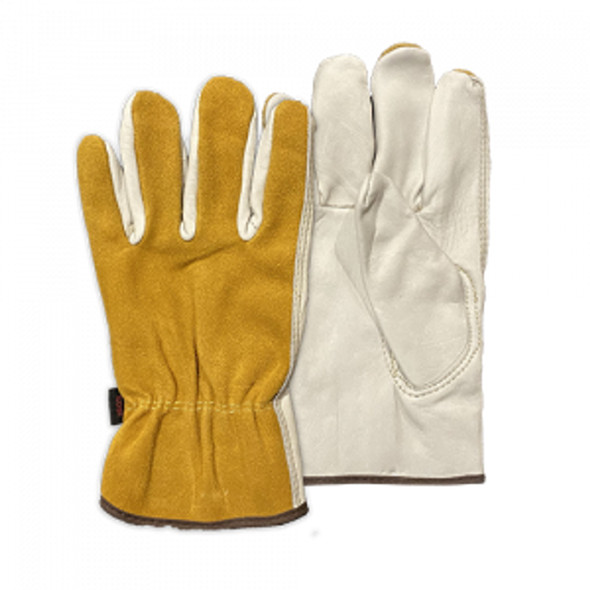
Superior Grade Cow Grain/ Split Drivers Glove (Pack of 12) | Diamond
Diamond
$167.76Superior Grade Cow Hide Leather Full Grain Leather Palm Split Leather Shirrd Elastic Back Good Combination of Abrasion, Dexterity & Comfort Drivers/Ropers Style Keystone Thumb Pattern Fully Unlined...$167.76 -

IMPACTO Heat Protection 100% Kevlar Glove - Full Finger Style
Impacto Protective Products
$165.60IMPACTO Heat Protection 100% Kevlar Glove - Full Finger Style | ImpactoImpactoTM soft and comfortable HR700 Glove and the durable HR800 Mitt provide superior protection from high heat (up to 800o...$165.60 -
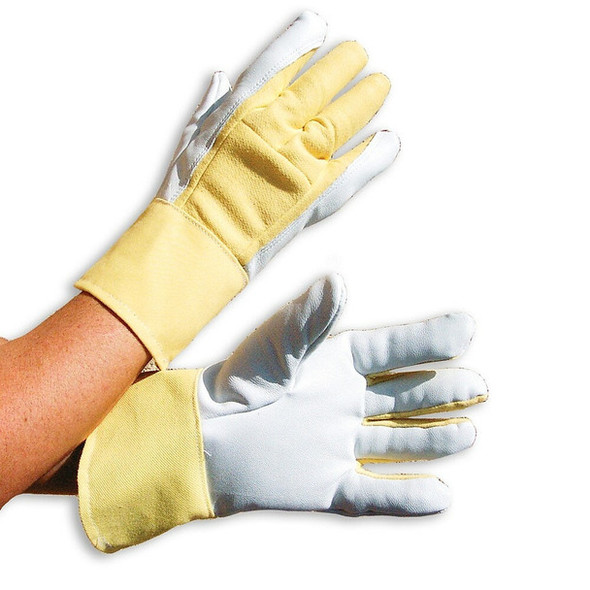
IMPACTO Anti-Slash 100% Kevlar Air Glove with Soft Pearl Leather Cover - Full Finger Style
Impacto Protective Products
$165.60IMPACTO Anti-Slash 100% Kevlar Air Glove Glove with Soft Pearl Leather Cover - Full Finger Style | ImpactoMade of knit 100% KEVLAR, with soft pearl leather cover on the palm, thumb and index finger...$165.60 -

IMPACTO Anti-Vibration Air Glove with Leather Wrist Support - Full Finger Style
Impacto Protective Products
$165.60IMPACTO Anti-Vibration Air Glove with Leather Wrist Support - Full Finger Style | ImpactoUtilizing Patented Air Glove Technology Protects the palm, fingers and thumb from Impact and VibrationWrist...$165.60 -

IMPACTO Anti-Vibration Air Glove with Soft Pearl Leather Palm and Leather Wrist Support - Half Finger
Impacto Protective Products
$165.60IMPACTO Anti-Vibration Air Glove with Soft Pearl Leather Palm and Leather Wrist Support - Half Finger | ImpactoUtilizing Patented Air Glove Technology Protects the palm, fingers and thumb from Impact...$165.60 -


Insulated Fitter's Cowgrain Gloves - 1-PC Palm - Out. Elastic - Thinsulate | Pack of 12 | Poineer
Pioneer Workwear
$182.30Technical Specifications Application: Construction, Fitter Color: Yellow Back(632A),Beige, Yellow Back(632B) Cuff Style: Rubberized Duty Level: Standard Leather Type: Cowgrain Lining:...$182.30 -

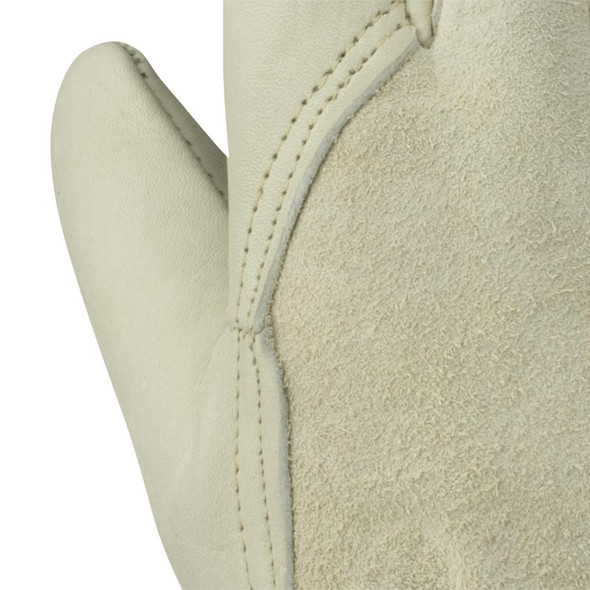
Ins. Fitter's Cowgrain Gloves - 1-Piece Palm - Out. Elastic - Foam Lined - L | Pack of 12 | Pioneer
Pioneer Workwear
$178.20Description One-piece palm Fully fleece lined Knit cuff By dozen or 10 dz/pkg Technical Specifications Application: Driver, Roper, Winter Color: Beige Cuff Style: Driver's-style Duty Level:...$178.20 -

Cowgrain Glove - 1-Pc Palm - Yellow Back - Thinsulate Lined (12Pk) | Pioneer
Pioneer Workwear
$182.30Technical Specifications Application: Construction, Fitter, Oil/Gas Color: Yellow Back Cuff Style: Rubberized Duty Level: Standard Leather Type: Cowgrain Lining: Thinsulate® Material: Leather,...$182.30 -


Cowgrain Glove - Fully Fleece Lined - Knit Cuff (12PK) | Pioneer
Pioneer Workwear
$166.10Technical Specifications Application: Construction, Driver, Fitter Color: Green Stripe Back Cuff Style: Knit Duty Level: Standard Leather Type: Cowgrain Lining: Fully fleece lined Material: Leather,...$166.10 -

Welder's Cowgrain Leather Safety Glove | 12 Pkg | Pioneer
Pioneer Workwear
$164.59Description Grey cowsplit patch palm Inside elastic pasted cuff By dozen or 10 dz/pkg Technical Specifications Application: Welder Color: Beige/Grey Cuff Style: Gauntlet Style Duty Level:...$164.59 -

Mechanic's Glove - Gold Goatgrain Palm - 12 Units - Thinsulate Lined | Pioneer
Pioneer Workwear
$314.28Description Gold goatgrain one-piece palm Hang carded with UPC 1 dz/pkg Technical Specifications Application: Construction, Driver, Mechanic, Winter Color: Black Spandex Back , Gold Cuff Style:...$314.28 -

Mechanic's Glove - Gold Goatgrain Palm - Black Spandex Back - 12 Pack | Pioneer
Pioneer Workwear
$264.60Description Gold goatgrain one-piece palm Hang carded with UPC 1 dz/pkg Technical Specifications Application: Driver, Mechanic Color: Black Spandex Back , Gold Cuff Style: Driver's-style Duty...$264.60