

Ear Plugs
What Are Ear Plugs?
Ear plugs are small inserts that fit inside the ear canal to block harmful noise before it reaches the eardrum. They are also called earplugs, and they work by physically sealing the canal so sound waves cannot pass through at full volume. Workers insert them before entering noisy areas like shops, plants, or job sites.
All Safety supplies ear plugs to industrial and commercial buyers across Canada.
Key Takeaways
- Block harmful noise by sealing the ear canal against high-decibel job site sound
- Come in disposable foam, reusable silicone, corded, and banded styles for different needs
- Carry an NRR rating that indicates how much noise reduction the product provides
- Pair with earmuffs for dual protection in extreme noise environments
- Suit short tasks or full shifts depending on material and fit
- Require correct insertion depth to form a complete seal and work as intended
Corded vs Disposable Ear Plugs: Choosing the Right Type
Corded ear plugs attach to a cord worn around the neck, so workers can remove them between tasks without losing them. Disposable ear plugs are single-use foam inserts meant to be thrown away after one shift. Banded ear plugs sit on a flexible headband, letting workers pop them in and out quickly without touching the foam tips.
Ear Plug Types Compared
| Type | Material | Reusable | Typical Use |
|---|---|---|---|
| Disposable foam | Polyurethane foam | No | Daily job site wear, single shift |
| Corded disposable | Polyurethane foam with cord | No | In-and-out tasks, equipment operators |
| Banded | Foam pods on plastic band | Often | Frequent on/off use, food processing |
| Reusable silicone | Silicone | Yes | Long-term daily use, moisture exposure |
Disposable foam suits workers who need a fresh pair each shift, while corded and banded styles favour those who remove plugs often during the day.
How Noise Reduction Rating Affects Hearing Protection
Noise Reduction Rating, or NRR, measures how much a hearing protection plug reduces sound exposure under laboratory conditions. CSA Z94.2 governs hearing protection in Canada, with products classified under Class AL, BL, or CL. Hard hat-mounted earmuffs reference the same NRR scale and can supplement ear plugs when combined.
A higher NRR generally means more protection, but fit matters as much as the rating printed on the package.
Industries That Rely on Hearing Protection Plugs
Different industries need ear plugs for different reasons, and the right type depends on the noise source and how often a worker removes them.
- Construction: power tools and heavy equipment generate sustained noise, so construction ear plugs with a strong seal are standard daily gear
- Manufacturing: continuous machine noise on the floor calls for consistent daily-wear disposable or reusable plugs
- Oil and gas: compressors and pumps run for long shifts, making corded plugs practical for workers who step in and out of loud zones
- Food processing: metal-detectable ear plugs help facilities track lost inserts and prevent contamination
- Welding: plugs worn under a welding helmet need a low profile that does not break the helmet seal
- Outdoor and recreational use: some workers also use ear plugs for sleeping or travel when off the clock
How to Select and Buy the Right Ear Plugs
Choosing ear plugs starts with measuring the noise level of the work environment and matching it to an appropriate NRR class.
- Identify the noise source and how long exposure lasts each shift
- Check the required NRR or CSA class for that environment
- Decide between disposable, corded, banded, or reusable silicone
- Confirm compatibility with other PPE like hard hats and safety glasses
- Order single boxes for trial fit or bulk cases for full crews
- Set a replacement schedule for disposable styles
Quick Selection Checklist
- Check the noise level of the work area before selecting an NRR class
- Verify the plug seals fully without causing ear canal pain
- Assess whether disposable or reusable better fits daily routine
- Confirm compatibility with respirators or other head-worn PPE
- Review bulk pricing for crews needing multiple pairs
- Confirm return eligibility under the shipping and returns policy before bulk ordering
- Check for metal-detectable options if working in food processing
- Review replacement frequency to budget for ongoing disposable use
Ear Plug Terminology
- Earplugs
- Alternate spelling of ear plugs, referring to the same insertable hearing protection device.
- NRR
- Noise Reduction Rating, a lab-tested measure of how much sound a plug blocks.
- Corded
- A style connected by a cord so the plugs can hang around the neck between uses.
- Banded
- A style with foam pods mounted on a flexible plastic headband.
- Disposable foam
- Single-use polyurethane foam plugs discarded after one shift.
- Reusable silicone
- Moldable silicone plugs cleaned and worn repeatedly over time.
Common Ear Plug Questions
How do I insert foam ear plugs correctly?
Roll the foam tip into a thin cylinder, pull the top of the ear up and back to straighten the canal, then insert and hold until the foam expands to fill the space and form a seal.
Can ear plugs be used for sleeping?
Yes, soft foam or silicone ear plugs are commonly used for sleeping to reduce ambient noise, though workplace-rated plugs are designed primarily for industrial noise exposure rather than comfort over a full night.
Do metal-detectable ear plugs exist for food processing facilities?
Yes, some disposable and corded ear plugs include a metal strip so detection equipment can flag a lost insert before it contaminates food products on the line.
Should I combine ear plugs with earmuffs?
Workers in very high noise environments often wear both together for added reduction, pairing ear plugs with earmuffs rather than relying on either alone.
Selecting ear plugs comes down to matching NRR class to the noise level of the job, then picking a style, disposable, corded, banded, or reusable silicone, that fits how often a worker removes them during a shift. CSA Z94.2 sets the Canadian framework for hearing protection classification, with NRR figures carried over from US testing on individual products. Workers in food processing should look for metal-detectable options, while those under helmets or respirators need a low-profile fit that does not break other seals. Combining ear plugs with earmuffs adds protection in the loudest environments. Buying in bulk through All Safety helps crews standardize hearing protection across a site without reordering individually for each worker.
- Product
- Qty in Cart
- Quantity
- Price
- Subtotal
-


Disposable Ear Plugs Bullet Shape | Mini Pkg | Sellstrom
Sellstrom
$4.41Description Sellstrom® H10 Disposable Earplugs are designed to match the contours of your inner ear to ensure maximum noise reduction and hearing protection. Used to provide a quiet environment and...$4.41 -
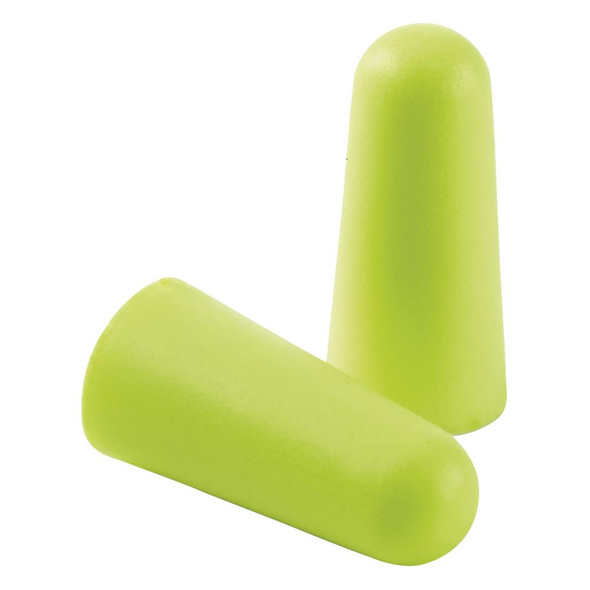

Disposable Ear Plugs Bullet Shape | 500 Pkg | Sellstrom
Sellstrom
$165.02Description Sellstrom® H10 Disposable Earplugs are designed to match the contours of your inner ear to ensure maximum noise reduction and hearing protection. Used to provide a quiet environment and...$165.02 -


Disposable Corded Ear Plugs Bullet Shape | 100 Pkg | Sellstrom
Sellstrom
$88.16Description Sellstrom® H10 Disposable Earplugs are designed to match the contours of your inner ear to ensure maximum noise reduction and hearing protection. Used to provide a quiet environment and...$88.16 -


Sellstrom Disposable Ear Plugs - Bullet Shape - Uncorded - 200 Pairs
Sellstrom
$50.72Description Sellstrom® H10 Disposable Earplugs are designed to match the contours of your inner ear to ensure maximum noise reduction and hearing protection. Used to provide a quiet environment and...$50.72 -


Max Life Single-Use Earplugs | Bulk Refill | 200 Pairs | Honeywell
Honeywell
$47.47Specifications Style: Uncorded NRR DB: 30 Size: One-Size Certification(s): Meets/Exceeds CSA Class AL Packaging: Bulk - Polybag Pairs/Refill: 200 Qty/Case: 10 Type: BULK REFILLS Sold/Priced...$47.47 -


Max Single-Use Earplugs | Bulk Refill | Box of 200 Pairs | Honeywell
Honeywell
$49.25Specifications Style: Uncorded NRR DB: 33 Size: One-Size Certification(s): Meets/Exceeds CSA Class AL Packaging: Bulk - Polybag Pairs/Refill: 200 Qty/Case: 10 Type: BULK REFILLS Sold/Priced...$49.25 -

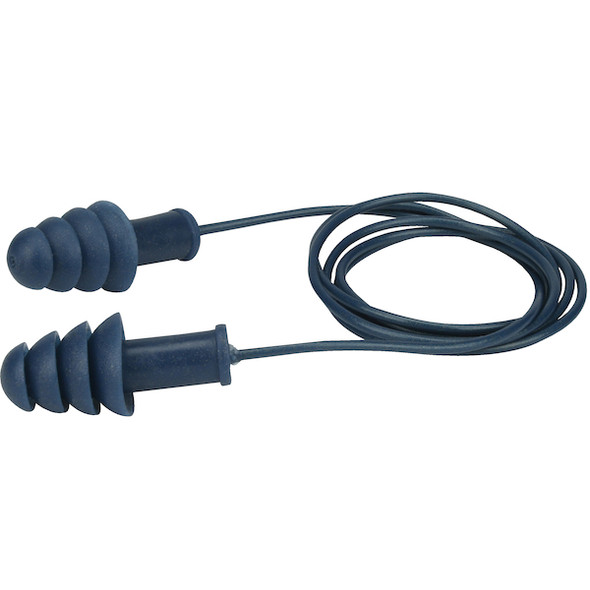
Reusable TPR Ear Plugs - NRR 27 (Box of 100 Pairs) | Dynamic
Dynamic Safety
$73.04 - $89.32Plugs are often used in dirty working environments making it likely that particles will collect on the surface of the material, causing minor injuries and irritation. The smooth, dirt-repellent...$73.04 - $89.32 -
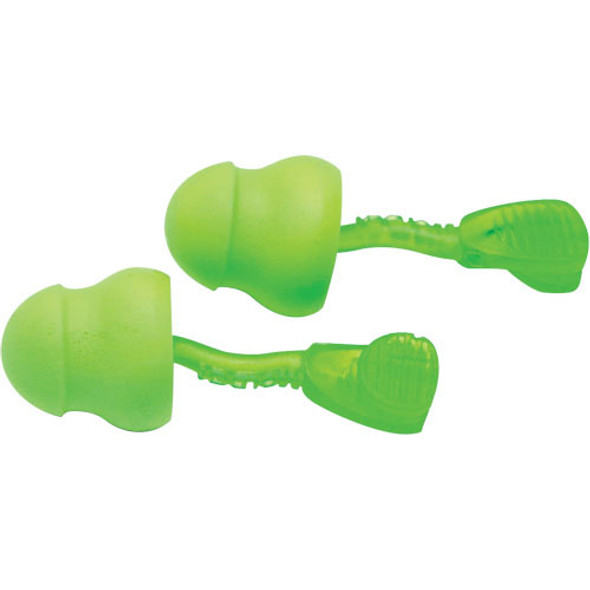
Glide Foam Ear Plugs (100 Pairs) | Moldex
$62.43Glide Foam Ear Plugs (100 Pairs) | Moldex The unique design of the Moldex Glide ear plugs offers a custom fit and easy insertion/wearability. The user simply rotates the multi-curved stem to ensure...$62.43 -
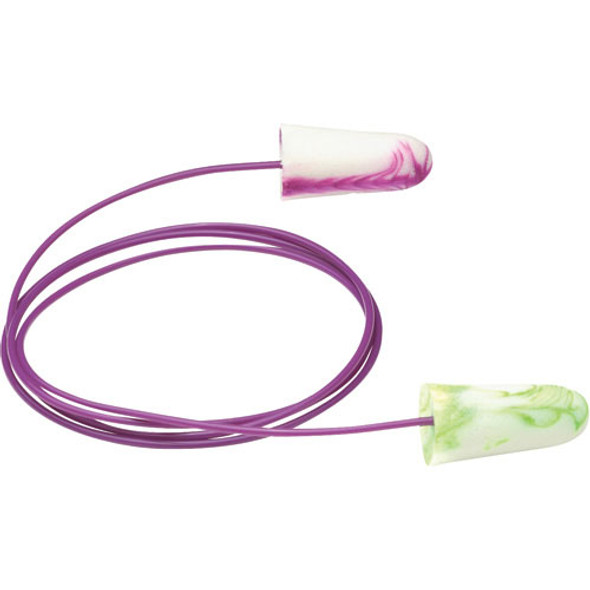
Corded Foam Ear Plugs (100 Pairs) | Moldex SparkPlugs
$43.13Corded Foam Ear Plugs (100 Pairs) | Moldex SparkPlugs Corded with multi-coloured options in each pack, these foam SparkPlug ear plugs are tapered for easy insertion and comfort in the ear canal...$43.13 -

Un-Corded Foam Ear Plugs | Box of 200 | Moldex
Moldex
$57.77Different colours in every package Fun-coloured to spark up hearing protection program Tapered for easy insertion in any size ear canal Non-irritating, smooth surface for added...$57.77 -

Corded Laser Lite Ear Plugs (100 Pairs) | Howard Leight | Honeywell
Honeywell
$44.30Vibrant colours make protection visible Self-adjusting polyurethane foam expands to fit virtually every wearer Contoured T-shape for easy insertion and wear Smooth, soil-resistant skin prevents dirt...$44.30