
Dunlop Boots
- Product
- Qty in Cart
- Quantity
- Price
- Subtotal
-
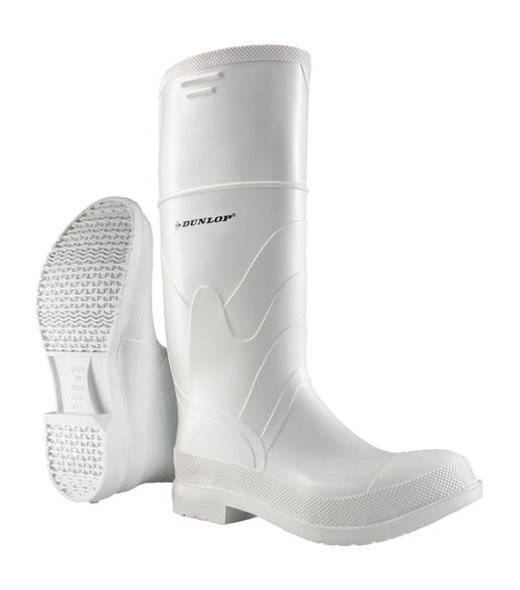
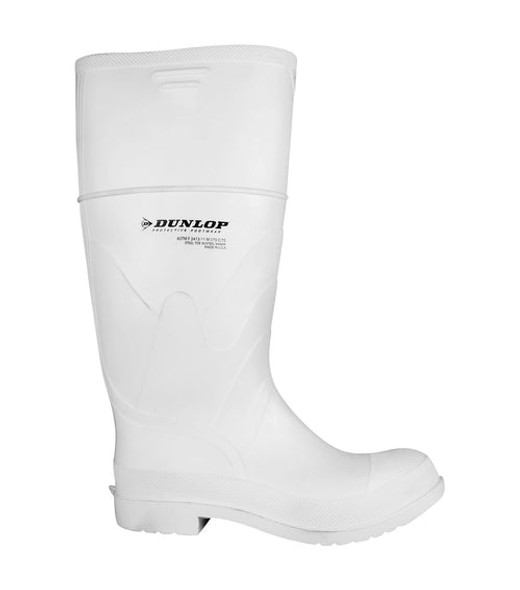
White PVC Steel Toe | 16'' Waterproof PVC Work Boots | Dunlop
Dunlop Boots
$69.99Description Dunlop 16'' PVC waterproof work boot with steel toe cap and non-slip sole. Product detail Height: 16’’ / 40 cm PVC injected molded seamless construction. Steel...$69.99
Dunlop Boots Costs: Complete Shopping Guide for All Types
Dunlop boots cost $10.99-$294.99 depending on protection level and height. Entry-level PVC boot covers start at $10.99, professional waterproof steel toe boots from $44.99, chest waders reaching $294.99 with full safety certification. Industrial workers typically replace basic PVC covers every 3-6 months.
You'll find four main Dunlop categories serving different hazard levels. Basic utility covers ($10.99-$17.99) protect against light moisture and debris. Mid-range safety boots ($44.99-$89.99) offer steel toe protection for construction sites. Premium PU boots ($214.99-$264.99) resist chemicals and extreme temperatures. Heavy-duty waders ($294.99) provide full-body protection in wet environments.
Budget vs Premium Dunlop Boot Comparison
Here's what separates budget from premium Dunlop boots. Economy steel toe models ($59.99) use basic PVC with 6-month lifespans under heavy use. Premium Purofort+ boots ($229.99) feature polyurethane construction lasting 18-24 months. The reality is premium boots cost 4x more but last 3-4x longer, making them cost-effective for daily industrial use.
| Boot Type | Price Range | Protection Level | Expected Lifespan |
|---|---|---|---|
| PVC Covers | $10.99-$17.99 | Light moisture | 3-6 months |
| Basic Safety | $44.99-$59.99 | Steel toe, waterproof | 6-12 months |
| Professional PVC | $74.99-$144.99 | Chemical resistant | 12-18 months |
| Premium PU | $214.99-$294.99 | Full safety, insulated | 18-24 months |
Key Takeaways About Dunlop Boots
- Dunlop boots cost $10.99-$294.99 and typically last 6-24 months with proper maintenance
- Dunlop boots protect against chemical exposure but require replacement when sole wear exceeds 50%
- Steel toe models meet ASTM F2413 standards for impact protection up to 75 pounds
- PVC construction resists most acids but degrades in temperatures above 140°F
- Chest waders provide protection up to 54 inches but limit mobility on uneven surfaces
- Premium PU models resist -40°F temperatures but cost 4x more than basic PVC
- Boot covers extend safety shoe life by 2-3x but won't protect against puncture hazards
How to Choose Dunlop Boots for Your Specific Work Environment
Select Dunlop boots based on: exposure time (8+ hours needs steel toe), chemical contact level (acids require PVC minimum), and temperature range (-20°F demands insulated PU). Construction workers need $44.99+ steel toe models, while chemical plant operators require $214.99+ Hazmax boots for acid resistance.
Five Work Scenarios and Required Dunlop Protection
Here's what matters most for different environments. Light construction and landscaping work suits Chesapeake steel toe boots ($44.99) with basic waterproofing. Chemical processing demands Hazmax boots ($214.99) rated for concentrated acid exposure. Cold storage facilities require FieldPRO Thermo+ models ($264.99) insulated to -40°F. Wet environments like fish processing need chest waders ($294.99) with full-body coverage.
Certification Requirements by Industry
Different industries mandate specific safety ratings. Construction sites require ASTM F2413 steel toe certification, found in Dunlop's $44.99+ models. Chemical facilities need chemical-resistant hand protection alongside acid-resistant footwear like Hazmax boots. Food processing plants demand slip-resistant soles and easy cleaning, making PVC construction essential.
Dunlop Boot Selection Process
- Identify primary hazard: impact, chemical, temperature, or moisture exposure
- Determine daily wear time: 4+ hours requires professional-grade comfort features
- Check workplace safety requirements: ASTM F2413, slip resistance ratings
- Measure protection height needed: ankle, mid-calf, knee-high, or chest coverage
- Calculate annual replacement costs: budget boots need 2-3 replacements yearly
- Test fit with work socks: boots should allow toe movement without heel slippage
- Verify chemical compatibility: PVC resists acids, PU handles oils better
Dunlop Boots Lifespan: When to Replace Your Safety Equipment
Replace Dunlop boots every 6-12 months for daily industrial use, 3-6 months for harsh chemical exposure. Basic PVC covers showing sole wear, cracking, or punctures need immediate replacement. Premium PU boots last 18-24 months but require monthly inspection for sole separation or upper material degradation.
Five Critical Wear Indicators for Dunlop Boots
Here's the thing about Dunlop boot deterioration - it's often invisible until failure. Sole wear patterns exceeding 2mm depth compromise slip resistance and puncture protection. Heel separation longer than 5mm allows water infiltration. Upper material cracking creates chemical penetration points. Steel toe denting beyond 3mm reduces impact protection. Liner degradation causes pressure points leading to injury.
Monthly Maintenance Tasks for Extended Lifespan
Proper maintenance doubles Dunlop boot lifespan. Rinse boots after each chemical exposure to prevent material breakdown. Inspect sole attachment weekly - separation starts at stress points. Store boots upright to prevent cracking from folding. Replace insoles every 3 months for odor control and cushioning. Check steel toe integrity monthly by examining for visible dents or deformation.
Annual costs vary dramatically by replacement frequency. Daily construction use requires 2 pairs of Chesapeake boots ($89.98 annually). Chemical exposure demands 3-4 Hazmax replacements ($644.96-$859.96). Premium FieldPRO models last 18 months, costing $176.66 annually. The reality is investing in higher-grade boots reduces long-term costs and downtime.
Dunlop Boots Protection Levels: Understanding Ratings and Standards
ASTM F2413 standard covers impact protection up to 75 pounds and compression resistance to 2,500 pounds, found in Dunlop's $44.99+ steel toe models. Basic PVC offers splash protection against mild acids, while Hazmax boots resist concentrated chemicals including sulfuric acid and petroleum products at industrial concentrations.
Four Protection Levels Explained with Real-World Applications
Level 1: Basic moisture protection from PVC covers ($10.99-$17.99) suitable for light cleaning tasks. Level 2: Steel toe impact protection ($44.99-$89.99) required for construction and manufacturing. Level 3: Chemical resistance ($214.99) necessary for industrial cleaning and processing. Level 4: Full environmental protection ($264.99-$294.99) demanded in extreme conditions like cold storage or hazmat response.
| Protection Rating | Hazard Coverage | Price Impact | Required Industries |
|---|---|---|---|
| Basic PVC | Light moisture, debris | Base cost | Landscaping, light maintenance |
| ASTM F2413 | 75 lb impact, puncture | +300% cost | Construction, manufacturing |
| Chemical Grade | Acids, solvents, oils | +400% cost | Chemical processing, labs |
| Extreme Environment | -40°F to 140°F range | +500% cost | Cold storage, foundries |
Certification vs Non-Certified Options
Certified Dunlop boots undergo rigorous testing for impact, compression, and puncture resistance. Non-certified covers provide basic protection but won't meet OSHA requirements for hazardous workplaces. You'll typically find certification markings on the boot tongue or sole. Here's what matters most: workplace inspectors can cite safety violations for using non-certified boots in regulated environments.
Common Dunlop Boots Mistakes That Reduce Protection
#1 mistake: wearing basic PVC covers in chemical environments reduces protection by 80% and creates serious injury risk. Workers often choose $14.99 latex covers for acid work, but proper Hazmax boots ($214.99) prevent chemical burns. Using wrong boot height allows hazards to enter above protection level.
Five Critical Usage Errors and Their Safety Consequences
Mistake #1: Oversizing boots by more than half-size causes heel slippage and reduces steel toe protection effectiveness. Mistake #2: Continuing use after visible sole separation allows puncture hazards and moisture infiltration. Mistake #3: Storing boots folded creates stress cracks that compromise chemical resistance. Mistake #4: Ignoring temperature limits - using PVC above 140°F causes material failure. Mistake #5: Skipping daily cleaning allows chemical buildup that degrades protective materials.
Proper Dunlop Boot Usage for Maximum Protection
Correct sizing ensures steel toe sits properly over foot bones. Boots should feel snug but allow toe wiggling. Daily inspection prevents wearing compromised protection. Clean boots immediately after chemical contact using appropriate neutralizing agents. Replace boots at first sign of sole separation or upper cracking. Store upright in ventilated areas away from heat sources exceeding 100°F.
Financial Impact of Protection Mistakes
Using wrong Dunlop boots creates expensive consequences. Chemical burns from inadequate protection cost $15,000-$50,000 in medical treatment and lost productivity. Slip injuries from worn soles average $28,000 in workers' compensation claims. The reality is spending extra $100-$200 on proper boots prevents thousands in injury costs. OSHA violations for improper safety footwear selection start at $7,000 per incident.
Final Dunlop Boots Buying Checklist
- Verify workplace requires steel toe certification before purchasing
- Match chemical resistance rating to specific workplace hazards
- Calculate annual replacement costs for different quality levels
- Confirm temperature rating matches work environment extremes
- Test fit with actual work socks and safety clothing layers
- Check warranty coverage and replacement policies
- Identify proper cleaning and storage requirements
- Establish inspection schedule based on usage intensity