


Description
Description
Peakworks® Carabiners are perfect for mountaineering rock climbing fire & rescue protection construction caving & many other industrial occupations. This 1" carabiner is lightweight easy to use with a convenient double locking mechanism. Made with zinc plated steel this high-strength carabiner resists rust corrosion and weathering. With a gate strength requirement of 3600 lb. this double locking carabiner meets ANSI Z359.12 standards.
- Applications: Perfect for mountaineering rock climbing fire & rescue protection construction caving & many other industrial occupations; This 1" carabiner is lightweight easy to use with a convenient double locking mechanism
- Material: Made with zinc plated steel this high-strength carabiner resists rust corrosion and weathering; Making it highly durable for a small package
- Certified: With a gate strength requirement of 3600 lb. this double locking carabiner meets ANSI Z359.12 standards
Technical Specifications
- Carabiner Certification: CSA, ANSI
- Length of Carabiner (in.): 4.84"
- Length of Carabiner (mm): 123 mm
- Carabiner Material: Zinc Plated Steel
- Carabiner Size (In.): 1"
- Carabiner Size (mm.): 25 mm
- Width of Carabiner (in.): 3.22"
- Width of Carabiner (mm): 82 mm
- Standards: CSA, CE
- Gate Opening (in.): 1.06"
- Gate Opening (mm): 27 mm
- Gate Strength (kN): 16 kN
- Gate Strength (lb): 3,600 lbf
- Material: Zinc Plated Steel
- Tensile Strength (kN): 30 kN
- Tensile Strength (lb): 6,750 lbf
- Weight Capacity (kg): 141 kgs.
- Weight Capacity (lb): 420 lbs.
- Weight of Carabiner (g): 313 g
- Weight of Carabiner (oz.): 11 oz
Carabiners - Hardware - Zinc Plated Steel - 1" Gate Openning– Technical Specs
More Info
Carabiner for Fall Protection and Climbing Connections
The 1" carabiner is a fall protection connector designed for climbing, rescue, and industrial attachment work. Rope access technicians, construction workers, and fire and rescue personnel typically use this carabiner to create secure connection points in work positioning and fall protection systems. This PeakWorks carabiner features a double locking mechanism, zinc plated steel construction, and CSA, ANSI, CE certification.
Industry Applications and Professional Use
Construction Work Environments
Construction workers and site supervisors typically use a carabiner when they connect a safety lanyard, harness, or anchor point during elevated tasks. On active job sites, crews need connector hardware that supports daily use and routine handling. This fall protection component helps teams build practical tie-off systems with hardware they can inspect and manage per manufacturer instructions.
Emergency Services Operations
Fire and rescue personnel often rely on a locking carabiner when they set up rope systems, patient movement support, or equipment attachments. Emergency environments call for steel hardware that offers a compact profile and straightforward gate operation. The double locking mechanism supports controlled connection use in fast-paced field conditions.
Mining and Industrial Sites
Mining crews and industrial workers commonly use connector hardware when they work around vertical access areas or overhead tasks. These environments often demand durable steel hardware with corrosion resistance and strong gate strength. A CSA and CE listed carabiner gives teams a dependable component for general fall protection setups.
Transportation and Utilities
Maintenance technicians and utility workers typically use this carabiner during inspections, access work, or equipment movement. Crews often work in variable conditions, so zinc plated steel helps support rust resistance and weather exposure. This type of industrial hardware fits many attachment point applications where workers need a compact connector.
Forestry and Outdoor Work
Forestry teams and outdoor specialists commonly need climbing equipment that performs in weather-dependent conditions. Workers often connect rope access gear, safety lanyards, or anchor systems while moving across changing terrain. The 1 inch size and lightweight design make this locking carabiner practical for daily field use.
Technical Specifications and Product Features
Understanding Product Standards
Specifications matter for a carabiner because workers depend on gate strength, tensile strength, and locking performance when building fall protection systems. This model meets CSA, ANSI, and CE standards, and it aligns with ANSI Z359.12 requirements. Those details help teams match the connector to planned work while following site procedures and manufacturer instructions.
| Specification | What It Means | Practical Benefit |
|---|---|---|
| CSA, ANSI, CE | Recognized standards for connector hardware | Supports selection for regulated fall protection applications |
| 16 kN gate strength / 3,600 lbf | Measures resistance at the gate opening | Helps workers choose hardware for connection tasks |
| 30 kN tensile strength / 6,750 lbf | Measures overall load resistance | Supports demanding climbing and industrial hardware use |
| 1.06 in gate opening | Clear opening size for connection | Helps with attachment to compatible hardware and anchor points |
| Zinc plated steel | Durable steel hardware with surface protection | Improves rust resistance and corrosion resistance in field use |
Use Case Scenarios and Applications
Fall Protection Connections
Workers use this carabiner when connecting a safety lanyard, harness, or other fall protection components. The double locking mechanism helps support controlled attachment during routine work at height. Crews often value the compact size because it fits into daily-use systems without adding unnecessary bulk.
Rope Access and Vertical Work
Rope access technicians commonly need a locking carabiner for positioning and transfer tasks. The gate opening, weight capacity, and tensile strength help match the connector to vertical access routines. This type of connector works well when workers need a reliable attachment point they can handle efficiently.
Fire and Rescue Applications
Rescue teams typically use connector hardware when setting up rope systems or moving equipment. The lightweight build and easy-to-use gate can support quick handling in urgent situations. Zinc plated steel also adds useful rust resistance when crews face moisture or outdoor weather.
Caving and Mountaineering Activities
Climbing teams and caving operators often choose steel hardware for attachment tasks that require strong gate strength and secure closure. The locking design helps users manage repeated connection and disconnection in demanding environments. The compact 1 inch format suits many climbing equipment setups.
Ideal Applications and Work Environments
Where This Carabiner Excels
- Construction sites: Supports fall protection setups with a CSA and CE listed connector.
- Emergency response: Works well for rescue teams that need a lightweight locking carabiner.
- Mining operations: Fits industrial hardware needs where strength and corrosion resistance matter.
- Forestry and outdoor work: Handles weather-dependent conditions with zinc plated steel construction.
Professional Applications
Workers Who Rely on This Equipment
- Rope access technicians: Use it as a connector in vertical access and positioning systems.
- Site supervisors: Review and integrate it into fall protection plans on active job sites.
- Fire and rescue personnel: Attach ropes, tools, or system components during response work.
- Construction workers: Connect lanyards and other fall protection equipment during elevated tasks.
- Safety coordinators: Select and inspect connector hardware for compliance-focused programs.
- Maintenance technicians: Use it for access and attachment tasks in industrial settings.
Complete Safety Equipment Solutions
Complementary Safety Gear
This carabiner works alongside other fall protection equipment to support a complete safety setup. Teams often combine connector hardware with harnesses, lanyards, anchor points, and helmets to build a layered system. All Safety supplies these related categories so crews can source compatible components for job-specific applications.
Recommended Equipment Combinations
- Construction tie-off system: Carabiner + safety harness + lanyards + anchor points
- Rescue access setup: Carabiner + helmet + harness + anchor points
- Rope access kit: Carabiner + safety harness + lanyards
Selection Guide and Product Suitability
When to Choose This Product
Choose this carabiner when you need a compact connector for fall protection or climbing systems. It performs well in construction, rescue, and industrial environments where workers use a double locking mechanism. It also suits daily-use operations that call for zinc plated steel, corrosion resistance, and a defined gate strength rating.
Key Evaluation Factors
- Check the required gate strength and tensile strength for your application.
- Confirm CSA, ANSI, and CE requirements for your worksite.
- Review the gate opening size for your attachment point needs.
- Consider weight, material, and weather exposure before selection.
Limitations and Alternative Considerations
This carabiner is not suitable for applications that require specialized connectors outside standard fall protection or climbing use. Some tasks may call for different connector hardware, such as larger industrial hardware or system-specific attachment components. Available from All Safety with standard, expedited, or overnight shipping to suit project timelines.
Daily Use and Maintenance
Workplace Integration
Workers typically use this carabiner when connecting fall protection or climbing systems, and they attach it as a connector component per manufacturer instructions. Crews commonly use it in construction, rescue, climbing, and industrial environments. The compact format helps users manage daily operations without adding unnecessary weight.
Care and Replacement Guidelines
Inspect the lock action, gate closure, wear, and deformation before each use or during routine checks. Manufacturers typically recommend cleaning it per specifications to remove dirt, moisture, and residue, then storing it in a dry, clean area away from corrosive conditions. Replace it per manufacturer specifications after damage, wear, or failed inspection.
Related Products
Related Products


3/4" Carabiner | CSA | PeakWorks
Peakworks

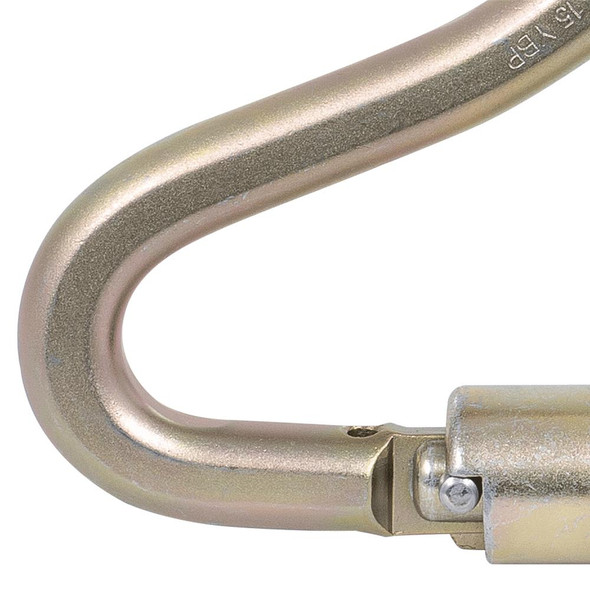
Carabiner 2" (51 mm) CSA for Scaffolding | Peakworks
Peakworks

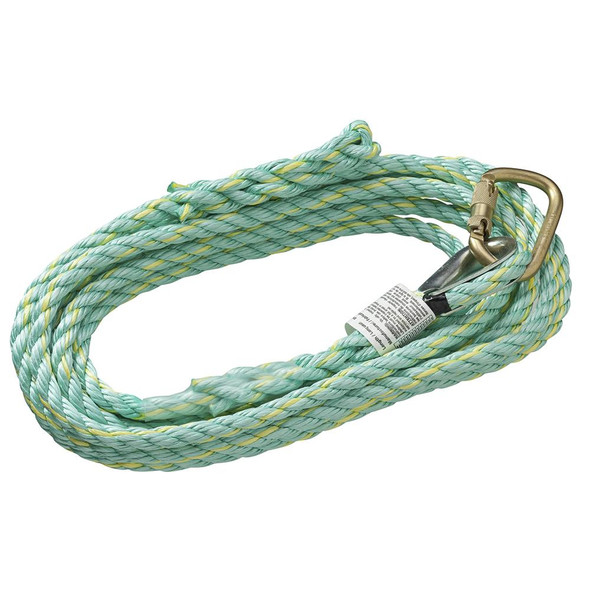
Vertical Lifeline - Carabiner & Back Splice VL-1115 | Peakworks
Peakworks


Baffin | Workhorse (STP) | CSA/ASTM/CE Approved
Baffin Boots

Removable Back Pad for PeakWorks Harnesses | Peakworks
Peakworks