


Description
Contractor Tool Belt | Guardian Fall Protection
Ideal for harnesses that do not incorporate an integrated tool belt, the Contractor Tool Belt allows the user to easily attach tool bags for the convenient transportation of tools and other equipmentDownloads:
Inspection FormInspection Form - Spanish
More Info
Contractor Tool Belt for Jobsite Tool Access
The Contractor Tool Belt is a body belt accessory designed for worksite tool carrying and attachment. Construction workers, maintenance technicians, and site supervisors typically use this work belt to keep tool bags close at hand and stay organized on the job. This Guardian Fall Protection accessory features easy installation and allows attachment of tool bags.
Industry Applications and Professional Use
Construction Work Environments
Construction workers typically use the Contractor Tool Belt when they need portable tools within easy reach during framing, finishing, or general site tasks. It works well on active jobsites where crews move between work areas and need jobsite organization throughout the shift. The tool belt supports efficient tool storage and access while working with compatible harnesses.
Utility and Maintenance Operations
Utility technicians often rely on this accessory belt during maintenance calls, service checks, and repair work. Crews commonly attach tool bags for load carrying and to keep essential items organized while working in service areas. This setup supports practical gear attachment for routine field work.
Transportation and Equipment Service
Transportation workers and equipment operators commonly use a tool carrier when they need access to hand tools during inspections or service tasks. The Contractor Tool Belt helps keep portable tools positioned for quick access in busy worksite equipment environments. It also supports comfort fit during longer shifts.
Manufacturing Facilities
Maintenance technicians in manufacturing settings often use a work belt with compatible harnesses for routine repairs and adjustments. The belt helps organize fall protection accessory needs alongside tool storage for service tasks. Workers can attach tool bags per manufacturer instructions and keep equipment close during indoor work.
Warehousing and Industrial Service
Warehouse teams and industrial service staff commonly use this utility belt during equipment checks, small repairs, and general upkeep. It helps users carry portable tools without disrupting movement through active facilities. The easy installation also supports quick setup before work begins.
Technical Specifications and Product Features
Understanding Product Standards
Tool belt features matter because workers need reliable gear attachment, simple setup, and practical load carrying during active shifts. The Contractor Tool Belt works as a fall protection accessory designed for harnesses that do not incorporate an integrated tool belt. It provides a comfortable way to attach tool bags and support worksite equipment organization.
| Specification | What It Means | Practical Benefit |
|---|---|---|
| Allows attachment of tool bags | Provides a secure connection point for storage accessories | Helps keep portable tools organized and accessible |
| For harnesses without an integrated tool belt | Adds belt support to compatible harness setups | Expands use with existing fall protection gear |
| Easy to install | Supports fast setup before work | Reduces delay when crews start a shift |
| Superior comfort | Designed for wearable support during work periods | Helps users stay focused on tasks throughout the day |
Use Case Scenarios and Applications
Daily Jobsite Tool Carrying
Workers typically use this tool belt during daily-use tasks when they need essential tools close at hand. It supports fast access to tool bags and keeps worksite equipment organized while crews move between tasks. The belt fits common jobsite routines where comfort and access matter.
Occasional Maintenance Support
Some users need a work belt only for certain service calls or repair projects. In those cases, the Contractor Tool Belt gives them a flexible way to add tool storage without changing their core harness setup. This helps with occasional-use applications across maintenance environments.
Outdoor Field Work
Outdoor crews often need portable tools in changing work conditions. The belt helps attach tool bags securely while users work in construction zones, utility areas, or equipment yards. It supports practical organization during mobile field tasks.
Indoor Facility Work
Indoor teams often use accessory belt solutions for repair, inspection, and service work. This product helps keep tools available in manufacturing and warehouse settings where workers move between stations. It also supports efficient installation on compatible harnesses.
Ideal Applications and Work Environments
Where This Tool Belt Fits Best
- Construction sites: The belt supports tool bags and quick access for crews working with compatible harnesses.
- Utility maintenance areas: It helps technicians carry portable tools during service and repair work.
- Industrial facilities: Workers can use it for jobsite organization during routine maintenance tasks.
- Warehouses and equipment service operations: It provides comfortable tool storage for frequent use.
Not Recommended For
- Harnesses with an integrated tool belt: This accessory is intended for harnesses that do not already include one, so a separate belt may be unnecessary.
- Applications that do not require tool attachment: If workers do not need tool bags or load carrying support, a simpler work belt or alternate accessory may fit better.
Professional Applications
Workers Who Rely on This Equipment
- Construction workers: Use it to attach tool bags and keep portable tools organized on active sites.
- Fall protection technicians: Rely on it when their harness setup needs added tool storage.
- Site supervisors: Use it for jobsite organization during inspections and oversight tasks.
- Maintenance technicians: Carry frequently used tools during service and repair work.
- Equipment operators: Keep key tools accessible during checks and adjustments.
Complete Safety Equipment Solutions
Complementary Safety Gear
The Contractor Tool Belt works alongside other equipment for a more complete work setup. Workers often pair it with harnesses, tool bags, and fall protection accessories to manage tools and maintain organization on the job. Multiple layers of gear help crews build practical, task-ready systems for daily work.
Recommended Equipment Combinations
- Construction setup: Contractor Tool Belt + harnesses + tool bags + fall protection accessories
- Utility service setup: Contractor Tool Belt + tool bags + work belts
- Industrial maintenance setup: Contractor Tool Belt + harnesses + tool bags
Selection Guide and Product Suitability
When to Choose This Product
Choose this tool belt when your harness does not include an integrated tool belt and you need a practical way to attach tool bags. It also works well when crews want better jobsite organization during daily shifts. The comfortable design helps support long periods of portable tool use.
Key Evaluation Factors
- Harness compatibility with a separate belt
- Need for tool bag attachment points
- Comfort fit during long work periods
- Ease of installation for daily use
Limitations and Alternative Considerations
This product is not intended for harnesses that already include an integrated tool belt. It may not suit users who need a more specialized load-carrying system, in which case a different work belt or accessory belt may fit better. Available from All Safety with standard, expedited, or overnight shipping to suit project timelines.
Daily Use and Maintenance
Workplace Integration
Workers typically use the Contractor Tool Belt when they need tools carried close at hand during work shifts. They generally wear it with compatible harnesses and attach tool bags per manufacturer instructions. On construction sites and in maintenance areas, crews often keep it part of their daily worksite equipment setup.
Care and Replacement Guidelines
Inspect the belt before each use by following manufacturer guidelines for webbing, attachment points, and hardware. Clean it with mild methods per manufacturer instructions and store it in a dry, clean location away from excessive heat and direct sunlight. Replace the belt per manufacturer specifications if wear, damage, or deformation appears.
Related Products
Related Products
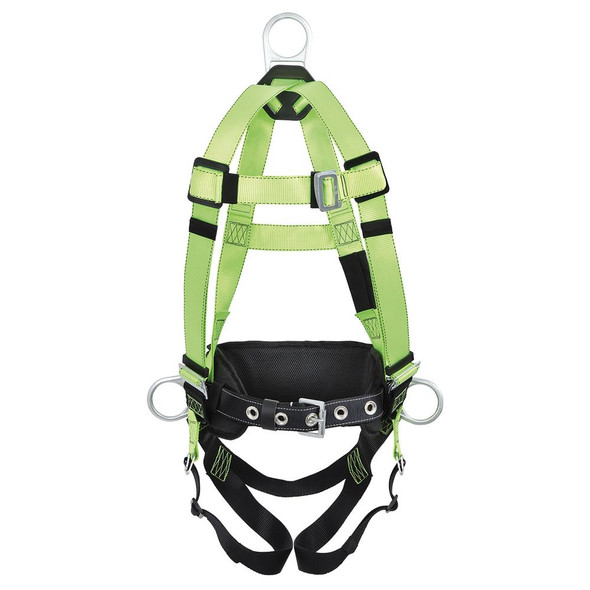
Contractor Harness with Positioning Belt - 3D - Class AP | Peakworks
Peakworks


Contractor Harness with Positioning Belt - 5D - Class APE, FBH10000E1020 | Peakworks
Peakworks
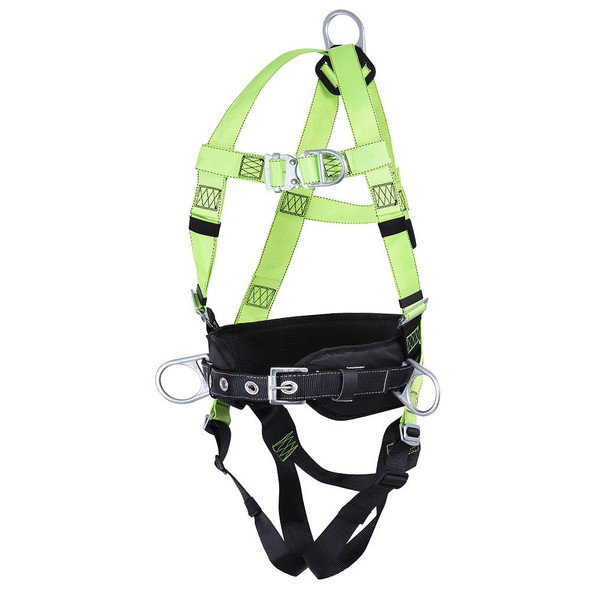
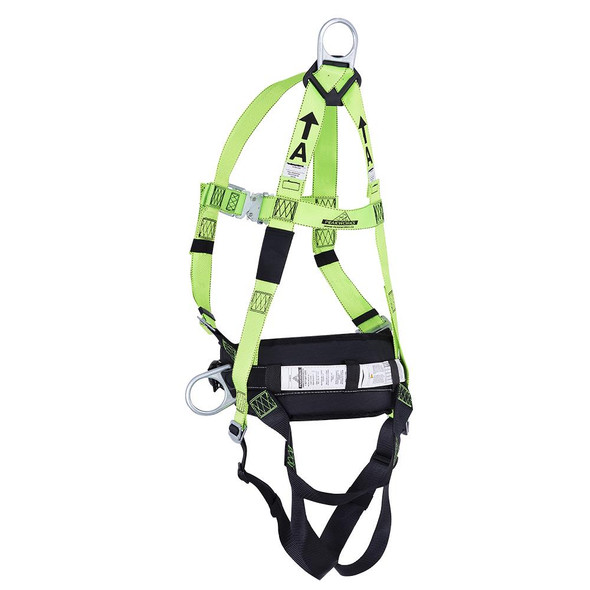
Contractor Harness with Positioning Belt - 4D - Class APL, FBH10000L1020 | Peakworks
Peakworks


Hi-Vis Contractor Harness & Positioning Belt with Grommet Leg Straps | 3D, Class AP
Peakworks


Ergo Tool Belt Suspenders | Helly Hansen
Helly Hansen