
Peakworks
Cable Anchor Sling - 2 Eye Hooks | Peakworks

- SKU:
- AS-21000

Description
Description
The Peakworks anchorage connector provides piece of mind when a temporary anchor is required. Peakworks offers anchor slings using two Material styles: abrasion-resistant webbing or galvanized cable. All Peakworks anchor slings are built to a minimum tensile strength of 5000 lbs. All Peakworks anchor slings meet or exceed ANSI and CSA standards.
- Sling: This efficient anchor sling is portable and 4 ft in length; The anchor sling features 2 eye-rings one on each end
- Applications: Anchor slings are used to hold winches and pulleys to an anchor giving you piece of mind when a temporary anchor is required
- Material: The anchor sling is a versatile and reusable anchor point; Made with a durable ¼” PVC coated galvanized cable and built with a minimum tensile strength of 5000 lb.
- Frequently Bought Together: OSHA compliant and meets ANSI Z359.7 standards; Pair this Anchor Sling with Peakworks Vertical Lifeline Rope or Peakworks Self-Retracting Lifelines for added protection and worker security
Technical Specifications
- Anchor Sling Length (ft.): 4 ft, 6 ft
- Anchor Sling Length (m.): 1.2 m, 1.8 m
- Application: Steel, Beam
- Category: Temporary
- Standards: ANSI standards, CSA standards
- Diameter: 1/4" (6mm)
- End Configuration: Eye
- Material: PVC Coated Galvanized Cable
- Minimum Tensile Strength: 5,000 lbs.
- Total Weight Capacity (lb.): 310 lbs.
- Total Weight Capacity (kg.): 141 kgs.
Cable Anchor Sling - End Configuration Eye Ends
Cable Anchor Sling - End Configuration Eye Ends - 4 '– Operation Manual– Technical Specs
Cable Anchor Sling - End Configurations Eye Ends - 6 '– Operation Manual– Technical Specs
More Info
Cable Anchor Sling for Temporary Fall Protection
The cable anchor sling is a temporary anchor point designed for elevated work where crews need a portable tie-off option. Site supervisors, maintenance technicians, and utility workers typically use this equipment to support fall protection systems during short-term tasks. This Peakworks anchorage connector uses PVC coated galvanized cable with eye ends and a minimum tensile strength of 5,000 lbs.
Industry Applications and Professional Use
Construction Work Environments
Construction crews typically use a cable anchor sling when they need a temporary anchor point on steel structures or beams. Workers often install it for beam work, steel erection, and access tasks that change from one location to another. The portable sling supports work-at-height planning and helps teams build a practical fall protection system.
Utilities and Field Service
Utility workers commonly rely on an anchorage connector for elevated maintenance on structures where a reusable anchored connection makes sense. Crews often need temporary tie-off options that travel easily between sites. The anchor sling supports task-specific access work and fits utility environments with changing work zones.
Transportation and Fleet Facilities
Transportation teams typically use this beam anchor on service platforms, maintenance bays, and industrial structures. The 4 ft and 6 ft sizes help crews match different anchor locations. Workers benefit from a solution that supports short-duration work and reusable setup needs.
Warehousing and Material Handling
Warehouse maintenance staff often use fall protection equipment during repairs or overhead access work near structural steel. The galvanized cable construction suits indoor industrial spaces that need a portable sling for specific tasks. The eye-rings help crews connect the sling into a planned anchorage point.
Manufacturing and Production Plants
Maintenance teams in manufacturing facilities commonly use a steel anchor for equipment servicing and elevated access. The 1/4 inch cable and 5,000 lb minimum tensile strength support task-based planning around load rating requirements. All Safety customers often choose this format when they need a reusable anchor for routine plant work.
Oil and Gas Operations
Oil and gas crews typically use temporary tie-off equipment during inspection and maintenance work on industrial structures. The PVC coated cable helps the sling stand up to demanding site conditions. Teams often pair it with other height safety gear for a complete work-at-height setup.
Technical Specifications and Product Features
Understanding Product Standards
Specs matter for anchor slings because crews need to match the connector to the job, the structure, and the planned fall protection system. The load rating, length, and end configuration all affect practical use. This model meets ANSI standards and CSA standards, and it is OSHA compliant with ANSI Z359.7 noted in the product data.
| Specification | What It Means | Practical Benefit |
|---|---|---|
| 4 ft or 6 ft length | Available in two common sling lengths | Helps crews choose a size that fits the anchor location |
| 1/4" (6mm) PVC coated galvanized cable | Durable cable with protective coating | Supports reusable use in industrial environments |
| Minimum tensile strength 5,000 lbs. | Rated for substantial pulling force | Supports temporary anchor point planning for elevated work |
| 2 eye-rings / eye ends | Connection points on both ends | Provides flexible attachment for anchorage connector setups |
Use Case Scenarios and Applications
Steel Erection Projects
Steel erectors often need a temporary anchor point while they position and secure materials. This cable anchor sling suits beam anchor applications where crews need eye ends for a secure connection. The portable sling format helps workers adapt as the project moves across the structure.
Beam Work in Construction
When crews work on beams, they often need a reusable anchor that fits the structure without slowing the task. The galvanized cable and 2 eye-rings support short-term access work and temporary tie-off. Workers can integrate the sling into a broader fall protection system with vertical lifelines or self-retracting lifelines.
Maintenance Access Tasks
Maintenance technicians commonly use this anchor sling for task-specific elevated access. The design supports short-duration work where crews set up an anchorage point per manufacturer instructions. The eye hooks and cable construction make it practical for repeated use within the product limits.
Utility and Industrial Elevated Work
Utility and industrial crews often need portable equipment for changing job sites and structures. The beam anchor configuration supports temporary tie-off when workers move between access points. The sling’s load rating and reusable design help teams plan equipment around the job.
Ideal Applications and Work Environments
Where This Cable Anchor Sling Excels
- Steel erection: The 2 eye ends and cable construction suit temporary anchor use on structural steel.
- Beam work: The portable sling supports attachment on beams during elevated maintenance or installation tasks.
- Maintenance access: The reusable anchor format works well for short-term service work.
- Industrial elevated work: The galvanized cable helps crews use a durable anchorage connector in demanding environments.
Professional Applications
Workers Who Rely on This Equipment
- Site supervisors: They often select the anchor sling for temporary tie-off planning and jobsite coordination.
- Maintenance technicians: They use it for access tasks that require a reusable anchor point.
- Equipment operators: They rely on it when work platforms or overhead tasks need anchorage support.
- Safety coordinators: They evaluate load rating, standards, and setup compatibility.
- Utility workers: They use it on structures and beams during task-specific elevated work.
- Riggers: They integrate it into anchored connection planning for controlled access jobs.
Complete Safety Equipment Solutions
Complementary Safety Gear
This anchor sling works alongside other equipment for a more complete fall protection system. Teams often build multiple layers into their setup because one connector rarely covers every job condition. Workers commonly pair the sling with gear that supports positioning, connection, and vertical access.
Recommended Equipment Combinations
- Steel erection setup: Cable anchor sling + harness + vertical lifeline + connectors
- Beam maintenance setup: Cable anchor sling + self-retracting lifelines + harness
- Utility access setup: Cable anchor sling + vertical lifelines + connectors
Selection Guide and Product Suitability
When to Choose This Product
Choose this anchor sling when crews need a temporary anchor point for elevated work on steel or beams. It performs well when workers need a portable sling for task-specific access and reusable setups. It also suits jobs that call for eye ends, cable construction, and a load rating that fits planned work.
Key Evaluation Factors
- Match the 4 ft or 6 ft length to the structure and anchor location.
- Review the 5,000 lb minimum tensile strength for the planned application.
- Confirm the connection points work with your fall protection system.
- Check that the job requires a temporary anchor point rather than a permanent installation.
Limitations and Alternative Considerations
This cable anchor sling is not suitable for applications that require a permanent anchorage point or a different connection format. Some jobs may need a beam clamp, permanent anchor, or another anchorage connector style. Available from All Safety with standard, expedited, or overnight shipping to suit project timelines.
Daily Use and Maintenance
Workplace Integration
Workers typically use the sling when a temporary anchor is needed for short-term access work, and they install it per manufacturer instructions. Crews often place it on steel structures or beams before connecting other components of the fall protection system. A quick pre-job review helps teams confirm the length and connection points.
Care and Replacement Guidelines
Inspect the cable condition, eye ends, coating wear, and any deformation before each use, following manufacturer guidelines. Clean and dry the sling per specifications, then store it in a dry, clean location away from moisture and chemicals. Replace the sling per manufacturer specifications and industry standards if damage, corrosion, or wear appears.
Related Products
Related Products


Cable Anchor Sling - Snap Hook & O-Ring | Peakworks
Peakworks


Cable Anchor Sling - 2 O-Rings | Peakworks
Peakworks

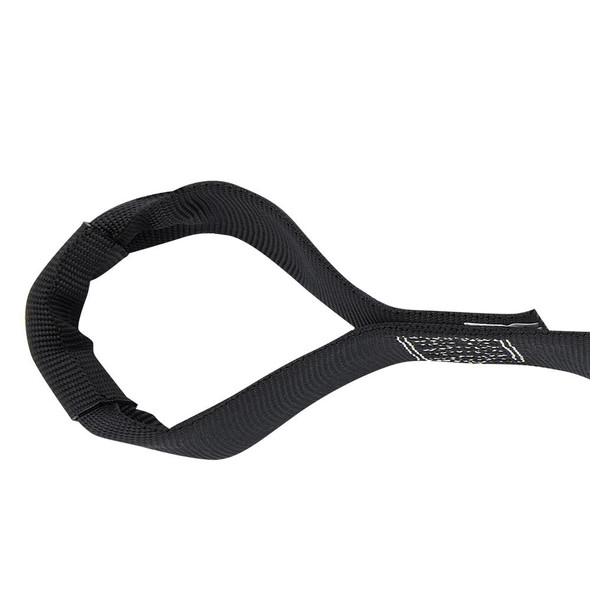
Residential Anchor Sling - 4' (1.2 m) - Pack of 10 | Peakworks
Peakworks

Commercial Anchor Sling - 4' (1.2 m) PACK of 10 | PeakWorks
Peakworks


Residential Anchor Sling - 3' (0.9 m) - Pack of 10 | Peakworks
Peakworks