
Guardian Fall Protection
Pitch Pro | Guardian Fall Protection

- SKU:
- 10540/10541/10542/10543/10544/10545







Description
Popular anchor excels in residential applications
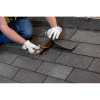
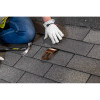
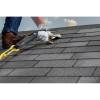
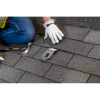
The Guardian Pitch Pro Roof Anchor (black) provides a reliable, OSHA-compliant and ANSI- compliant tie-off solution for sloped asphalt shingle roofs. Built from powder-coated steel, it offers superior corrosion resistance and long-term durability through repeated use. Its low-profile design installs beneath shingles for a clean, professional look on finished rooftops. The large D-ring connection point ensures easy, tangle-free attachment for personal fall arrest systems. Rated to a minimum breaking strength of 5,000 pounds, the Pitch Pro delivers dependable safety performance across wood, metal, or concrete roof structures.
Features
- Available in black, brown, or gray to match most roofs
- Suitable for wood, metal, or concrete substrates
- Tucks under a shingle for inconspicuous installation
- Minumum breaking strength 5,000 lbs
- Bulk 25-pack value: Includes twenty-five Pitch Pro anchors, ideal for contractors managing multiple roof installations or large job sites
- Premier sloped-roof anchor: Designed for asphalt shingle construction in both new builds and existing roof installations
- Durable powder-coated steel: Black finish provides added corrosion resistance and a professional appearance on any roof surface
- Low-profile, discreet design: Installs beneath shingles for a clean look while maintaining full fall protection performance
- OSHA & ANSI-compliant performance: Tested to a minimum breaking strength of 5,000 lb for a secure single-user anchorage on wood, metal, or concrete substrates
- Color:Black(10540),Brown(10541),Gray(10542), Black(10543),Brown(10544),Gray(10545)
- Pack: Single(10540,10541,10542),25 Pack(10543,10544,10545)
Specifications
- Product Weight: 0.86LB / 0.39KG
- Product Length: 10.25'' / 26.04CM
- Product Height: 1.5'' / 3.81CM(For 10540,10541,10542,10543),1.5'' / 3.81CM(For 10544,10545)
Compliance
This product meets the following regional compliance standards
- OSHA 1910.140
- OSHA 1926.502
- ANSI Z359.18
More Info
Roof Anchor for Sloped Asphalt Shingle Roofs
The Pitch Pro by Guardian Fall Protection is a roof anchor designed for tie-off work on sloped asphalt shingle roofs. Roofing contractors, site supervisors, and maintenance technicians typically use this anchor to support fall arrest systems during roof installation and repair. This OSHA-compliant and ANSI-compliant anchor features powder-coated steel and a minimum breaking strength of 5,000 pounds.
Industry Applications and Professional Use
Construction Work Environments
Construction workers and roofing contractors commonly use this roof anchor on new builds and existing structures when they need a reliable anchorage point. It installs beneath shingles and works well on wood, metal, or concrete roof structures. The low-profile design supports clean rooftop finishes while helping crews manage personal fall arrest system tie-off points.
Road Work and Utility Projects
Utility crews and road work teams often encounter temporary roof access during equipment service or structure maintenance. This sloped roof anchor gives teams a practical tie-off option when work takes place above ground level. Its durable steel build and corrosion resistance suit outdoor projects where exposure can vary.
Manufacturing Facilities
Maintenance personnel in manufacturing settings may use this anchorage connector during rooftop inspections or service tasks. The black powder-coated finish helps the anchor resist wear in repeated-use applications. It offers a discreet installation style for facilities that want a lower visual profile on finished roofs.
Warehousing Operations
Warehousing sites often need safe access for HVAC service, roof checks, and general building upkeep. Safety coordinators and maintenance technicians use roof anchors like the Pitch Pro to create a single-user anchorage point for short-duration tasks. The large D-ring connection point supports easy attachment to compatible fall protection gear.
Transportation Facilities
Transportation hubs and fleet facilities commonly need roof access for lighting, vent, and equipment service. This roof anchor supports fall arrest anchorage on sloped roofs where workers need a dependable connection point. Crews value the tangle-free D-ring design and the option to match roof color with black, brown, or gray finishes.
Technical Specifications and Product Features
Understanding Roof Anchor Standards
Roof anchor specifications matter because crews rely on the hardware for stable tie-off during elevated work. This product is OSHA-compliant and ANSI-compliant, with certifications that align with common fall protection requirements. The black powder-coated steel construction and 5,000-pound minimum breaking strength support demanding residential and commercial roof use.
| Specification | What It Means | Practical Benefit |
|---|---|---|
| OSHA 1910.140 | Meets OSHA fall protection requirements for applicable work settings | Supports compliant jobsite planning |
| OSHA 1926.502 | Meets OSHA construction fall protection requirements | Fits common roofing and construction applications |
| ANSI Z359.18 | Anchorage connector standard for fall protection systems | Helps match compatible fall arrest equipment |
| Minimum breaking strength 5,000 pounds | Rated anchorage capacity for single-user use | Provides a strong tie-off point for roof work |
Use Case Scenarios and Applications
Residential Roofing Projects
Residential roofing crews commonly install this roof anchor on sloped asphalt shingle roofs during replacement or repair work. The low-profile design tucks beneath shingles for a discreet look after installation. Contractors often choose it when they want a clean finish without sacrificing tie-off capability.
New Build Construction
New construction projects often need temporary or permanent anchorage points during roof installation. This anchor works on wood, metal, or concrete substrates, so teams can match it to the roof structure on site. Workers connect compatible fall arrest systems to the large D-ring for straightforward use.
Existing Roof Maintenance
Maintenance crews use the Pitch Pro when they need repeated access for inspections, repairs, or equipment servicing. The corrosion-resistant coating helps support outdoor use, and the discreet installation keeps the anchor less visible on finished rooftops. Teams often appreciate the simple attachment point during short-duration jobs.
Contractor Multi-Job Sites
Contractors managing multiple roofs often select the 25-pack for staged installations and repeated project scheduling. The pack format helps crews standardize roof anchor placement across several jobs. That consistency can streamline setup when teams move between sites.
Ideal Applications and Work Environments
Where This Roof Anchor Excels
- Residential roofing: The low-profile shingle roof attachment suits finished homes and visible rooflines.
- New roof construction: It creates a dependable anchorage point on wood, metal, or concrete roof structures.
- Roof maintenance: The discreet installation supports repeated access for inspections and service work.
- Contractor staging: The 25 pack helps crews handle larger projects and repeated roof installations.
Professional Applications
Workers Who Rely on This Equipment
- Roofing contractors: They install and use the anchor for sloped roof tie-off during shingle work.
- Site supervisors: They help confirm placement and coordinate fall arrest anchorage on the jobsite.
- Safety coordinators: They specify compatible fall protection equipment and monitor compliance.
- Maintenance technicians: They use it for rooftop service, inspection, and repair access.
- Construction workers: They connect personal fall arrest systems while working on elevated roof surfaces.
- Fall protection technicians: They install and verify the anchor per manufacturer instructions.
Complete Safety Equipment Solutions
Complementary Safety Gear
This roof anchor works alongside other fall protection equipment for a more complete system on sloped roofs. Workers typically pair the anchorage connector with compatible gear so the connection point, body support, and energy management all work together. All Safety often recommends building a system around the roof anchor instead of relying on a single component.
Recommended Equipment Combinations
- Residential roof access: Roof anchor + full body harness + lanyards + shock absorbing connectors
- Maintenance tie-off: Roof anchor + full body harness + carabiners
- Contractor installation setup: Roof anchor + full body harness + rope grabs
Selection Guide and Product Suitability
When to Choose This Product
Choose this roof anchor when your crew works on sloped asphalt shingle roofs and needs a discreet tie-off point. It also performs well on new build roof structures where installers need a dependable anchorage connector. The 5,000-pound rating and compliant design make it a practical option for repeated single-user access.
Key Evaluation Factors
- Roof material and substrate compatibility
- Required compliance with OSHA-compliant and ANSI-compliant standards
- Need for low-profile or discreet installation
- Single-user anchorage and project quantity needs
Limitations and Alternative Considerations
This product is not suitable for workers who need a multi-user anchorage point or a system designed for specialized roof geometries. Crews that need different access hardware may want to review other fall protection anchorage connectors or temporary roof safety systems. Available from All Safety with standard, expedited, or overnight shipping to suit project timelines.
Daily Use and Maintenance
Workplace Integration
Crews typically use the anchor when they start roof installation, repair, or maintenance work and need a tie-off point beneath shingles. Installers generally follow manufacturer instructions and connect the D-ring to compatible fall arrest systems. On busy sites, teams often stage anchors in advance to keep work moving.
Care and Replacement Guidelines
Inspect the anchor before use and during periodic checks per manufacturer guidelines. Clean and dry the steel components according to manufacturer instructions, and store the product in a dry, protected area away from moisture and chemicals. Replace the anchor if damage, corrosion, or a significant load event occurs, following manufacturer guidance.
Related Products
Related Products

Ecoanchor | Guardian Fall Protection
Guardian Fall Protection

Guardian Parapet Anchor System | Guardian Fall Protection
Guardian Fall Protection

Trauma Strap | Guardian Fall Protection
Guardian Fall Protection


Beamer BBC | Guardian Fall Protection
Guardian Fall Protection

Snappy Disposable Anchor - Fits Any Pitch Roof (Nails Included) | Guardian Fall Protection
Guardian Fall Protection