
Baffin Boots
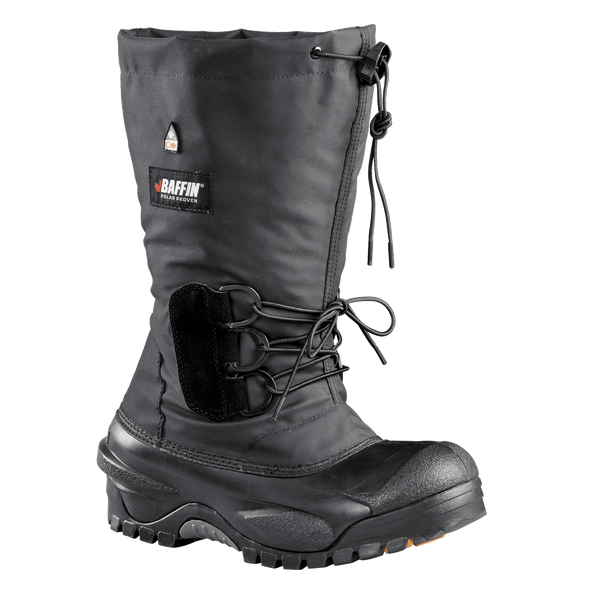
Baffin | Driller (STP) | Oil and Acid Resistant

- SKU:
- 98570937


Description
- Temperature Rating: -100ºC/-148ºF
- Oil and acid resistant Oarprene base
- Oil and acid resistant Neoprene upper
- Leather reinforced, rust resistant D-ring lacing system
- Oil and acid resistant lace and stitching throughout
- -100ºC/-148ºF comfort rated inner boot system
- Micro cellular waffle foot-bed traps air and moisture
- GelFlex fatigue resistant midsole
- Aggressive, long waring, self-cleaning outsole design
- Protective safety toe and plate
- CSA/ASTM approved
- ESR/EH rated
More Info
Cold Climate Safety Boots for Industrial Work
The Baffin Driller (STP) is a cold climate safety boot designed for industrial work in severe winter conditions and exposure to oils or acids. Equipment operators, maintenance technicians, and site supervisors typically use this safety footwear to support long shifts in demanding environments. This CSA approved and ASTM approved boot features a temperature rating of -100ºC/-148ºF, safety toe and plate, and oil and acid resistant materials.
Industry Applications and Professional Use
Oil & Gas Work Environments
Workers in oil and gas facilities typically rely on these cold climate boots when surfaces, spills, and weather create demanding conditions. The oil and acid resistant Oarprene base and Neoprene upper support use around industrial fluids, while the lace-up boot design helps workers secure a stable fit. This makes the boot a practical choice for winter fieldwork and maintenance tasks.
Mining Sites and Remote Operations
Mining crews commonly use protective footwear that handles low temperatures and rough terrain. The aggressive outsole traction, fatigue resistant midsole, and inner boot system support long days in cold-weather footwear applications. These features help workers stay comfortable during outdoor movement, equipment checks, and transport across site areas.
Manufacturing Facilities
Industrial workers in manufacturing often need safety footwear that performs well around oils, acids, and cold docks or loading zones. The rust resistant D-ring lacing system and oil and acid resistant lace and stitching throughout support daily wear in active production environments. All Safety customers often choose this style when comfort and durability both matter.
Construction and Field Service
Construction crews typically use cold-weather footwear when winter weather affects footing, materials handling, and outdoor access. The protective safety toe and plate add a familiar level of underfoot protection for general industrial tasks. Workers also benefit from the self-cleaning outsole design when mud, slush, or debris build up during the day.
Transportation, Yards, and Utilities
Transportation teams, yard workers, and utility crews often need insulated boots for repetitive walking, loading, and outdoor inspections. The micro cellular waffle foot-bed helps manage moisture, while the GelFlex fatigue resistant midsole supports extended use. These details make the boot suitable for seasonal and daily-use applications.
Technical Specifications and Product Features
Understanding Product Standards
Specifications matter because cold climate boots must balance warmth, traction, chemical resistance, and jobsite durability. The CSA, ASTM, ESR, and EH ratings help buyers match the boot to workplace expectations and compliance needs. This design combines insulating comfort with industrial-grade construction for cold-weather safety footwear.
| Specification | What It Means | Practical Benefit |
|---|---|---|
| CSA, ASTM, ESR, EH | Recognized performance and safety designations | Supports selection for regulated industrial work |
| -100ºC/-148ºF temperature rating | Comfort-rated for extreme cold conditions | Helps workers stay active in harsh winter environments |
| Safety toe and plate | Built-in protective toe and underfoot plate | Supports protection during heavy-duty industrial tasks |
| Oil and acid resistant materials | Oarprene base, Neoprene upper, lace, and stitching resist exposure | Helps the boot perform in chemical-prone work areas |
Use Case Scenarios and Applications
Cold-Weather Outdoor Shifts
Workers often choose cold climate boots when winter temperatures affect comfort and traction. The insulated boot system and waffle foot-bed support extended wear during early starts, late finishes, and exposure to snow or slush. The lace-up boot design also helps users adjust fit throughout the day.
Oil and Acid Exposure
Maintenance crews and operators commonly work around fluids that demand chemical resistance. The oil and acid resistant construction supports these conditions without adding unnecessary bulk. Users can pair the boot with other workplace safety gear for more complete protection in busy industrial zones.
Mining and Heavy Industrial Work
Mining applications often involve uneven ground, cold air, and long walking distances. The fatigue resistant midsole and long wearing outsole help the boot handle repeated movement on site. Workers benefit from a stable platform when they move between vehicles, equipment, and work faces.
Transportation and Yard Work
Yard crews and transportation staff need footwear that supports daily movement in harsh weather. The self-cleaning outsole, rust resistant D-ring lacing system, and comfort rated inner boot system help the boot perform in changing conditions. These features suit routine outdoor use and frequent stop-start work.
Ideal Applications and Work Environments
Where This Safety Footwear Excels
- Cold-weather industrial worksites: The -100ºC/-148ºF rating and insulated boot system support severe winter conditions.
- Oil and gas facilities: Oil and acid resistant materials suit exposure to industrial fluids.
- Mining operations: The safety toe and plate and traction-focused outsole help with rough terrain and cold exposure.
- Maintenance and utility tasks: The D-ring lacing and durable stitching support repeated daily use.
- Transportation yards: The fatigue resistant midsole supports long periods of walking and standing.
Professional Applications
Workers Who Rely on This Equipment
- Equipment operators: They use the boot for stable footing and cold-weather comfort around machinery.
- Maintenance technicians: They wear it during repair work where oil and acid resistant footwear matters.
- Industrial workers: They rely on it for daily safety footwear in demanding production and service areas.
- Site supervisors: They often need durable work boots for winter walk-throughs and field checks.
- Warehouse workers: They use it for cold dock work and long shifts on hard surfaces.
- Safety coordinators: They specify it when teams need CSA approved and ASTM approved footwear.
Complete Safety Equipment Solutions
Complementary Safety Gear
These cold climate boots work alongside other equipment for a more complete workplace safety setup. Workers often layer safety footwear with other PPE because cold, wet, and chemical-prone environments can create multiple hazards at once. A coordinated system helps crews match gear to the job instead of relying on one item alone.
Recommended Equipment Combinations
- Winter outdoor maintenance: Safety footwear + work gloves + safety glasses + insulated socks
- Oilfield service work: Safety footwear + work gloves + safety glasses
- Mining and yard operations: Safety footwear + hearing protection + insulated socks
Selection Guide and Product Suitability
When to Choose This Product
Choose this boot when your workday includes cold-weather shifts, outdoor exposure, and contact with oils or acids. It also fits crews that need CSA approved and ASTM approved safety footwear for industrial environments. The safety toe and plate add value when workers move through rough or busy work zones.
Key Evaluation Factors
- Confirm the cold rating matches your site conditions.
- Review whether oil and acid resistance fits the work area.
- Check sizing for insulated boot comfort and layering.
- Evaluate traction needs for snow, slush, and uneven surfaces.
Limitations and Alternative Considerations
This boot is not suitable for every specialty task, especially when a different protective footwear category better matches the hazard profile. For lighter indoor work, a less insulated work boot may be more practical. Available from All Safety with standard, expedited, or overnight shipping to suit project timelines.
Daily Use and Maintenance
Workplace Integration
Workers generally wear these cold climate boots during winter shifts when they need lace-up safety footwear for industrial sites. Use the D-ring lacing system to secure fit before entering the work area, and follow manufacturer instructions for job-specific wear. In outdoor yards and plant access points, the traction outsole often helps support steady movement.
Care and Replacement Guidelines
Inspect the outsole, stitching, lacing system, and toe and plate condition regularly per manufacturer guidelines. Clean the boots after exposure to oils, acids, dirt, or moisture, and store them in a cool, dry place away from direct heat and chemical exposure. Replace the footwear when wear, damage, or loss of structural integrity appears, following manufacturer instructions.
Related Products
Related Products


Baffin | Construction (STP) | Oil and Acid Resistant
Baffin Boots


Baffin | Refinery (STP) | Oil and Acid Resistant
Baffin Boots


Baffin | Woman's Oil Rig (STP) | Oil and Acid Resistant
Baffin Boots


Baffin | Petrolia (STP) | Ultra-Flex Oil and Acid Resistant
Baffin Boots

Baffin | Fortmac (STP) | Caustic Resistant
Baffin Boots