

Description
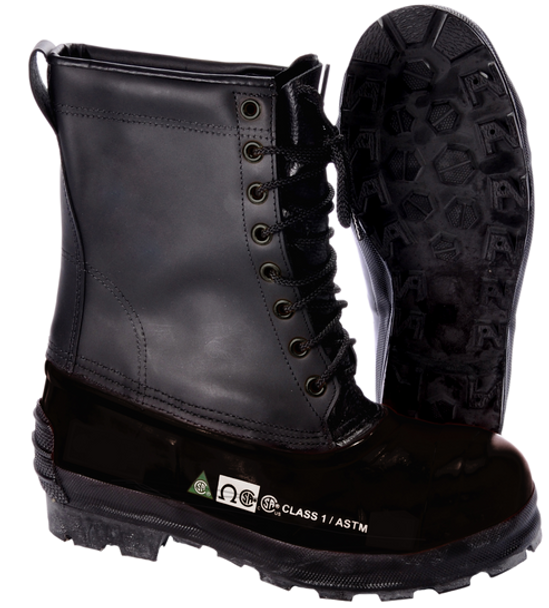
Viking Leather Winter Boots | Viking
Key Features
- Durable, handcrafted 100% water-resistant full cow grain leather upper and lace up design for maximum comfort and a tighter fit to prevent from ankle roll and foot fatigue
- Ballistic nylon cut-resistant protection in shin and toe area
Safety standards
- CSA Z195-14 / ASTM F2413-11 Grade 1 steel toe and plate
- CSA Omega - Electric Shock Resistant 18kV
Ideal
- Construction workers in the winter
- Winter Harvesters
- Log quality inspectors working in cold weather
- Road workers in the winter
- Chairlift operators
- General industrial winter saftey footwear
- Forestry workers in the North
- Winter construction sites: The lace-up fit, insulation, and steel toe support all-day wear in cold conditions.
- Road maintenance operations: The oil-, chemical-, fuel- and slip-resistant NBR lug sole supports mixed-surface traction.
- Forestry and logging work: The water-resistant full cow grain leather upper and cut-resistant protection suit rough outdoor use.
- Chairlift and winter industrial operations: The insulated design and electric shock resistance rating suit cold, active work zones.
- Construction workers: Wear them for cold-weather site work, hauling, and long walks across uneven ground.
- Road workers: Use them for winter maintenance, traffic control support, and icy shoulder conditions.
- Forestry workers: Rely on them for northern field work, logging tasks, and cold terrain travel.
- Log quality inspectors: Use them during outdoor inspections where warmth and traction matter.
- Chairlift operators: Wear them for winter station work and exposure to snow and moisture.
- General industrial workers: Choose them for outdoor utility, harvest, and seasonal work.
- Winter construction: Leather winter boots + insulated socks + hard hats + safety gloves
- Road maintenance: Leather winter boots + traction accessories + safety gloves
- Forestry work: Leather winter boots + insulated socks + safety gloves
- Check the winter temperature range for your job site.
- Review the fit, especially if you wear thick socks.
- Assess traction needs for ice, slush, and mixed surfaces.
- Confirm the required safety rating for your workplace.
More Info
Cold-Climate Footwear for Winter Work
Viking Leather Winter Boots are cold-climate footwear designed for winter outdoor work and long shifts in harsh conditions. Construction workers, road crews, and forestry teams typically use this work footwear to stay comfortable while moving across wet, icy, and uneven ground. This CSA Z195-14 certified boot features a removable foam liner and a water-resistant full cow grain leather upper for seasonal cold-weather use.
Industry Applications and Professional Use
Construction Work Environments
Construction workers typically wear these leather winter boots on exposed job sites where cold weather, slush, and packed snow slow down the workday. The lace-up boots design supports a tighter fit, while the reinforced heel helps with steady footing during full-shift tasks. Workers often choose this cold-climate footwear for winter framing, site walks, and material handling.
Forestry and Logging Operations
Forestry workers and log quality inspectors commonly rely on insulated footwear for northern locations and seasonal field work. The cut-resistant protection in the shin and toe area adds useful durability for brush, logs, and rough terrain. All Safety customers in these environments often look for cold-climate footwear that combines traction, warmth, and rugged materials.
Road Work and Winter Maintenance
Road workers typically need work boots that perform in icy conditions and around winter maintenance equipment. The oil-, chemical-, fuel- and slip-resistant NBR lug sole supports traction on mixed surfaces, including treated pavement and slush. This makes the boots a practical option for utility crews and road maintenance teams.
Transportation and Chairlift Operations
Chairlift operators and transportation workers often spend long periods outdoors in cold weather. The removable foam liner helps manage warmth during seasonal shifts, and the electric shock resistance rating supports electrical exposure considerations in certain work settings. These winter boots suit workers who move between indoor and outdoor tasks.
Mining and Utility Sites
Mining and utility crews commonly work in remote outdoor environments where weather changes quickly. The full grain leather, natural rubber bottom, and reinforced heel area support demanding use on uneven ground. Workers generally value this industrial safety footwear for winter-ready durability and comfort.
Technical Specifications and Product Features
Understanding Product Standards
Cold-weather footwear depends on both materials and standards, since winter work often combines traction demands, impact exposure, and moisture. These specifications help workers choose insulated footwear that fits the job conditions. Viking Leather Winter Boots combine certified safety features with practical comfort details for outdoor shifts.
| Specification | What It Means | Practical Benefit |
|---|---|---|
| CSA Z195-14 | Canadian safety footwear standard | Supports workplace compliance for winter safety footwear |
| ASTM F2413-11 Grade 1 steel toe and plate | Toe and underfoot protective rating | Helps provide impact and puncture protection in demanding work areas |
| CSA Omega-Electric Shock Resistant 18kV | Electrical resistance classification | Supports use in environments where electrical hazards may be present |
| Removable foam liner | Insulated inner layer | Improves warmth and allows easier drying and maintenance |
Use Case Scenarios and Applications
Cold Weather Outdoor Shifts
Workers who spend full shifts outside often need winter boots that balance warmth and mobility. The removable foam liner and cotton canvas lining support cold-weather comfort, while the lace-up design helps users fine-tune the fit. This setup works well for seasonal labor and repeated daily wear.
Icy and Wet Job Sites
When crews move through slush, wet pavement, or packed snow, traction becomes a major concern. The NBR lug sole and water-resistant full cow grain leather upper support performance in winter conditions. These features make the boots a sensible choice for outdoor tasks that change throughout the day.
Rough Terrain and Northern Work
Forestry and harvest work often involve uneven ground, debris, and colder temperatures. The reinforced heel area and cut-resistant protection in the shin and toe area add useful durability for those conditions. Workers typically choose this cold-climate footwear when they need a tougher boot for remote sites.
Industrial Winter Operations
General industrial workers often need footwear that handles winter use without sacrificing stability. The natural rubber bottom and compatible ice studs support traction management in demanding environments. This helps teams stay productive during seasonal operations.
Ideal Applications and Work Environments
Where This Product Category Excels
Professional Applications
Workers Who Rely on This Equipment
Complete Safety Equipment Solutions
Complementary Safety Gear
Winter boots work alongside other PPE for a more complete equipment setup. Many crews combine insulated footwear with head protection, hand protection, and traction accessories to match changing site conditions. This layered approach supports comfort, mobility, and task-specific readiness during winter work.
Recommended Equipment Combinations
Selection Guide and Product Suitability
When to Choose This Product
Choose these boots when your work takes place in cold-weather shifts, wet outdoor conditions, or winter industrial settings. They also perform well when you need a lace-up boot with a secure fit and a removable foam liner. Workers often select them when traction, warmth, and underfoot protection all matter.
Key Evaluation Factors
Limitations and Alternative Considerations
This product is not suitable for warm-weather tasks where insulated footwear would feel too heavy. Consider lighter work footwear for mild conditions or indoor-only duties. If your site requires specialized chemical resistance or task-specific protection beyond these ratings, review a different industrial boot category. Available from All Safety with standard, expedited, or overnight shipping to suit project timelines.
Daily Use and Maintenance
Workplace Integration
Wear these boots when temperatures drop and winter work continues outdoors. Users generally tighten the lace-up design for a secure fit and follow manufacturer instructions for fitting the removable foam liner. Crews commonly wear them on construction sites, roads, and other exposed outdoor locations.
Care and Replacement Guidelines
Inspect the leather, liner, sole traction, and hardware regularly, following manufacturer guidelines. Manufacturers typically recommend cleaning the leather and liner per specifications and allowing them to dry fully before storage. Replace the boots per manufacturer specifications when insulation, tread, or structural protection shows wear.
Related Products
Related Products


Viking Winter Miner 49er Boots | Viking
Viking Workwear

VW58-3 "Bushwhacker" Winter Chainsaw Boot | Viking
Viking Workwear

Viking Handyman Winter Rubber Boots - Soft Toe
Viking Workwear

Viking Winter Foam Liners | Viking
Viking Workwear


Viking Journeyman Boots | Viking
Viking Workwear