


Description
Description
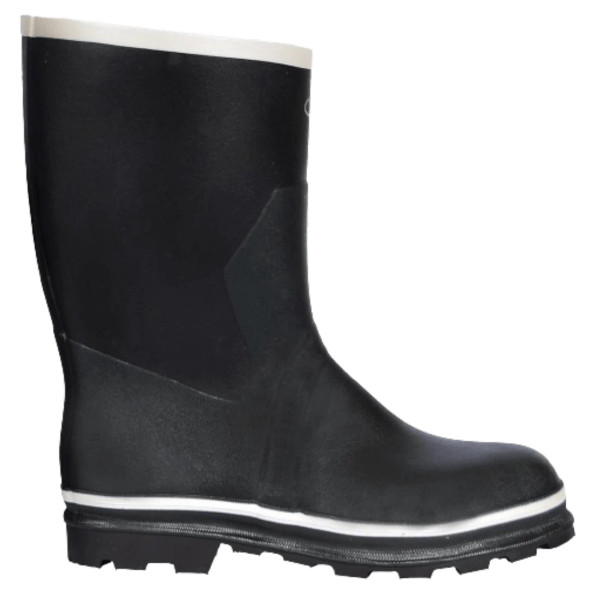
- SBR blended NR 10″ boots with polyester lining
- 100% Waterproof
- Slip-resistant 100% Natural Rubber outsole
- Removable orthopedic-designed insole
- Unisex fit
- Non-marking sole
- Size: 3-13
Product Highlights
- Boat crews
- Leisure boaters
- Deckhands
- Dock workers
More Info
Waterproof Marine Boots for Wet Deck Work
The Viking Mariner Kadett Boots by Viking are waterproof boots designed for marine environments and waterfront work. Boat crews, dock workers, and deckhands typically use this footwear to support traction and comfort during wet shifts. These waterproof boots feature a 10-inch profile, a slip-resistant outsole, and a removable insole for everyday wear.
Industry Applications and Professional Use
Transportation and Marine Work Environments
Boat crews and dock workers typically use marine boots when they move across wet decks, ramps, and loading areas. The slip-resistant outsole and non-marking sole help support steady footing in busy waterfront settings. This footwear suits routine marine operations where workers need durable design and waterproof workwear.
Construction and Waterfront Maintenance
Construction crews and maintenance technicians often work in damp outdoor zones around docks, piers, and harbor structures. These work boots provide coverage that supports daily-use tasks in weather-dependent conditions. Workers commonly choose waterproof boots with a traction outsole for tasks that involve frequent contact with water and slick surfaces.
Warehousing and Dock Operations
Warehouse teams and dock staff may use deck footwear when operations extend into loading bays and exposed marine-adjacent areas. The non-marking sole helps reduce scuffing on finished surfaces, while the slip-resistant outsole supports footing in wet transitions. This makes the boots practical for mixed indoor-outdoor work.
Municipal Services and Harbor Work
Municipal crews working near harbors, waterfront facilities, and service points often need rubber footwear with tall coverage. The polyester lining and unisex footwear fit support broad use across teams. These marine safety footwear options align well with extended-duty wear in changing conditions.
Oil and Gas and Emergency Services
Some oil and gas crews and emergency responders work around water, mud, and unpredictable ground conditions. The rugged build and waterproof workwear profile help support field use during weather-dependent assignments. Workers often value the comfort-focused insole when duties continue for long shifts.
Technical Specifications and Product Features
Understanding Product Standards
Product specifications matter because marine boots must handle wet surfaces, long shifts, and varied footing. The Viking Mariner Kadett Boots combine SBR blended NR construction, a polyester lining, and a removable orthopedic-designed insole for comfort and function. These features support reliable use in marine boots applications.
| Specification | What It Means | Practical Benefit |
|---|---|---|
| 100% Waterproof | Built to resist water exposure during marine and waterfront work | Helps keep feet dry in wet deck use and harbor work |
| Slip-Resistant Natural Rubber Outsole | Outsole designed for traction on slick surfaces | Supports steadier footing on wet decks and loading areas |
| Removable Orthopedic-Designed Insole | Insole can be removed and replaced as needed | Improves comfort options for longer wear periods |
| Non-Marking Sole | Sole material helps reduce visible marks on floors | Works well in boats, docks, and finished indoor surfaces |
Use Case Scenarios and Applications
Wet Deck Conditions
Workers commonly wear these waterproof boots when moving across wet deck surfaces or handling lines and equipment in marine environments. The slip-resistant outsole supports traction in conditions where water and spray often create slick footing. The tall boot profile adds practical coverage for everyday boat crew footwear.
Loading and Dockside Tasks
Dock workers often need footwear that handles constant movement between ramps, platforms, and boats. The non-marking sole suits controlled surfaces, while the waterproof construction supports repeated contact with moisture. These rubber footwear features fit routine dock work and harbor tasks.
Leisure Boating and General Deck Duty
Leisure boaters and deckhands often want comfortable footwear that still suits active use. The removable insole and unisex fit support longer wear and broader sizing needs. This makes the boots practical for casual marine use as well as regular deck duty.
Harbor and Waterfront Maintenance
Maintenance crews typically use this kind of marine boots when they work around hoses, washdown areas, and exposed waterfront surfaces. The polyester lining and waterproof design support wet conditions per manufacturer instructions. Workers often value the durable design during frequent outdoor use.
Ideal Applications and Work Environments
Where This Product Category Excels
- Boat and marine operations: Waterproof boots and traction outsole support wet deck use and routine crew movement.
- Dock work and loading zones: Non-marking sole construction suits boat surfaces and managed flooring.
- Harbor maintenance: Tall coverage and polyester lining help with sustained waterfront tasks.
- Leisure boating: Comfort-focused insole support makes the boots practical for extended time on deck.
Professional Applications
Workers Who Rely on This Equipment
- Boat crews: Wear these marine safety footwear options for routine movement and wet deck use.
- Deck workers: Use them for traction, comfort, and coverage during active shifts.
- Dock workers: Rely on the non-marking sole and slip-resistant outsole in loading areas.
- Maintenance technicians: Choose them for waterfront service work and weather-dependent tasks.
- Safety coordinators: Often specify them for teams that need waterproof workwear near water.
Complete Safety Equipment Solutions
Complementary Safety Gear
These waterproof boots work alongside other equipment for more complete workplace readiness. Teams often combine marine boots with layered PPE so workers can match footing, visibility, hand protection, and hearing protection to the task. All Safety commonly supports these integrated setups for marine and waterfront crews.
Recommended Equipment Combinations
- Boat deck operations: Waterproof boots + slip-resistant overshoes + hi-viz vests + hearing protection
- Dockside loading: Waterproof boots + waterproof gloves + hi-viz vests
- Harbor maintenance: Waterproof boots + waterproof gloves + hearing protection
Selection Guide and Product Suitability
When to Choose This Product
Choose these boots when you work in wet marine environments and need steady footing on slick surfaces. They also suit dockside tasks where a non-marking sole matters. The removable insole adds comfort for workers who spend extended hours on their feet.
Key Evaluation Factors
- Water exposure level in the work area
- Need for traction on wet decks or ramps
- Surface sensitivity for non-marking soles
- Comfort needs for full-shift wear
Limitations and Alternative Considerations
These boots are not suitable for tasks that require specialized protective footwear beyond marine and waterfront use. Workers needing different chemical, electrical, or puncture-specific performance should consider another safety footwear category. Available from All Safety with standard, expedited, or overnight shipping to suit project timelines.
Daily Use and Maintenance
Workplace Integration
Workers typically wear these boots when they enter wet docks, boats, or harbor areas and remove them after the shift ends. Use them per manufacturer instructions for pull-on wear and fit. In wet marine settings, crews often keep them ready near the work zone for quick changes.
Care and Replacement Guidelines
Inspect the outsole, seams, and boot material regularly, especially after heavy use. Manufacturers typically recommend rinsing and wiping the boots with mild soap and water, then storing them in a cool, dry place away from direct sunlight. Replace the boots or insole per manufacturer instructions when tread wear or material degradation becomes noticeable.
Related Products
Related Products


Viking "Mariner" Yacht Boots | Viking
Viking Workwear


Viking Journeyman Boots | Viking
Viking Workwear


Viking Timberwolf Boots | Viking
Viking Workwear


Viking Ultimate Construction Boots | Viking
Viking Workwear

Viking Evolution ComfortLite Boots | Viking
Viking Workwear