Atlas Workwear
FR Coveralls HRC2 | FR/AR Protection | Atlas Workwear
- SKU:
- 1072RD/1072RB/1072OR/1072NB/1072GR/1072GN/1072BLK
Description
UL Certified to NFPA 2112
Dual Hazard FR/AR Protection
Pre-shrunk 8oz 88% Cotton & 12% Nylon
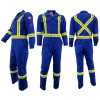
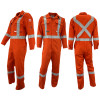
Atlas Ultravis® High Quality 2″ or 4″ Industrial Washable Reflective Stripes
Guaranteed Flame Resistance for Life of Garment
Two-Way FR Breakaway Brass Zippers
8 Pockets, 3 Mic Loops
More Info
FR/AR Coveralls for Hazardous Industrial Work
The FR Coveralls HRC2 are a protective clothing option designed for full-body coverage in hazardous industrial work. Welders, electricians, and maintenance technicians typically use this flame-resistant workwear to support daily tasks in heat-exposed environments. This UL Certified to NFPA 2112 coverall features dual hazard FR/AR protection and industrial washable reflective stripes for added visibility.
Industry Applications and Professional Use
Oil & Gas Work Environments
Field crews typically wear FR coveralls during routine inspections, equipment checks, and maintenance tasks around hot work areas. In oil and gas facilities, workers often move between low-light zones, active equipment, and outdoor exposure. Dual hazard FR/AR protection and reflective workwear details support day-to-day use in hazardous environments.
Construction Sites
Construction supervisors and skilled trades commonly choose flame-resistant coveralls when crews work near welding, cutting, or electrical hazards. Full garment coverage helps workers stay organized across changing site conditions. The durable flame-resistant workwear design supports demanding tasks while maintaining mobility.
Utilities and Electrical Maintenance
Utility technicians and electricians typically use arc rated clothing for maintenance work, troubleshooting, and service calls. The UL Certified to NFPA 2112 rating supports selection for teams that need compliant industrial workwear. Breakaway brass zippers and workwear pockets add practical value during long shifts.
Manufacturing Plants
Plant personnel often rely on FR workwear for machine operation, repair work, and controlled hot work activities. The 88 cotton and 12 nylon fabric blend offers a balance of comfort and durability for repeated use. High visibility striping also helps workers stay visible in busy production areas.
Transportation and Mining Operations
Operators and site leads commonly use protective coveralls when they work around heavy equipment, variable weather, or low-visibility conditions. The red industrial FR clothing style and reflective striping support visibility in active environments. All Safety offers this type of coverall for teams that need dependable garment coverage on shift.
Technical Specifications and Product Features
Understanding Product Standards
Specifications matter because they help teams match flame-resistant apparel to the job, the hazard, and the wear cycle. UL Certified to NFPA 2112 indicates a recognized standard for FR workwear selection, while the dual hazard FR/AR protection supports broader industrial use. Features like breakaway brass zippers and industrial washable reflective stripes add practical function.
| Specification | What It Means | Practical Benefit |
|---|---|---|
| UL Certified to NFPA 2112 | Meets a recognized standard for flame-resistant coveralls | Supports compliant selection for hazardous work |
| Dual Hazard FR/AR Protection | Combines flame resistant apparel and arc rated clothing features | Helps crews use one protective coverall across multiple tasks |
| 88% cotton / 12% nylon, pre-shrunk 8 oz | Fabric blend designed for comfort and durability | Provides dependable industrial workwear performance through repeated wear |
| Atlas Ultravis® 2" or 4" reflective stripes | High visibility striping for work in lower-light conditions | Improves visibility during outdoor and site-based work |
Use Case Scenarios and Applications
Welding and Fabrication
Welders commonly wear FR coveralls when they work around sparks, radiant heat, and fabrication equipment. The protective coverall design offers full-body garment coverage and easy movement for active shop work. Breakaway brass zippers and pocket storage add convenience during repetitive tasks.
Electrical Maintenance
Electricians often need flame-resistant coveralls for inspection work, shutdowns, and service tasks around energized systems. The UL Certified to NFPA 2112 specification supports professional selection for hazardous environments. Teams value the dual hazard FR/AR protection when they move between maintenance duties.
Oil and Gas Field Work
Crews in oil and gas settings commonly use reflective workwear with FR protection for outdoor operations and low-light access areas. The industrial washable reflective stripes help maintain high visibility during repeated use. The coverall style supports daily-use performance in rugged conditions.
Utility and Plant Maintenance
Maintenance teams often choose industrial safety coveralls HRC2 when they need organized storage and full-body coverage. The 8 pockets and 3 Mic loops help workers carry tools and small accessories. This makes the garment useful for extended shifts and task changes.
Ideal Applications and Work Environments
Where This Protective Coverall Excels
- Welding shops: Dual hazard FR/AR protection and durable flame-resistant workwear support fabrication tasks.
- Electrical maintenance areas: UL Certified to NFPA 2112 helps teams select appropriate FR workwear for field service.
- Oil and gas sites: Reflective workwear and industrial washable reflective stripes support visibility in low-light conditions.
- Manufacturing plants: The protective coverall design works well for daily-use industrial workwear needs.
- Utility yards: Workwear pockets and Mic loops support tool access during maintenance rounds.
Professional Applications
Workers Who Rely on This Equipment
- Welders: Wear flame-resistant coveralls for fabrication and hot work tasks.
- Electricians: Use arc rated clothing for maintenance and troubleshooting work.
- Maintenance technicians: Rely on industrial workwear with pocket storage for daily repairs.
- Site supervisors: Choose reflective workwear for visibility and practical coverage.
- Equipment operators: Use FR workwear in hazardous environments and active work zones.
- Safety coordinators: Specify protective clothing that aligns with site requirements and task demands.
Complete Safety Equipment Solutions
Complementary Safety Gear
FR coveralls work alongside other equipment for a more complete safety system. Workers often pair them with layers that match the task, the environment, and the site rules. This approach helps teams build consistent industrial safety habits during routine and high-risk work.
Recommended Equipment Combinations
- Welding and fabrication: FR coveralls + hard hats + gloves + safety glasses
- Electrical maintenance: FR coveralls + safety glasses + gloves
- Outdoor plant work: FR coveralls + hard hats + hearing protection
Selection Guide and Product Suitability
When to Choose This Product
Choose these flame-resistant coveralls when workers need full-body protection for hot work or routine hazardous tasks. They also suit teams that need dual hazard FR/AR protection for mixed industrial duties. The reflective striping and pocket layout add practical value for active shifts.
Key Evaluation Factors
- Confirm the required UL Certified to NFPA 2112 standard for your site.
- Check whether dual hazard FR/AR protection matches the task.
- Review pocket storage, Mic loops, and zipper design for daily use.
- Assess whether high visibility striping fits your work environment.
Limitations and Alternative Considerations
This product is not suitable for jobs that require protection beyond standard flame-resistant apparel requirements. Some specialized tasks may call for a different arc rated clothing system or other protective clothing category. Available from All Safety with standard, expedited, or overnight shipping to suit project timelines.
Daily Use and Maintenance
Workplace Integration
Workers typically wear these coveralls during daily industrial work, especially when tasks involve heat exposure or hazardous environments. They generally wear the garment per manufacturer instructions and check the fit before starting a shift. In construction sites, oil and gas facilities, utility yards, and manufacturing plants, crews often rely on the coverall as part of their standard FR workwear.
Care and Replacement Guidelines
Inspect seams, zippers, reflective striping, and fabric condition regularly per manufacturer instructions. Manufacturers typically recommend laundering the garment per specifications to help maintain FR properties. Replace the coverall when wear, damage, or contamination affects performance, and store it in a clean, dry area away from heat, oils, and chemicals.