
Atlas Workwear
FR Hardhat Liner | FR/AR Protection | Atlas Workwear

- SKU:
- 900


Description
UL Certified to NFPA 2112
Dual Hazard FR/AR Protection
These garments meet the requirements of NFPA 2112, NFPA 70E, ASTM F1506, CAN/CGSB 155.20, CSA Z462, EN ISO 11611 Class 1
900OR, 900RB, 900RD, 900NB:
Shell 8oz. 88% Cotton 12% Nylon
Insulation 8oz. FR Modacrylic Fleece
Lining 7oz. 100% Cotton
Neck Guard 7oz Knitted 100% Cotton
Comes with Removable Face Cover
More Info
FR Hardhat Liner for Hazardous Work and Cold Conditions
The FR hardhat liner is a protective liner designed for hazardous work under a hardhat and for added warmth in cooler conditions. Electricians, welders, and utility workers typically use this flame-resistant liner to support head and neck coverage during daily tasks. This is UL Certified to NFPA 2112 equipment and includes FR/AR Protection for demanding industrial PPE needs.
Industry Applications and Professional Use
Construction Work Environments
Construction crews commonly wear this hardhat underliner when they work around energy hazards, changing weather, and mixed jobsite conditions. It fits into routine headwear accessory setups for workers who need thermal comfort and layered workplace safety. The removable face cover adds flexibility when crews move between outdoor and sheltered areas.
Utilities and Field Service
Utility workers often rely on an arc-rated hardhat liner during line servicing, maintenance, and inspections. These environments can expose workers to cold air, wind, and electrical tasks, so the cotton shell and modacrylic fleece help support comfort under a hardhat. All Safety customers often choose layered headwear for consistent use through long shifts.
Oil & Gas Operations
Oil and gas teams typically use flame-resistant liners in hazardous conditions where FR apparel and head coverage matter. Workers may move between rigs, processing areas, and service routes, so a protective liner with a neck guard helps support practical coverage. This style suits daily use in facilities with mixed hazard exposure.
Manufacturing Facilities
Manufacturing personnel often wear FR hardhat liner products when they work near heat, sparks, or electrical exposure. Shift work and indoor environments can create comfort needs, and the insulated construction helps address thermal comfort without adding bulk. Supervisors and safety teams commonly select compliant gear for workplace safety programs.
Mining and Transportation
Mining and transportation workers frequently need workwear liner options that perform in rugged, weather-dependent conditions. The neck guard and face cover support headwear accessory needs during outdoor travel, loading, and service work. These environments benefit from gear that supports both hazard awareness and comfort.
Technical Specifications and Product Features
Understanding Product Standards
Specifications matter because a protective liner must fit under a hardhat while supporting FR/AR Protection and comfort. This product includes materials selected for hazardous conditions and follows recognized industry standards. The certification set helps align the liner with common industrial PPE expectations.
| Specification | What It Means | Practical Benefit |
|---|---|---|
| NFPA 2112 | Certified for flame-resistant apparel performance | Supports use in FR programs for hazardous workwear |
| NFPA 70E, CSA Z462 | Aligned with electrical safety guidance | Fits arc-rated work environments and electrical maintenance |
| 8 oz. 88 cotton / 12 nylon shell | Durable outer fabric blend | Supports comfort, wear resistance, and daily use |
| Removable face cover | Adjustable coverage feature | Lets users adapt the liner to changing conditions |
Use Case Scenarios and Applications
Electrical Maintenance and Arc-Rated Work
Electricians commonly wear this arc-rated hardhat liner during maintenance tasks and energized work planning. The FR/AR Protection supports head and neck coverage under a hardhat without adding unnecessary bulk. Users often appreciate the removable face cover when conditions change during a shift.
Welding and Fabrication Tasks
Welders commonly use a flame-resistant liner when they work around sparks, heat, and fabrication activity. The cotton shell and FR modacrylic fleece insulation help support comfort in demanding shop environments. The design also works well with a hardhat in mixed-task facilities.
Cold Weather Utility Service
Utility crews often need an FR hardhat liner during seasonal work and outdoor service calls. The insulated build adds warmth while the neck guard supports coverage in wind and cold air. Workers generally wear it throughout a full workday when weather shifts quickly.
Industrial Site Supervision
Site supervisors and safety personnel often choose a protective liner when they move across active hazardous areas. The liner supports practical headwear accessory use in environments where workers need visible, compliant, and comfortable gear. It fits routine oversight tasks without slowing movement.
Ideal Applications and Work Environments
Where This Hardhat Liner Excels
- Electrical maintenance: FR/AR Protection and arc-rated construction support hazardous electrical work.
- Welding areas: Flame-resistant materials suit spark-prone fabrication tasks.
- Utility line servicing: Insulation and neck guard help in cold-weather field conditions.
- Construction sites: The hardhat underliner fits daily use in changing jobsite environments.
- Industrial supervision: Mixed-hazard workplaces benefit from compliant, adaptable headwear.
Professional Applications
Workers Who Rely on This Equipment
- Electricians: Wear it under a hardhat during arc-rated maintenance and service work.
- Welders: Use it for flame-resistant head coverage in fabrication settings.
- Maintenance technicians: Rely on it for daily industrial PPE use in hazardous areas.
- Utility workers: Choose it for cold-weather field work and layered protection.
- Site supervisors: Wear it during site walks and oversight in mixed-hazard environments.
- Safety coordinators: Select it for compliant headwear programs across active worksites.
Complete Safety Equipment Solutions
Complementary Safety Gear
This FR hardhat liner works alongside other equipment for a more complete safety setup. Workers commonly pair headwear accessories with eye, ear, and hand protection because layered gear supports practical workplace safety. For many crews, a coordinated PPE system helps teams stay ready for changing conditions.
Recommended Equipment Combinations
- Electrical maintenance: FR hardhat liner + hard hat + safety glasses + gloves
- Welding tasks: FR hardhat liner + hard hat + safety glasses
- Cold-weather field service: FR hardhat liner + hard hat + hearing protection + gloves
Selection Guide and Product Suitability
When to Choose This Product
Choose this flame-resistant liner when workers need head and neck coverage under a hardhat in hazardous conditions. It also performs well when teams work in cooler weather and need thermal comfort without losing mobility. The removable face cover adds practical value for mixed indoor and outdoor shifts.
Key Evaluation Factors
- Verify the required FR/AR standards for the jobsite.
- Check hardhat compatibility and fit under existing headgear.
- Review insulation needs for seasonal weather exposure.
- Confirm whether face cover flexibility matches the task.
Limitations and Alternative Considerations
This product is not suitable for workers who need specialized face, eye, or full head protection beyond a liner. Teams may need a different head protection category or additional PPE for those requirements. Available from All Safety with standard, expedited, or overnight shipping to suit project timelines.
Daily Use and Maintenance
Workplace Integration
Workers typically wear the liner under a hardhat when they enter hazardous work areas or cooler outdoor sites. Use the removable face cover as needed per manufacturer instructions for the task and weather conditions. This setup commonly fits industrial sites, utility jobs, and welding areas.
Care and Replacement Guidelines
Inspect the liner for fabric wear, damage, and fit before use, following manufacturer guidelines. Clean it per manufacturer instructions and fabric care specifications to support long-term use. Replace it when it becomes damaged, contaminated, or no longer fits properly, and store it in a clean, dry area away from excessive heat and contamination.
Related Products
Related Products

FR Toque | FR/AR Protection | Atlas Workwear
Atlas Workwear

FR Beanie | FR/AR Protection | Atlas Workwear
Atlas Workwear

FR Balaclava | FR/AR Protection | Atlas Workwear
Atlas Workwear

FR Trousers HRC2 | FR/AR Protection | Atlas Workwear
Atlas Workwear

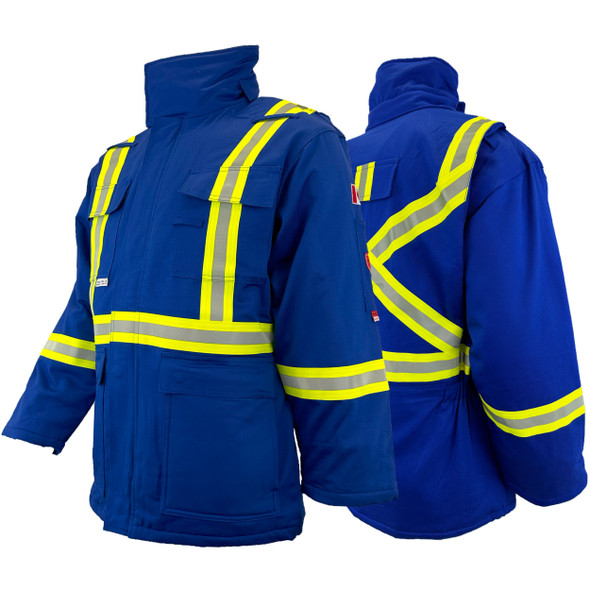
FR Parkas HRC4 | FR/AR Protection | Atlas Workwear
Atlas Workwear