
Draeger
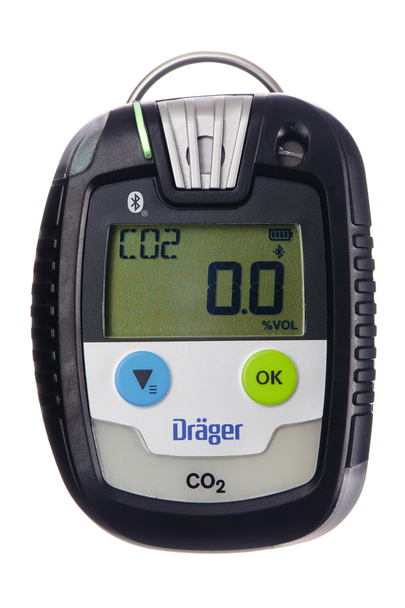
Portable Single Gas Detector - Pac 8000 | Draeger
- SKU:
- VN00667/VN00668/VN00669/VN00670/VN00671/VN00672/VN00673/VN00674/VN00675/VN00676


Description
The Dräger Pac 8000 is a robust and highly reliable single-gas detector, designed for personal protection in hazardous environments. This portable gas detector is particularly useful for detecting gases such as carbon monoxide (CO), hydrogen sulfide (H2S), oxygen (O2), and sulfur dioxide (SO2), among others. It is widely used in industries such as oil and gas, mining, manufacturing, and construction, where exposure to harmful gases is a concern.
Available Variants
- CO2 w/BT: VN00667
- Cl2 w/BT: VN00668
- HCN w/BT: VN00669
- NH3 w/BT: VN00670
- PH3 w/BT: VN00671
- OV: VN00672
- OV-A w/BT: VN00673
- NO2 w/BT: VN00674
- O3 w/BT: VN00675
- Phosgene w/BT: VN00676
Key Features:
-
Compact and Durable Design: The Pac 8000 is lightweight and compact, making it easy to carry around, yet rugged enough to withstand tough industrial environments. The housing is made from high-quality materials that are resistant to harsh conditions and physical damage.
-
Fast Response Time: It provides quick detection and alerts, ensuring that users are promptly warned in the event of hazardous gas exposure.
-
Long Battery Life: The device boasts a long-lasting battery, offering up to 3 years of continuous operation, which reduces the need for frequent recharging or battery replacements.
-
Clear Visual and Audible Alarms: Equipped with a bright LED display and loud, distinct alarms, the Pac 8000 ensures that users are immediately alerted when gas concentrations reach hazardous levels.
-
Simple to Use: The device features an intuitive interface, allowing easy operation with minimal training required. The large display is readable even in low-light conditions.
-
Durability: The Pac 8000 has been designed to meet stringent industry standards, with resistance to water, dust, and shock. It is built to endure in challenging environments where other detectors might fail.
-
Versatile Calibration Options: It offers easy-to-perform calibration and self-testing options, ensuring that the device is always functioning optimally.
-
Compliance: The Pac 8000 complies with international safety standards, ensuring that it meets the rigorous requirements of workplace safety regulations.
-
Maintenance-Free: The device is designed to require minimal maintenance over its lifespan, saving time and operational costs.
Applications:
-
Oil & Gas: Protect workers in environments where gas leaks are a constant concern.
-
Construction & Mining: Ensure safety when working with potential gas exposures in confined spaces.
-
Chemical & Pharmaceutical Industries: Detect harmful gases like hydrogen sulfide and ensure safe working conditions.
-
Wastewater Treatment Plants: Monitor for dangerous gases such as hydrogen sulfide.
More Info
Portable Single Gas Detector for Hazardous Gas Monitoring
The Pac 8000 is a portable single-gas detector designed for personal monitoring in hazardous gas environments. Safety coordinators, maintenance technicians, and confined space entry attendants typically use this gas monitor to track gas exposure and respond to alarm conditions quickly. This portable single-gas detector features a rugged housing, LED display, and audible alarms for workplace monitoring.
Industry Applications and Professional Use
Oil & Gas Work Environments
Workers in oil and gas often carry this personal gas detector during routine exposure checks and task-based monitoring. Crews commonly rely on it around process equipment, tanks, and service areas where hazardous gases may accumulate. The gas detection support helps teams monitor changing conditions during field work.
Mining Sites
Mining teams typically use portable gas detection equipment in active and support areas where air quality can change quickly. Supervisors and operators often need a rugged detector that performs in harsh conditions and supports confined space monitoring. The audible alarm and visual alarm functions help workers notice exposure risks promptly.
Construction and Utilities
Construction crews and utility workers commonly use this gas monitor during confined space entry checks and maintenance tasks. Workers often move between indoor and outdoor locations, so a compact detector with a bright LED display supports flexible use. It fits common industrial safety routines without adding unnecessary complexity.
Manufacturing and Chemical Processing
Maintenance staff in manufacturing and chemical processing plants typically use a portable detector for workplace monitoring near process lines and service points. The device helps teams track hazardous gases during inspections, shutdowns, and repair work. Its simple operation supports consistent use across varied shift schedules.
Wastewater Treatment Facilities
Facility crews commonly depend on gas monitors when they enter channels, pits, or maintenance zones where gas exposure can occur. This unit supports hazardous atmosphere checks in areas where hydrogen sulfide and similar gases may be present. It provides practical value for daily-use and occasional-use tasks alike.
Technical Specifications and Product Features
Understanding Portable Gas Detector Features
Single gas detectors matter because workers need focused monitoring for one hazard at a time. The Pac 8000 combines a compact design with rugged housing, fast response time, and self-testing functions for practical industrial safety use. These features support dependable gas detection in demanding workplaces.
| Specification | What It Means | Practical Benefit |
|---|---|---|
| Portable single-gas detector | Monitors one target gas at a time | Supports focused workplace monitoring for specific hazards |
| LED display | Shows readings clearly on the unit | Helps workers interpret conditions quickly in low-light areas |
| Audible alarms | Sounds alerts when gas levels require attention | Helps workers respond promptly to hazardous gases |
| Rugged housing | Resists water, dust, and shock | Supports use in rough industrial environments |
Use Case Scenarios and Applications
Confined Space Entry Monitoring
Crews commonly use this portable detector before and during confined space entry checks. Workers wear it on the person so they can monitor hazardous atmosphere conditions as tasks progress. The audible alarm and LED display support quick awareness in tight work areas.
Routine Exposure Checks
Maintenance teams often carry the unit during daily inspections and service calls. The compact form makes it practical for shift-long use, and the rugged housing suits active work zones. This helps crews keep gas detection in place without slowing the job.
Outdoor Field Operations
Oil and gas crews and utility technicians usually need portable monitoring while moving between sites. The detector’s durable build supports outdoor use in changing weather and jobsite conditions. Workers can rely on clear alarms and a readable LED display during task-based checks.
Maintenance Shutdowns and Repairs
Manufacturing and wastewater teams commonly use the unit during shutdowns, line work, and maintenance access points. The simple interface helps reduce setup time, while self-testing supports regular verification per manufacturer instructions. That combination supports efficient gas exposure monitoring.
Ideal Applications and Work Environments
Where This Portable Single Gas Detector Excels
- Confined space entry in construction or utilities: Compact monitoring and audible alarms support hazardous atmosphere checks.
- Oil and gas operations: Personal gas detector use helps workers track exposure during routine field tasks.
- Mining workspaces: Rugged housing and clear alerts suit harsh industrial conditions.
- Wastewater treatment plants: Commonly used where hydrogen sulfide monitoring matters during maintenance.
- Manufacturing and chemical processing areas: Simple operation supports regular workplace monitoring and gas detection.
Professional Applications
Workers Who Rely on This Equipment
- Safety coordinators: Track gas exposure programs and support site-wide industrial safety practices.
- Maintenance technicians: Carry the detector during inspections, repairs, and shutdown work.
- Site supervisors: Use it to support hazard checks before work starts.
- Confined space entry attendants: Monitor conditions at entries and alert crews to gas alarms.
- Equipment operators: Wear it during regular tasks in hazardous atmosphere areas.
Complete Safety Equipment Solutions
Complementary Safety Gear
The portable single-gas detector works alongside other equipment for a more complete workplace safety setup. Teams often combine gas detection with respirators, hearing protection, safety glasses, and gloves to support layered protection. All Safety commonly supplies these items together for coordinated industrial safety programs.
Recommended Equipment Combinations
- Confined space work: Portable single-gas detector + respirators + gloves + safety glasses
- High-noise industrial tasks: Portable single-gas detector + hearing protection + safety glasses
- General maintenance monitoring: Portable single-gas detector + gloves + respirators
Selection Guide and Product Suitability
When to Choose This Product
Choose this gas monitor when you need portable gas detection for one target gas during routine checks. It also works well for confined space monitoring, field inspections, and daily-use exposure tracking. The compact design and clear alarm functions add value when workers need simple, dependable monitoring.
Key Evaluation Factors
- Target gas and site hazard profile
- Need for audible alarm and visual alarm alerts
- Work duration and battery life requirements
- Rugged housing needs for indoor or outdoor use
Limitations and Alternative Considerations
This unit is not suitable for users who need simultaneous multi-gas monitoring. In those cases, a multi-gas detector may fit better. It may also be less suitable when workers need advanced integrated monitoring features. Available from All Safety with standard, expedited, or overnight shipping to suit project timelines.
Daily Use and Maintenance
Workplace Integration
Workers typically carry the detector when they enter hazardous areas or begin routine gas exposure monitoring. They should use it per manufacturer instructions for calibration, testing, and alarm response. In many sites, crews keep it on the person throughout the shift for continuous workplace monitoring.
Care and Replacement Guidelines
Users should follow manufacturer guidelines for inspection, bump checks, and visual checks before use. Cleaning usually involves the exterior and LED display with approved methods per specifications. Replacement of sensors, batteries, or the unit should follow manufacturer instructions and end-of-life indicators.
Related Products
Related Products


Portable Single Gas Detector - Pac 8500 With Bluetooth | Draeger
Draeger


Single Gas Detector - Pac 6000 | Draeger
Draeger


Single Gas Detector - Pac 6500 | Draeger
Draeger


Pac 8000 | Draeger
Draeger

Pac 8000 HCN | Draeger
Draeger