




Description
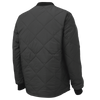
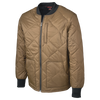
Ideal for keeping those who work in cold storage warehouses and freezers warm and comfortable, this jacket's versatile design allows you to pair it with a hoodie, layer it with a vest, or wear it solo.
SHELL: 100% nylon with durable water-repellent finish
LINING: 100% polyester quilted to 4 oz. PrimaLoft® insulation
FEATURES:
YKK® zipper front closure
Upper zippered welt pocket
2 lower patch pockets
Rib-knit collar and cuffs
100% post-consumer recycled insulation
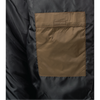
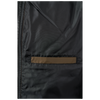
Lining pockets, including media pocket
Embroidery access zipper
Variants:
Black: WJ161-BLACK(S-2XL),WJ162-BLACK(3XL)
Timber: WJ161-TIMB(S-2XL),WJ162-TIMB(3XL)
More Info
Quilted Insulated Jacket for Cold Work
The Tough Duck quilted jacket is a work jacket designed for cold storage warehouses, freezers, and other cool work environments. Warehouse workers, maintenance technicians, and delivery drivers commonly use this insulated jacket to stay comfortable during long shifts. It features a nylon shell with a durable water-repellent finish and PrimaLoft insulation for reliable layering comfort.
Industry Applications and Professional Use
Warehousing and Cold Storage
Warehouse workers typically wear this quilted jacket in cold storage warehouses and freezer rooms where indoor temperatures stay low. The quilted lining and rib-knit cuffs support comfortable movement during active tasks. This workwear outerwear helps teams manage seasonal and daily-use cold conditions.
Manufacturing Environments
Manufacturing staff often rely on insulated outerwear when they move between warmer production areas and cooler sections of a facility. The polyester lining and durable construction suit repeated wear during routine shifts. This jacket supports practical warehouse apparel needs without adding unnecessary bulk.
Transportation and Logistics
Delivery drivers and loading crews commonly use a thermal jacket when they work outdoors, around docks, or in unheated trailers. The water-repellent finish helps the jacket handle damp conditions during travel and loading tasks. Zippered pockets also help keep small items close at hand.
Utilities and Field Service
Utility workers and service crews often need insulated outerwear for cooler job sites and early-morning starts. This layer works well over a hoodie or base layer when the weather changes through the day. The design supports practical use in variable work settings.
Construction and Mining Support Work
Site supervisors and equipment operators commonly choose cold weather clothing that balances warmth and mobility. This quilted jacket supports layered wear during cooler shifts, especially when crews spend time outdoors or in unheated areas. All Safety customers often look for this type of work jacket for flexible site use.
Technical Specifications and Product Features
Understanding Product Standards
Specifications matter because insulated outerwear needs to balance warmth, durability, and everyday function. The nylon shell, quilted lining, and recycled insulation work together to create dependable workwear outerwear for active crews. These details help buyers compare a thermal jacket against other layering garment options.
| Specification | What It Means | Practical Benefit |
|---|---|---|
| 100% nylon shell | Durable outer fabric | Supports rugged daily use in work environments |
| Durable water-repellent finish | Helps shed light moisture | Useful for damp docks, loading areas, and outdoor tasks |
| 4 oz. PrimaLoft insulation | Lightweight insulated fill | Provides warmth without heavy bulk |
| YKK zipper front closure | Front closure hardware | Helps with easy on-and-off wear |
| Rib-knit collar and cuffs | Comfort-focused trim | Helps create a closer fit at key openings |
Use Case Scenarios and Applications
Cold Storage and Freezer Work
Teams working in cold storage warehouses often need insulated clothing that layers easily over base garments. This quilted jacket fits that need with a water-repellent finish and warm quilted lining. Workers can wear it during full shifts in freezers and chilled storage zones.
Seasonal Outdoor Loading
Loading crews often move between indoor and outdoor areas during cold weather. The lightweight build and zippered pockets help support active work while reducing the feel of bulky outerwear. The jacket works well when temperatures change through the day.
Cool Indoor Maintenance
Maintenance technicians often work in cooler rooms, mechanical spaces, and back-of-house areas. This insulated jacket gives them a practical layer that pairs with hoodies, vests, or base layers. The design supports comfort during routine repairs and inspections.
Daily Workwear Use
Workers who need a dependable winter layering garment often choose quilted insulated outerwear for repeat use. The durable construction and embroidery access zipper suit frequent wear in professional settings. This makes it a practical cold weather work layer for many job types.
Ideal Applications and Work Environments
Where This Work Jacket Excels
- Cold storage warehouses: The insulated jacket supports warmth in low-temperature storage areas.
- Freezer rooms: Rib-knit cuffs and collar help create a more comfortable fit in chilled spaces.
- Outdoor transportation tasks: The water-repellent finish helps with damp or changing weather conditions.
- Manufacturing and maintenance work: Durable construction and pocket storage support daily task movement.
Professional Applications
Workers Who Rely on This Equipment
- Warehouse workers: Use it during cold shifts in storage and picking areas.
- Maintenance technicians: Wear it for cooler indoor service and repair tasks.
- Delivery drivers: Use it when moving between trucks, docks, and outdoor stops.
- Site supervisors: Rely on it for layered comfort during site visits and inspections.
- Equipment operators: Wear it in unheated areas or during early shifts.
- Safety coordinators: Choose it for practical cold-weather oversight work.
Complete Safety Equipment Solutions
Complementary Safety Gear
This insulated jacket works alongside other cold-weather workwear for a more complete clothing system. Workers often layer with hoodies, insulated vests, gloves, and thermal base layers to manage changing temperatures. Layered clothing helps crews adjust to indoor and outdoor transitions without changing their whole outfit.
Recommended Equipment Combinations
- Cold storage shift: Quilted jacket + thermal base layer + gloves + insulated vest
- Outdoor loading work: Quilted jacket + hoodie + gloves
- Cool indoor maintenance: Quilted jacket + base layer + insulated vest
Selection Guide and Product Suitability
When to Choose This Product
Choose this jacket when your crew works in cold storage warehouses or freezers and needs a warm layering garment. It also performs well for delivery drivers and loading teams who move between indoor and outdoor areas. The durable construction and zippered pockets add practical value for daily-use workwear.
Key Evaluation Factors
- Layering room for hoodies, vests, or base layers
- Need for a water-repellent finish in damp conditions
- Warmth level needed for cold weather clothing tasks
- Pocket storage and embroidery access for workwear use
Limitations and Alternative Considerations
This jacket is not suitable for high-visibility requirements or specialized hazard-rated outerwear needs. For those jobs, crews may need a hi-vis jacket or other task-specific insulated outerwear. It may also feel too warm for mild weather or high-output work with constant movement. Available from All Safety with standard, expedited, or overnight shipping to suit project timelines.
Daily Use and Maintenance
Workplace Integration
Workers typically wear this jacket when temperatures drop or when they move into cooler indoor spaces. It generally fits over a hoodie, base layer, or vest per manufacturer instructions. The embroidery access zipper also supports team branding or uniform programs.
Care and Replacement Guidelines
Inspect zipper function, stitching, cuffs, and pocket wear regularly per manufacturer instructions. Clean the jacket according to the care label and manufacturer specifications so the water-repellent finish and insulation maintain their intended performance. Replace it when seams, closures, or insulation show significant wear, and store it in a clean, dry area away from heavy compression.
Related Products
Related Products
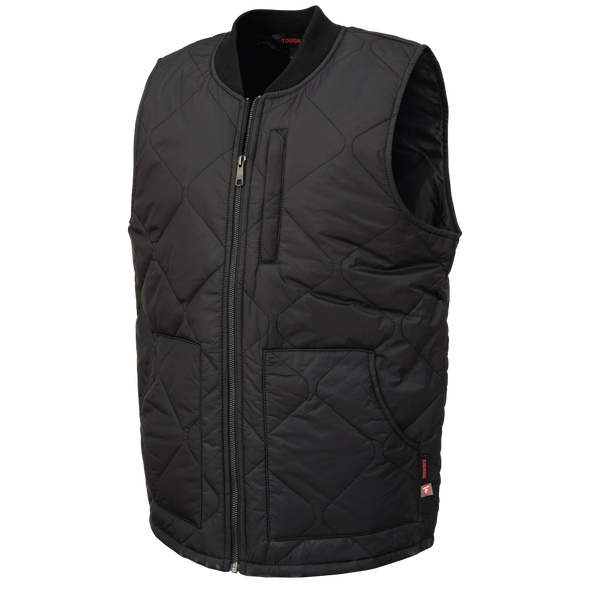
Quilted Vest | Tough Duck
Tough Duck

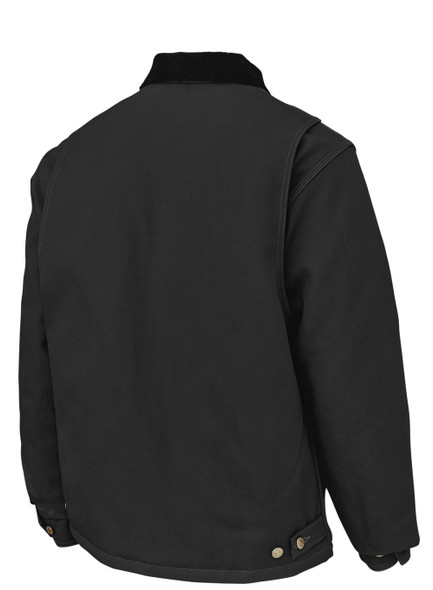
Duck Chore Jacket | Tough Duck
Tough Duck
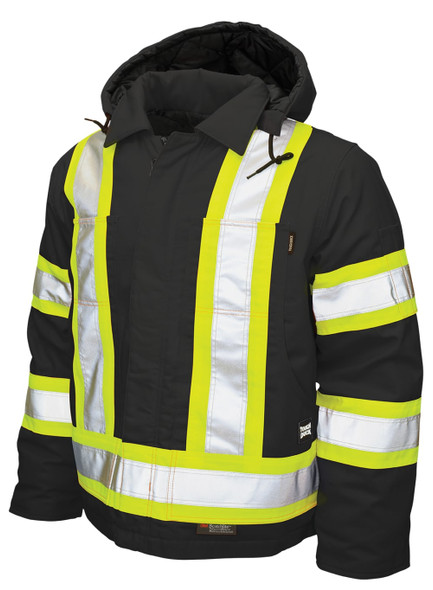

Duck Safety Jacket | Tough Duck
Tough Duck


Hooded Duck Bomber Jacket | Tough Duck
Tough Duck