


Description
Built to withstand cool temperatures, this vest provides essential warmth without restricting movement. Wear it alone or layer it over a hoodie for added insulation. Don't let the cold slow you down – stay warm and comfortable.
SHELL: 100% polyester
LINING: 100% polyester quilted to 4 oz. polyester insulation
FEATURES:
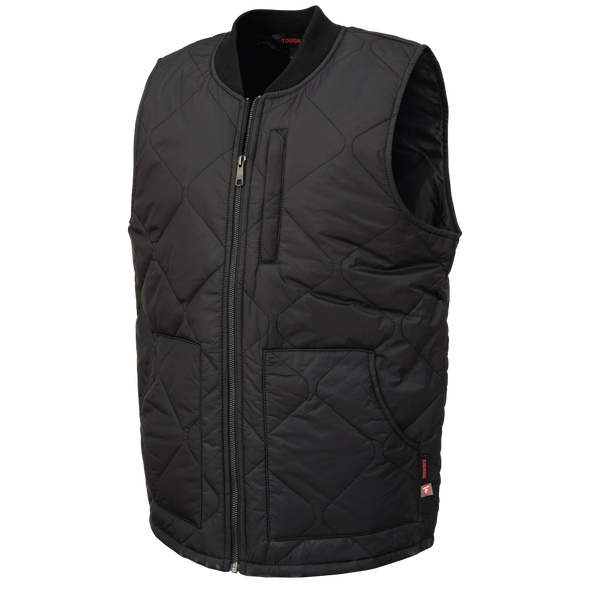
YKK® zipper front closure
2 lower patch pockets
Rib-knit collar
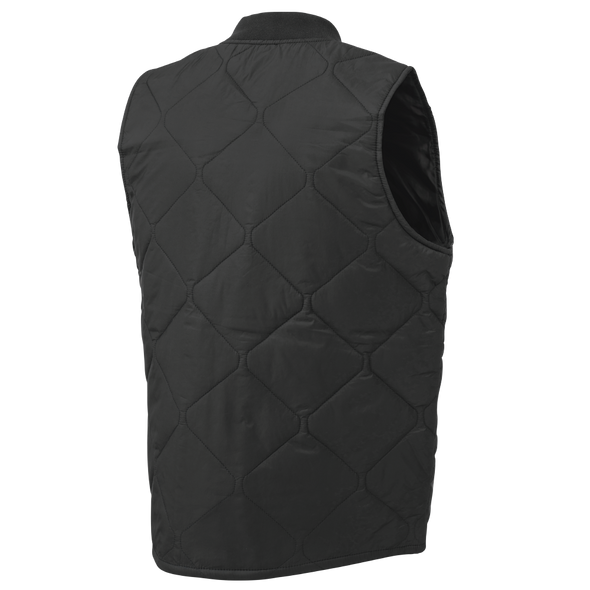
Diamond-quilt
Lining pockets, including media pocket
Embellishment Friendly
Variants:
Black: WV071-BLK(S-2XL),WV072-BLK(3XL-5XL)
More Info
Freezer Vest for Cold Storage and Winter Work
The Tough Duck freezer vest is an insulated vest designed for cold storage, outdoor labor, and other cool-weather work scenarios. Warehouse workers, maintenance technicians, and truck drivers typically use this cold weather freezer vest to stay warm while keeping their arms free for lifting, driving, and equipment handling. It features a polyester shell, quilted insulation, and a zip front vest design for practical layering.
Industry Applications and Professional Use
Warehousing Work Environments
Warehouse workers and material handlers commonly wear this thermal freezer vest in cold storage rooms and loading zones. The cold storage vest supports daily movement during picking, staging, and replenishment tasks. Its lightweight warmth helps crews manage low temperatures without adding bulky outerwear.
Transportation and Delivery Settings
Truck drivers and delivery staff typically use this work vest during winter routes, dock transfers, and early-morning departures. The quilted vest design works well when workers move between heated cabs and cold exterior environments. It also layers easily over other seasonal workwear.
Manufacturing Facilities
Manufacturing teams often rely on industrial outerwear like this insulated vest when workstations feel cool or drafty. Operators and support staff can maintain mobility while wearing thermal workwear on the floor. The vest helps workers stay comfortable during routine shifts and weather-dependent temperature changes.
Construction and Outdoor Labor
Construction supervisors and site crews commonly choose a freezer vest for cool temperatures on outdoor job sites. The polyester shell and polyester lining support wear in changing conditions, especially during seasonal workwear needs. Workers can layer the vest over a hoodie for added lightweight warmth.
Mining and Utilities
Equipment operators and maintenance technicians often use this insulated vest in field conditions where cold exposure and movement both matter. The patch pockets and media pocket support practical day-to-day use. All Safety customers working in rugged environments often value this balance of warmth and function.
Technical Specifications and Product Features
Understanding Product Standards
Specifications matter because a freezer vest must support warmth, mobility, and repeated work use. This model combines a polyester shell, polyester lining, and 4 oz. polyester insulation for lightweight warmth. The YKK zipper front closure, rib-knit collar, and diamond-quilt construction add practical value for everyday thermal workwear.
| Specification | What It Means | Practical Benefit |
|---|---|---|
| Polyester shell | Durable outer fabric | Supports regular industrial outerwear use |
| 4 oz. polyester insulation | Light insulation layer | Provides lightweight warmth without excess bulk |
| YKK zipper front closure | Front zip opening | Helps workers put on and remove the vest quickly |
| Rib-knit collar and patch pockets | Comfort details and storage | Improves comfort and keeps small items accessible |
Use Case Scenarios and Applications
Cold Storage and Refrigerated Areas
Workers in cold rooms typically need a thermal freezer vest that adds warmth without limiting reach. This vest supports lifting, sorting, and scanning tasks in refrigerated spaces. The insulated vest format helps workers stay mobile during long shifts.
Outdoor Loading Docks
Loading dock teams often wear a cold weather freezer vest over hoodies during frigid transfers. The layering garment design fits changing temperatures between indoors and outdoors. Workers can keep working without constant wardrobe adjustments.
Manufacturing and Logistics Workstations
Manufacturing and logistics crews commonly use this quilted vest when temperature control varies across the facility. The zip front vest layout makes it easy to wear during active movement. Patch pockets and a media pocket add convenience for routine tasks.
Winter Transportation and Field Work
Drivers, delivery workers, and outdoor labor crews often choose this insulated vest for seasonal workwear needs. It offers lightweight warmth during travel, unloading, and brief outdoor stops. The vest supports practical cold-weather layering across a full shift.
Ideal Applications and Work Environments
Where This Insulated Vest Excels
- Cold storage warehouses: The thermal freezer vest supports cooler environments where workers need mobility and light insulation.
- Outdoor loading docks: The layering garment works well over hoodies for fast temperature changes.
- Manufacturing floors: The quilted insulation helps manage chill without restricting arm movement.
- Transportation routes: The zip front vest design supports easy on-and-off use during deliveries and stops.
- General winter labor: The polyester shell and patch pockets suit daily workwear needs in cold weather.
Professional Applications
Workers Who Rely on This Equipment
- Warehouse workers: They use it for cold storage tasks, picking, and staging.
- Maintenance technicians: They wear it when moving between indoor and outdoor service areas.
- Truck drivers: They rely on it during winter loading, unloading, and route work.
- Site supervisors: They use it while monitoring crews in cold weather.
- Material handlers: They choose it for repetitive lifting in chillier spaces.
- Equipment operators: They wear it for field work that needs thermal workwear and movement.
Complete Safety Equipment Solutions
Complementary Safety Gear
This insulated vest works alongside other equipment for a more complete cold-weather setup. Layering matters because workers often face wind, chill, and jobsite movement at the same time. A practical system pairs thermal workwear with gear that supports comfort and task performance throughout the shift.
Recommended Equipment Combinations
- Cold warehouse shift: freezer vest + thermal gloves + headwear + hearing protection
- Winter loading dock work: freezer vest + insulated jackets + thermal gloves
- Outdoor field tasks: freezer vest + headwear + thermal gloves
Selection Guide and Product Suitability
When to Choose This Product
Choose this cold weather freezer vest when you need lightweight warmth for active work in cool conditions. It performs well for layered winter work and indoor-outdoor transitions. It also works well when workers want a thermal freezer vest with patch pockets and a zip front vest design.
Key Evaluation Factors
- Fit for layering over hoodies or base layers
- Need for mobility in arms and shoulders
- Storage needs for small tools or media items
- Frequency of use in seasonal workwear conditions
Limitations and Alternative Considerations
This vest is not suitable for jobs that require heavy winter insulation or specialized protective outerwear. Workers needing a full jacket may want insulated jackets instead. It may also be less appropriate for tasks that need waterproof outer shells or high-visibility features. Available from All Safety with standard, expedited, or overnight shipping to suit project timelines.
Daily Use and Maintenance
Workplace Integration
Workers typically wear this vest when temperatures drop in warehouses, loading areas, and outdoor worksites. They can wear it alone or layer it over a hoodie per manufacturer instructions. This approach supports comfort during long shifts and seasonal work periods.
Care and Replacement Guidelines
Inspect the zipper, seams, and pocket areas regularly for wear. Clean the polyester shell and lining according to fabric care instructions and per manufacturer instructions. Replace the vest when insulation, stitching, or closure performance degrades, and store it in a clean, dry place away from compression.
Related Products
Related Products
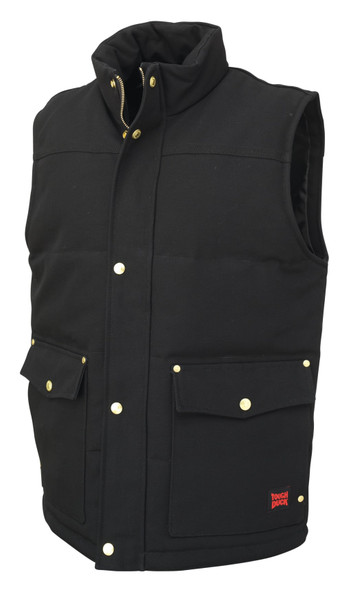
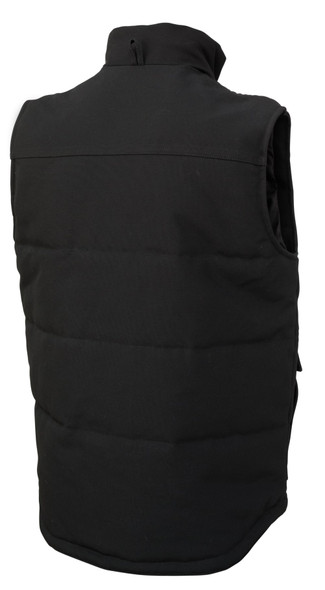
Woodsman Duck Vest | Tough Duck
Tough Duck


Duck Safety Vest | Tough Duck
Tough Duck


Freezer Jacket | Tough Duck
Tough Duck


Moto Vest | Tough Duck
Tough Duck
Quilted Vest | Tough Duck
Tough Duck