
Description
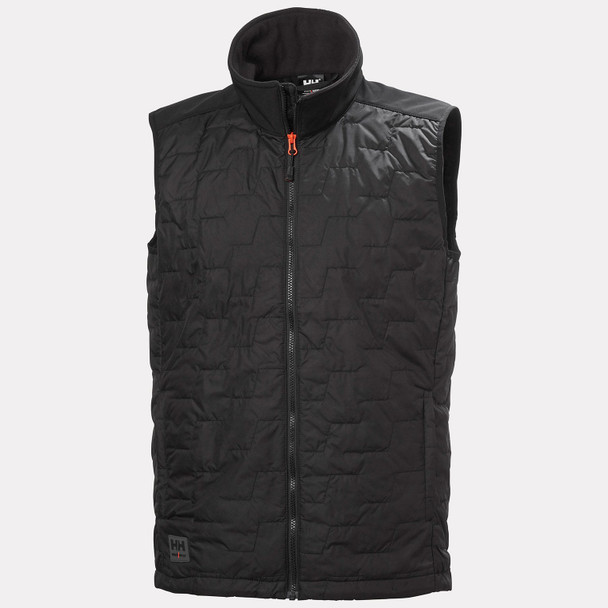
Kensington Lifaloft Vest
Details
- Fiber content:
Secondary fabric: Face: 92% Polyester, 8% Elastane - 305g/m²
Insulation: 70% Polypropylene, 30% Polyester - 80g/m²
- Care Instructions:Machine wash in luke warm water - 40° C gentle cycle. Do not bleach. Tumble dry - low heat. Iron low heat. Do not dry clean.
- Navy(73232_590), Black(73232_990).
Features
- LIFALOFT™ insulation by PrimaLoft®
- Softshell fabric with membrane and DWR
- No shoulder seams
- High collar for comfort
- Brushed fleece inside collar
- YKK® front zipper with chin protector
- Hand pockets with YKK® zipper
- Hand pockets with brushed lining
- Inside stash pockets
- Adjustable hem with elastic drawcord inside hand pocket
- Extended back for improved comfort
More Info
Insulated Work Vest for Layered Warmth
The Kensington Lifaloft Vest by Helly Hansen is an insulated vest designed for layered warmth in changing work conditions. Site supervisors, maintenance technicians, and warehouse workers typically use this lightweight work vest to stay comfortable while moving through indoor and outdoor tasks. It features LIFALOFT insulation, softshell fabric, and a high collar for thermal comfort and low bulk.
Industry Applications and Professional Use
Construction Work Environments
Construction supervisors and equipment operators commonly wear this insulated outerwear during cool-weather site work and changing seasonal conditions. The weather-resistant softshell vest supports layered clothing without adding unnecessary bulk. Workers often pair it with hoodies or base layers for practical thermal layering on active job sites.
Transportation and Fleet Operations
Truck drivers and fleet personnel typically use this work vest for daily-use comfort during loading, unloading, and travel between stops. The adjustable hem and extended back help support mobility and coverage during long shifts. The YKK zipper and chin protector add convenient functionality for repeated wear.
Warehousing and Logistics
Warehouse workers often choose this softshell vest for indoor tasks where temperature changes and movement matter. The lightweight design supports active work without restricting reach or bending. This insulation layer helps workers stay comfortable in cooler storage areas and dock environments.
Utilities and Field Service
Utility workers and maintenance technicians commonly rely on insulated outerwear during service calls in variable weather. The brushed fleece collar and high collar add comfort during outdoor checks and quick transitions between sites. All Safety supplies apparel that suits layered workwear needs in mixed environments.
Manufacturing and Industrial Settings
Manufacturing teams often use thermal layering pieces like this vest in drafty plants, receiving areas, and mobile work zones. The polyester fabric and elastane blend support everyday movement during active tasks. Workers can wear it as part of a practical insulated outerwear system.
Technical Specifications and Product Features
Understanding Product Standards
Product specifications matter because they help buyers match a work vest to the job, weather, and layering needs. The Kensington Lifaloft Vest combines LIFALOFT insulation, softshell fabric, and DWR finish to support thermal comfort and weather-resistant wear. These features help crews choose insulated outerwear with the right balance of warmth, mobility, and durability.
| Specification | What It Means | Practical Benefit |
|---|---|---|
| LIFALOFT insulation by PrimaLoft | Synthetic insulation designed for warmth with less bulk | Helps maintain lightweight thermal layering |
| Softshell fabric with membrane and DWR | Weather-resistant outer layer with added surface repellency | Supports comfort in changing conditions |
| YKK front zipper with chin protector | Durable closure with added comfort at the collar | Makes frequent on-and-off wear easier |
| Adjustable hem with elastic drawcord | Lets the wearer fine-tune the fit | Helps improve coverage during active work |
Use Case Scenarios and Applications
Cool-Weather Outdoor Work
Crews often wear this insulated vest during outdoor construction work, especially when mornings start cold and temperatures shift through the day. The softshell vest design supports movement while the high collar adds comfort. Workers can layer it under or over other workwear depending on conditions.
Indoor-to-Outdoor Job Rotation
Technicians and utility staff commonly move between heated and unheated spaces, so they need thermal comfort without heavy bulk. This vest works well in weather-dependent routines where workers need quick adaptability. The low-profile insulation supports active tasks and frequent motion.
Seasonal Daily Wear
Teams often use this vest throughout seasonal transitions when a jacket feels too warm but a shirt alone feels too light. The brushed fleece inside collar and extended back improve comfort during long shifts. This makes it a practical work vest for repeated daily use.
Mobility-Focused Tasks
Warehouse and logistics workers often need layered clothing that does not restrict lifting, reaching, or driving. The elastic drawcord hem and stretch-friendly fabric blend support everyday movement. The vest suits tasks where warmth and flexibility need to work together.
Ideal Applications and Work Environments
Where This Work Vest Excels
- Outdoor construction work: The lightweight insulated vest supports warmth without heavy bulk during active site work.
- Warehouse and logistics tasks: Low-profile thermal layering helps workers stay mobile in cooler storage and dock areas.
- Utility maintenance calls: Weather-resistant softshell fabric suits changing conditions and quick jobsite transitions.
- Transportation and fleet operations: Adjustable fit and zipper pockets support daily wear in travel-focused routines.
Professional Applications
Workers Who Rely on This Equipment
- Site supervisors: Use it for layered clothing comfort during long site visits and changing weather.
- Maintenance technicians: Wear it for mobility during inspections, repairs, and service calls.
- Warehouse workers: Choose it for thermal layering in cool storage and active material-handling areas.
- Utility workers: Use it as a practical insulated outerwear layer for field service and outdoor checks.
- Truck drivers: Rely on it for daily-use warmth during loading, unloading, and travel.
- Equipment operators: Wear it when they need comfort and flexibility in variable work environments.
Complete Safety Equipment Solutions
Complementary Safety Gear
This insulated work vest works alongside other safety apparel to support complete layered protection at work. Crews often build systems around base layers, work jackets, hoodies, and gloves so they can adapt to changing temperatures and task demands. Layered clothing gives workers more flexibility across indoor and outdoor environments.
Recommended Equipment Combinations
- Cold outdoor shift: Insulated vest + base layers + work jacket + gloves
- Warehouse mobility setup: Insulated vest + hoodie + gloves
- Field service layering: Insulated vest + base layer + work jacket
Selection Guide and Product Suitability
When to Choose This Product
Choose this vest when you need a lightweight warm vest for cool weather and changing seasonal conditions. It performs well when workers move between indoor and outdoor work environments. It also suits jobs that need thermal layering with more mobility than a full jacket.
Key Evaluation Factors
- Warmth level needed for the work environment
- Need for low bulk and mobility
- Weather resistance for mixed conditions
- Fit requirements for layering under or over other workwear
Limitations and Alternative Considerations
This vest is not suitable for tasks that require full-body cold-weather coverage or specialized protective outerwear. Crews needing heavier winter protection should consider insulated jackets or heavier thermal outerwear. Available from All Safety with standard, expedited, or overnight shipping to suit project timelines.
Daily Use and Maintenance
Workplace Integration
Workers typically wear this vest when temperatures drop or when they need a layered work vest that supports movement through the day. It works well over base layers and under a work jacket when conditions shift. Commonly, teams use it in indoor and outdoor work environments where warmth and flexibility matter.
Care and Replacement Guidelines
Follow manufacturer instructions for inspection, cleaning, and storage to keep the vest in good condition. Manufacturers typically recommend a lukewarm 40°C gentle cycle, low-heat tumble drying, and dry storage away from moisture or heat. Replace the vest when fabric wear, zipper issues, or insulation condition no longer meets job needs.