
Guardian Fall Protection
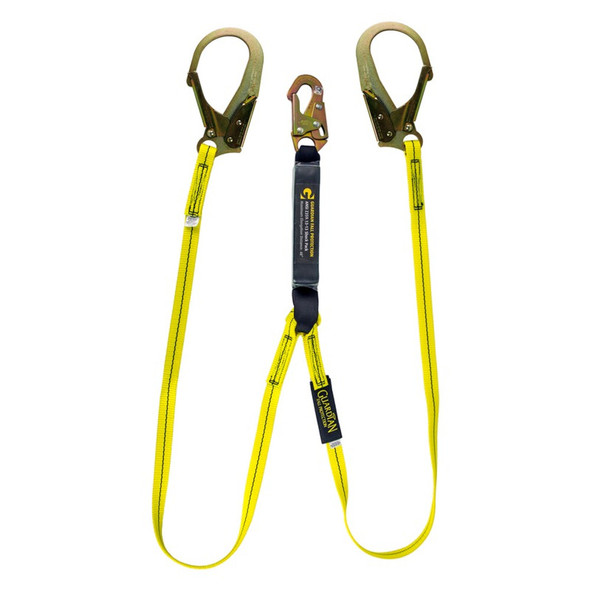
4' External Energy Absorbing Lanyard Dual Leg Yellow With Steel Snap Hook | Guardian Fall Protection

- SKU:
- 46133

Description
- Leg Style: Dual
- Hook Material Type: Steel Snap
- Length: 4'
- Color: Yellow
More Info
Dual Leg Lanyard for Work-at-Height Tie-Off
The 4-foot dual leg lanyard is a dual leg lanyard designed for fall protection during work at height and tie-off transitions. Construction workers, utility line workers, and maintenance technicians typically use this external energy absorbing lanyard to support controlled movement between anchorage points. This Guardian Fall Protection model features a steel snap hook and a compact 4 ft length.
Industry Applications and Professional Use
Construction Work Environments
Construction workers commonly use this dual-leg tie-off lanyard during framing, steel erection, and elevated access tasks. The short 4 ft profile helps reduce slack while workers move around edges, platforms, and anchor points. This fall protection setup supports routine work-at-height activity on active job sites.
Utilities and Line Work
Utility line workers often rely on an external energy absorbing lanyard when working on poles, towers, and elevated structures. The yellow color improves visibility in busy environments, while the steel snap hook supports connection to compatible hardware. Crews use it for anchored movement during daily maintenance and repair work.
Transportation and Infrastructure Sites
Transportation teams and municipal crews typically use this equipment for elevated inspection and maintenance tasks. Workers often need tie-off mobility when accessing bridges, signage, platforms, or service structures. The dual leg design helps maintain continuous connection during transitions.
Manufacturing Facilities
Maintenance technicians in manufacturing settings commonly use fall arrest equipment when servicing overhead systems or accessing elevated work areas. The compact design suits frequent movement near mezzanines, catwalks, and machinery access points. This helps support consistent connector hardware management in controlled industrial spaces.
Warehousing and Municipal Services
Equipment operators and municipal workers typically use a dual leg lanyard during routine access to docks, mezzanines, and infrastructure structures. The energy absorber package supports tasks that involve movement between anchor points. All Safety customers often select this style for practical daily-use fall protection.
Technical Specifications and Product Features
Understanding Product Standards
Specifications matter because they help crews match the lanyard to the task, anchor layout, and harness system. This external energy absorbing lanyard uses a dual leg format for tie-off mobility, and the steel snap hook supports secure connector hardware use. The 4 ft length and visible yellow finish add practical value in work-at-height environments.
| Specification | What It Means | Practical Benefit |
|---|---|---|
| Dual leg | Two-leg lanyard configuration for alternating tie-off | Supports movement between anchorage points |
| External energy absorbing | Energy absorber package positioned externally | Helps manage fall arrest forces in the system |
| 4 ft length | Compact working length | Reduces excess slack in close-access work areas |
| Steel snap hook | Durable metal connector | Connects to compatible anchorage point hardware |
Use Case Scenarios and Applications
Construction Framing and Steel Work
Crews often use this lanyard when they move across beams, framing, and elevated access routes. The dual leg tie-off design lets workers maintain connection while repositioning. The compact length helps limit unnecessary movement near edges and open drop zones.
Utility Maintenance on Elevated Structures
Workers commonly attach the lanyard to a compatible full body harness and anchorage point during inspections or repair work. The external energy absorbing lanyard format supports regular movement around fixed structures. Users should follow manufacturer instructions for connection and use.
Warehouse Mezzanine Access
Teams use this setup in warehouses where workers need routine access to elevated platforms and service points. The steel snap hook and short length make it practical for controlled fall arrest setups. It works well when users need quick repositioning without excessive lanyard slack.
Municipal and Infrastructure Tasks at Height
Municipal crews often need visible, dependable connector hardware for bridge work, signage service, and facility maintenance. The yellow finish helps crews identify equipment quickly in active work areas. This supports organized fall protection practices during daily operations.
Ideal Applications and Work Environments
Where This Dual Leg Lanyard Excels
- Construction framing: The dual leg lanyard supports transition work where workers move between anchor points.
- Steel erection: The steel snap hook and compact 4 ft length suit close-quarter elevated tasks.
- Utility access: The external energy absorbing lanyard works well for routine tie-off mobility on structures.
- Warehouse mezzanines: The short profile helps crews manage fall arrest setups in tighter access areas.
Professional Applications
Workers Who Rely on This Equipment
- Construction workers: Use it for elevated framing, steel work, and tie-off transitions.
- Maintenance technicians: Rely on it during inspections and repair tasks at height.
- Utility line workers: Commonly use it for access and repositioning on structures.
- Safety coordinators: Select it to match site fall protection requirements.
- Site supervisors: Specify it for crews that need controlled tie-off mobility.
- Equipment operators: Use it during access to elevated platforms and service areas.
Complete Safety Equipment Solutions
Complementary Safety Gear
This fall protection lanyard works alongside other equipment for a complete harness system. Multiple layers matter because crews need compatible components that support the task, anchor layout, and access route. A well-planned system typically combines connector hardware, body support, and anchorage management.
Recommended Equipment Combinations
- Construction framing: Dual leg lanyard + full body harness + anchorage connectors + hard hats
- Utility maintenance: External energy absorbing lanyard + full body harness + fall arrest blocks
- Warehouse access: Dual leg lanyard + full body harness + anchorage connectors
Selection Guide and Product Suitability
When to Choose This Product
Choose this dual leg lanyard when workers need tie-off mobility during transitions between anchorage points. It also suits routine daily-use fall arrest tasks in construction, utilities, and industrial facilities. The compact 4 ft design performs well where crews need a shorter reach and strong connector control.
Key Evaluation Factors
- Compatibility with the full body harness and anchorage point
- Required tie-off mobility for the work-at-height task
- Need for visual identification from the yellow finish
- Connector preference for steel hook hardware
Limitations and Alternative Considerations
This product is not suitable for tasks that require a different connector style or a longer working reach. Crews with specialized fall protection needs may need another lanyard category or a different energy absorber package. Available from All Safety with standard, expedited, or overnight shipping to suit project timelines.
Daily Use and Maintenance
Workplace Integration
Workers typically use this lanyard when they move between anchor points during routine elevated tasks. They should connect it to a compatible harness and anchorage per manufacturer instructions. In common construction and industrial settings, teams often keep the system ready for daily-use fall arrest work.
Care and Replacement Guidelines
Users should inspect the webbing, connectors, and energy absorber before each shift and during periodic checks. Manufacturers typically recommend mild cleaning methods and full drying before storage. Replace the lanyard per manufacturer specifications after shock loading, visible damage, or wear.
Related Products
Related Products

6' External Energy Absorbing Lanyard Dual Leg Yellow With Steel Snap Hook | Guardian Fall Protection
Guardian Fall Protection

4' External Energy Absorbing Lanyard Dual Leg Yellow With Steel Snap 2.5" Rebar Hook | Guardian Fall Protection
Guardian Fall Protection

4' External Energy Absorbing Lanyard Single Leg With Steel Snap Hook | Guardian Fall Protection
Guardian Fall Protection
6' External Energy Absorbing Lanyard Dual Leg Yellow With Steel Snap 2.5" Rebar Hook | Guardian Fall Protection
Guardian Fall Protection

4' External Energy Absorbing Lanyard Dual Leg Yellow With 2" Rebar Hook | Guardian Fall Protection
Guardian Fall Protection