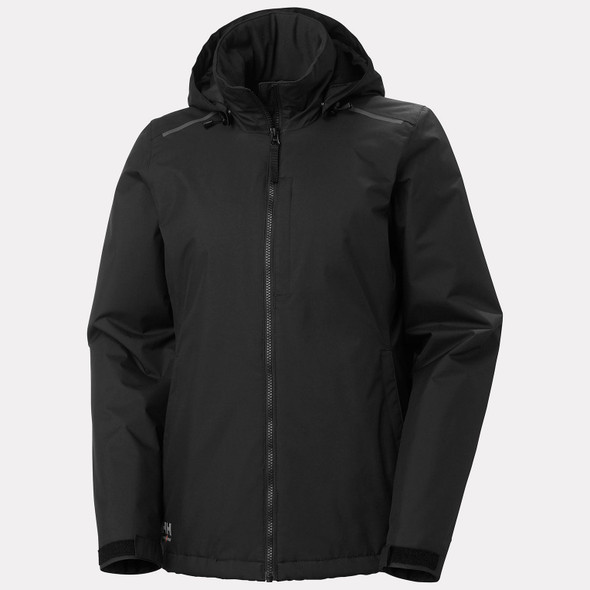
Description
Manchester 2.0 Winter Pants
Details
- Fiber content:
Main Fabric: 100% Polyester - 141g/m²
Lining: 100% Polyester
Insulation: 100% Polyester - 60g/m²
Features
- EN 343:2019: 3, 1, X
- EN 342:2017:Icler 0.317 m2K/W (B), 3, WP: in combination with 71342
- HELLY TECH® PROTECTION
- AMANN threads
- YKK® Zipper
- Front fly with button closure
- Adjustable bottom leg with fastener
- Elastic waist
- Loop attachment on inside waistband for suspender integration
- Knee high boot zipper with storm flap & fastener closure
- Reflective design details
- bluesign® product
- Solution Dyed Lining
More Info
Winter Pants for Cold-Weather Work
The Manchester 2.0 Winter Pants from Helly Hansen are work pants designed for cold, wet, and windy outdoor job sites. Construction workers, utility crews, and maintenance technicians typically use this winter workwear to stay comfortable during long shifts. This EN 343:2019 and EN 342:2017 certified model features waterproof, windproof, and breathable fabric with thermal insulation.
Industry Applications and Professional Use
Construction Work Environments
Construction workers commonly wear winter pants when crews continue exterior work through cold-weather conditions. These work trousers support movement on active sites while the elastic waist and adjustable bottom leg help with fit over layers. The reflective details add visibility value during darker winter hours.
Transportation and Road Operations
Road crews and transportation teams typically use insulated workwear when traffic corridors, yards, and roadside tasks expose them to wind and moisture. The boot zipper and storm flap make it easier to put on and remove the pants over work boots. This helps teams maintain practical comfort during daily route work.
Utilities and Field Service
Utility workers often rely on weatherproof apparel during service calls in cold, damp conditions. The breathable fabric helps support active work, while the durable YKK zipper and Amann threads add dependable construction details. These features suit field service tasks that move between vehicles, sites, and outdoor access points.
Warehousing and Yard Work
Warehouse workers and yard crews commonly choose cold-weather pants for outdoor loading, transfer zones, and dock areas in winter. The polyester shell and insulation help support warmth without adding unnecessary bulk. This makes the pants useful for mixed indoor-outdoor winter routines.
Municipal and Oil & Gas Settings
Municipal services and oil & gas personnel often need insulated workwear for extended cold exposure. The HELLY TECH PROTECTION fabric and reflective design details support harsh-weather tasks where mobility and durability matter. All Safety can help crews source this type of workwear for seasonal programs.
Technical Specifications and Product Features
Understanding Product Standards
Product specifications matter because winter pants need to balance weather resistance, warmth, and mobility. EN 343:2019 and EN 342:2017 provide recognized workwear certification references for wet-weather and cold-environment performance. These features help buyers compare industrial apparel for the right job conditions.
| Specification | What It Means | Practical Benefit |
|---|---|---|
| EN 343:2019 | Certification for protection in rain and bad weather | Helps support use in wet, windy outdoor work |
| EN 342:2017 | Certification for cold-environment clothing | Supports winter comfort in low temperatures |
| HELLY TECH PROTECTION | Waterproof, windproof, breathable fabric technology | Helps manage moisture while working outdoors |
| YKK zipper and storm flap | Durable closure system with added cover | Improves ease of use over boots and layers |
Use Case Scenarios and Applications
Cold-Weather Outdoor Work
Workers use these winter pants during cold, wet, and windy seasons when jobsite exposure lasts for hours. The waterproof, windproof, and breathable fabric helps balance weather resistance with air movement. That combination supports all-day work in demanding winter conditions.
Over-Trousers for Layered Workwear
Many crews wear insulated workwear over base layers or standard trousers for extra seasonal coverage. The elastic waist and adjustable bottom leg help improve fit over other garments. This approach works well when temperature shifts during the shift.
Boot-On and Boot-Off Tasks
The knee-high boot zipper with storm flap and fastener closure supports jobs that require quick changes over work boots. Utility and transportation workers often appreciate that practical design during frequent entries and exits. The closure layout also helps reduce hassle during routine field work.
Extended Daily Use
These cold-weather pants fit routine winter work where crews need durable, weatherproof apparel every day. Reflective details and reinforced construction features support active movement in mixed light and weather. Workers commonly choose this style for repeat seasonal use.
Ideal Applications and Work Environments
Where This Product Category Excels
- Winter construction work: Waterproof insulation and boot access suit crews working on open sites.
- Road maintenance and transit work: Reflective details and breathable fabric support roadside visibility and comfort.
- Utility field service: The storm flap and adjustable leg closures help in cold wet conditions.
- Warehouse yard operations: Flexible fit and warmth suit loading zones and outdoor transitions.
Professional Applications
Workers Who Rely on This Equipment
- Construction workers: Wear them for winter site tasks that require insulated lower-body coverage.
- Maintenance technicians: Use them during outdoor repair and inspection work.
- Warehouse workers: Rely on them for yard transfers and cold dock areas.
- Utility workers: Choose them for field service in wet, windy weather.
- Road crews: Wear them for winter roadside operations and traffic-zone work.
- Safety coordinators: Specify them for seasonal PPE and workwear programs.
Complete Safety Equipment Solutions
Complementary Safety Gear
These winter pants work alongside other cold-weather PPE for a more complete winter workwear system. Layering matters because crews often face moisture, wind, and low temperatures at the same time. Pairing insulated lower-body coverage with other weather-appropriate gear helps teams stay ready for changing conditions.
Recommended Equipment Combinations
- Winter construction: Winter pants + insulated jackets + work gloves + work boots
- Roadside winter work: Winter pants + hi-viz vests + insulated jackets
- Utility field service: Winter pants + work gloves + work boots
Selection Guide and Product Suitability
When to Choose This Product
Choose these winter pants when crews need waterproof, windproof, and breathable protection during cold-weather work. They perform well for outdoor tasks that demand flexible fit and easy boot access. They also suit seasonal jobs where insulated workwear supports long shifts in wet conditions.
Key Evaluation Factors
- Check the work environment for wet and windy exposure.
- Review the need for insulation and breathable fabric.
- Confirm compatibility with boots and layered clothing.
- Assess visibility needs for dark winter work areas.
Limitations and Alternative Considerations
These pants are not suitable for tasks that require chemical-specific splash protection or specialized arc-rated garments. Crews needing those applications should review dedicated protective apparel instead. Available from All Safety with standard, expedited, or overnight shipping to suit project timelines.
Daily Use and Maintenance
Workplace Integration
Workers generally wear these pants when cold, wet, and windy conditions affect outdoor tasks or winter site travel. They often use them as insulated over-trousers or work pants per manufacturer instructions. The boot zipper and elastic waist make them practical for daily transitions between vehicles, yards, and job sites.
Care and Replacement Guidelines
Inspect the zippers, seams, closures, and fabric regularly, following manufacturer guidelines. Clean the pants according to the care label and manufacturer instructions to help maintain performance. Replace them when insulation, waterproofing, or closures show wear, and store them in a dry, ventilated area.