

Master Lock
- Product
- Qty in Cart
- Quantity
- Price
- Subtotal
-

Rotating Valve Lockouts, Gate Type (480) | Master Lock
Master Lock
$27.52Unique, outward rotation allows for easier installation in confined space applications Surrounds valve operating handle to protect against accidental valve opening Each size rotates into itself and...$27.52 -

Safety Lockout Hasps, Red | Master Lock
Master Lock
$10.99Attach hasp to energy disconnect switch Control cannot be turned on until last worker's padlock is removed from hasp Steel jaw with vinyl coated handle Specification Max. No. Of Padlocks:...$10.99 -

Safety Lockout Hasps, Silver | Master Lock
Master Lock
$16.43Description Dual jaw aluminum hasp Control cannot be turned on until last worker's padlock is removed from hasp Attach hasp to energy disconnect switch Specifications Max. No. Of Padlocks:...$16.43 -

Safety Lockout Hasps, Silver/Red | Master Lock
Master Lock
$13.37Spark resistant aluminum Attach hasp to energy disconnect switch Control cannot be turned on until last worker's padlock is removed from hasp Specification Max. No. Of Padlocks: 6 Colour:...$13.37 -

Seal Tight Handle-Off Valve Lockout, Ball Type | Master Lock
Master Lock
$55.54Works on virtually all valves; metal and PVC, insulated pipes, ceiling or wall-mounted pipes and hard to reach valves Made of PVC polyester fabric and HDPE plastic, it withstands corrosive...$55.54 -

Trilingual Covered Lock Station - 4 Padlock Capacity, Padlocks Not Included | Master Lock
Master Lock
$164.34Station message printed in English. Spanish and French labels included for optional application Resilient polycarbonate material provides ultimate heat resistance and impact strength superior to...$164.34 -

Universal Wall Switch Type Lockout | Master Lock
Master Lock
$18.71One-time installation uses the existing wall plate screws Locks out both toggle and Decora(TM) paddle wall switches Prevent unintentional toggling of wall switch to "ON" position Lock the switch in...$18.71 -

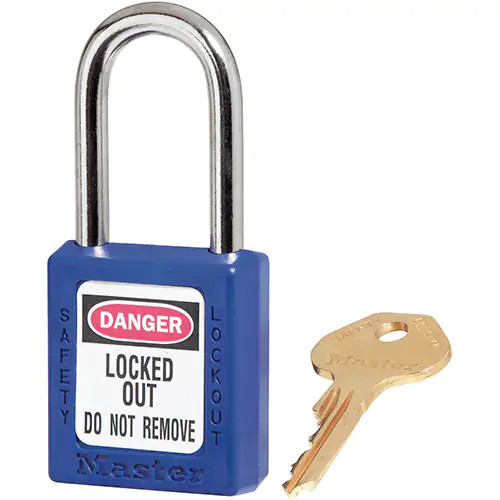
Zenex Padlocks Keyed Different, 1-1/2" Width | Master Lock
Master Lock
$25.94Description Designed exclusively for lockout/tagout Durable, lightweight, Thermoplastic lock body Special thermoplastic body offers superior performance against chemicals, moisture, temperature...$25.94
Master Lock Safety Equipment Costs: Complete Shopping Guide for All Types
Master Lock lockout/tagout equipment costs $14-$1,147 and protects maintenance workers from accidental equipment startup during service. Entry-level circuit breaker lockouts start at $14.09, professional-grade lockout stations from $166.21, meeting OSHA 1910.147 with 5-10 year typical lifespan when properly maintained.
You'll typically find four main Master Lock safety categories serving different workplace needs. Circuit breaker lockouts ($14-$35) protect electrical workers during panel maintenance. Valve lockouts ($41-$62) secure pneumatic and hydraulic systems for equipment technicians. Cable lockouts ($52-$62) provide versatile securing for multiple energy sources. Complete lockout stations ($166-$1,147) organize comprehensive LOTO programs for facility managers.
Master Lock Circuit Breaker Protection Equipment
Here's what matters most about Master Lock circuit breaker lockouts: they're designed for electrical panels from 120V to 600V systems. The Grip Tight 493B model costs $14.09 and fits standard toggle breakers up to 1-inch wide. The upgraded Grip Tight Plus S3821 runs $21.10 and accommodates wider breakers with enhanced grip strength rated for 50 pounds of pull force.
The reality is these devices won't protect against energized conductors outside the panel. They're specifically engineered for de-energized circuit isolation only. Here's the thing about circuit breaker lockouts: they require proper electrical knowledge to identify all energy sources, as missing a feed circuit can still result in electrocution.
Master Lock Valve Lockout Systems for Industrial Equipment
Master Lock valve lockouts secure ball valves, gate valves, and butterfly valves during maintenance procedures. The adjustable ball valve lockout S3081 costs $53.24 and fits valve handles from 1-inch to 2.5-inch diameter. The rotating gate valve lockout 481 runs $41.89 and accommodates stems up to 1.5-inch diameter with 360-degree rotation capability.
You'll typically find these protecting workers servicing hydraulic presses, steam systems, and compressed air equipment. Won't protect against upstream pressure if isolation valves aren't properly identified. Requires verification that valve is actually closed and system is depressurized before applying lockout device.
Key Takeaways About Master Lock Safety Equipment
- Master Lock LOTO equipment costs $14-$1,147 and typically lasts 5-10 years with proper maintenance and storage
- Circuit breaker lockouts protect against accidental energization but require complete electrical isolation verification
- Valve lockouts secure mechanical energy sources but won't stop upstream pressure without proper system lockout
- Cable lockouts provide versatile securing for 3-15 foot applications with 3,000-pound tensile strength rating
- Complete lockout stations organize 4-20 padlocks for comprehensive energy control programs
- Professional installation recommended for lockout stations over $600 to ensure OSHA compliance
- Annual replacement costs average $50-$200 for active LOTO programs depending on equipment usage intensity
How to Choose Master Lock Equipment for Your Specific Work Environment
Select Master Lock LOTO devices based on: energy source type (electrical/mechanical/hydraulic), equipment voltage rating (120V-600V), and physical space constraints (panel depth 2-6 inches). Electrical maintenance requires circuit-specific lockouts, while mechanical systems need valve-compatible devices. Manufacturing facilities typically need combination systems protecting multiple energy sources simultaneously.
Electrical Panel Lockout Selection by Voltage Rating
For 120V-240V residential panels, the Grip Tight 493B provides adequate protection for standard toggle breakers in 1-inch spacing. Commercial 480V systems require the Grip Tight Plus S3821 with reinforced construction rated for higher amperage breakers. Industrial 600V applications need professional assessment to ensure proper device selection and worker safety protocols.
Here's the thing about electrical lockouts: they're rated by physical fit, not electrical rating. The lockout device itself isn't electrically rated - it's the proper de-energization procedure that provides protection. Basic devices cost less but won't fit all breaker types found in complex electrical systems.
Industrial Valve Lockout Applications
Steam systems operating above 15 PSI require gate valve lockouts like the Model 481 that accommodate 1-1.5 inch valve stems. Hydraulic systems with ball valves need adjustable models like the S3081 that fit variable handle sizes from 1-2.5 inches. Compressed air systems often use butterfly valves requiring specialized lockouts not in Master Lock's current catalog.
The reality is valve lockouts only secure the specific valve they're attached to. Upstream isolation and pressure relief verification remains the installer's responsibility. Won't protect against thermal expansion or system backflow if multiple isolation points aren't properly secured.
Cable Lockout Versatility for Multiple Applications
Master Lock cable lockouts serve multiple lockout points simultaneously. The 3-foot S806CBL3 costs $52.09 and secures up to 6 standard lockout points in compact equipment. The 15-foot S806CBL15 runs $62.41 and handles complex machinery with widely spaced energy sources requiring single-person lockout capability.
Master Lock Selection Process
- Identify all energy sources: electrical, pneumatic, hydraulic, mechanical, thermal
- Measure physical dimensions: breaker width, valve stem diameter, cable routing distance
- Verify voltage ratings: confirm system voltage matches lockout device capabilities
- Count isolation points: determine single vs multiple lockout device requirements
- Assess storage needs: select station capacity based on total device inventory
- Calculate annual costs: factor device lifespan against replacement frequency
- Verify OSHA compliance: ensure selected devices meet 1910.147 requirements
Master Lock Equipment Lifespan: When to Replace Your Safety Devices
Replace Master Lock circuit breaker lockouts every 3-5 years for daily use, valve lockouts every 5-7 years for weekly use, and cable lockouts every 2-4 years depending on environmental exposure. Lockout stations require component replacement every 5-10 years with padlock replacement every 2-3 years for high-use facilities.
Visual Inspection Indicators for Circuit Breaker Lockouts
Inspect Master Lock circuit breaker devices monthly for crack development in plastic housing, which indicates UV degradation or impact damage. Check grip mechanism for smooth operation - sticky or binding action suggests internal wear requiring replacement. Look for metal fatigue around hinge points where repeated flexing creates stress concentration points.
The reality is most circuit breaker lockouts fail gradually rather than catastrophically. Here's what matters most: if the device doesn't maintain firm pressure against the breaker handle, it's no longer providing reliable protection. Replace immediately if grip force feels reduced compared to new devices.
Valve Lockout Maintenance and Replacement Schedule
Master Lock valve lockouts show wear through reduced clamping force and surface corrosion affecting grip surfaces. The adjustable mechanisms accumulate debris over time, reducing range of motion and secure fit. Industrial environments with chemical exposure require inspection every 3 months due to accelerated material degradation.
You'll typically find valve lockouts lasting longer than circuit breaker types due to less frequent usage cycles. However, they're exposed to more environmental contaminants including hydraulic fluid, steam condensate, and metal particles that accelerate wear. Won't maintain reliable security if adjustment mechanisms become sticky or corroded.
Cable Lockout Durability in Industrial Environments
Master Lock cable lockouts require replacement when cable fraying becomes visible or when the cable diameter reduces noticeably from normal wear. The plastic sheathing protects against most industrial chemicals but degrades under continuous UV exposure or extreme temperature cycling. Inspect cable flexibility monthly - stiff sections indicate internal wire damage.
Here's the thing about cable lockouts: they're subject to more physical abuse than fixed devices. Dragging across rough surfaces, exposure to welding spatter, and accidental impact with moving equipment all accelerate wear. Annual cost for cable lockout replacement averages $150-$300 for active manufacturing facilities.
| Device Type | Replacement Cycle | Cost Per Unit | Annual Cost | Inspection Frequency |
|---|---|---|---|---|
| Circuit Breaker Lockout | 3-5 years | $14-$35 | $50-$100 | Monthly |
| Valve Lockout | 5-7 years | $41-$62 | $25-$50 | Quarterly |
| Cable Lockout | 2-4 years | $52-$62 | $75-$150 | Monthly |
| Lockout Station | 5-10 years | $166-$1,147 | $100-$500 | Semi-annually |
Master Lock Protection Standards: Understanding OSHA Compliance and Ratings
Master Lock LOTO devices meet OSHA 1910.147 lockout/tagout standards requiring substantial construction, standardized color (red), and unique key control. Devices must withstand 50 pounds of pull force without failure and resist environmental conditions including temperature extremes from -20°F to 180°F during normal operation.
OSHA 1910.147 Requirements for Lockout Devices
OSHA mandates lockout devices be substantial enough to prevent removal without excessive force or unusual techniques. Master Lock devices exceed the minimum 50-pound pull force requirement, with most models tested to 250+ pounds. The standardized red color provides immediate visual identification, while unique keying prevents unauthorized removal by non-qualified personnel.
Here's what matters most about OSHA compliance: the device is only one component of a complete LOTO program. Written procedures, employee training, and periodic inspection are equally critical. The reality is Master Lock devices meet equipment requirements, but program compliance depends on proper implementation and maintenance.
Tensile Strength and Environmental Ratings
Master Lock cable lockouts maintain 3,000-pound tensile strength throughout their rated lifespan, far exceeding OSHA minimum requirements. Circuit breaker lockouts resist impact forces up to 100 foot-pounds without structural failure. Valve lockouts maintain clamping force above 200 pounds through their adjustment range, ensuring secure installation on industrial equipment.
You'll typically find these ratings providing adequate protection for standard industrial applications. However, they won't withstand deliberate tampering or extreme environmental conditions beyond their design parameters. Chemical compatibility varies by specific application - Master Lock provides detailed compatibility charts for industrial chemicals and cleaning agents.
Temperature and Chemical Resistance Specifications
Master Lock LOTO devices operate reliably from -20°F to 180°F, covering most industrial temperature ranges. The thermoplastic construction resists common industrial chemicals including hydraulic fluid, cutting oil, and mild acids. Padlocks included with lockout station systems feature weather-resistant mechanisms rated for outdoor applications.
Here's the thing about environmental ratings: they're based on continuous exposure testing, not intermittent contact. Short-term exposure to temperatures or chemicals outside the rated range may not cause immediate failure but will accelerate wear and reduce service life. Won't provide reliable protection in corrosive environments without additional protective measures.
Common Master Lock Safety Mistakes That Reduce Protection
#1 mistake: Using cable lockouts beyond their 15-foot maximum length reduces security by creating slack that allows device manipulation. This compromises the 50-pound pull force requirement and creates potential failure points where excess cable can be cut or damaged by moving equipment.
Improper Circuit Breaker Lockout Installation
Installing circuit breaker lockouts without verifying complete electrical isolation is the most dangerous error. Many workers assume the lockout device provides electrical protection, when it only prevents mechanical switch operation. Always test circuits with appropriate meters and verify zero energy state before applying lockout devices.
Another common mistake involves forcing lockouts onto incompatible breaker types. Master Lock devices are sized for specific breaker configurations - forcing them onto wrong sizes creates gaps that allow breaker operation. This reduces protection effectiveness and may void the device warranty through improper application.
Valve Lockout Positioning and Verification Errors
Applying valve lockouts without confirming the valve is actually closed creates false security while leaving energy sources active. The lockout device only prevents valve operation - it doesn't indicate valve position. Always verify valve closure through position indicators or system pressure readings before lockout application.
Positioning valve lockouts where they interfere with emergency operation creates safety hazards during urgent situations. Emergency shutoff valves require rapid access, but lockout devices can delay critical response time. Consider safety tag systems for emergency valves requiring special procedures.
Cable Lockout Routing and Tension Problems
Routing cable lockouts through sharp edges or moving parts accelerates wear and creates cutting hazards that compromise security. The cable sheathing provides limited protection against abrasion - routing must avoid contact with rough surfaces, rotating equipment, or heat sources above 180°F.
Creating excessive tension during installation reduces cable lifespan and may cause immediate failure under load. Master Lock cables are designed for securing, not load-bearing applications. Maintain slight slack to accommodate thermal expansion while preventing unauthorized access to energy sources.
Lockout Station Organization and Maintenance Failures
Overfilling lockout stations beyond their designed capacity creates disorganization that delays emergency response and increases selection errors. Master Lock stations are rated for specific quantities - the 4-padlock compact station shouldn't hold additional devices that interfere with organized access during urgent maintenance procedures.
Failing to maintain lockout station inventory creates gaps in protection when devices are unavailable during critical maintenance. Establish minimum stock levels and replacement schedules to ensure adequate device availability. Cost of missing devices during emergency maintenance far exceeds preventive inventory investment.
Master Lock Safety Equipment Buying Checklist
- Verify device compatibility with specific equipment voltage and physical dimensions
- Confirm OSHA 1910.147 compliance for all selected lockout devices and procedures
- Calculate total system cost including devices, stations, padlocks, and training requirements
- Establish inspection schedules for monthly device condition and quarterly program review
- Plan replacement budgets based on expected device lifespan and usage intensity
- Train personnel on proper installation, removal, and emergency override procedures
- Document device inventory and assignment for accountability and emergency access
- Consider environmental factors affecting device selection and replacement frequency