
Guardian Fall Protection
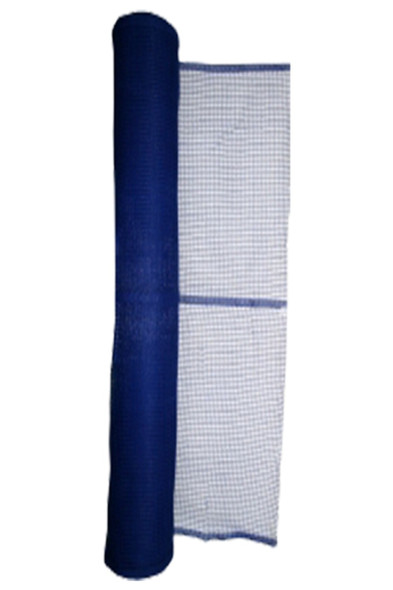
Blue Debris Net PE 150' Roll - 66" | Guardian Fall Protection

- SKU:
- 70023

Description
Description
Heavy-duty netting system to prevent debris from falling over an edge
DEBRIS NETTING 5' 6" X 150' - 1/4" X 3/8" MESH - BLUE - Essential on large-scale jobsites, Debris Netting flanks the perimeter of open floors and functions as a barrier between tools or building materials and unprotected workers below. A simple yet highly effective way to reduce the likelihood of injuries relating to dropped objects.
Features
- Color: Blue
- Reinforced border prevents fraying
- Flame-retardant coating helps protect against heat
- Special UV-resistant material withstands long-term exposure to the sun
- Can double as a complete guardrail/fall prevention system if cable supports are installed per OSHA requirements
Specifications
- Product Weight: 21.6LB/9.80KG
- Product Length: 1800''/4572.00CM
- Product Height: 0.13''/0.33CM
Compliance
- OSHA 1910.140
- OSHA 1926.502
Downloads
More Info
Debris Netting for Open-Floor Construction Protection
The Blue Debris Net PE 150 Roll - 66" is a debris netting system designed for perimeter containment on large-scale jobsites and elevated work areas. Site supervisors, construction managers, and riggers typically use this netting to control falling debris and support worksite containment around open floors. This OSHA 1910.140 and OSHA 1926.502 compliant netting features a reinforced border, flame-retardant coating, and UV-resistant material.
Industry Applications and Professional Use
Construction Work Environments
Construction teams typically install debris netting along open floors, perimeter edges, and multi-level structures where falling debris can reach workers below. This construction net helps create a defined safety barrier during active building phases. It supports edge protection and dropped objects control in busy project zones.
Manufacturing Facilities
Maintenance crews and safety coordinators often use PE netting around elevated maintenance areas and overhead work platforms. These environments may involve tools, materials, and equipment moving near exposed edges. The reinforced border and industrial netting design help support organized worksite containment.
Warehousing Operations
Warehouses frequently use perimeter barrier systems near mezzanines, loading areas, and elevated storage zones. Workers moving materials across open floors benefit from clear containment around exposed edges. This debris netting supports safer traffic flow where dropped objects can create hazards.
Transportation and Bridge Work
Transportation projects and bridge crews commonly need edge protection on elevated work areas. The UV resistance helps the netting handle outdoor exposure during long project phases. Teams can combine it with cable supports when site conditions call for a more complete fall prevention system.
Utilities and Municipal Services
Utility crews and municipal maintenance teams often work near platforms, trenches, and elevated structures. They use debris netting to manage tools and materials around exposed work zones. The flame-retardant coating adds practical value in demanding service environments.
Technical Specifications and Product Features
Understanding Product Standards
Debris netting specifications matter because they help crews match the netting system to the site layout, exposure level, and containment need. This product is OSHA 1910.140 and OSHA 1926.502 compliant, which supports use in regulated work environments. The 1/4" x 3/8" mesh, 66" roll width, and 150' roll length help teams plan coverage across open floors and perimeter edges.
| Specification | What It Means | Practical Benefit |
|---|---|---|
| OSHA 1910.140 | Meets an OSHA fall protection-related standard | Supports use in regulated jobsite applications |
| OSHA 1926.502 | Construction fall protection compliance reference | Helps align with construction site requirements |
| 1/4" x 3/8" mesh | Fine mesh opening pattern | Helps contain falling debris and dropped objects |
| Reinforced border / UV-resistant material | Strengthened edge and sun-resistant construction | Improves durability in outdoor and long-term use |
Use Case Scenarios and Applications
Large-Scale Building Projects
Crews typically use this debris netting on multi-level construction sites where tools or materials may fall from open floors. The perimeter barrier helps manage falling debris while workers continue tasks below. That makes it useful during active framing, decking, and exterior installation phases.
Outdoor Exposure and Weather-Dependent Work
Project managers often choose this blue PE netting for outdoor sites that need extended coverage. The UV-resistant material helps the netting handle sun exposure during long phases of work. Teams can use it where weather and lighting conditions change frequently.
Industrial Maintenance and Overhead Service
Maintenance technicians commonly use debris netting around elevated work areas when they need to control dropped objects. The flame-retardant coating and reinforced border support demanding service conditions. Per manufacturer instructions, crews may also combine it with cable supports for added system integration.
Bridge and Elevated Structure Work
Riggers and fall protection installers often deploy this netting on bridge or elevated work zones. It helps define edge protection where open sides create extra exposure. The long roll format supports broader coverage across extended spans.
Ideal Applications and Work Environments
Where This Debris Netting Excels
- Multi-level construction sites: Helps contain falling debris near open floors and exposed edges.
- Outdoor perimeter containment: UV resistance supports longer use in sun-exposed areas.
- Industrial maintenance zones: Works well where worksite containment and dropped objects control matter.
- Bridge and elevated work areas: Supports edge-side coverage in exposed locations.
Professional Applications
Workers Who Rely on This Equipment
- Site supervisors: Oversee edge protection and coordinate debris netting placement.
- Safety coordinators: Use it to support site containment plans and compliance efforts.
- Construction managers: Specify it for open floors and perimeter work zones.
- Riggers: Install or help position netting around elevated work areas.
- Maintenance technicians: Use it during overhead repair and service tasks.
- Fall protection installers: Combine it with cable supports and related systems.
Complete Safety Equipment Solutions
Complementary Safety Gear
Debris netting works alongside other equipment for a more complete safety system. Many job sites combine multiple layers because one product rarely addresses every exposure at open floors or elevated work zones. All Safety commonly supports these layered setups for worksite containment and fall prevention system planning.
Recommended Equipment Combinations
- Open-floor construction: Debris netting + fall protection systems + tool lanyards + safety harnesses
- Elevated maintenance work: Debris netting + guardrails + safety harnesses
- Bridge perimeter setup: Debris netting + cable supports + fall protection systems
Selection Guide and Product Suitability
When to Choose This Product
Choose this debris netting when your crew works near open floors and needs a barrier for falling debris. It also suits outdoor projects that need UV resistance and long-term site coverage. The reinforced border and OSHA requirements alignment make it a practical option for containment-focused jobs.
Key Evaluation Factors
- Mesh size and how well it matches the debris you need to manage
- Exposure conditions, including sun, heat, and outdoor weather
- Coverage needs based on roll width and roll length
- Compatibility with cable supports and related fall prevention system components
Limitations and Alternative Considerations
This product is not suitable as a standalone solution where a full structural guardrail is required without supporting components. For that use case, consider a dedicated guardrail system. It may also be less appropriate where crews need a rigid barrier rather than flexible netting. Available from All Safety with standard, expedited, or overnight shipping to suit project timelines.
Daily Use and Maintenance
Workplace Integration
Crews typically use this netting when they need perimeter containment during active construction or maintenance work. Installers generally follow manufacturer instructions when securing the netting along open floors or elevated work areas. In many cases, teams place it where dropped objects could affect workers below.
Care and Replacement Guidelines
Inspect the netting for wear, border integrity, and attachment points before use and during the project lifecycle. Clean it using methods compatible with PE netting per manufacturer instructions, and store it in a dry protected area away from unnecessary sun exposure. Replace it when fraying, UV degradation, or coating damage appears.
Related Products
Related Products

Black Fire Retardant 70 Pro-Knit Mm Polyethylene (PE) Netting - 150' Roll | Guardian Fall Protection
Guardian Fall Protection

Fire Retardant Debris Netting | Flame Retardant Coating | Guardian Fall Protection
Guardian Fall Protection

Netting Clip | Guardian Fall Protection
Guardian Fall Protection

Netting Plate | Guardian Fall Protection
Guardian Fall Protection

Ecoanchor | Guardian Fall Protection
Guardian Fall Protection