
Guardian Fall Protection
Fire Retardant Debris Netting | Flame Retardant Coating | Guardian Fall Protection

- SKU:
- 70001/70002/70005


Description
Description
Heavy-duty netting system to prevent debris from falling over an edge
DEBRIS NETTING 4' X 150' / 1/4" X 3/8" MESH - ORANGE - Essential on large-scale jobsites, Debris Netting flanks the perimeter of open floors and functions as a barrier between tools or building materials and unprotected workers below. A simple yet highly effective way to reduce the likelihood of injuries relating to dropped objects.
Features
- Color: Orange(70001,70005),Blue(70002)
- Size: 48"(70001,70005), 60"(70002)
- Reinforced border prevents fraying
- Flame-retardant coating helps protect against heat
- Special UV-resistant material withstands long-term exposure to the sun
- Can double as a complete guardrail/fall prevention system if cable supports are installed per OSHA requirements
Specifications
- Product Weight: 15LB/6.80KG(70001,70002), 20LB/9.07KG(70005)
- Product Length: 48''/121.92CM(70001,70002), 60''/152.40CM(70005)
- Product Height: 6''/15.24CM
Compliance
- OSHA 1910.140
- OSHA 1926.502
Downloads
More Info
Fire Retardant Debris Netting for Perimeter Debris Control
The Fire Retardant Debris Netting is a debris netting system designed for perimeter containment and dropped-object control on construction and renovation sites. Site supervisors, construction workers, and safety coordinators typically use this equipment to help manage tools and building materials around open floors. This Guardian Fall Protection product includes a flame-retardant coating and reinforced border for demanding jobsite conditions.
Industry Applications and Professional Use
Construction Work Environments
Construction crews commonly install perimeter netting around open floors, edge protection zones, and multi-level structures. The mesh barrier helps support construction safety practices where dropped objects and jobsite containment matter. Workers often rely on orange netting or blue netting to improve visibility across active sites.
Renovation and Demolition Projects
Renovation teams use debris netting when they work near partial openings, façade edges, or overhead activity. The reinforced border helps the material hold up during temporary or extended project durations. This approach supports dropped-object control when crews move materials in changing work zones.
Manufacturing Facilities
Maintenance teams and project managers often use protective barrier solutions during plant upgrades or equipment changes. The UV-resistant material and heavy-duty construction suit many outdoor or semi-exposed work areas. Facilities value a netting system that helps separate work zones from people below.
Utilities and Infrastructure Sites
Utilities crews typically work near elevated structures, platforms, and access points where jobsite containment matters. The fire-retardant coating adds a useful feature in environments with heat exposure concerns. Teams often choose netting that supports fall protection planning alongside other site controls.
Warehousing and Transportation Areas
Warehousing and transportation projects commonly involve elevated maintenance, rack systems, and overhead work. The mesh barrier can help control loose materials and improve edge protection around active operations. Supervisors often use it as part of a broader protective barrier strategy.
Technical Specifications and Product Features
Understanding Product Standards
Technical details matter for debris netting because crews need the right mesh size, border strength, and material performance for the work area. OSHA 1910.140 and OSHA 1926.502 guide how teams approach fall protection and related jobsite setups. The flame-retardant coating, UV resistance, and reinforced border add practical value across outdoor and long-term use.
| Specification | What It Means | Practical Benefit |
|---|---|---|
| OSHA 1910.140 | Referenced safety standard for related fall protection use | Supports compliant planning for jobsite systems |
| OSHA 1926.502 | Referenced construction fall protection standard | Helps teams align netting use with construction requirements |
| 1/4" x 3/8" Mesh | Small opening mesh pattern | Helps contain smaller debris and supports dropped-object control |
| Flame-Retardant Coating | Added surface treatment for heat-related exposure | Adds value in work zones with intermittent heat concerns |
| Reinforced Border | Strengthened edge design | Helps reduce fraying during installation and use |
Use Case Scenarios and Applications
Large-Scale Jobsite Containment
On large-scale construction jobsites, crews often install debris netting along perimeters to help manage falling materials. The wide coverage and heavy-duty netting system suit open floors and active lower levels. Teams use it when they want a visible, practical mesh barrier for jobsite containment.
Open-Floor Edge Protection
Open-floor building projects commonly need edge-side control for tools, packaging, and small materials. The reinforced border and 1/4" x 3/8" mesh help support consistent coverage along exposed edges. This configuration works well when crews need fall protection support during staged construction.
Outdoor Renovation Work
Outdoor renovation teams often work in sun-exposed areas where UV resistance matters. The UV-resistant material helps the netting handle long-term exposure to the sun during extended projects. Workers also value the flame-retardant coating when the site has heat-related concerns.
Cable-Supported Guardrail Applications
When cable supports are installed per OSHA requirements, this product can function as part of a guardrail/fall prevention system. Crews use it with other site components to build a more complete barrier setup. That flexibility makes it useful on platforms and elevated work areas.
Ideal Applications and Work Environments
Where This Debris Netting Excels
- Large construction perimeters: Helps contain dropped objects and supports edge protection around open floors.
- Renovation zones: Reinforced border and mesh coverage suit temporary containment needs.
- Outdoor work areas: UV resistance makes it a practical choice for sun-exposed projects.
- Platform and elevated systems: Can work with cable supports as part of a guardrail/fall prevention system.
Not Recommended For
- Unsupported fall-arrest use: Use a dedicated fall protection system instead of relying on netting alone.
- Sites needing different mesh performance: Choose another perimeter netting option if the job requires a different opening size or material profile.
Professional Applications
Workers Who Rely on This Equipment
- Site supervisors: Oversee installation and monitor perimeter containment around active zones.
- Safety coordinators: Plan jobsite containment and align use with OSHA 1910.140 and OSHA 1926.502.
- Construction workers: Install and work near the netting during daily site activity.
- Project managers: Use it to support scheduling and control around elevated work areas.
- Maintenance technicians: Rely on it during facility repairs and access control tasks.
- Fall protection installers: Integrate it with other fall protection components and guardrail support.
Complete Safety Equipment Solutions
Complementary Safety Gear
Debris netting works alongside other equipment for a more complete safety approach on active jobsites. Multiple layers matter because crews often need both perimeter control and personal protective equipment. All Safety commonly supplies matching solutions that help teams build a coordinated protective barrier system.
Recommended Equipment Combinations
- Elevated construction work: Fire Retardant Debris Netting + fall protection systems + safety harnesses + hard hats
- Perimeter containment setup: Fire Retardant Debris Netting + guardrail components + hard hats
- Platform and access control: Fire Retardant Debris Netting + fall protection systems + safety harnesses
Selection Guide and Product Suitability
When to Choose This Product
Choose this netting when your project needs perimeter debris containment around open floors or elevated edges. It performs well on outdoor renovations where UV resistance matters over time. It also offers a strong option when crews need a flame-retardant coating and a reinforced border for active work zones.
Key Evaluation Factors
- Mesh opening size and the type of debris you need to manage
- Project height, perimeter length, and attachment method
- Exposure to sun, heat, and extended outdoor use
- Compatibility with cable supports and other guardrail components
Limitations and Alternative Considerations
This product is not suitable as a standalone fall-arrest solution or for applications that require a different safety category. Choose dedicated fall protection equipment when the task calls for personal fall arrest instead of perimeter control. Available from All Safety with standard, expedited, or overnight shipping to suit project timelines.
Daily Use and Maintenance
Workplace Integration
Crews typically install the netting per manufacturer instructions during construction, renovation, and other debris-control tasks. Teams generally secure it around open floors and perimeters where dropped-object control matters. Many sites use it for temporary or extended project durations.
Care and Replacement Guidelines
Inspect the mesh integrity, border wear, and attachment points regularly, per manufacturer instructions. Clean the coated netting according to manufacturer specifications and use methods suitable for the material. Replace it when fraying, damage, or UV degradation appears, and store it in a dry protected area away from sharp objects and excessive heat.
Related Products
Related Products

Black Fire Retardant 70 Pro-Knit Mm Polyethylene (PE) Netting - 150' Roll | Guardian Fall Protection
Guardian Fall Protection

Blue Debris Net PE 150' Roll - 66" | Guardian Fall Protection
Guardian Fall Protection
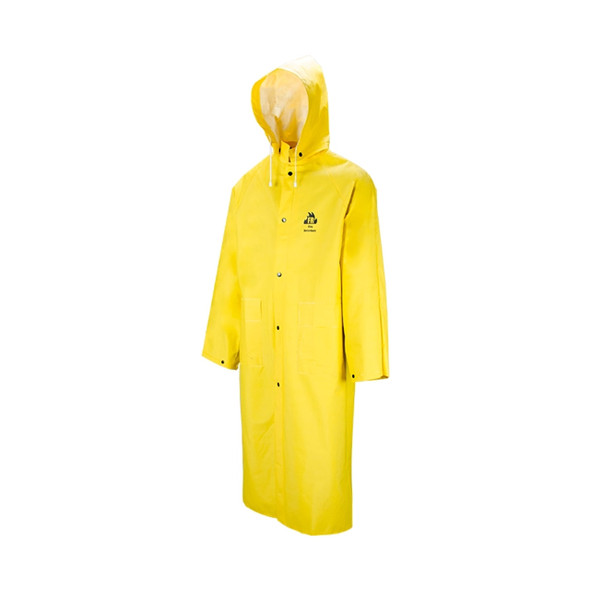

611 Tornado Fire Retardant Yellow Long Coat
WASIP

Netting Clip | Guardian Fall Protection
Guardian Fall Protection

Netting Plate | Guardian Fall Protection
Guardian Fall Protection